Imaginary interview with Zenobia
by Charactorium · Zenobia (240 — 275) · Politics · 5 min read
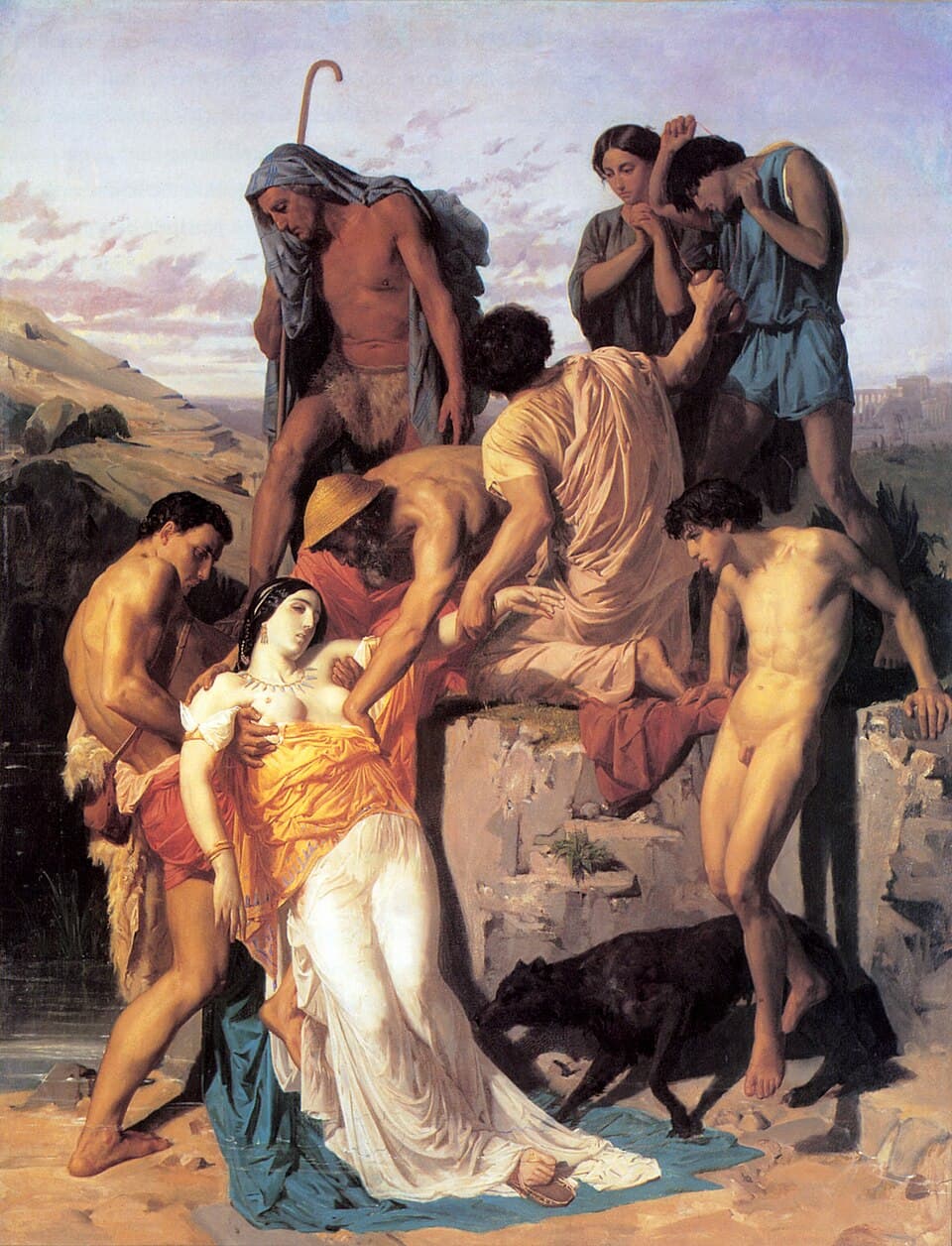
Palmyra, at dusk. The sandstone colonnades redden one last time while the last caravans come to a halt at the city gates. In an audience hall still carrying the scent of myrrh, a woman wearing a diadem receives us, straight as a column: Zenobia, queen of an empire born from the sand.
—You are often presented as a regent. How did you take control of Palmyra after your husband's death?
They say regent. But when my husband Odaenathus fell, in the year 267, Palmyra could not be governed with a child on the throne. My son Vaballath was young; I bore his name, and I also bore the weight. I had coins struck where his face stood beside that of Rome, then, as time came, the titles of Augustus and Caesar. Regent, yes, before the Romans. But a hand that signs decrees, raises cavalry, and appoints governors does not hold another's cup. The desert had taught me this: he who guards the well commands the caravan, whether you call him guardian or king.
He who guards the well commands the caravan, whether you call him guardian or king.
—Your coins sometimes bore the face of Rome, sometimes your own. Why this cautious game before open assertion?
Each coin issued from my workshops told the story Rome wanted to read. At first, the emperor's face on one side, Vaballath on the other: a loyal son, a zealous ally against the Persians. Gallienus, then Claudius, turned a blind eye; the East had cost them too much blood since the capture of old Valerian. Then I dropped the mask. The title of Augusta engraved near mine, and the purple that no vassal dares wear. A coin, you see, travels farther than an army: the merchant who receives it in Alexandria knows, without being told, who rules. I conquered minds before provinces, one denarius at a time.
A coin travels farther than an army.
—In 270, your troops descended into Egypt. What were you seeking there?
Egypt, in the year 270. They reproached me as one reproaches a thirsty man for going to the river. He who holds the Nile holds the grain that feeds Rome, and he who holds the grain holds Rome by the belly. My cavalry descended as far as Alexandria; the granary of the world changed masters without the harvest being interrupted. It was no whim of glory. A caravan city like Palmyra lives by what it connects: silk from the East, grain from the South. I merely added to my routes the richest of all ports. They will say I took too much. I reply: you do not build an empire with half a map.
He who holds the grain holds Rome by the belly.
—Your dominion extended into Asia Minor. How do you hold such a vast territory?
From Palmyra to Antioch, then northward, to the borders of Asia Minor, my standards rose where the legions no longer came. Antioch especially: take that city and you hold all of Syria, its workshops, its ports, its roads. I then ruled a country that stretched, they said, from the Nile almost to Thrace. My generals led the heavy cavalry, those cataphracts clad in iron that we had learned from the Persians, our neighbors and masters in the art of war. An empire is not proclaimed from atop a palace; it is walked, city after city, garrison after garrison. I walked far. Too far, perhaps, for a single woman's life.
—They say you mastered five languages. What use does a sovereign make of such knowledge?
They marvel that a woman speaks. I spoke five languages: the Aramaic of my fathers, the Greek of scholars, the Latin of the world's masters, the Egyptian of priests, and the Persian of our rivals. A queen who must go through an interpreter is half deaf, and one easily deceives who hears only half. At my table, I received philosophers; we debated geometry and the measurement of the stars as elsewhere one talks of horses. My parchments went out in Greek and Aramaic, for governing Palmyra means speaking to two worlds in one breath. Knowledge is not the ornament of a reign: it is its most silent weapon.
A queen who goes through an interpreter is half deaf.
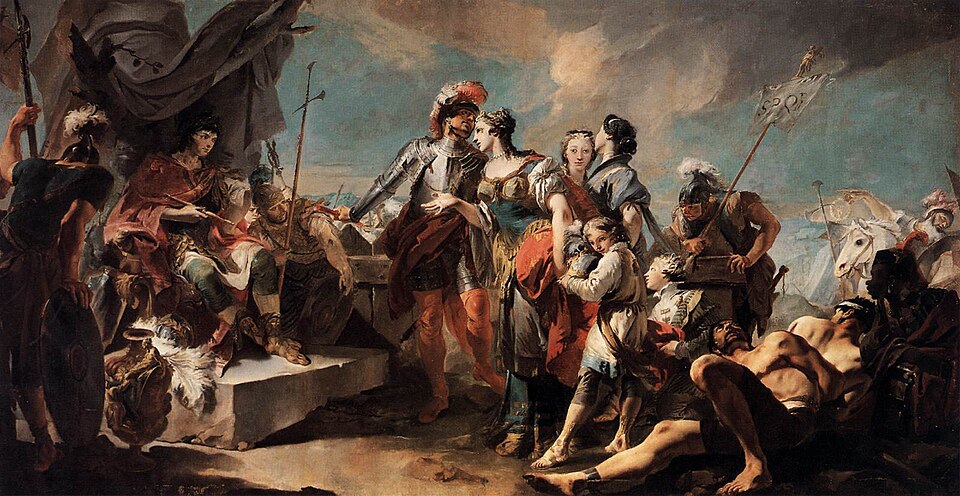
—You attracted scholars and philosophers to your desert city. What were you trying to build?
A throne that shines only with gold is a poor throne. I wanted Palmyra radiant with minds as well as riches. It was whispered that the philosopher Longinus was among my advisors, a man whose word was worth a legion. What the caravans brought in silk, I wanted the schools to bring in wisdom. A desert city might be taken for a mere merchant relay; I wanted it named among the great, Alexandria, Athens. And besides, a prince listened to by scholars is harder to despise. When Rome called me an Eastern barbarian, my letters in Greek would answer alone. Purple tears; the fame of a mind does not.
Purple tears; the fame of a mind does not.
—Then came Aurelian. Do you remember the Battle of Emesa?
Emesa, the year 272. Aurelian was no Gallienus; that man did not turn a blind eye. On the plain, my heavy cavalry charged his lines, and his horsemen feigned flight, again and again, until my cataphracts, crushed under iron and sun, had no breath left. Then his infantry turned. I understood that day that I had fought a fox disguised as a lion. We fell back on Palmyra. I already knew the walls would not suffice: a desert city lives by its roads, and he had cut them. One does not sustain a siege when the well outside is in enemy hands.
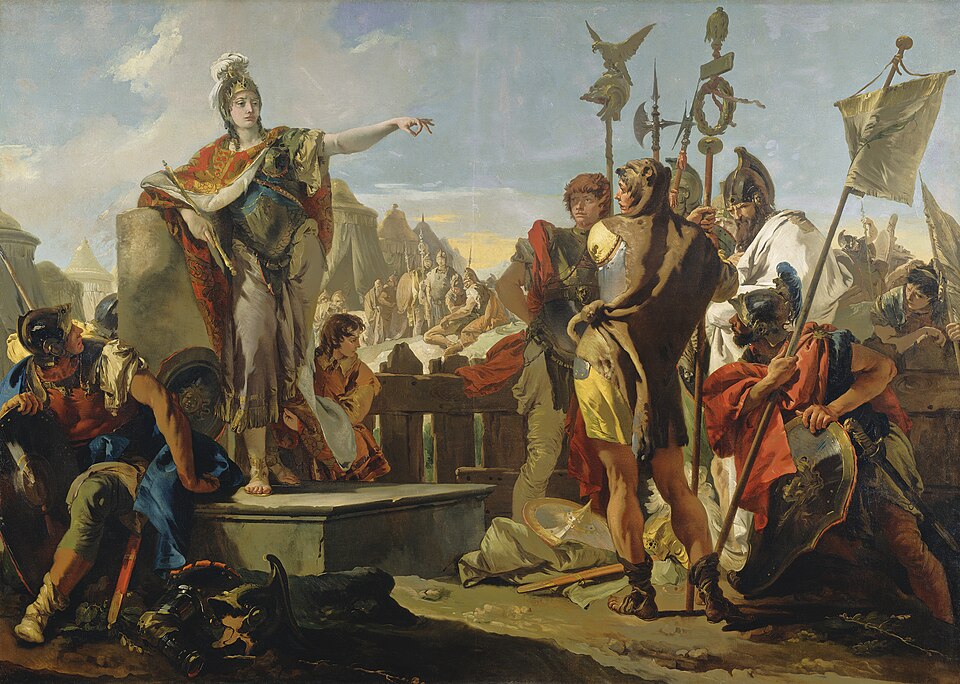
—It is said you were led to Rome in golden chains. How did you endure that ordeal?
I was led to Rome, yes, in Aurelian's triumph. My chains were of gold, a courtesy, they say, reserved for enemies who were feared. They weighed no less. I walked before the victor's chariot, under the eyes of a people come to see the queen of the East bowed. But one does not bend a soul with metal, even precious metal. I held my head high, as my rank demanded, for a vanquished sovereign remains a sovereign. That Aurelian thought fit to chain me in gold rather than cut my throat says much: he wanted to show what he had tamed. One does not adorn an ordinary prey in such a manner.
One does not bend a soul with metal, even precious metal.
—Before the armies, Palmyra lived by trade. What made your city wealthy?
Before the armies, there were the caravans. Palmyra is nothing without the desert it tames: a city planted between Rome and Persia like an oasis between two thirsts. The camels arrived laden with silk, myrrh, stones from India by sea then by sand. On each load, the city took its share, and from that share I paid my cavalry. Common folk think war is waged with courage. It is waged with gold, and Palmyra's gold rode on beasts' backs across the dunes. My colonnaded palace, my robes of silk and purple, even my dates: all that, the caravaneer had carried before me.
War is not waged with courage, but with gold.
—If Palmyra is to be remembered in a century, what should be said of it?
What remains of a queen when her roads are cut and her walls breached? Stones, perhaps, those colonnades standing in the sand where the wind will sing long after me. I did not dream of a submissive Palmyra, a docile relay between two empires; I wanted it master of its caravans and its name. They will call me ambitious — the word, in a Roman's mouth, means any woman who does not kneel. If I am read in a century, let them not say only: she was defeated. Let them say: a city of merchants dared, for the span of a reign, to look Rome in the eye. The desert keeps what is entrusted to it. It will keep this.
Ambitious, in a Roman's mouth, means any woman who does not kneel.
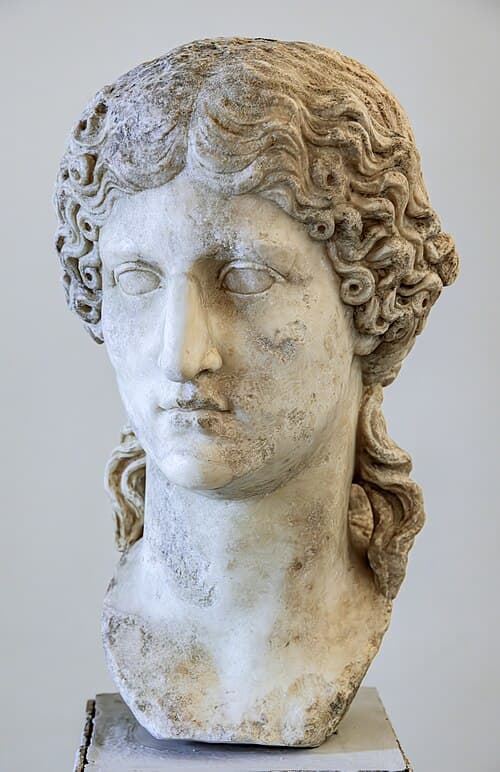
This imaginary interview was generated by artificial intelligence from sources documented in Zenobia's profile. It dramatises what the figure might have said based on what we know about them, but does not constitute attested historical testimony. For primary sources and factual documentation, refer to the full profile.