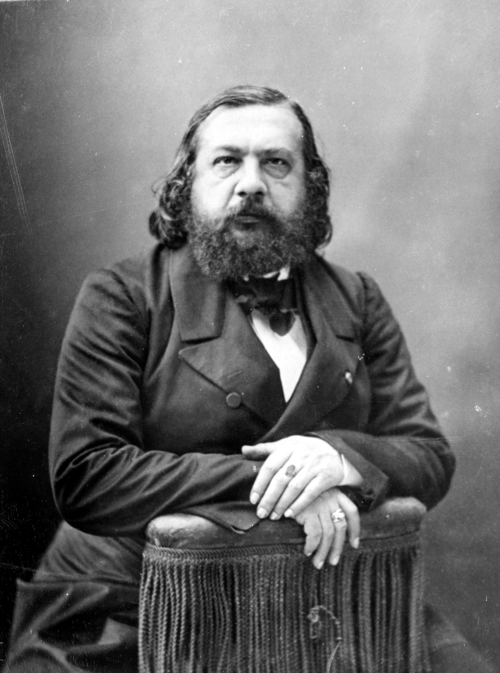
Théophile Gautier(1811 — 1872)
Théophile Gautier
France
8 min read
French writer and critic (1811-1872), founder of the doctrine of art for art's sake, which champions the independence of art from moral and social concerns. Author of novels, poetry, and art criticism, he left a lasting mark on the 19th century through his commitment to formal beauty and aestheticism.
Frequently asked questions
Famous Quotes
« Nothing is truly beautiful unless it is useless »
« Poetry must have beauty as its sole aim »
Key Facts
- 1835: publication of Mademoiselle de Maupin, the novel that became his masterpiece and the manifesto of the art for art's sake doctrine
- 1852: publication of Émaux et Camées (Enamels and Cameos), a major poetry collection showcasing his aesthetic of form and perfection
- 1830s–1870s: career as an art and literary critic for Parisian newspapers, shaping the aesthetic tastes of his era
- 1856–1872: publication of fantastic tales and exotic fiction (Avatar, Spirite, Romans et contes)
- Career: internationally renowned writer, poet, art critic, and journalist
Works & Achievements
A major novel embodying the doctrine of art for art's sake, featuring a celebrated preface defending the independence of art from moral concerns. This work profoundly influenced nineteenth-century aestheticism.
A poetry collection distinguished by meticulous formal craftsmanship and refined visual beauty. This collection represents the pinnacle of his art-for-art's-sake poetics.
A historical and exotic novel showcasing Gautier's talent for pictorial description and his fascination with ancient Egypt. The work combines literary imagination with archaeological scholarship.
A fantastical novella exploring themes of the supernatural and transcendent love. This late work reveals Gautier's evolution toward spiritual preoccupations.
A collection of travel writings and impressions of Egypt, drawn from his experiences in the Orient. The work illustrates his role as an art critic and keen observer of exotic beauty.
A posthumously published critical essay offering an invaluable firsthand account of the Romantic era and its major figures. Gautier asserts his role as a literary historian of the movement.
Anecdotes
During the premiere of Victor Hugo's Hernani in 1830, Théophile Gautier — then a young admirer of Romanticism — wore a strikingly bright red waistcoat to show his support for the author against conservative critics. This flamboyant garment became the symbol of the Romantic battle, and Gautier himself later recounted the story as a deliberate act of provocation against the defenders of classical art.
Théophile Gautier traveled to Egypt in 1845–1846, a journey that left a deep mark on his aesthetic sensibility and fired his imagination. He brought back enthusiastic chronicles and vivid descriptions that influenced his literary work and shaped his vision of exotic beauty.
In 1852, Gautier published Émaux et Camées (Enamels and Cameos), a collection of short poems celebrating formal perfection and the sculptural beauty of objects. The book became the manifesto of the doctrine of art for art's sake that he championed, placing form and aesthetics above any moral or political message.
Théophile Gautier was one of the few French writers to publicly champion Charles Baudelaire's work — particularly Les Fleurs du Mal — at a time when it was scandalizing Parisian society. He recognized Baudelaire's poetic genius when others condemned him, demonstrating his intellectual independence in the face of moralistic judgment.
Gautier worked regularly as an art and theater critic for Parisian newspapers for more than forty years, using that platform to defend innovative artists and promote his vision of an art freed from social and moral constraints.
Primary Sources
Art has no need of morality, and it is a mistake to look for any in it. Art is beauty, and beauty is the supreme end.
I am among those for whom beauty exists, and who place beauty above all else. I prefer a beautiful statue to the greatest act of virtue.
Sculpt, file, chisel; Let your floating dream Be sealed Within the resistant block!
Romanticism is not a school, it is a system of nature applied to art.
Ancient beauty, the perfection of form, the harmony of proportion — these are what should occupy all our thoughts and all our efforts.
Key Places
Birthplace of Théophile Gautier in 1811. It is in this prefecture of the Hautes-Pyrénées that the writer who would become one of the leading figures of French Romanticism was born.
The heart of Gautier's Parisian life, where he settled as a young man. The Latin Quarter witnessed his first literary steps, his encounters with the Romantics, and the emergence of his theory of art for art's sake.
A key venue for Gautier in his role as an art critic. He regularly visited the Louvre to develop his aesthetic analyses and contributed exhibition reviews to the Moniteur universel.
Major destinations on Gautier's travels that profoundly shaped his work. Italy represented for him the ideal of formal beauty and Renaissance art that fed his aesthetic doctrine.
A favourite haunt of Gautier, who worked as a dance critic and had a deep passion for choreographic art. He followed the evolution of Romantic ballet and left influential reviews of the dancers of his era.
The Parisian neighbourhood where Gautier spent part of his life among the bohemian artists of the 19th century. This place symbolises his involvement in artistic circles and his participation in the cultural life of the Romantic era.
Liens externes & ressources
Références
Œuvres
Mademoiselle de Maupin
1835
La Morte amoureuse
1836
Voyage en Espagne (Tra los montes)
1843
Émaux et Camées
1852
Le Capitaine Fracasse
1863
Histoire du Romantisme
1874