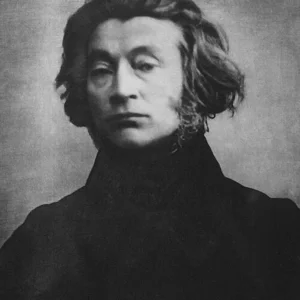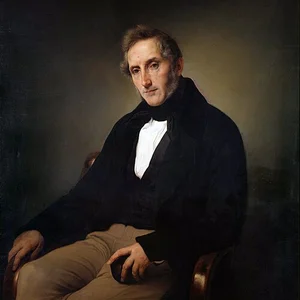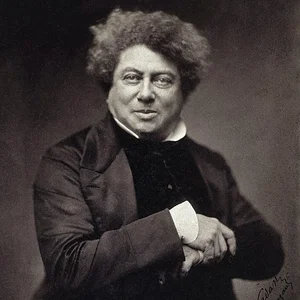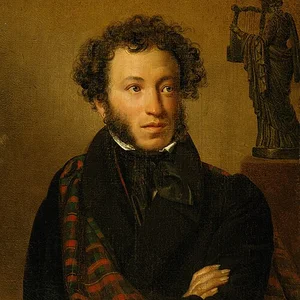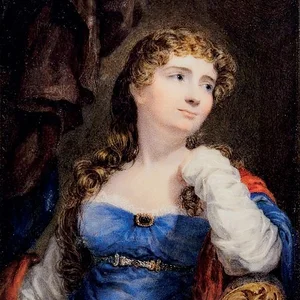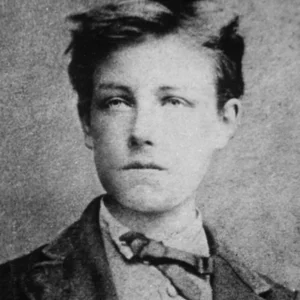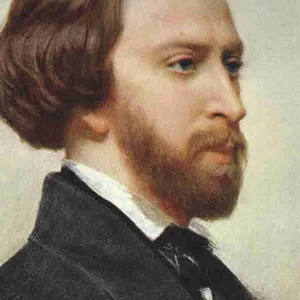

French writer and playwright (1810-1857), a major figure of Romanticism. Author of comedies and lyrical dramas, he is best known for his play "No Trifling with Love" and for his turbulent relationship with George Sand.
Alfred de Musset(1810 — 1857)
Alfred de Musset
France
7 min read
Frequently asked questions
Famous Quotes
« No trifling with love.»
« Love is at the heart of everything we do.»
« Youth is a crime one repents of afterward.»
Key Facts
- 1830: Publication of his collection "Tales of Spain and Italy", which caused a sensation
- 1834: Beginning of his passionate relationship with novelist George Sand, inspiring several literary works
- 1836: Premiere of "No Trifling with Love", his major play blending comedy and tragedy
- 1847: Election to the Académie française, official recognition of his talent
- 1857: Death in Paris at age 46, after a life marked by excess and emotional turmoil
Works & Achievements
A comedy in three acts, his dramatic masterpiece. The play explores themes of love, sincerity, and romantic games with wit and lightness, becoming one of the most performed works in the French repertoire.
A one-act dramatic proverb blending comedy and sentimentality. The work exemplifies Musset's distinctive style, combining humor with romantic emotion.
A drama in five acts considered one of his great romantic tragedies. A complex work on political and moral corruption in Florence, exploring themes of power and freedom.
A major autobiographical novel recounting his tumultuous passion with George Sand. A founding work of 19th-century personal literature, it explores romantic disillusionment and the mal du siècle.
A collection of lyric poems including major pieces such as "La Nuit de mai" and "Le Saule". His poetic work exemplifies French Romantic lyricism with great emotional delicacy.
A dramatic proverb in three acts exploring themes of love and doubt. A light and witty play characteristic of Musset's style of sentimental comedy.
A collection of lyric dramas intended for reading rather than the stage. An innovative collection blending poetry and theatricality, defining a new literary genre for Musset.
Anecdotes
In 1833, at only 23 years old, Alfred de Musset met George Sand, a writer 9 years his senior, at a Parisian dinner. This meeting marked the beginning of a passionate but highly turbulent relationship that would last two years and inspire some of Musset's most beautiful works.
During his trip to Italy with George Sand in 1834, Musset fell seriously ill in Venice and was confined to bed for several weeks. George Sand nursed him, but their relationship deteriorated during the stay, contributing to their final separation the following year.
Musset is the author of 'No Trifling with Love' (On ne badine pas avec l'amour), a comedy first performed in 1840 that did not initially achieve the theatrical success it deserved. Paradoxically, this play has become his masterpiece and remains one of the most performed works in the French repertoire, particularly in schools.
Early in his literary career, Musset frequented the Romantic Cénacle and rubbed shoulders with Victor Hugo and Théophile Gautier. However, he distinguished himself through his lighter, more ironic tone, preferring comedy over the grand historical drama favored by the other Romantics.
Alfred de Musset led a Parisian bohemian life marked by excesses (alcohol, debauchery) that damaged his health. These personal struggles profoundly influenced his works, which oscillate between spiritual lightness and a deep existential melancholy.
Primary Sources
To lose love rather than betray it, that is all I know. The rest matters not to me. I do not wish to be happy; I wish to be loved.
There are two statues in Athens; one is that of Minerva, the other that of Mars. I do not know which of the two is the more beautiful; but I know that mine resembles that of Victory.
I love the people, and I want the people to be free. Yet I am not a friend of absolute liberty; I believe that laws are necessary.
You are the most extraordinary being I have ever known. I love you with a passion that devours and destroys me all at once.
Love is a tyrant who spares no one. He who believes himself free while loving is strangely mistaken.
Key Places
Birthplace of Alfred de Musset on December 11, 1810. This Parisian address marks the beginning of the life of the young Romantic who would become a major figure in French literature.
Prestigious stage where several of Musset's plays were performed, notably On ne badine pas avec l'amour. This theatre consecrated his talent as a playwright and creator of lyrical comedies.
City where Musset stayed in 1833–1834 in the company of George Sand. This tumultuous relationship and this Italian period inspired several of his lyrical and Romantic works.
George Sand's estate where Musset stayed regularly. This shared living space with the famous writer became a source of inspiration for his Romantic creations.
Burial place of Alfred de Musset since his death in 1857. It is here that this great Romantic rests permanently, close to other eminent figures of his era.
Typical Objects

An essential writing instrument in the 19th century, used by Musset to compose his plays and poems. The goose quill was the preferred tool of Romantic writers for their literary creations.
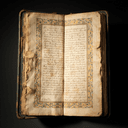
Musset's plays, notably "No Trifling with Love" and "Lorenzaccio", were first written as manuscripts before being performed. These documents bear witness to his work as a playwright.

A major symbol of Romanticism and passionate love, the red rose embodies the themes of tormented love and turbulent relationships that characterise Musset's work, particularly his relationship with George Sand.
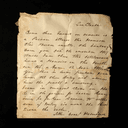
Musset was a prolific letter writer. His letters, notably those to George Sand, are important documents for understanding his intimate life and his Romantic creative process.
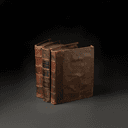
The editions of his works, published and bound at the time, embody the spread of Romantic literature in 19th-century Parisian society and Musset's cultural impact.

Typical lighting of the Romantic era, the candle or oil lamp illuminated the Parisian salons where Musset frequented literary circles and wrote his creations at night.

Portraits of Musset, including 19th-century daguerreotypes, show him with the characteristic traits of Romantic elegance and constitute iconic images of the French playwright.
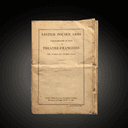
The programmes from performances of his plays at the Théâtre-Français attest to Musset's dramatic success and his central place in 19th-century Parisian Romantic theatrical life.
School Curriculum
Vocabulary & Tags
Key Vocabulary
Tags
Mouvement
Daily Life
Morning
Alfred de Musset generally rises late, after a night often devoted to writing or social outings. He has a light breakfast in his Parisian apartment, accompanied by coffee or chocolate, before immersing himself in reading or composing his plays.
Afternoon
The afternoon is dedicated to literary creation or meetings with his publishers and writer friends in the literary cafés of the Latin Quarter. He regularly frequents Parisian salons where the intellectual and artistic elite of Romanticism gather.
Evening
Musset's evenings are marked by an intense social life: performances at the Théâtre-Français, society dinners in aristocratic and bohemian circles, or productions of his own plays. He is a regular at Parisian theatres and the circles of Parisian artistic life.
Food
As a man of the Parisian bourgeois class, Musset enjoys a varied table of meats, poultry, pastries and fruits. He shares meals at restaurants and in salons, where wine and champagne are ever-present at receptions. His diet reflects the material comfort of his social position.
Clothing
Elegant and well-groomed, Musset wears the dark suits characteristic of the romantic dandy: frock coat, carefully tied cravat, ornate waistcoat. He is renowned for his seductive appearance and affected style, in keeping with the dress codes of the 19th-century Parisian aristocracy.
Housing
Musset lives in Parisian apartments in the Latin Quarter or the central arrondissements, close to theatres and literary salons. His lodgings reflect his status as a recognised writer, tastefully furnished and serving as venues for intellectual and artistic exchange.
Historical Timeline
Period Vocabulary
Visual Style
Un style romantique du XIXe siècle mêlant l'intensité dramatique du théâtre de Musset avec une palette de couleurs chaudes et mélancoliques. L'illustration privilégie le clair-obscur théâtral, l'expressivité émotionnelle et une technique mixte aquarelle-encre inspirée des grands maîtres romantiques.
Sound Ambience
Une ambiance sonore évoquant l'intimité du cabinet de travail d'un écrivain romantique parisien, mêlant la délicatesse du piano à la mélancolie des cordes, aux bruits de la création littéraire et aux échos lointains de la vie théâtrale du XIXe siècle.
Liens externes & ressources
Références
Œuvres
On ne badine pas avec l'amour
1834
Les Caprices de Mariette
1835
La Confession d'un enfant du siècle
1836
Poésies complètes
1829-1852
Il ne faut jurer de rien
1836
Un spectacle dans un fauteuil
1832