 flip
flipHypocras with wine and spices
Hypocras with wine and spices
Why this dish? Hypocras, a sweet, spiced wine filtered through a 'Hippocratic sleeve', traditionally closed good meals and accompanied learned conversation. For a worldly abbot like Prévost, who frequented salons and select tables, it was the civilized drink of wit and sociability.
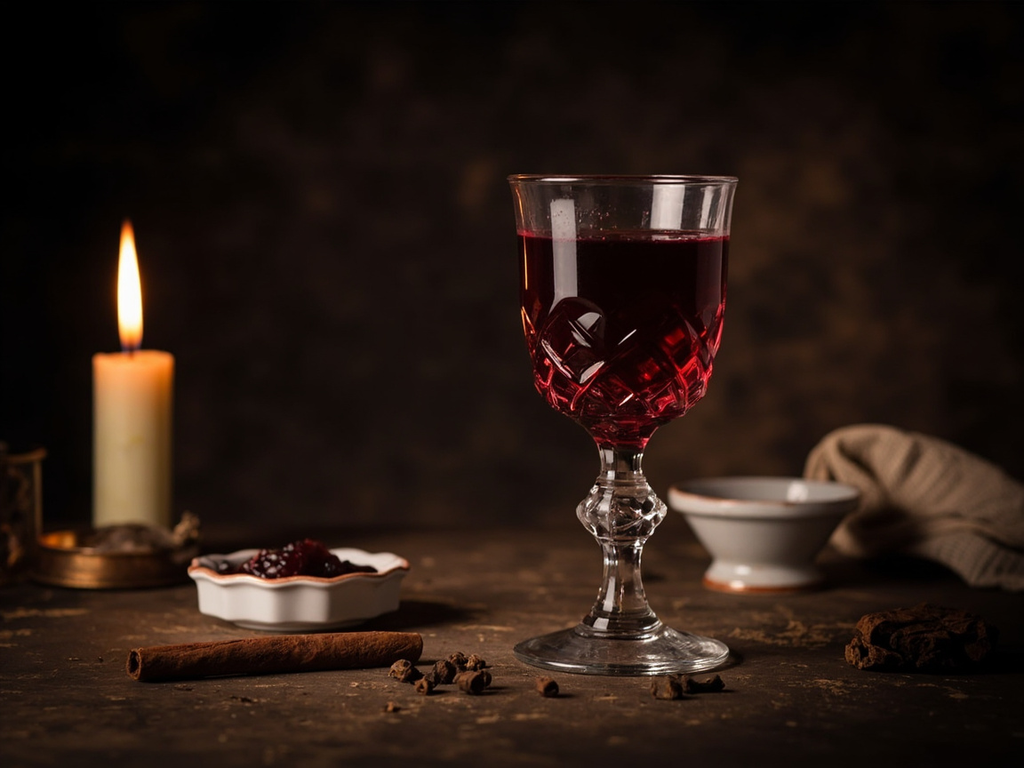
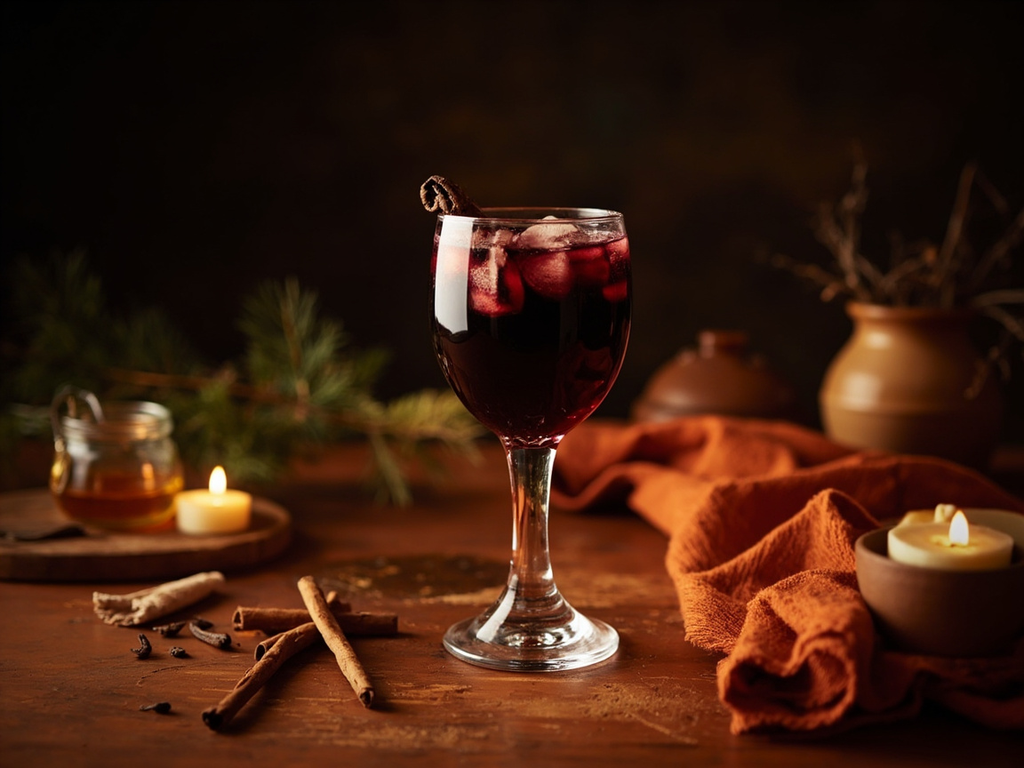
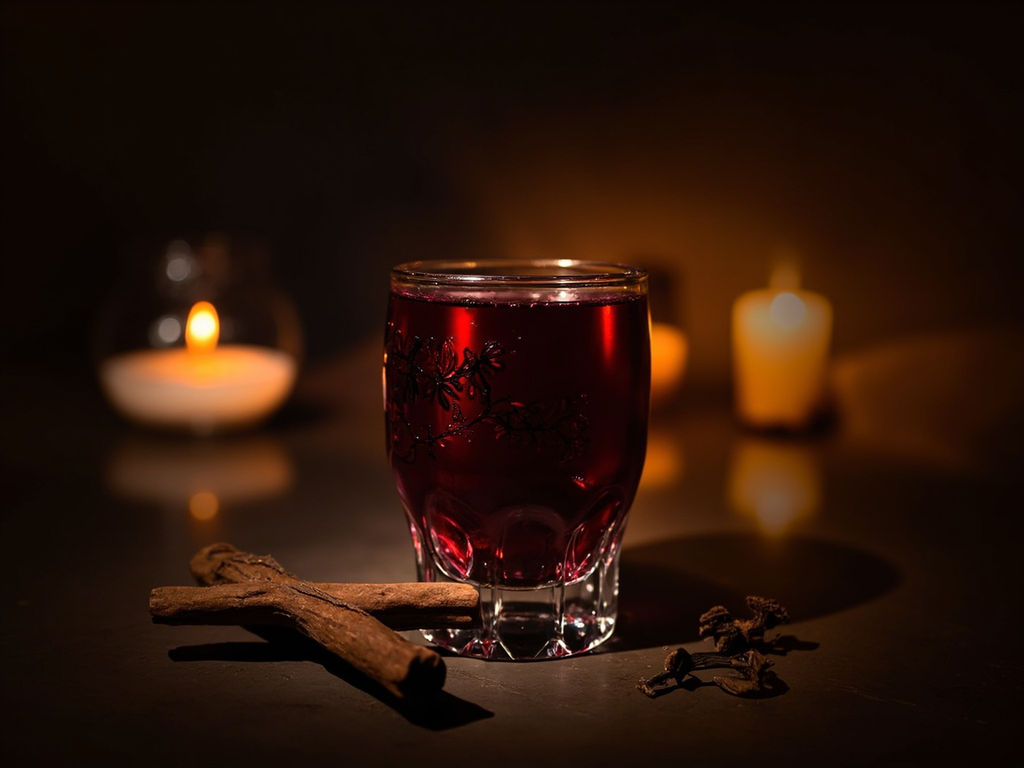
A wine warmed with cinnamon, ginger, cloves, and sugar, fragrant and sweet, served at the end of the meal. A warming drink that prolongs the table and the exchange.
When the dishes are cleared and conversation ignites, nothing suits better than a glass of hypocras to warm the mind as much as the body. I have it prepared the day before: one puts into the wine the cinnamon, ginger, and a few cloves, with sugar, then lets it all marry overnight before passing it through a fine cloth until it is clear as a ruby. Drink it moderately, Sir—it is treacherous, and loosens the tongue more than one would think.
- •Wine (red or white) — a pint (base)
- •Cinnamon — a stick (dominant spice)
- •Ginger — a little (spicy warmth)
- •Cloves — a few (fragrance)
- •Sugar — to discretion (sweetness)
- •A pinch of nutmeg — a suspicion (aromatic roundness)
Hypocras with wine and spices
A wine warmed with cinnamon, ginger, cloves, and sugar, fragrant and sweet, served at the end of the meal. A warming drink that prolongs the table and the exchange.
Why this dish? Hypocras, a sweet, spiced wine filtered through a 'Hippocratic sleeve', traditionally closed good meals and accompanied learned conversation. For a worldly abbot like Prévost, who frequented salons and select tables, it was the civilized drink of wit and sociability.
When the dishes are cleared and conversation ignites, nothing suits better than a glass of hypocras to warm the mind as much as the body. I have it prepared the day before: one puts into the wine the cinnamon, ginger, and a few cloves, with sugar, then lets it all marry overnight before passing it through a fine cloth until it is clear as a ruby. Drink it moderately, Sir—it is treacherous, and loosens the tongue more than one would think.
Ingredients (period version)
- Wine (red or white) — a pint (base)
- Cinnamon — a stick (dominant spice)
- Ginger — a little (spicy warmth)
- Cloves — a few (fragrance)
- Sugar — to discretion (sweetness)
- A pinch of nutmeg — a suspicion (aromatic roundness)
Ingredients
- Red or white wine — 75 cl (base)
- Sugar — 80 to 100 g (sweetness)
- Cinnamon stick — 1 (dominant spice)
- Fresh ginger — 2 thin slices (warmth)
- Cloves — 3 (fragrance)
- Nutmeg — 1 pinch grated (aromatic roundness)
Method
- Pour the wine into a container, add the sugar and all spices.
- Let macerate in a cool place overnight (or gently heat for 15 minutes without boiling for a quick version).
- Filter carefully through a fine cloth or coffee filter until the liquid is clear.
- Serve chilled or slightly warm, in small glasses.
How it was made : Hypocras is attested from the Middle Ages to the 18th century. Its name comes from the 'Hippocratic sleeve', the conical cloth bag used to clarify it. It was served at the end of meals and during ceremonies. Sugar, more accessible in the 18th century, made it sweeter than in the Middle Ages when honey dominated.
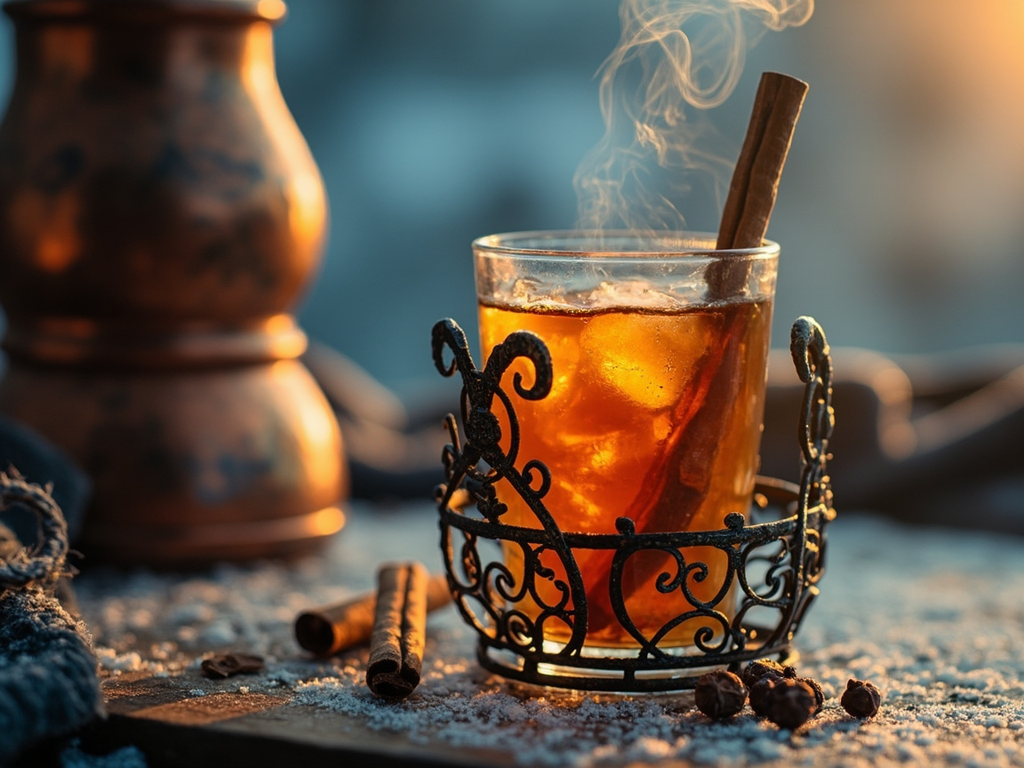
The contemporary twist : Serve it on the rocks over a large ice cube, like a retro vermouth aperitif, with an orange zest.
Abbé Prévost · Charactorium