 flip
flipSbiten, hot honey drink for the St. Petersburg winters
Sbiten, hot honey drink for the St. Petersburg winters
Why this dish? Fleeing the Revolution, Vigée Le Brun spent six years in Russia (1795–1801), showered with honors at the court of Catherine II and then Paul I. In the cold of St. Petersburg, *sbiten* — a hot drink of honey and spices sold by vendors in the frozen streets — warmed both high and low.
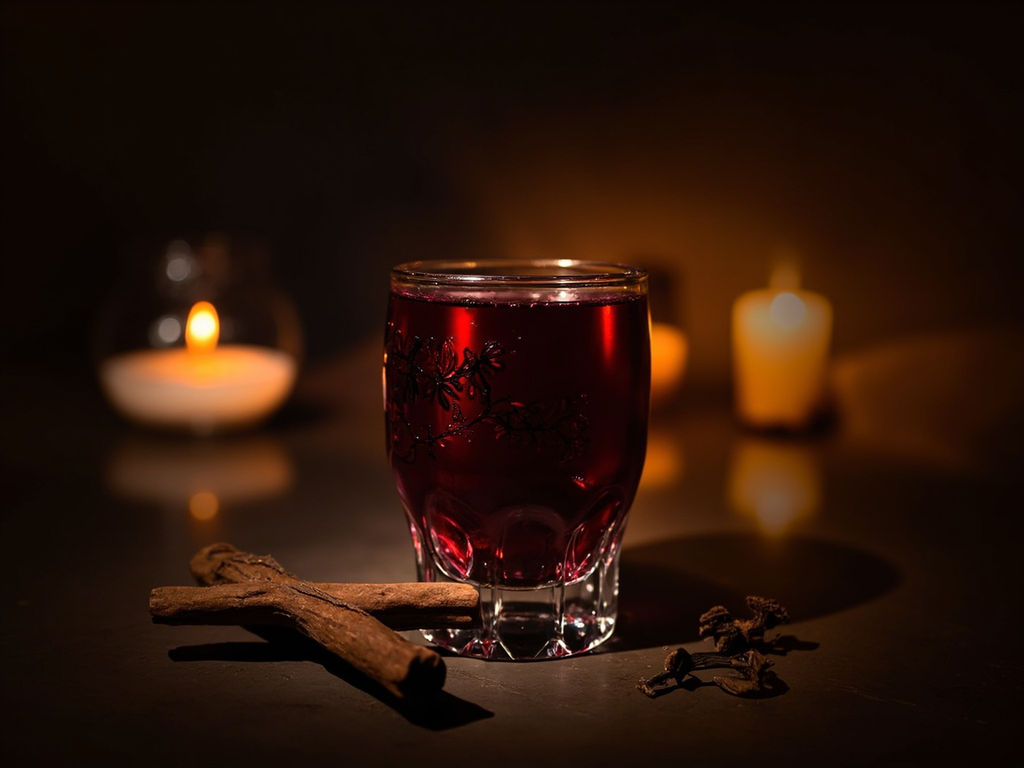
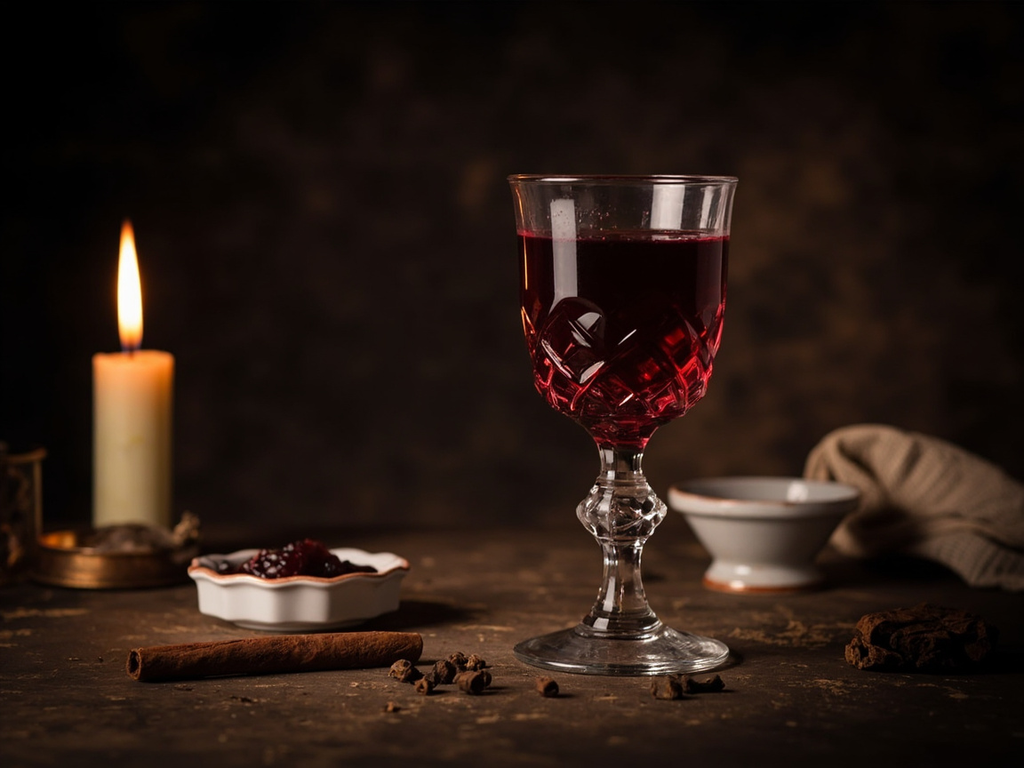
A piping hot infusion of honey and spices (ginger, cinnamon, clove), a popular Russian drink before tea, warming the icy streets of the imperial capital.
Never had I known winters like those of St. Petersburg, where the cold seizes you to the bone. In the very streets, one drank a hot liquor of honey and spices that vendors carried in great steaming copper vessels. I often took some to warm my fingers before taking up the brush again: it was sweet, burning, all perfumed with ginger and clove. This drink of the Russian people seemed to me more helpful, in that cold, than all the wines of France.
- •Honey — several spoonfuls (base sweetness)
- •Water — a large pot (infusion)
- •Ginger — a piece (warm spice)
- •Cinnamon — a stick (flavor)
- •Clove — a few (flavor)
- •Bay leaf — one (aromatic note (optional))
Sbiten, hot honey drink for the St. Petersburg winters
A piping hot infusion of honey and spices (ginger, cinnamon, clove), a popular Russian drink before tea, warming the icy streets of the imperial capital.
Why this dish? Fleeing the Revolution, Vigée Le Brun spent six years in Russia (1795–1801), showered with honors at the court of Catherine II and then Paul I. In the cold of St. Petersburg, *sbiten* — a hot drink of honey and spices sold by vendors in the frozen streets — warmed both high and low.
Never had I known winters like those of St. Petersburg, where the cold seizes you to the bone. In the very streets, one drank a hot liquor of honey and spices that vendors carried in great steaming copper vessels. I often took some to warm my fingers before taking up the brush again: it was sweet, burning, all perfumed with ginger and clove. This drink of the Russian people seemed to me more helpful, in that cold, than all the wines of France.
Ingredients (period version)
- Honey — several spoonfuls (base sweetness)
- Water — a large pot (infusion)
- Ginger — a piece (warm spice)
- Cinnamon — a stick (flavor)
- Clove — a few (flavor)
- Bay leaf — one (aromatic note (optional))
Ingredients
- Honey — 4 tbsp (sweetness)
- Water — 1 liter (infusion)
- Fresh ginger — 1 piece (3 cm), sliced (spice)
- Cinnamon — 1 stick (flavor)
- Clove — 4 (flavor)
- Bay leaf — 1 leaf (aromatic note)
Method
- Bring the water to a simmer with the ginger, cinnamon, cloves, and bay leaf.
- Let infuse over low heat for 10–15 minutes to extract the spices well.
- Remove from heat, let cool slightly for a few minutes, then stir in the honey (add honey off the boil to preserve its aroma).
- Strain to remove the spices.
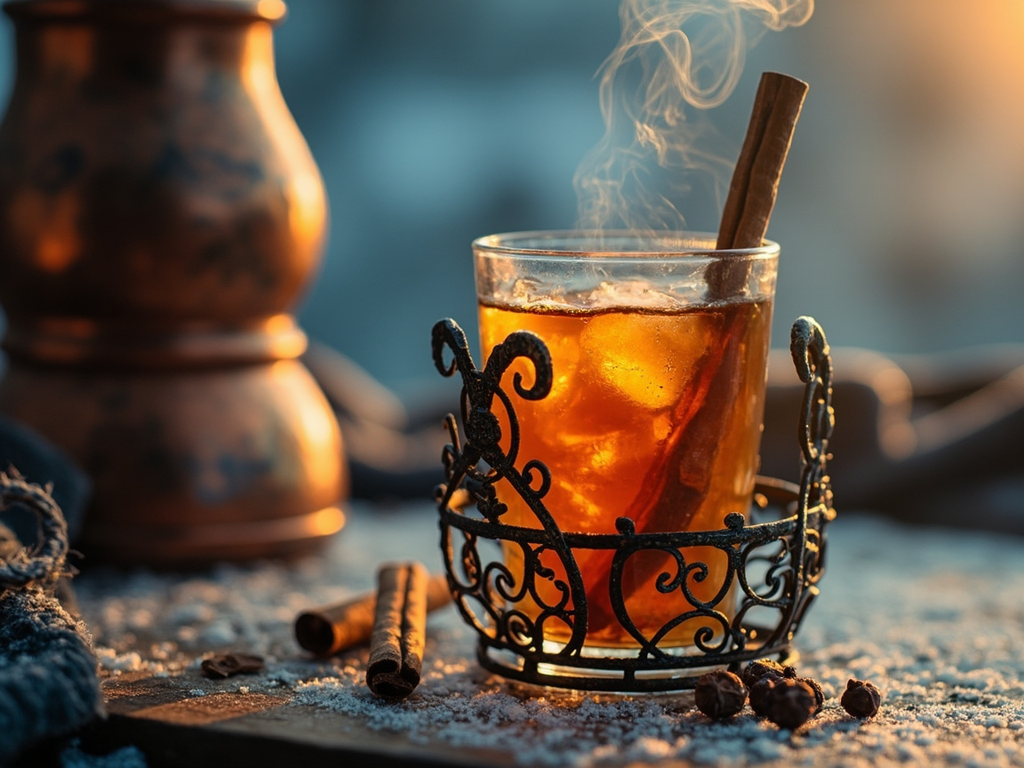
- Serve very hot in cups or glasses held in a holder, in extreme cold.
How it was made : Sbiten was the popular hot drink of Russia in the 18th century, before tea from the samovar supplanted it in the 19th. Sold by *sbitenshchiki* in copper containers, it blended honey and spices, sometimes with added herbs. It was the comforting drink of the snowy streets of St. Petersburg and Moscow.
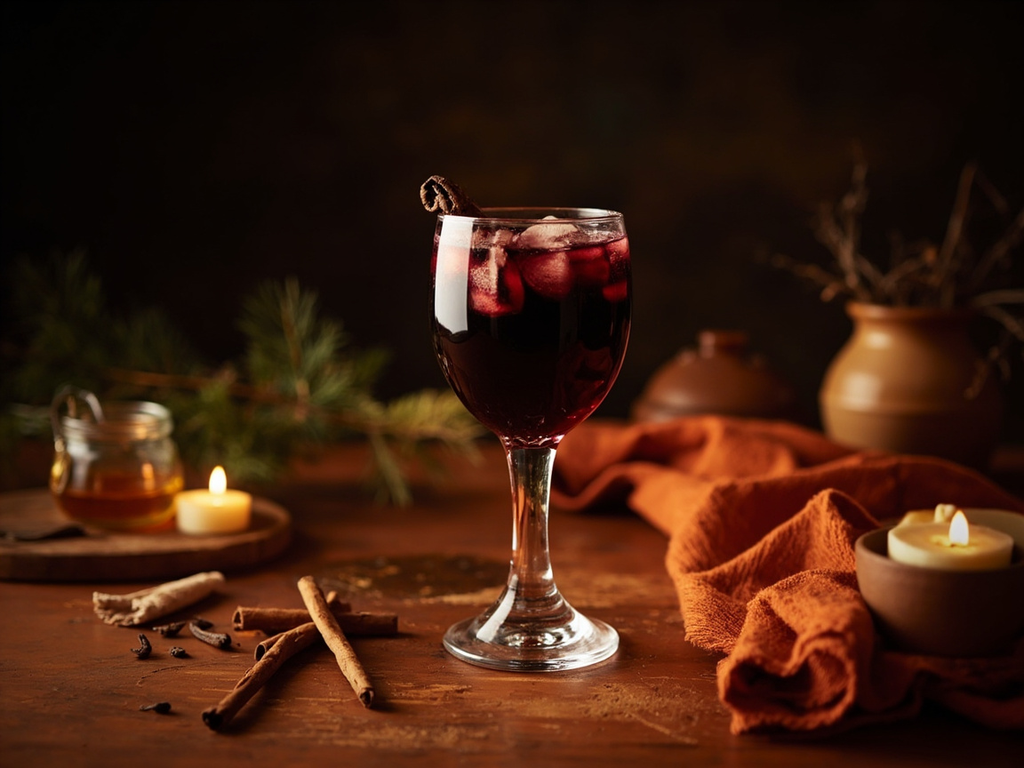
The contemporary twist : Serve in a glass with a *podstakannik* (metal holder, Russian style) with a cinnamon stick as a stirrer, and offer an "evening" version with a splash of mulled wine.
Sources : Élisabeth Vigée Le Brun, *Souvenirs* (1835–1837) · 18th-century Russian culinary traditions (sbiten)
Élisabeth Vigée Le Brun · Charactorium