 flip
flipHypocras au vin de Toulouse
Hypocras au vin de Toulouse
Why this dish? Hypocras closed the fine meals of the 17th century and was believed to aid digestion. Prepared with the wine of the Toulouse region that Fermat drank, this spiced and sweetened wine accompanied the preserves of the issue de table and the scholarly conversations that stretched on by candlelight.
Wine perfumed with cinnamon, ginger, and spices, sweetened with honey or sugar, then filtered until clear — the spiced ancestor of mulled wine.
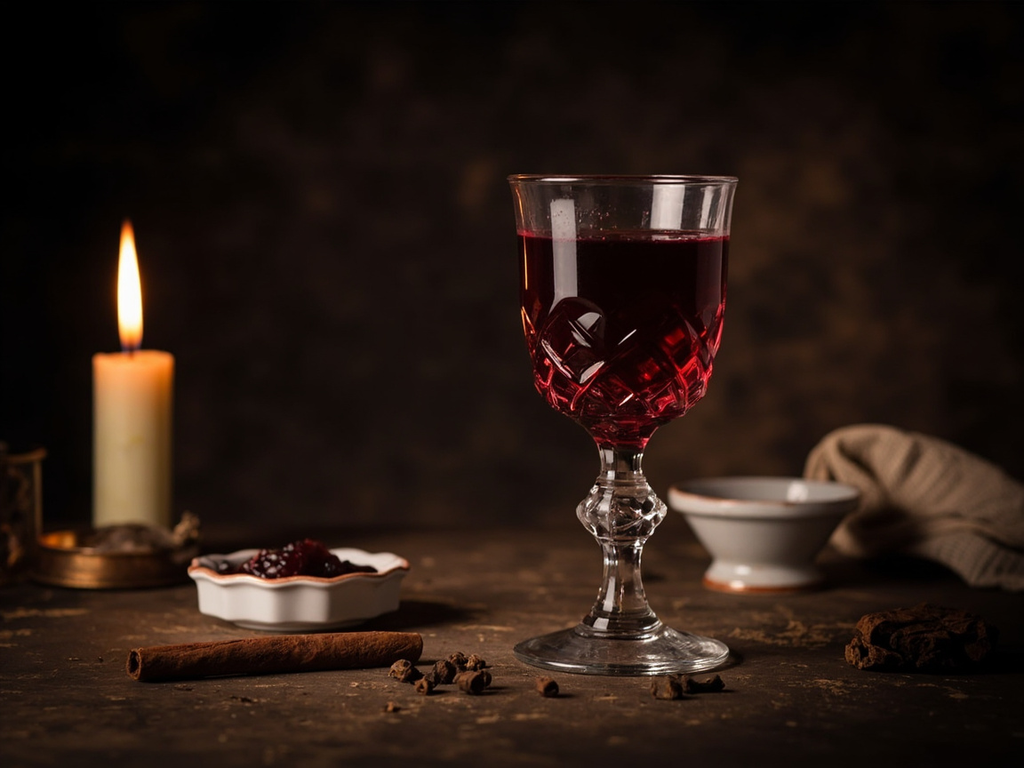
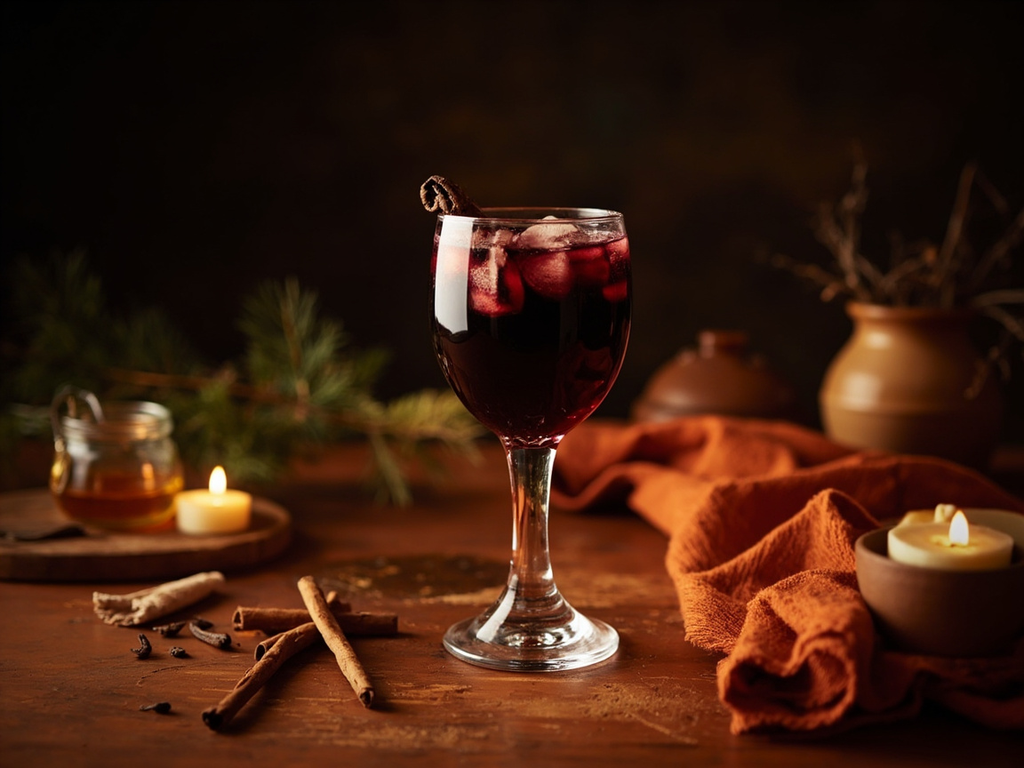
Before we part, join me in a glass of hypocras. It is our local wine married with cinnamon, ginger, and a hint of clove, sweetened with a little honey. We let it rest overnight on its spices, then pass and repass it through a woolen filter, as many times as needed, until it is clear as spring water. It is considered a friend to the stomach after a long supper — and, I confess, a friend to the mind as well, when conversation turns to geometry late into the night.
- •Wine (red or white from Languedoc) — a pitcher (base)
- •Cinnamon — one stick (main spice)
- •Ginger — a piece (warming spice)
- •Clove and nutmeg — a few (flavor)
- •Honey or sugar — to taste (sweetness)
Hypocras au vin de Toulouse
Wine perfumed with cinnamon, ginger, and spices, sweetened with honey or sugar, then filtered until clear — the spiced ancestor of mulled wine.
Why this dish? Hypocras closed the fine meals of the 17th century and was believed to aid digestion. Prepared with the wine of the Toulouse region that Fermat drank, this spiced and sweetened wine accompanied the preserves of the issue de table and the scholarly conversations that stretched on by candlelight.
Before we part, join me in a glass of hypocras. It is our local wine married with cinnamon, ginger, and a hint of clove, sweetened with a little honey. We let it rest overnight on its spices, then pass and repass it through a woolen filter, as many times as needed, until it is clear as spring water. It is considered a friend to the stomach after a long supper — and, I confess, a friend to the mind as well, when conversation turns to geometry late into the night.
Ingredients (period version)
- Wine (red or white from Languedoc) — a pitcher (base)
- Cinnamon — one stick (main spice)
- Ginger — a piece (warming spice)
- Clove and nutmeg — a few (flavor)
- Honey or sugar — to taste (sweetness)
Ingredients
- Full-bodied red wine from Languedoc — 75 cl (base)
- Cinnamon stick — 1 (main spice)
- Fresh ginger — 5 slices (warming spice)
- Cloves — 3 (flavor)
- Grated nutmeg — 1 pinch (flavor)
- Honey — 3 to 5 tbsp (sweetness)
Method
- Pour the wine into a large container. Add the cinnamon, ginger, cloves, and nutmeg.
- Stir in the honey until dissolved.
- Cover and let infuse cold for at least 8 hours (ideally overnight) at room temperature.
- Filter carefully through a fine cloth or coffee filter, several times, until the liquid is clear.
- Serve chilled or slightly warm (without boiling), in small glasses, at the end of the meal.
How it was made : Hypocras (named after Hippocrates, via the 'sleeve of Hippocrates', the conical filter) is attested from the Middle Ages through the 17th century. It was prepared by cold maceration then repeated filtering through a woolen cloth. Nostradamus gave recipes as early as the 16th century. Sweet and spiced, it was considered a cordial and digestive.
The contemporary twist : Serve it on ice in a large crystal glass, cocktail-style, and call it 'The Theorem' — a sweetness whose margin of your glass will, alas, always be too narrow.
Sources : Michel de Nostredame (Nostradamus), Traité des fardements et confitures, 1555 · François Massialot, Le Cuisinier roïal et bourgeois, 1691
Pierre de Fermat · Charactorium