 flip
flipBavaroise au lait des cafés savants
Bavaroise au lait des cafés savants
Why this dish? Mathematicians and academicians of Paris met in cafés—the Procope, the Régence—to discuss science. The bavaroise, a fashionable hot drink made with syrup, tea and beaten milk, was very popular in the 18th century, sweeter than coffee and a companion to long conversations.
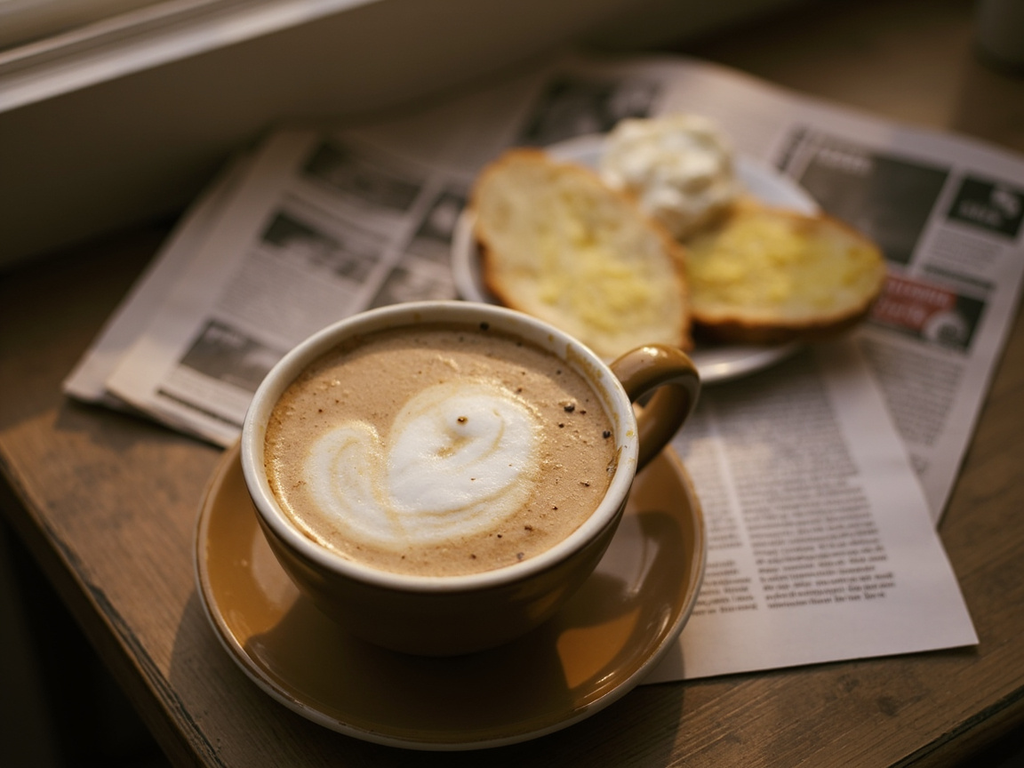
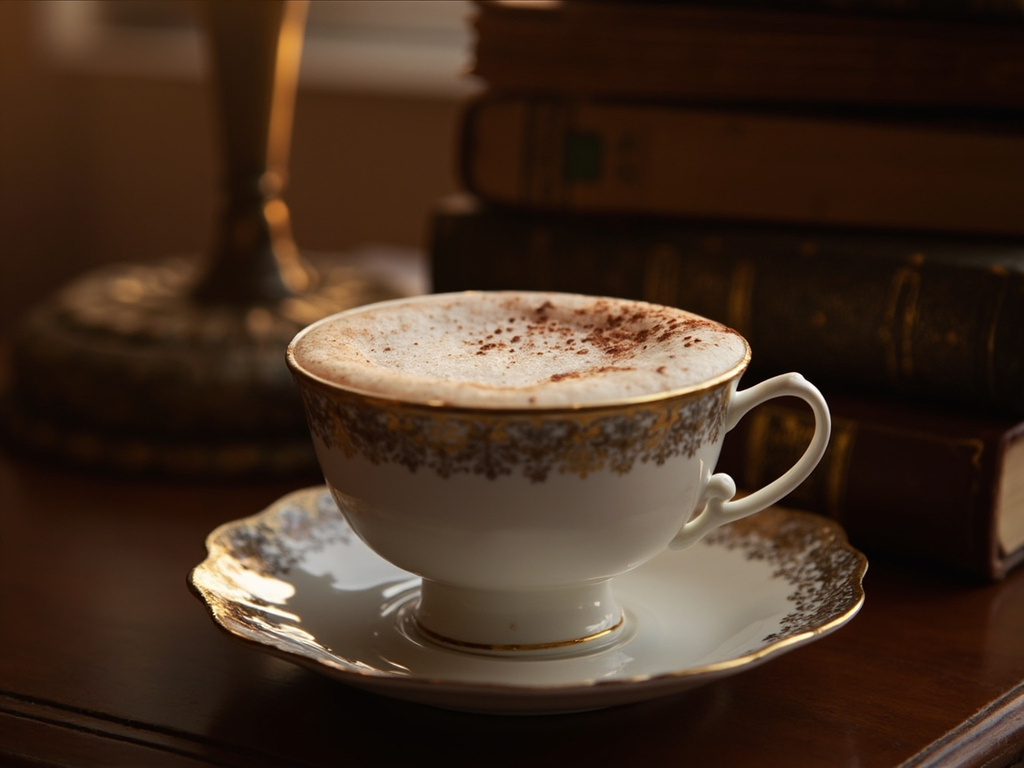
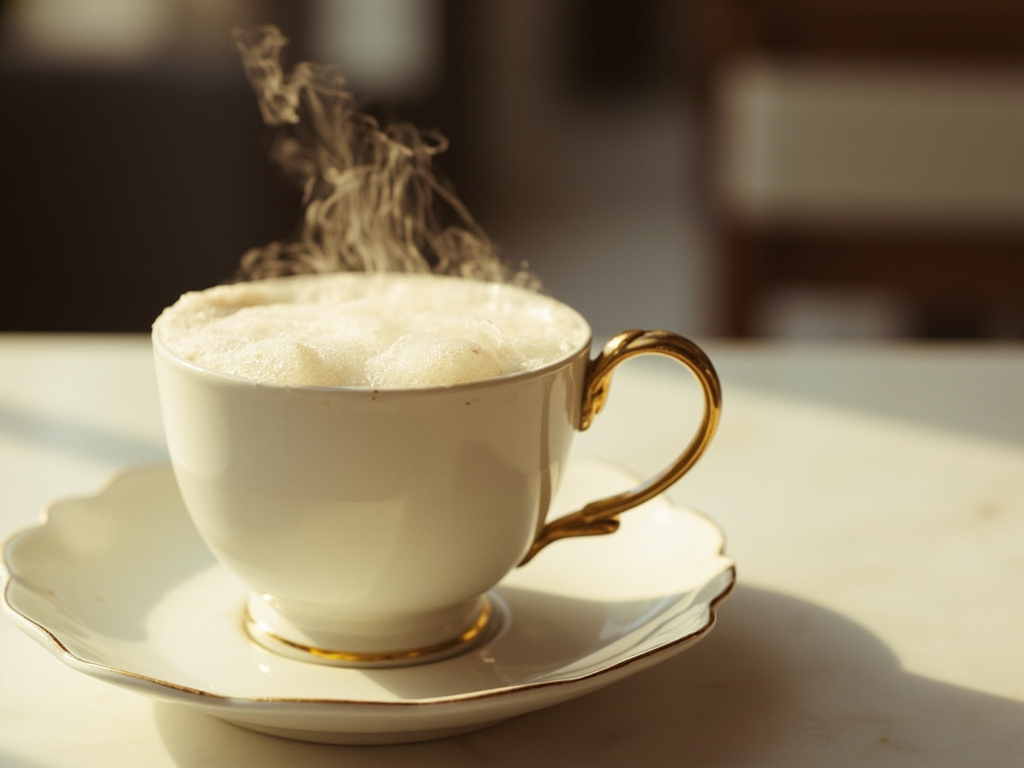
A hot, frothy drink blending light tea infusion, milk, egg yolks and sweet syrup, whisked until foamy. The refined ancestor of our lattes, which warmed the debates of Parisian cafés.
At the café, between two disputes about numbers, I do not disdain a well-hot bavaroise. One beats the milk with an egg yolk and a little syrup, adds a hint of tea, and whisks until foam covers the cup. It is sweetness without intoxication—suitable for those who wish to keep a clear mind for reasoning. I hold the cup in my hands while my colleagues grow heated; it calms me and loosens my thoughts.
- •Milk — one cup per person (body of the drink)
- •Tea — a light infusion (flavour)
- •Egg yolk — one per cup (foamy binder)
- •Sugar syrup (capillaire or ordinary) — to taste (sweetness)
Bavaroise au lait des cafés savants
A hot, frothy drink blending light tea infusion, milk, egg yolks and sweet syrup, whisked until foamy. The refined ancestor of our lattes, which warmed the debates of Parisian cafés.
Why this dish? Mathematicians and academicians of Paris met in cafés—the Procope, the Régence—to discuss science. The bavaroise, a fashionable hot drink made with syrup, tea and beaten milk, was very popular in the 18th century, sweeter than coffee and a companion to long conversations.
At the café, between two disputes about numbers, I do not disdain a well-hot bavaroise. One beats the milk with an egg yolk and a little syrup, adds a hint of tea, and whisks until foam covers the cup. It is sweetness without intoxication—suitable for those who wish to keep a clear mind for reasoning. I hold the cup in my hands while my colleagues grow heated; it calms me and loosens my thoughts.
Ingredients (period version)
- Milk — one cup per person (body of the drink)
- Tea — a light infusion (flavour)
- Egg yolk — one per cup (foamy binder)
- Sugar syrup (capillaire or ordinary) — to taste (sweetness)
Ingredients
- Whole milk — 25 cl per cup (body of the drink)
- Black tea — 1 tsp per 10 cl water (flavour)
- Egg yolk — 1 per cup (foamy binder)
- Sugar — 2 tsp per cup (sweetness)
- Orange flower water — a few drops (optional) (flavour)
Method
- Infuse the tea in a little very hot water, strain.
- Heat the milk without boiling.
- Whisk the egg yolk with the sugar in the cup or a bowl.
- Pour the hot milk and tea over it in a stream, whisking vigorously until frothy.
- Serve immediately, perfumed with a drop of orange flower water if desired.
How it was made : The "bavaroise" is widely described in the 18th century; it was sweetened with capillaire syrup (from maidenhair fern) and sometimes perfumed. It was a social drink in literary and scholarly cafés, halfway between eggnog and tea with milk. Hand-whisking gave it its characteristic foam.
The contemporary twist : Served in a clear glass to see the layers form, christened "the Convergent Sequence"—the foam tends to a limit.
Sources : Menon, La Science du maître d'hôtel confiseur, 1750 · Encyclopédie de Diderot et d'Alembert, article "Bavaroise"
Adrien-Marie Legendre · Charactorium