 flip
flipOrange wine from the Midi
Orange wine from the Midi
Why this dish? Daudet appreciated the wines of the Midi and long apéritifs with friends. Orange wine, a homemade apéritif prepared in early spring with bitter oranges, is part of the Provençal art of living he cherished — the conviviality of the table, the glass shared in the shade.
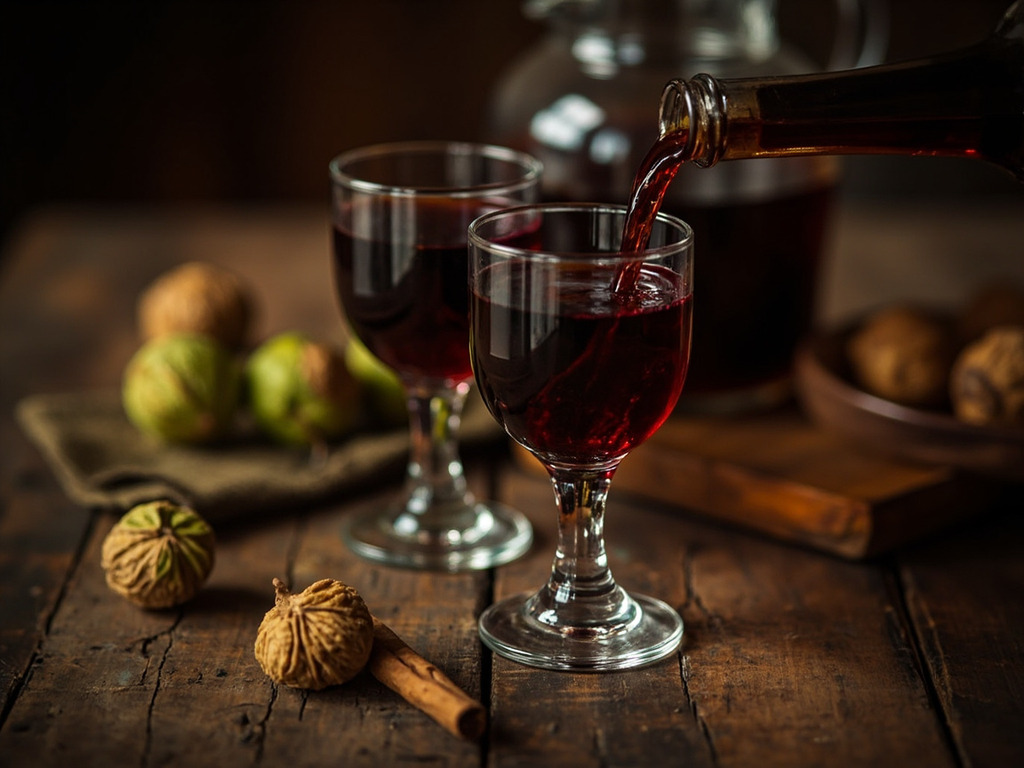
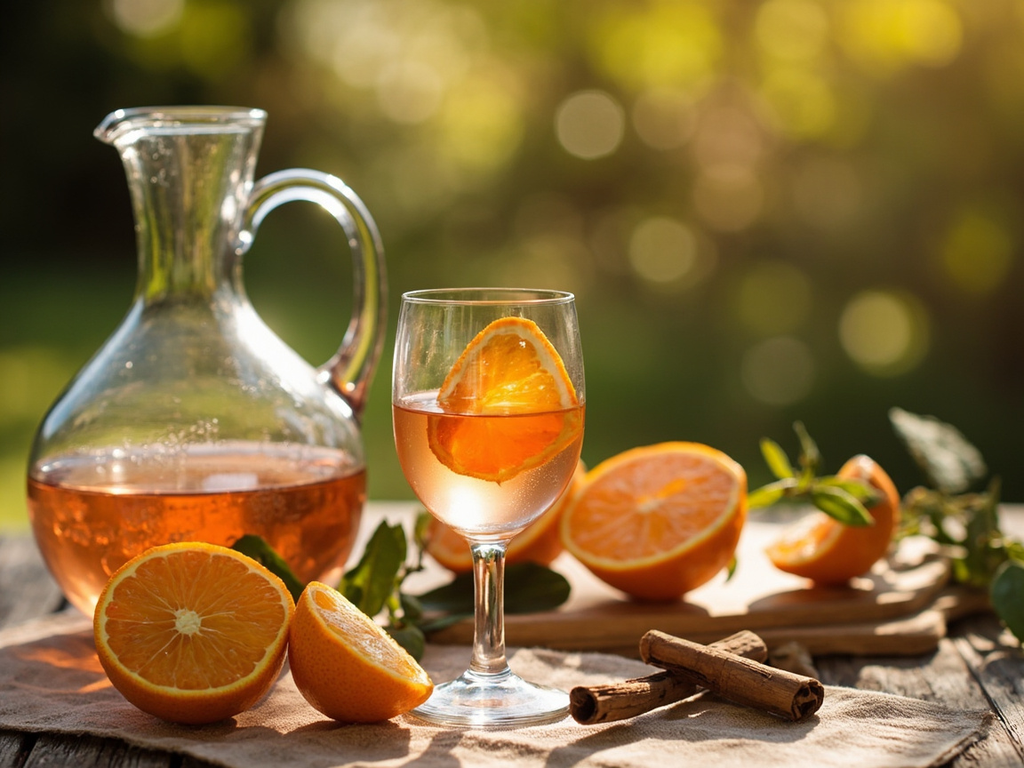
A homemade liqueur wine: rosé wine from the Midi macerated for several weeks with bitter oranges, sugar, and a splash of eau-de-vie. Served chilled as an apéritif, fragrant and slightly bitter.
When the end of winter came and the bitter oranges were ripe, we would set the orange wine to macerate in the large demijohn. Cut bitter oranges, sugar, a drop of eau-de-vie, and the local rosé wine on top: we let time and the sun behind the glass do their work. Six weeks later, at the gentle hour when one relights one's pipe under the arbor, we would pour a small chilled glass for friends. It is bitter and sweet together, like Provence, like the best memories.
- •Rosé wine from the Midi — several liters (base)
- •Bitter oranges (bigarades) — a few, cut (flavor and bitterness)
- •Sugar — in proportion (sweetness)
- •Eau-de-vie — a glass (fortifies and preserves)
Orange wine from the Midi
A homemade liqueur wine: rosé wine from the Midi macerated for several weeks with bitter oranges, sugar, and a splash of eau-de-vie. Served chilled as an apéritif, fragrant and slightly bitter.
Why this dish? Daudet appreciated the wines of the Midi and long apéritifs with friends. Orange wine, a homemade apéritif prepared in early spring with bitter oranges, is part of the Provençal art of living he cherished — the conviviality of the table, the glass shared in the shade.
When the end of winter came and the bitter oranges were ripe, we would set the orange wine to macerate in the large demijohn. Cut bitter oranges, sugar, a drop of eau-de-vie, and the local rosé wine on top: we let time and the sun behind the glass do their work. Six weeks later, at the gentle hour when one relights one's pipe under the arbor, we would pour a small chilled glass for friends. It is bitter and sweet together, like Provence, like the best memories.
Ingredients (period version)
- Rosé wine from the Midi — several liters (base)
- Bitter oranges (bigarades) — a few, cut (flavor and bitterness)
- Sugar — in proportion (sweetness)
- Eau-de-vie — a glass (fortifies and preserves)
Ingredients
- Dry rosé wine (from Provence) — 2 liters (base)
- Bitter oranges (or 3 oranges + 1 lemon) — 4 (flavor and bitterness)
- Sugar — 300 g (sweetness)
- Eau-de-vie or vodka — 25 cl (fortifies and preserves)
- Cinnamon stick — 1 (optional) (sweet spice)
Method
- Wash and cut the oranges (and lemon) into quarters, with the peel.
- In a large jar, combine the wine, eau-de-vie, sugar, fruits, and cinnamon.
- Close and let macerate for 4 to 6 weeks away from light, stirring occasionally.
- Filter through a cloth, bottle.
- Serve well chilled, in a small glass, as an apéritif.
How it was made : Orange wine is a traditional domestic apéritif of Provence, prepared each late winter when bitter oranges arrive. In Daudet's time, every household had its own recipe, passed from mother to daughter, based on local wine and marc eau-de-vie.
The contemporary twist : Serve it over ice with an orange zest and a mint leaf — a Provençal apéritif that already smells of summer.
Alphonse Daudet · Charactorium