 flip
flipVaran-bhaat, the everyday dal and rice
Varan-bhaat, the everyday dal and rice
Why this dish? The daily meal of a queen who lived an ascetic life: a dal of yellow lentils and rice, enlivened with a drizzle of ghee, simple and pure as the Brahmanical vegetarianism she observed at Maheshwar.
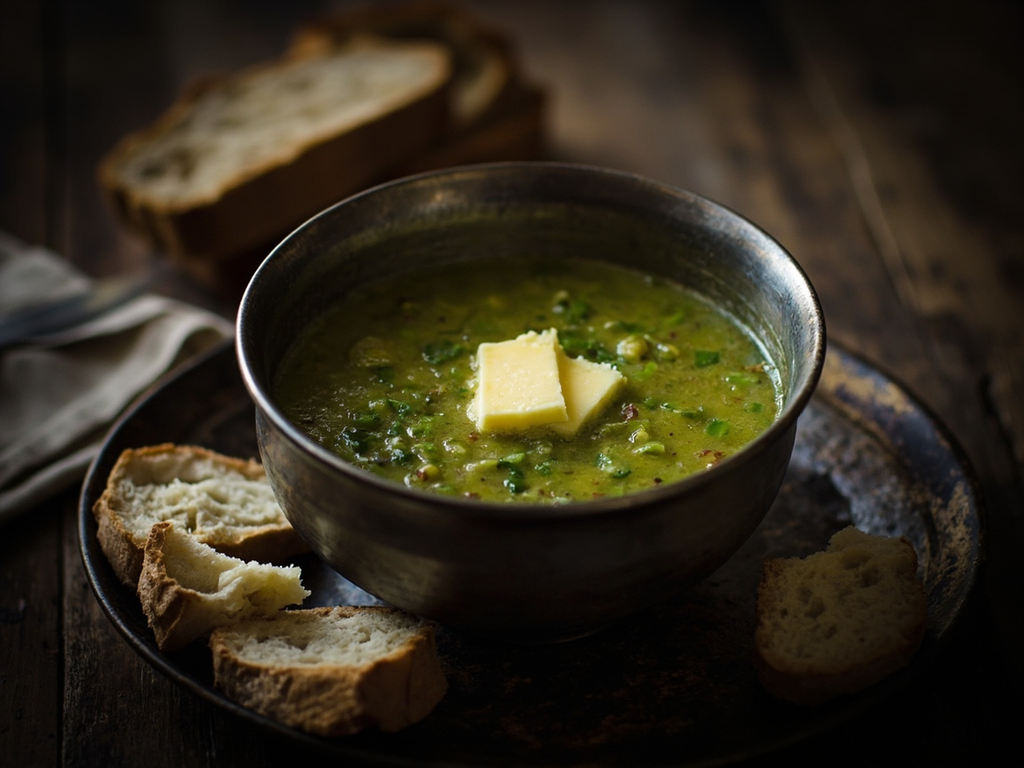
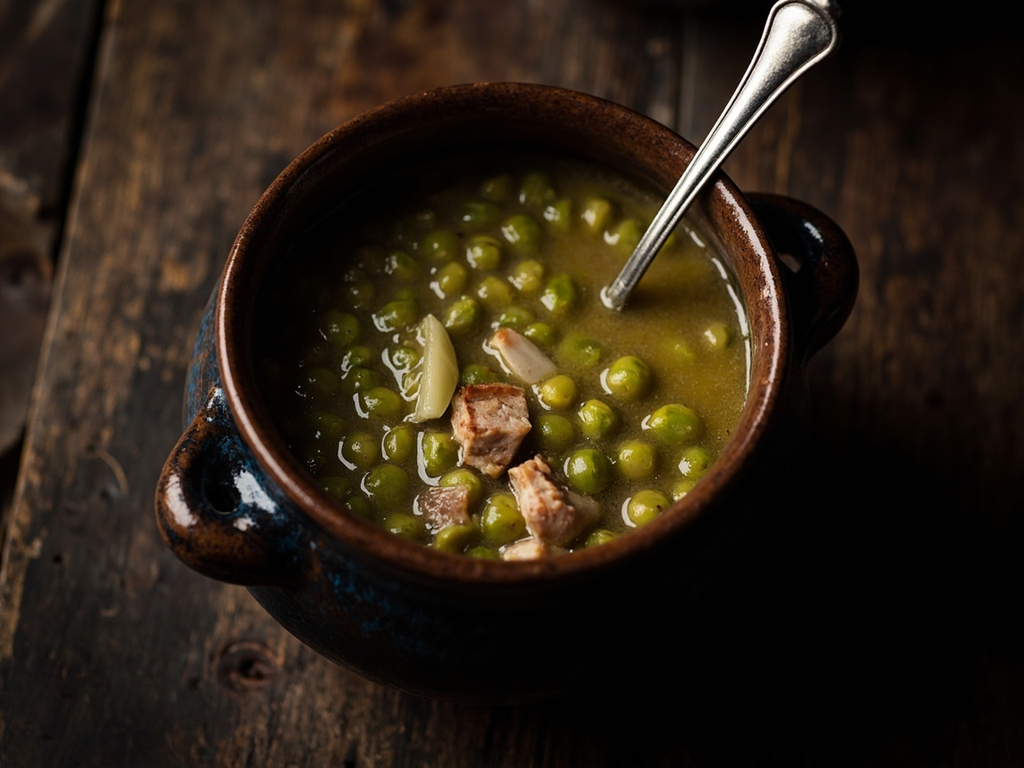
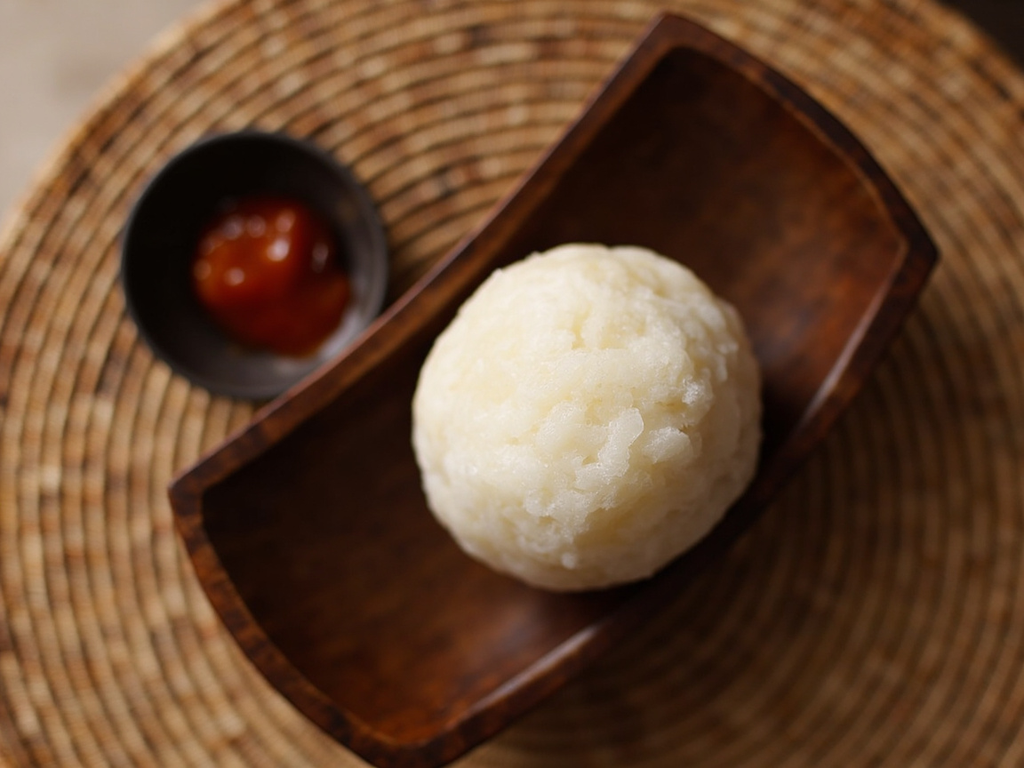
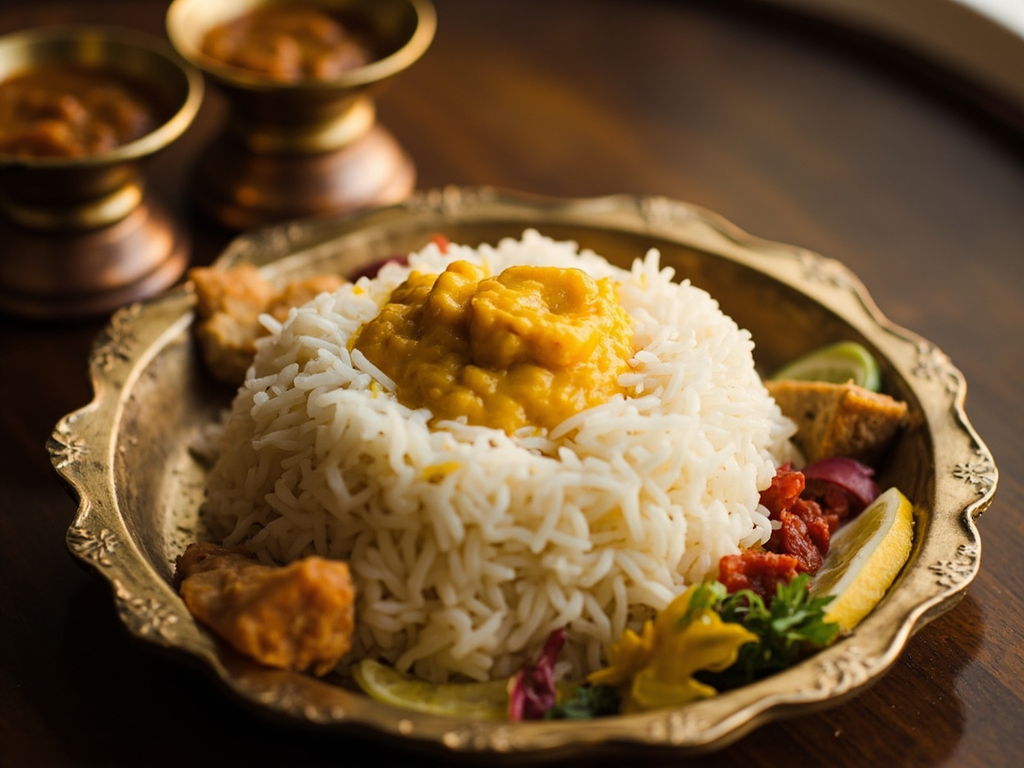
A purée of split pigeon peas (toor dal) with turmeric, barely spiked with asafoetida and cumin, poured over hot white rice and anointed with melted ghee. It is the foundation of every Maratha meal, humble and filling.
May Shri Shankar bless you, traveler. See what I am served each day: a little rice, a little dal, a tear of golden tup, and nothing more, for a throne does not exempt one from sobriety. My cook melts the hing in hot butter before drowning the lentils — it is that fragrant breath which awakens the dish. Eat it warm, with your fingertips, first thanking the Narmada that nourishes our lands.
- •Toor dal (tuvar dal) — a full bowl (protein base)
- •White rice — two bowls (staple starch)
- •Fresh turmeric, pounded — a pinch (color and mild warmth)
- •Asafoetida (hing) — a grain (aromatic digestive)
- •Cumin — a pinch (tempering)
- •Ghee (tup) — as desired (binder and finish)
- •Salt — to taste (seasoning)
Varan-bhaat, the everyday dal and rice
A purée of split pigeon peas (toor dal) with turmeric, barely spiked with asafoetida and cumin, poured over hot white rice and anointed with melted ghee. It is the foundation of every Maratha meal, humble and filling.
Why this dish? The daily meal of a queen who lived an ascetic life: a dal of yellow lentils and rice, enlivened with a drizzle of ghee, simple and pure as the Brahmanical vegetarianism she observed at Maheshwar.
May Shri Shankar bless you, traveler. See what I am served each day: a little rice, a little dal, a tear of golden tup, and nothing more, for a throne does not exempt one from sobriety. My cook melts the hing in hot butter before drowning the lentils — it is that fragrant breath which awakens the dish. Eat it warm, with your fingertips, first thanking the Narmada that nourishes our lands.
Ingredients (period version)
- Toor dal (tuvar dal) — a full bowl (protein base)
- White rice — two bowls (staple starch)
- Fresh turmeric, pounded — a pinch (color and mild warmth)
- Asafoetida (hing) — a grain (aromatic digestive)
- Cumin — a pinch (tempering)
- Ghee (tup) — as desired (binder and finish)
- Salt — to taste (seasoning)
Ingredients
- Toor dal (or yellow split peas) — 200 g (protein base)
- Basmati rice — 300 g (staple starch)
- Turmeric powder — 1/2 tsp (color)
- Asafoetida (hing) — 1 pinch (aromatic digestive)
- Cumin seeds — 1 tsp (tempering)
- Ghee — 2 tbsp (binder and finish)
- Salt — 1 tsp (seasoning)
Method
- Rinse the lentils and cook in 3 times their volume of water with turmeric until they break down (30 min).
- Whisk the lentils to a smooth purée, season with salt.
- Heat ghee, add cumin and asafoetida; when they crackle, pour this tempering over the dal.
- Cook the rice in water, drain.
- Mound the rice, make a well, pour hot dal into it and finish with a drizzle of ghee.
How it was made : Varan-bhaat has been the quintessential Maratha meal for centuries: few spices, much ritual purity. In a Brahmin court kitchen, the tempering (phodni) with ghee and hing replaced onion and garlic, considered 'rajasic' and thus avoided by devotees.
The contemporary twist : A leaf of edible gold placed on the rice mound, a nod to the brass of the royal Indore thalis.
Ahilyabai Holkar · Charactorium