 flip
flipOrinoco Casabe (Cassava Flatbread)
Orinoco Casabe (Cassava Flatbread)
Why this dish? During the ascent of the Orinoco with Humboldt (1800), Bonpland lived on the food of riverside villages. Casabe, a cassava flatbread that keeps for weeks, was the expedition's daily bread where wheat did not exist.
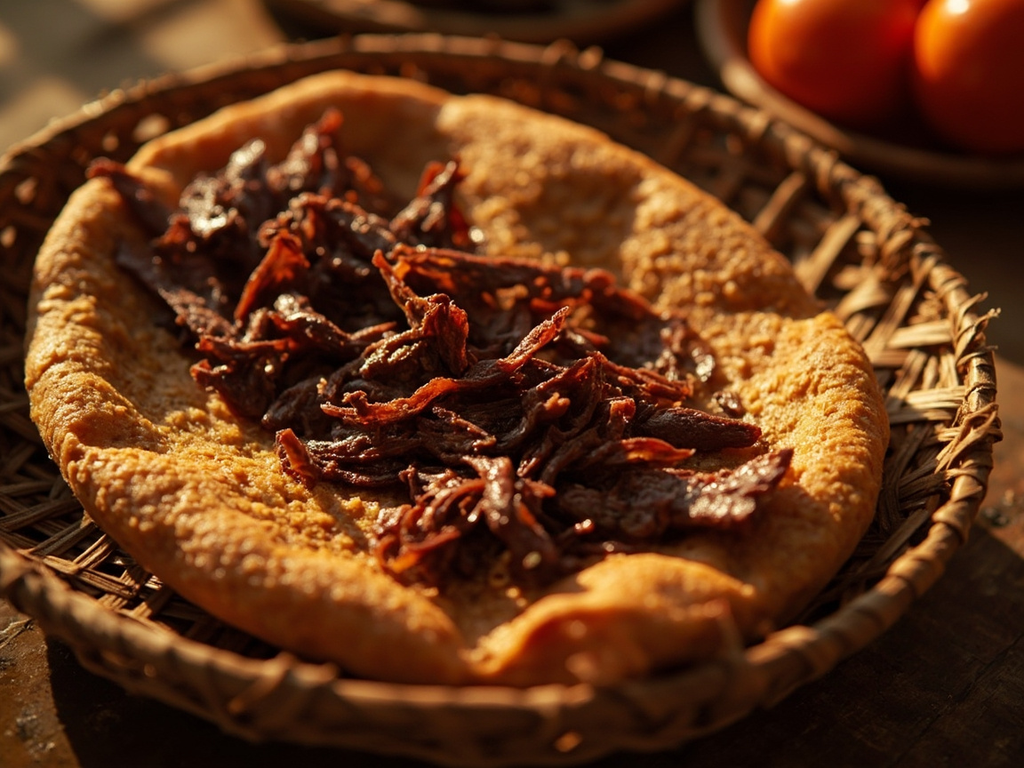
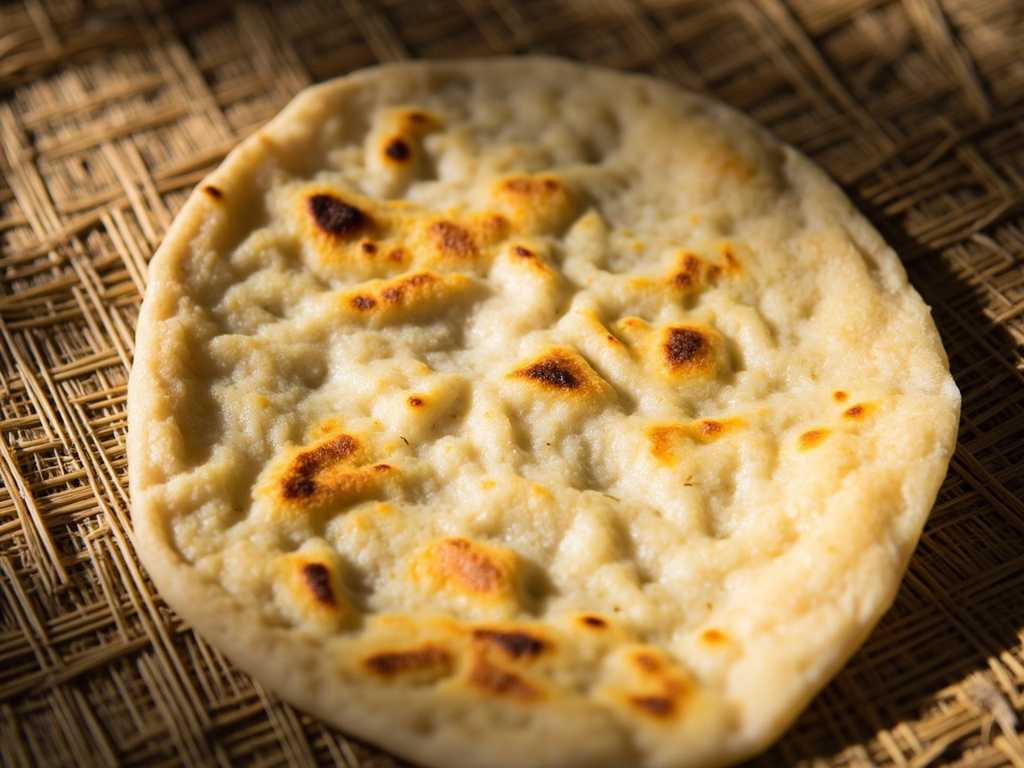
A large, thin, crispy flatbread made from grated bitter cassava, pressed to extract the toxic juice, then cooked on a hot griddle. Unleavened, almost tasteless, it keeps for a long time and is dipped into broths: the ideal traveler's bread in the tropics.
When we were ascending the Orinoco, Mr. von Humboldt and I, there was no wheat nor oven for more than a hundred leagues. The Indians taught us casabe: they grate this cassava root which contains, beware, a poisonous juice that must be thoroughly pressed out in a wicker press before cooking. Then they spread the moist flour on a hot griddle, and out comes a dry flatbread that keeps for entire weeks in the greatest heat — I have kept it in my baggage with my herbaria, and it never betrayed me.
- •Grated and pressed bitter cassava roots — as much as needed (base flour)
- •Water — a little (to bind the dough)
Orinoco Casabe (Cassava Flatbread)
A large, thin, crispy flatbread made from grated bitter cassava, pressed to extract the toxic juice, then cooked on a hot griddle. Unleavened, almost tasteless, it keeps for a long time and is dipped into broths: the ideal traveler's bread in the tropics.
Why this dish? During the ascent of the Orinoco with Humboldt (1800), Bonpland lived on the food of riverside villages. Casabe, a cassava flatbread that keeps for weeks, was the expedition's daily bread where wheat did not exist.
When we were ascending the Orinoco, Mr. von Humboldt and I, there was no wheat nor oven for more than a hundred leagues. The Indians taught us casabe: they grate this cassava root which contains, beware, a poisonous juice that must be thoroughly pressed out in a wicker press before cooking. Then they spread the moist flour on a hot griddle, and out comes a dry flatbread that keeps for entire weeks in the greatest heat — I have kept it in my baggage with my herbaria, and it never betrayed me.
Ingredients (period version)
- Grated and pressed bitter cassava roots — as much as needed (base flour)
- Water — a little (to bind the dough)
Ingredients
- Cassava flour / tapioca flour (from sweet cassava, safe) — 250 g (base)
- Water — 80-100 ml (moisten the flour)
- Salt — 1 pinch (seasoning (optional))
Method
- Moisten the cassava flour with a little salted water until you get a coarse semolina that clumps in your hand without sticking.
- Pass the semolina through a wide sieve to aerate it and remove lumps.
- Heat a dry pan or griddle over medium heat.
- Spread a thin, even layer of semolina in a disc, pressing lightly: the heat fuses it into a flatbread.
- Cook 3-4 minutes per side until it holds together and browns, then flip carefully.
- Let it dry and cool flat: it becomes crispy and keeps for several days.
How it was made : Bitter cassava contains cyanogenic compounds; Amerindian peoples developed a sophisticated process (grating, pressing in a wicker tube called a sebucán, cooking) to make it edible. Humboldt described casabe in his travel account as the staple food of the Orinoco populations.
The contemporary twist : Serve it 'tostada' style, rubbed with garlic and drizzled with oil, to break over grilled fish.
Aimé Bonpland · Charactorium