 flip
flipLes fèves du matin à l'égyptienne, inspirées du ful baladi
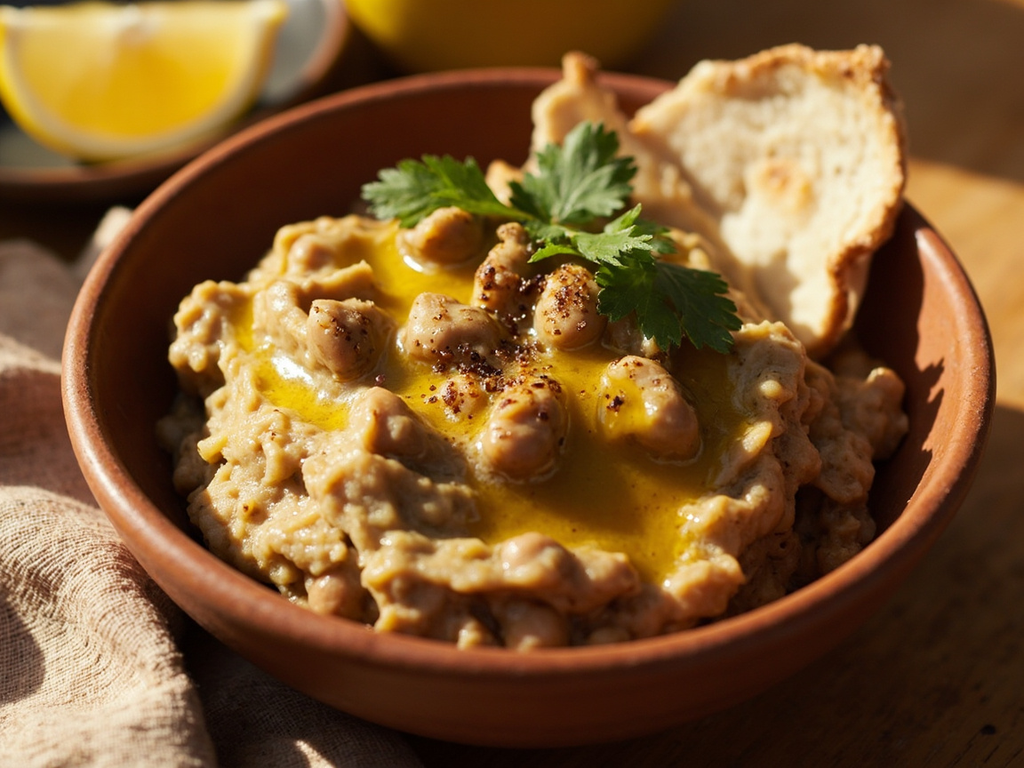
Les fèves du matin à l'égyptienne, inspirées du ful baladi
Why this dish? In 1828-1829, Champollion finally sailed up the Nile of his dreams, from the temples of Thebes to the Valley of the Kings. Far from French kitchens, he shared the country's food: the fava bean, the millennial staple of the Egyptian diet that he saw cultivated along the river as in the time of the pharaohs he studied. This dish is a tribute to that journey which crowned his life.
Long-simmered fava beans, mashed and seasoned with oil, garlic, cumin, and lemon juice. Egypt's popular breakfast, eaten with flatbread. A dish "inspired by" the living tradition of ful, out of respect for a cuisine still served today.
Imagine: I ate these very beans at the foot of the colossi I came to read! The men of the river let them cook all night in a jar by the fire, then mash them in the morning with a little oil, garlic, and that cumin powder whose smell follows me everywhere. You squeeze a lemon, scoop it all up in flatbread, and breakfast squatting facing the Nile. Just think: the ancient Egyptians, my Egyptians, already ate the fava bean — I believe I am chewing four thousand years of history!
- •Dried fava beans (Egyptian beans) — a jarful (millennial nourishing base)
- •Oil (olive or sesame) — a good drizzle (binder and richness)
- •Garlic — a few cloves (aromatic)
- •Ground cumin — a generous pinch (signature spice of the dish)
- •Lemon — one (acidic brightness)
- •Salt — to taste (seasoning)
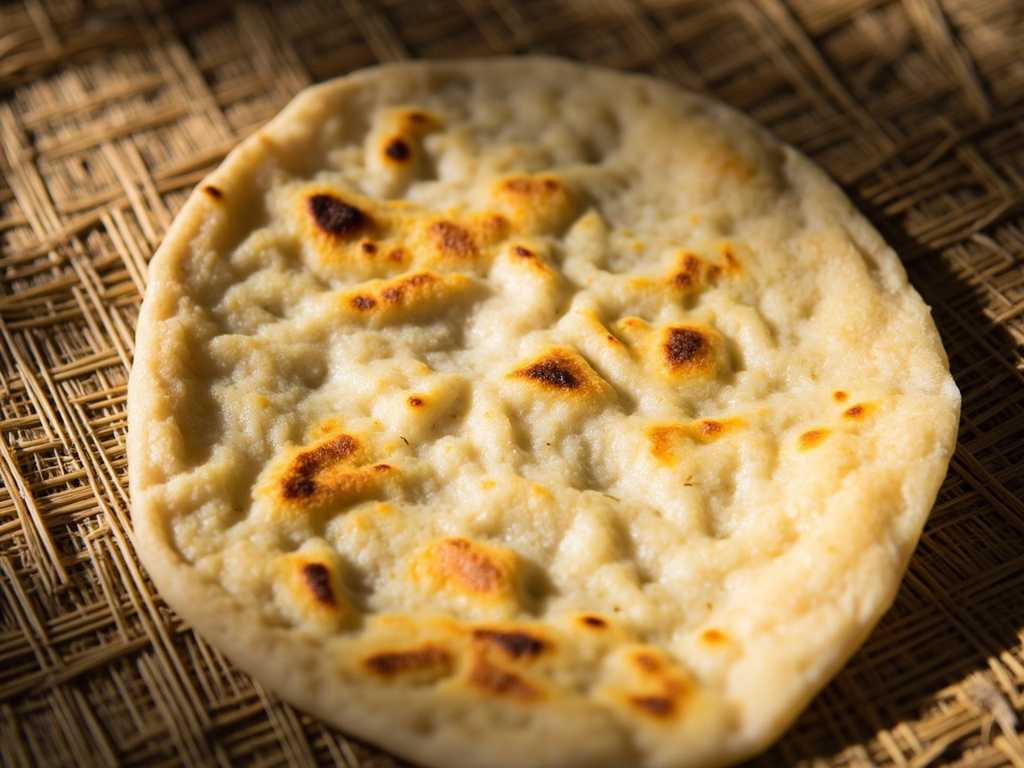
- •Flatbread — as much as needed (edible utensil)
Les fèves du matin à l'égyptienne, inspirées du ful baladi
Long-simmered fava beans, mashed and seasoned with oil, garlic, cumin, and lemon juice. Egypt's popular breakfast, eaten with flatbread. A dish "inspired by" the living tradition of ful, out of respect for a cuisine still served today.
Why this dish? In 1828-1829, Champollion finally sailed up the Nile of his dreams, from the temples of Thebes to the Valley of the Kings. Far from French kitchens, he shared the country's food: the fava bean, the millennial staple of the Egyptian diet that he saw cultivated along the river as in the time of the pharaohs he studied. This dish is a tribute to that journey which crowned his life.
Imagine: I ate these very beans at the foot of the colossi I came to read! The men of the river let them cook all night in a jar by the fire, then mash them in the morning with a little oil, garlic, and that cumin powder whose smell follows me everywhere. You squeeze a lemon, scoop it all up in flatbread, and breakfast squatting facing the Nile. Just think: the ancient Egyptians, my Egyptians, already ate the fava bean — I believe I am chewing four thousand years of history!
Ingredients (period version)
- Dried fava beans (Egyptian beans) — a jarful (millennial nourishing base)
- Oil (olive or sesame) — a good drizzle (binder and richness)
- Garlic — a few cloves (aromatic)
- Ground cumin — a generous pinch (signature spice of the dish)
- Lemon — one (acidic brightness)
- Salt — to taste (seasoning)
- Flatbread — as much as needed (edible utensil)
Ingredients
- Dried split fava beans (ful) — 250 g (soaked overnight) (base)
- Olive oil — 4 tbsp (binder)
- Garlic — 3 cloves, crushed (aromatic)
- Ground cumin — 1 tsp (signature spice)
- Lemon — 1 (juice) (acidity)
- Salt — to taste (seasoning)
- Pita or flatbread — for serving (support)
- Flat-leaf parsley — a few sprigs (optional) (freshness)
Method
- Soak the fava beans overnight in cold water.
- Drain, cover with fresh water, and cook over very low heat for 1 1/2 to 2 hours until tender.
- Roughly mash with a fork, keeping some texture.
- Add crushed garlic, cumin, salt, olive oil, and lemon juice; mix well.
- Adjust seasoning, sprinkle with parsley, and drizzle with a final splash of oil.
- Serve warm with flatbread for scooping.
How it was made : Ful (stewed fava beans) is one of the oldest and most universal dishes of Egypt, attested since antiquity and still a pillar of the popular breakfast. It was cooked slowly in a narrow-necked pot, the qedra, left on the embers all night. The fava bean, an Old World legume, is without anachronism for ancient Egypt as for Champollion's journey.
The contemporary twist : Shape the beans into a quenelle, make a well, pour in the cumin oil, and plant a shard of grilled bread shaped like an obelisk.
Champollion · Charactorium