 flip
flipCaudière of the Opal Coast
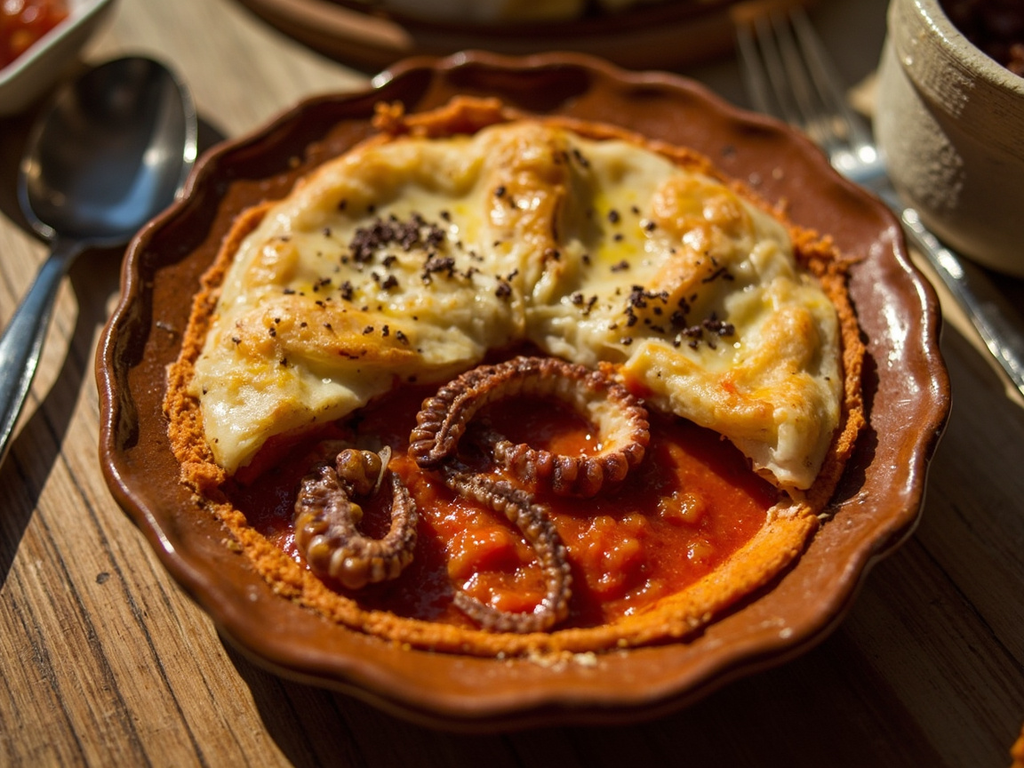
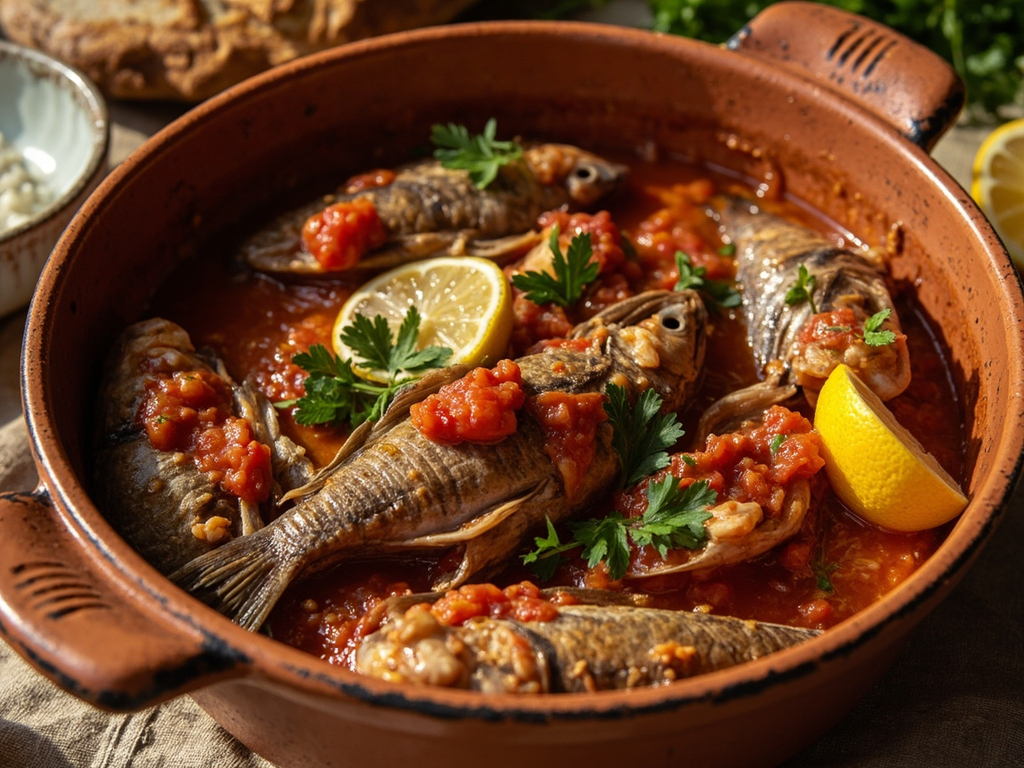
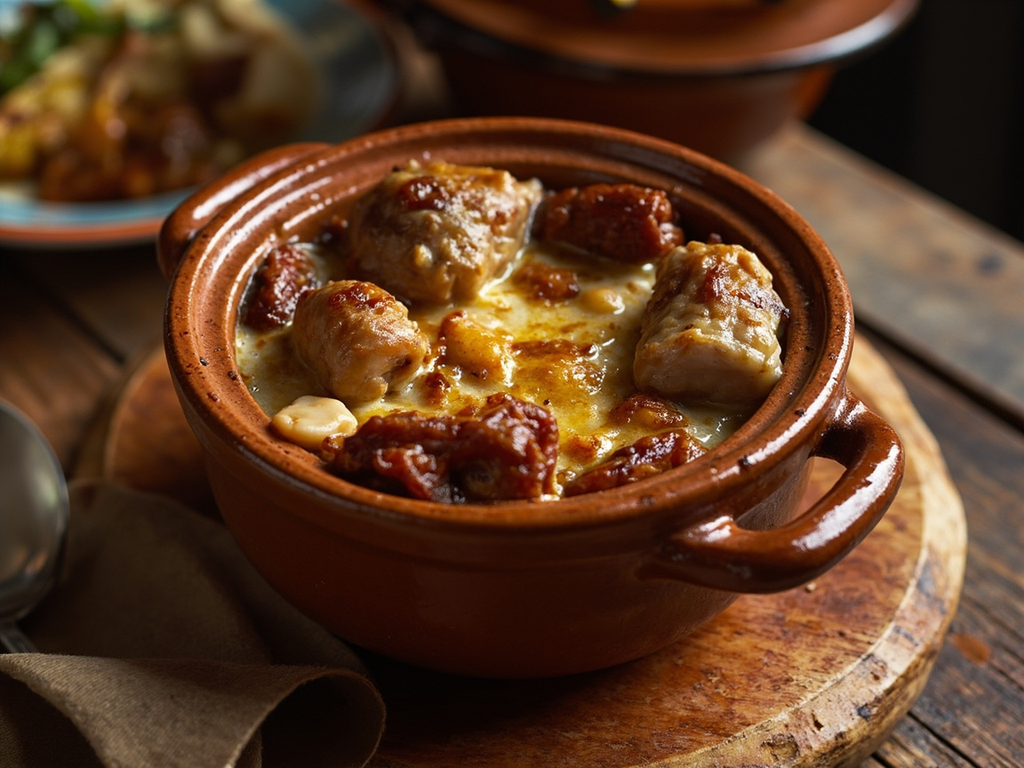
Caudière of the Opal Coast
Why this dish? Bombard spent his life as a doctor in Boulogne-sur-Mer, France's top fishing port, where he studied the sea. The caudière (or caudrée), a large fish soup from the Boulonnais fishermen, is the convivial dish of his adopted homeland — the warm, filling counterpart to his solitary ration.
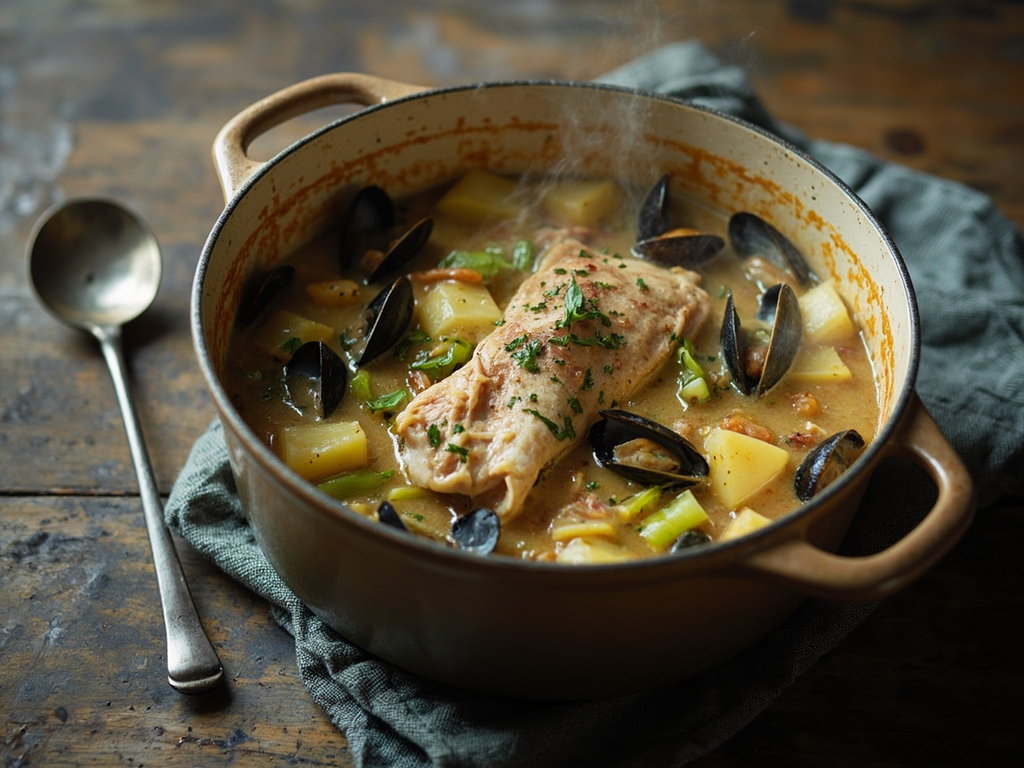
A generous pot of Channel fish and mussels, simmered with leeks and potatoes, bound with a little cream. The dish placed in the middle of the table for everyone to dip into — the simple celebration of seafaring folk.
When you come back from the open sea, believe me, you no longer dream of seawater but of a good steaming pot. In Boulogne, my fisherman friends threw whatever the net had given into the cauldron — conger, mackerel, a few mussels — with leeks and potatoes from the garden. We let it all sing on the fire, bound it with a cloud of cream, and ate together with big ladles. That too is the sea: not only the ordeal, but the table shared upon return.
- •Channel fish (conger, mackerel, whiting) — what the boat brings back (base)
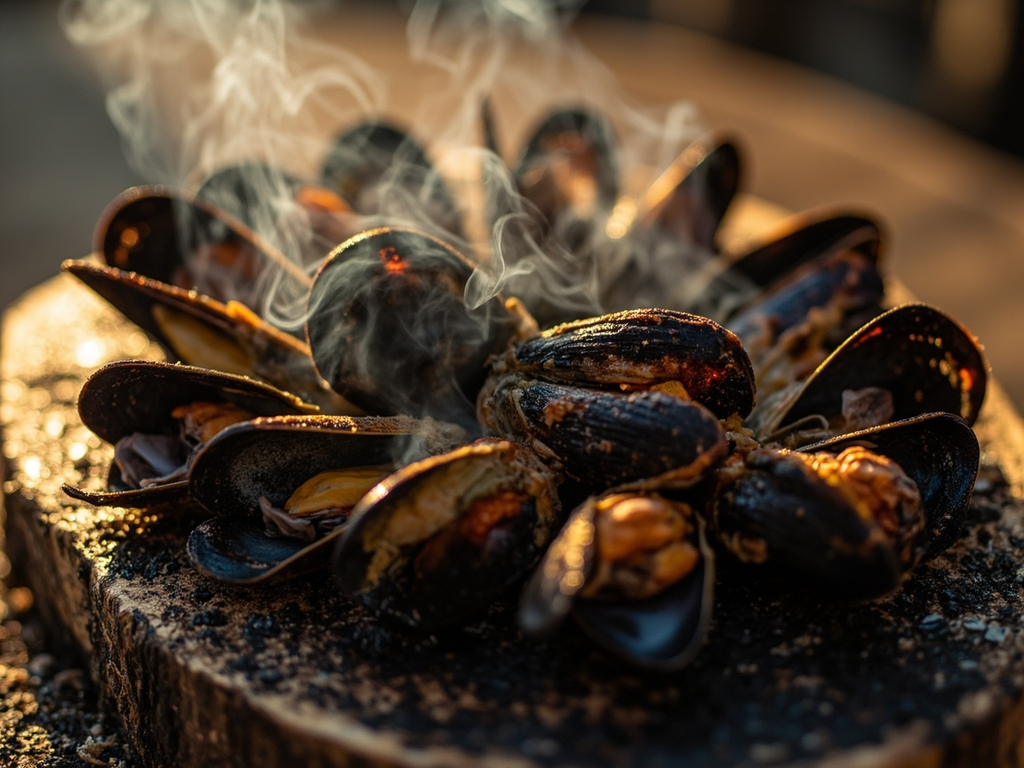
- •Moules de bouchot (mussels) — a good handful per person (iodized garnish)
- •Leeks and onions — equal parts (aromatics)
- •Potatoes — according to appetite (starch)
- •Cream and butter — by the ladle (binder)
Caudière of the Opal Coast
A generous pot of Channel fish and mussels, simmered with leeks and potatoes, bound with a little cream. The dish placed in the middle of the table for everyone to dip into — the simple celebration of seafaring folk.
Why this dish? Bombard spent his life as a doctor in Boulogne-sur-Mer, France's top fishing port, where he studied the sea. The caudière (or caudrée), a large fish soup from the Boulonnais fishermen, is the convivial dish of his adopted homeland — the warm, filling counterpart to his solitary ration.
When you come back from the open sea, believe me, you no longer dream of seawater but of a good steaming pot. In Boulogne, my fisherman friends threw whatever the net had given into the cauldron — conger, mackerel, a few mussels — with leeks and potatoes from the garden. We let it all sing on the fire, bound it with a cloud of cream, and ate together with big ladles. That too is the sea: not only the ordeal, but the table shared upon return.
Ingredients (period version)
- Channel fish (conger, mackerel, whiting) — what the boat brings back (base)
- Moules de bouchot (mussels) — a good handful per person (iodized garnish)
- Leeks and onions — equal parts (aromatics)
- Potatoes — according to appetite (starch)
- Cream and butter — by the ladle (binder)
Ingredients
- Mixed white and blue fish fillets (whiting, pollock, mackerel) — 600 g (base)
- Cleaned mussels — 500 g (garnish)
- Sliced leeks — 2 (aromatic)
- Onion — 1 (aromatic)
- Firm potatoes — 500 g (starch)
- Crème fraîche — 15 cl (binder)
- Butter and bouquet garni — 30 g + 1 (aromatic)
Method
- Open the mussels over high heat with a little water; shell half of them and strain the cooking liquid.
- In a large pot, sweat leeks and onion in butter without browning.
- Add the potatoes in pieces, the strained mussel liquid, and enough water to cover; season lightly with salt, add pepper, and cook for 15 minutes.
- Place the fish fillets on top and poach gently for 6 to 8 minutes without stirring too much.
- Off the heat, add the mussels and bind with cream; adjust seasoning and serve very hot, by the ladle.
How it was made : The caudière/caudrée is the Boulonnais cousin of bouillabaisse: a sailor's soup made from unsold catch and small fish, once cooked in seawater, on the boat or upon return. The potato, introduced to the North in the 18th century, has long been at home there.
The contemporary twist : Serve each portion in a shallow bowl, fish placed on the vegetables and creamy broth poured in front of the guest, bistro-style — with a garlic-rubbed crouton on the side.
Alain Bombard · Charactorium