 flip
flipCalentica (Algiers Chickpea Galette)
Calentica (Algiers Chickpea Galette)
Why this dish? Calentica was the snack of schoolchildren and workers in Belcourt and Bab-el-Oued: a hot slice dusted with cumin and pepper, bought for a few coins from the street vendor. Camus, a poor kid from the streets of Algiers, grew up in that smell of roasted chickpeas.
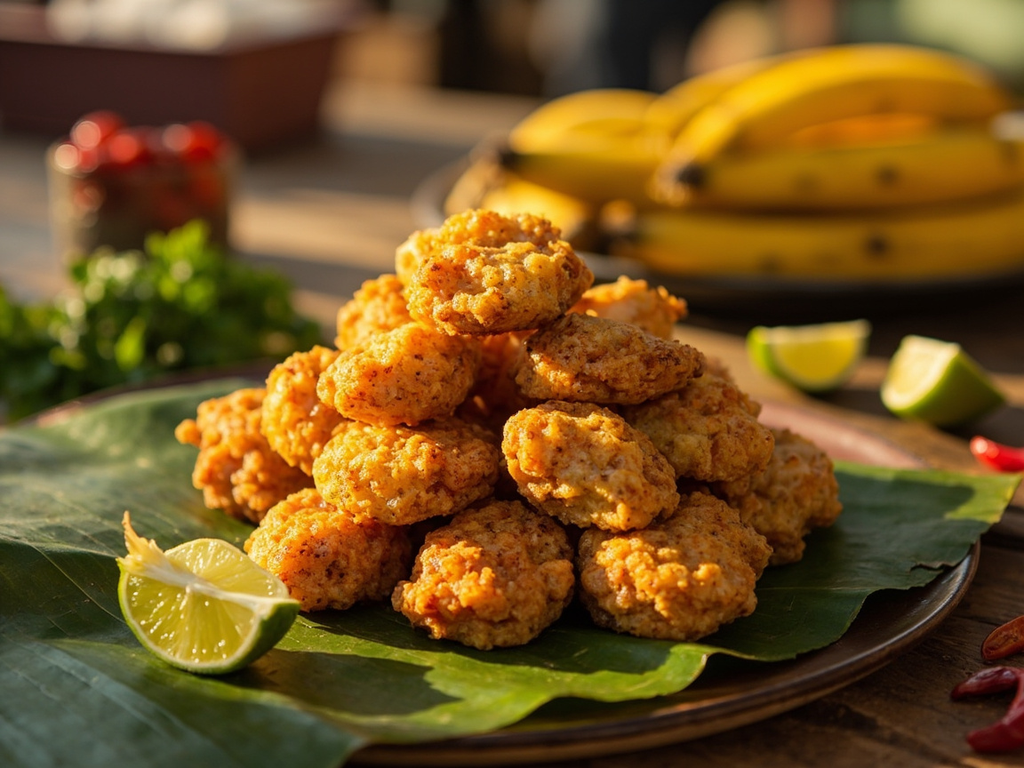
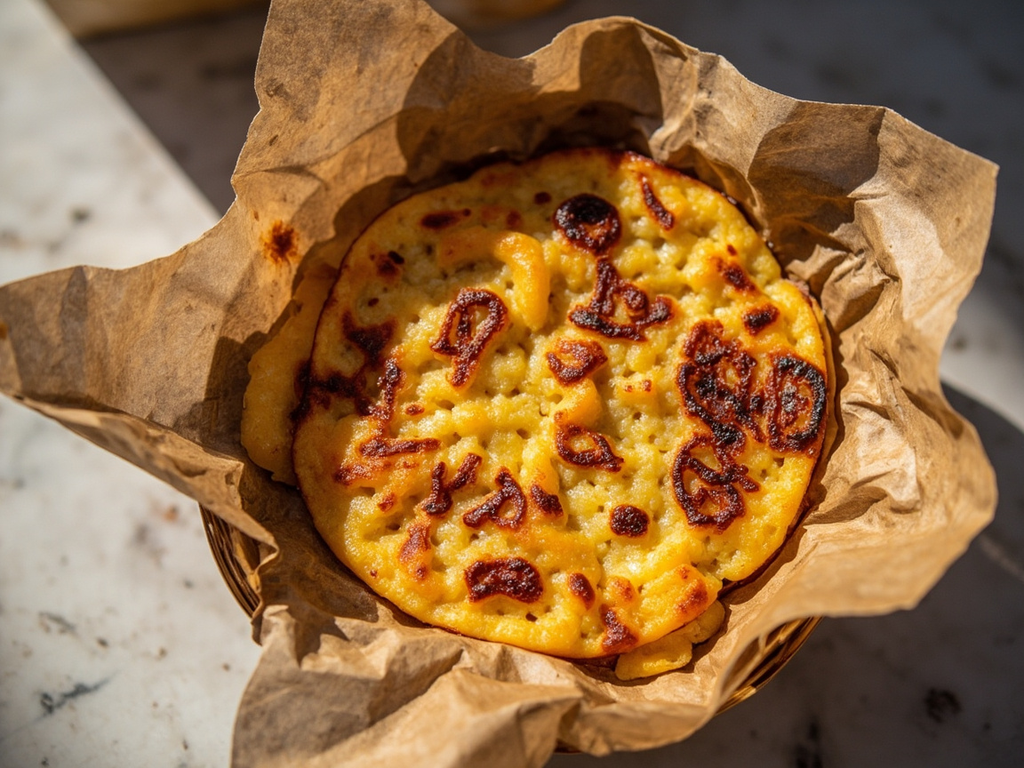
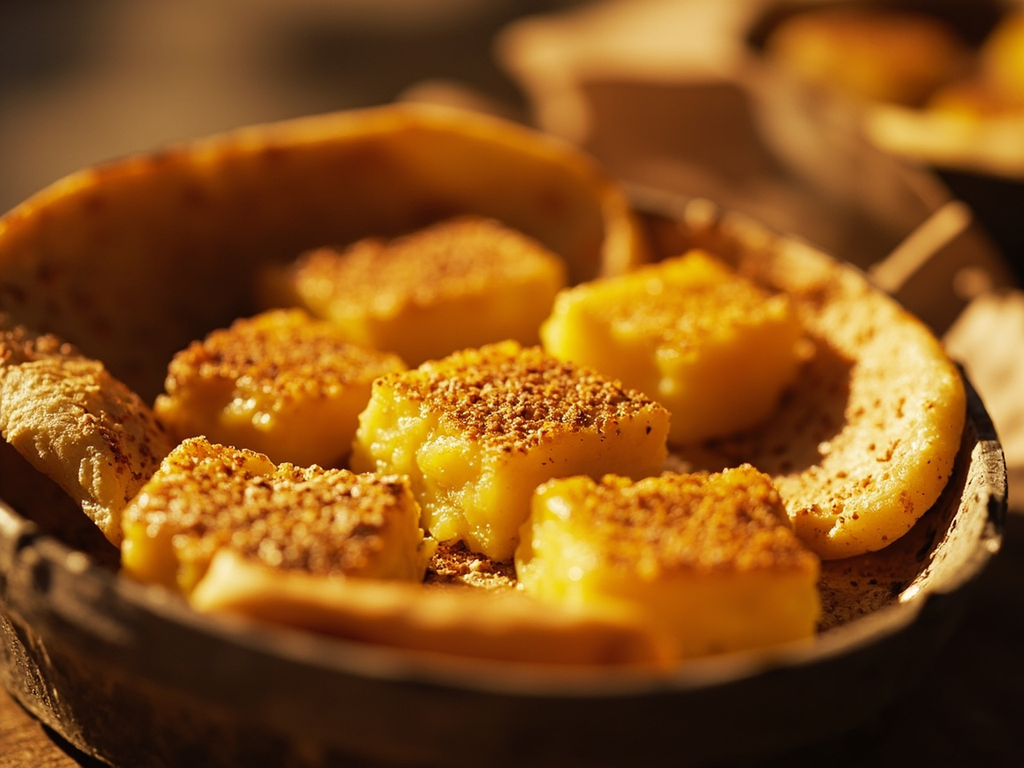
A golden flan of chickpea flour, crispy on top and creamy inside, baked and served piping hot between two pieces of bread, spiced with cumin and pepper.
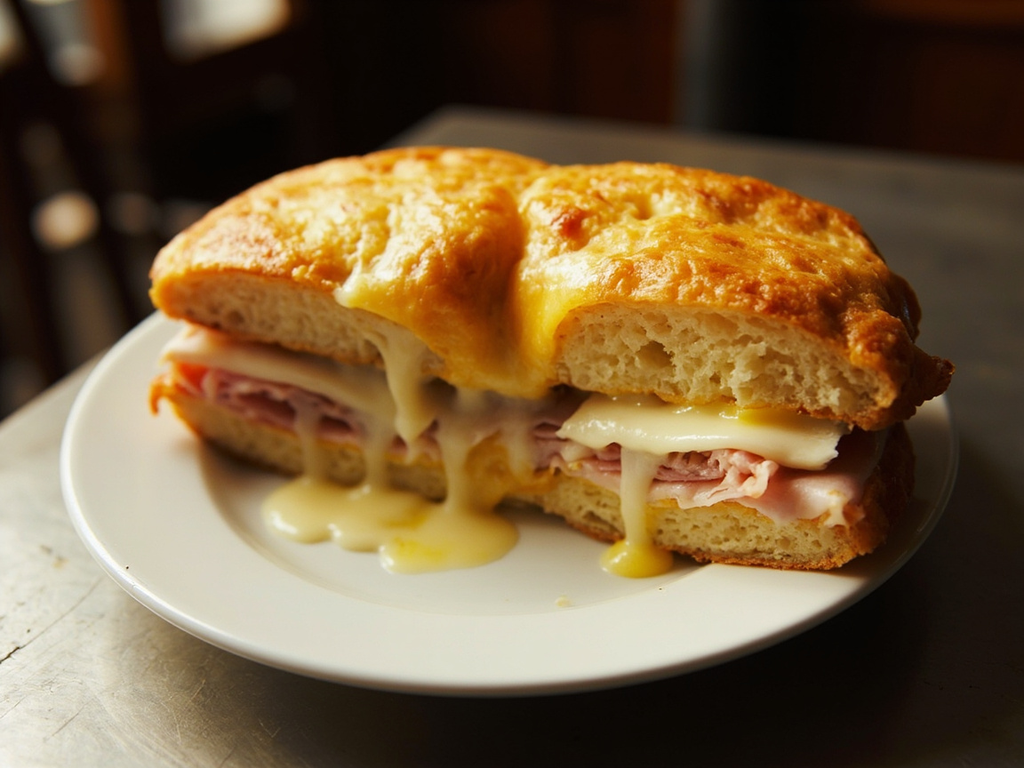
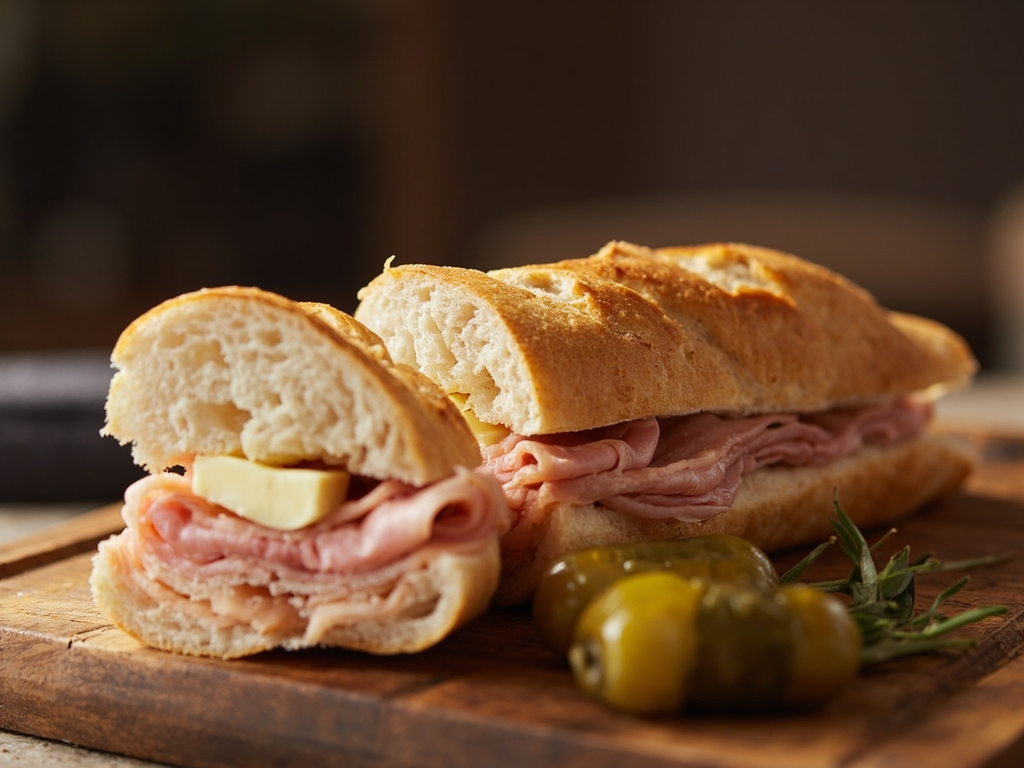
Leave school with an empty stomach and follow your nose: at the street corner, the vendor cuts his steaming calentica right from the tray. You hand over your small change, he wedges it into a hunk of bread and shouts at you to blow on it before biting. Cumin stings your nose, it's hot, it's yellow like the midday sun, and for a Belcourt child who has nothing, it's a true king's meal. I've never found that taste anywhere else, the taste of hunger satisfied in an Algiers street.
- •Chickpea flour — one measure (base)
- •Water — three measures (liquid)
- •Olive oil — a drizzle (fat, signature)
- •Cumin — to taste (street aroma)
- •Salt, pepper — to taste (seasoning)
Calentica (Algiers Chickpea Galette)
A golden flan of chickpea flour, crispy on top and creamy inside, baked and served piping hot between two pieces of bread, spiced with cumin and pepper.
Why this dish? Calentica was the snack of schoolchildren and workers in Belcourt and Bab-el-Oued: a hot slice dusted with cumin and pepper, bought for a few coins from the street vendor. Camus, a poor kid from the streets of Algiers, grew up in that smell of roasted chickpeas.
Leave school with an empty stomach and follow your nose: at the street corner, the vendor cuts his steaming calentica right from the tray. You hand over your small change, he wedges it into a hunk of bread and shouts at you to blow on it before biting. Cumin stings your nose, it's hot, it's yellow like the midday sun, and for a Belcourt child who has nothing, it's a true king's meal. I've never found that taste anywhere else, the taste of hunger satisfied in an Algiers street.
Ingredients (period version)
- Chickpea flour — one measure (base)
- Water — three measures (liquid)
- Olive oil — a drizzle (fat, signature)
- Cumin — to taste (street aroma)
- Salt, pepper — to taste (seasoning)
Ingredients
- Chickpea flour — 250 g (base)
- Water — 750 ml (liquid)
- Olive oil — 4 tbsp (fat, signature)
- Ground cumin — 1 tsp + for sprinkling (street aroma)
- Salt — 1 tsp (seasoning)
- Pepper — to taste (seasoning)
Method
- Whisk chickpea flour into cold water to avoid lumps. Let rest 30 min.
- Add salt, cumin, and olive oil. Mix well.
- Pour into an oiled dish to a thickness of 2–3 cm. Bake at 200°C for about 45 min, until top is golden and cracked.
- Let cool 5 min, sprinkle with cumin and pepper.
- Cut into squares and serve hot, slipped into a piece of bread.
How it was made : Inherited from the Mediterranean chickpea flour cuisine (Niçoise panisse, Sicilian panelle, Gibraltarian calentita), calentica was baked in large trays carried from oven to oven by Algiers street vendors, who sold it by the slice in the street.
The contemporary twist : Cut into thick fries and pan-fried, it becomes a crispy vegan appetizer to dip in a lemon cream—Algiers street food revisited.
Sources : Culinary traditions of Algiers (calentica / karantika) · History of chickpea flour cuisines in the Western Mediterranean
Albert Camus · Charactorium