 flip
flipSweet Billy Tea
Sweet Billy Tea
Why this dish? Billy tea — tea boiled in a tin can over a campfire — was the essential daily ritual of life in the Australian bush. For Namatjira, every painting session in the MacDonnell Ranges began and ended with a billy of very sweet black tea, shared with his traveling companions.
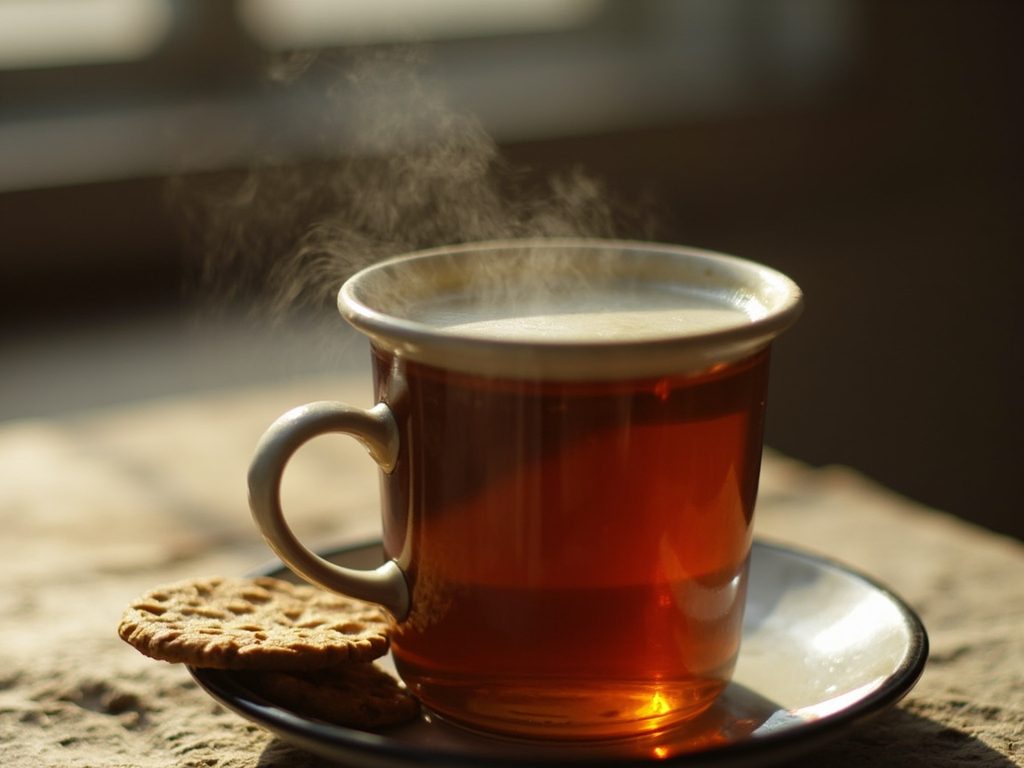
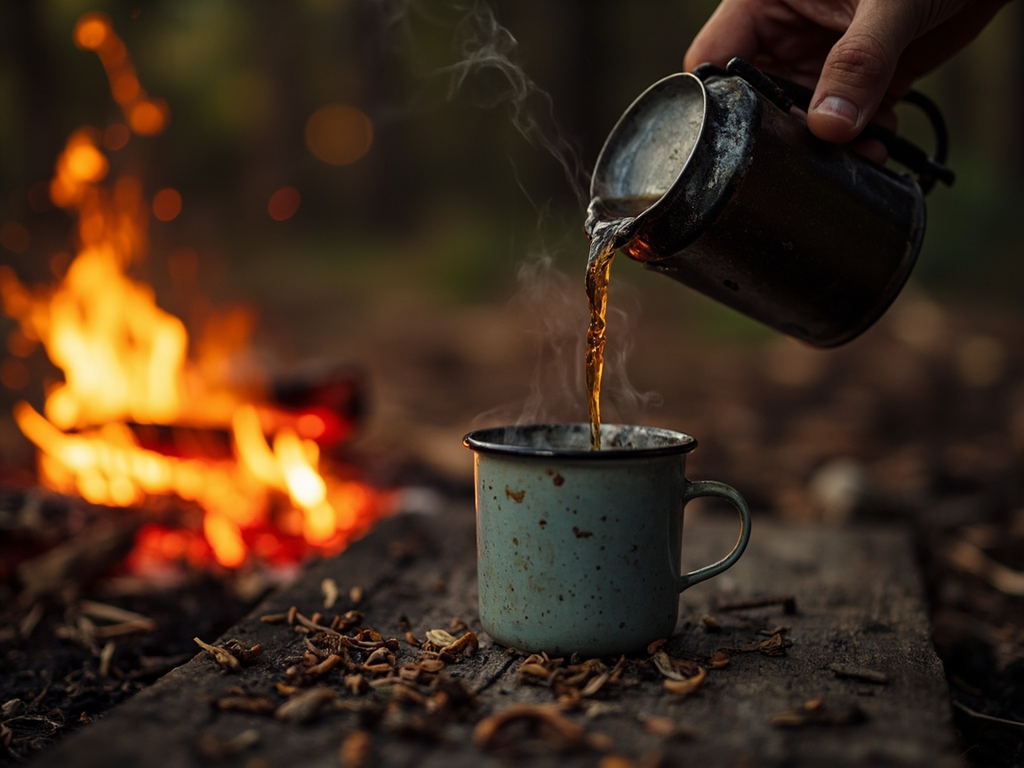
Strong black tea boiled in a billy can over a wood fire, heavily sweetened. This iconic Australian bush drink is both comfort, social ritual, and a quick energy source. Tea and sugar were part of mission rations and became central elements of Aboriginal diet in the 20th century.
The billy is the first thing you put on the fire and the last thing you take off. You fill the can from the creek or the tank, throw in a big handful of tea, and when it's boiling well, you add the sugar, plenty of sugar. At Hermannsburg, everyone drinks tea like that, the old people, the kids, everyone. When I first went painting with Rex Battarbee, he thought I put too much sugar. But that's how we drink it at home, strong and sweet.
- •Loose black tea (mission rations) — a large handful (drink base)
- •Spring or tank water — a full billy (liquid)
- •White sugar (rations) — several generous spoonfuls (sweetener)
Sweet Billy Tea
Strong black tea boiled in a billy can over a wood fire, heavily sweetened. This iconic Australian bush drink is both comfort, social ritual, and a quick energy source. Tea and sugar were part of mission rations and became central elements of Aboriginal diet in the 20th century.
Why this dish? Billy tea — tea boiled in a tin can over a campfire — was the essential daily ritual of life in the Australian bush. For Namatjira, every painting session in the MacDonnell Ranges began and ended with a billy of very sweet black tea, shared with his traveling companions.
The billy is the first thing you put on the fire and the last thing you take off. You fill the can from the creek or the tank, throw in a big handful of tea, and when it's boiling well, you add the sugar, plenty of sugar. At Hermannsburg, everyone drinks tea like that, the old people, the kids, everyone. When I first went painting with Rex Battarbee, he thought I put too much sugar. But that's how we drink it at home, strong and sweet.
Ingredients (period version)
- Loose black tea (mission rations) — a large handful (drink base)
- Spring or tank water — a full billy (liquid)
- White sugar (rations) — several generous spoonfuls (sweetener)
Ingredients
- Loose black tea (Ceylon or English Breakfast) — 3 tbsp (base)
- Water — 1 liter (liquid)
- Brown sugar — 3–4 tbsp (adjust to taste) (sweetener)
Method
- Bring water to a boil in a saucepan (ideally a billy can if you have one).
- Throw the loose tea directly into the boiling water.
- Let boil vigorously for 2–3 minutes — the tea should be very strong and well steeped.
- Remove from heat. Traditionally, you swing the billy by its handle to settle the leaves (optional and careful).
- Add sugar generously and stir.
- Strain through a sieve into cups or metal mugs.
- Serve piping hot, accompanied by damper.
How it was made : Billy tea has been inseparable from Australian outback life since the 19th century. The word "billy" may come from the Aboriginal term "billa" (water) or from the French "bouilli". Mission rations always included tea and sugar, and heavily sweetened tea became a major component of Aboriginal communities' caloric intake. Swinging the billy by its handle to settle the leaves is an iconic bush gesture.
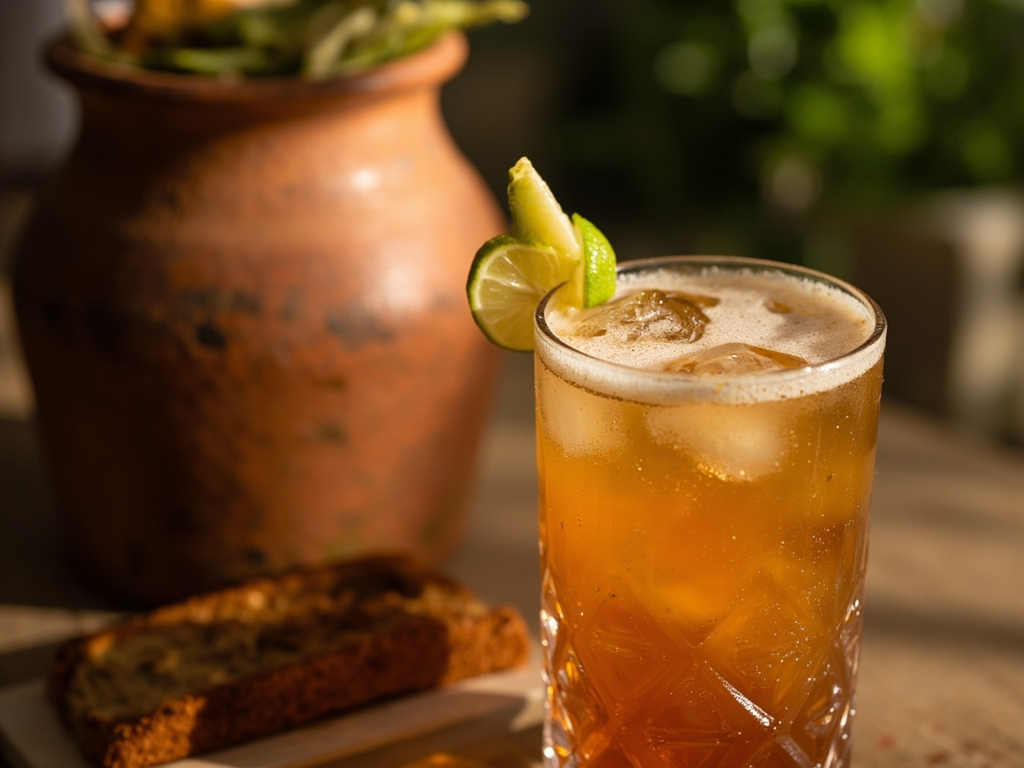
The contemporary twist : Infuse with a fresh sprig of lemon myrtle for aromatic billy tea, or serve cold over crushed ice for a summer version.
Sources : Symons, Michael. 'One Continuous Picnic: A Gastronomic History of Australia'. Melbourne University Press, 2007. · Kimber, R.G. 'Man from Arltunga: Walter Smith, Australian Bushman'. Hesperian Press, 1986.
Albert Namatjira · Charactorium