 flip
flipBicerin (Coffee, Chocolate, and Cream of Turin)
Bicerin (Coffee, Chocolate, and Cream of Turin)
Why this dish? The bicerin is THE emblematic drink of Turin's cafés, served a stone's throw from the libraries and conservatories that Gentili frequented. Between two inventory sessions of Vivaldi's manuscripts, this hot glass was the scholar's natural companion, just as coffee was 'a constant of the Italian academic day.'
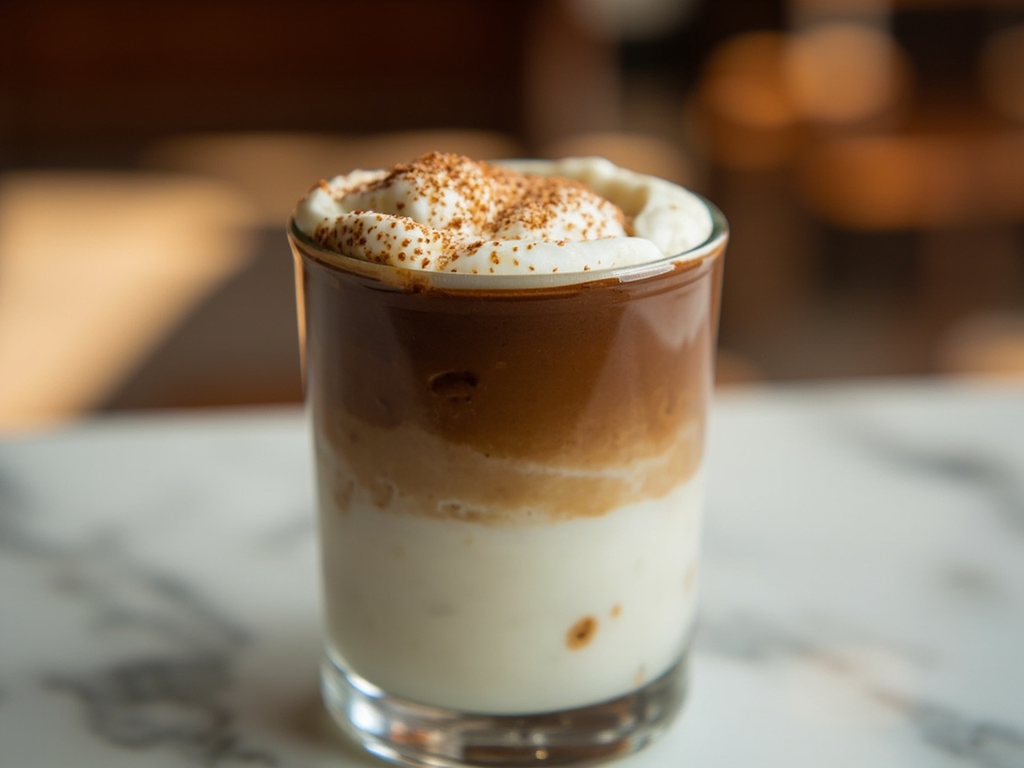
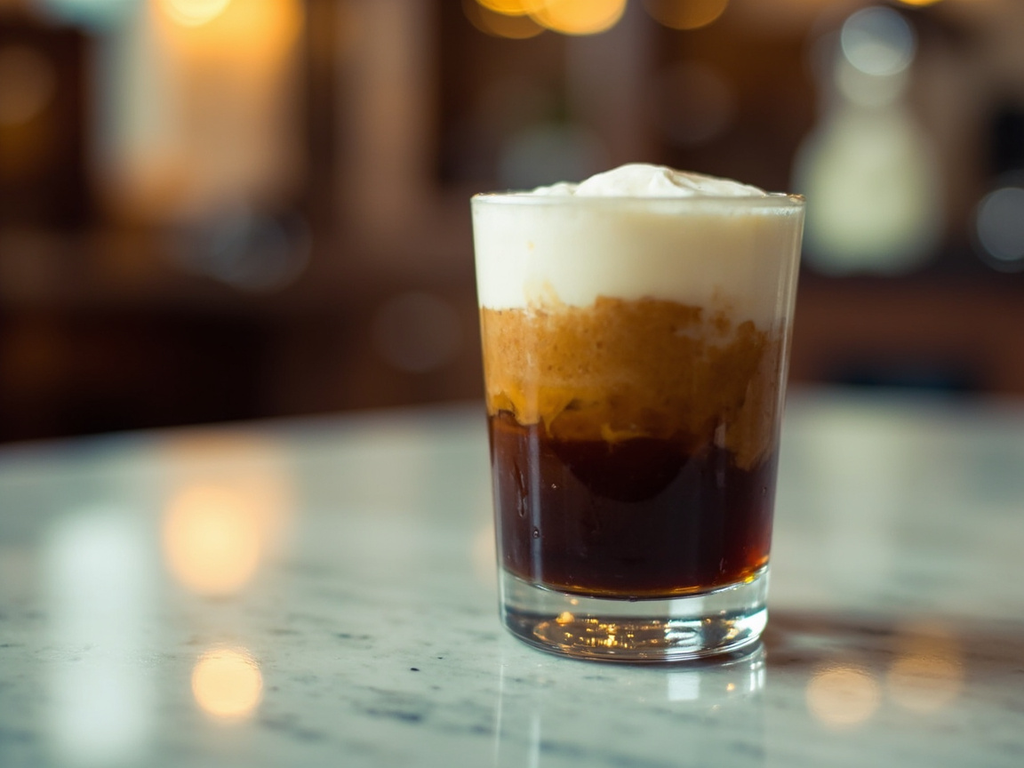
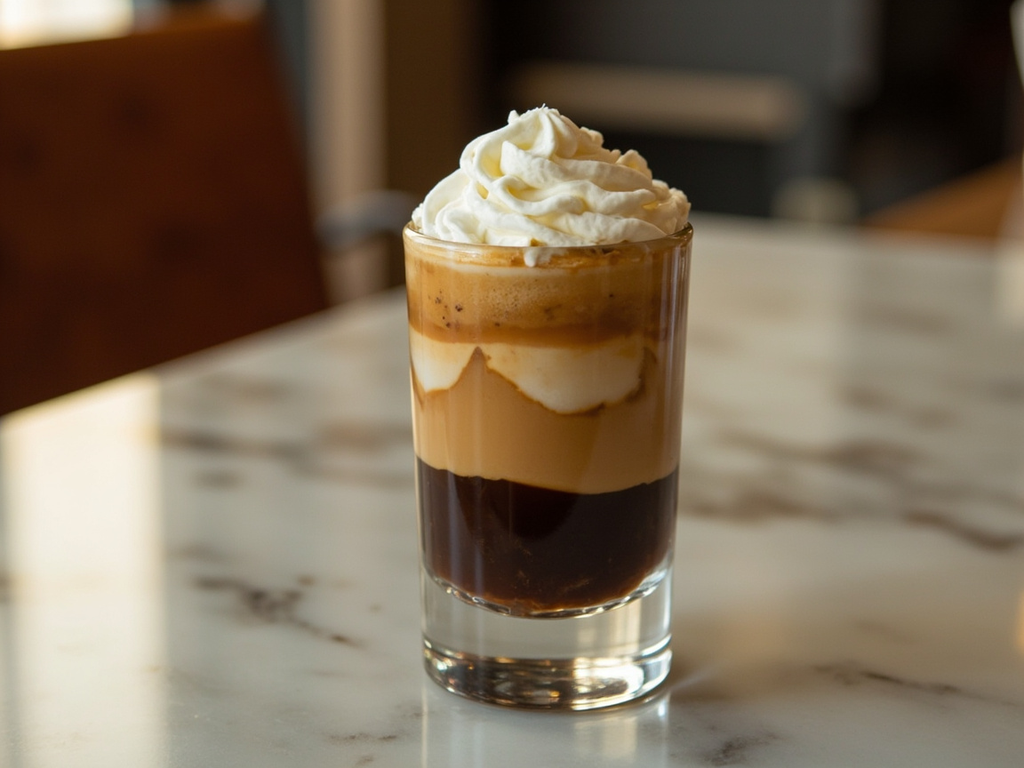
A hot drink served in a small glass, in three layers that are not mixed: thick melted chocolate at the bottom, black coffee in the middle, lightly whipped milk cream on top. Bitter, sweet, and comforting all at once.
When my eyes grew tired from the old staves, I would leave the library for the café across the street and order a bicerin — in Turin, the word simply means 'small glass' in Piedmontese. Look at it closely: the chocolate at the bottom, my black coffee in the middle, and the fresh cream on top like a cloud. One does not stir it! One drinks it in silence, layer after layer, and the mind clears. Many a catalogue project, I assure you, was born at the bottom of one of these glasses.
- •Strong black coffee — one part (bitterness, heart of the drink)
- •Thick melted chocolate — one part (sweetness, base)
- •Fresh milk cream — one part (creamy top layer)
- •Sugar — to taste (balance)
Bicerin (Coffee, Chocolate, and Cream of Turin)
A hot drink served in a small glass, in three layers that are not mixed: thick melted chocolate at the bottom, black coffee in the middle, lightly whipped milk cream on top. Bitter, sweet, and comforting all at once.
Why this dish? The bicerin is THE emblematic drink of Turin's cafés, served a stone's throw from the libraries and conservatories that Gentili frequented. Between two inventory sessions of Vivaldi's manuscripts, this hot glass was the scholar's natural companion, just as coffee was 'a constant of the Italian academic day.'
When my eyes grew tired from the old staves, I would leave the library for the café across the street and order a bicerin — in Turin, the word simply means 'small glass' in Piedmontese. Look at it closely: the chocolate at the bottom, my black coffee in the middle, and the fresh cream on top like a cloud. One does not stir it! One drinks it in silence, layer after layer, and the mind clears. Many a catalogue project, I assure you, was born at the bottom of one of these glasses.
Ingredients (period version)
- Strong black coffee — one part (bitterness, heart of the drink)
- Thick melted chocolate — one part (sweetness, base)
- Fresh milk cream — one part (creamy top layer)
- Sugar — to taste (balance)
Ingredients
- Espresso or very strong coffee — 60 ml (bitterness, heart of the drink)
- Dark chocolate — 40 g (sweetness, base)
- Milk — 60 ml (for the chocolate) (melt the chocolate)
- Heavy cream, barely whipped — 3 tablespoons (creamy top layer)
- Sugar — 1 to 2 teaspoons (balance)
Method
- Gently melt the dark chocolate with the milk and a little sugar until you obtain a smooth, thick cream.
- Prepare a strong, hot coffee.
- In a small clear glass (heat-resistant), first pour the hot chocolate at the bottom.
- Gently pour the coffee over the back of a spoon to keep the layers distinct.
- Finally, place the barely whipped cream on top, without mixing.
- Serve immediately, to be drunk without stirring.
How it was made : The bicerin has been served in Turin since the 18th century, notably at Caffè Al Bicerin near the Sanctuary of the Consolata. It is descended from the bavareisa, a drink based on coffee, chocolate, milk, and syrup. In Gentili's time, it was a Turin institution, prized by intellectuals and artists; the chocolate, a specialty of the city (gianduja), was of the highest quality.
The contemporary twist : Serve it in a clear shot glass to show the three layers, and grate a hint of gianduja chocolate over the cream: a nod to the Turin terroir.
Alberto Gentili · Charactorium