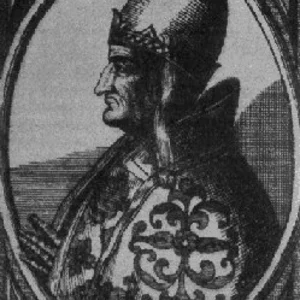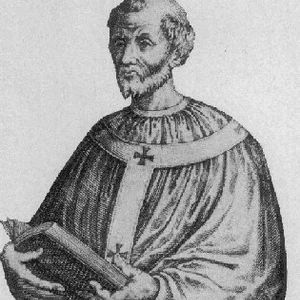

Rinaldo di Jenne, nephew of Gregory IX, became the 181st pope under the name Alexander IV from 1254 to 1261. His pontificate was marked by conflict with the Hohenstaufen and the promotion of the mendicant orders.
Alexander IV(1200 — 1261)
Alexander IV
6 min read
Frequently asked questions
Key Facts
- Elected pope on 12 December 1254 in Naples, succeeding Innocent IV
- Canonized Saint Clare of Assisi in 1255, only two years after her death
- Excommunicated Manfred of Sicily and fought the Hohenstaufen dynasty for control of southern Italy
- Entrusted the Inquisition to the mendicant orders (Dominicans and Franciscans) and supported their growth in the universities
- Died at Viterbo on 25 May 1261 after a pontificate of nearly seven years
Works & Achievements
A major ruling that upheld the right of the Franciscans and Dominicans to teach at the University of Paris, against the secular masters.
Official recognition of the sainthood of the founder of the Poor Clares, a resounding show of support for the mendicant orders.
Condemnation of the Hohenstaufen king, extending the papacy's struggle against the Swabian dynasty in southern Italy.
Confirmation of the mendicant orders' role in preaching, missions, and the fight against heresy.
Diplomatic efforts to warn and rally Christendom in the face of the advancing Mongol armies in Eastern Europe.
Initiatives to bring the Eastern and Western Churches closer together amid the Byzantine reconquest.
Anecdotes
Elected pope in 1254 under the name Alexander IV, Rinaldo di Jenne was the nephew of Pope Gregory IX: the family of the counts of Segni had already given the Church several popes, including Innocent III. Nepotism and the great Roman families played a central role in the election of the sovereign pontiffs in the 13th century.
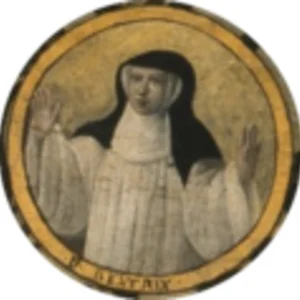
As early as 1255, Alexander IV canonized Clare of Assisi, the faithful companion of Saint Francis and founder of the Poor Clares, barely two years after her death. This swift gesture shows the pope's deep attachment to the then very recent mendicant orders.
Alexander IV almost never managed to reside in Rome itself: the city was too turbulent and hostile. He spent most of his pontificate in Viterbo and Anagni, towns in Latium where the papacy found refuge.
In 1255, the pope firmly defended the Franciscan and Dominican friars against the masters of the University of Paris who wanted to drive them out of teaching. Through his bull “Quasi lignum vitae”, he upheld their right to teach, marking a victory for the mendicant orders in the universities.
Worried about the advance of the Mongols, who had devastated Poland and Hungary, Alexander IV sought to organize the resistance of Christendom and sent appeals to the princes of Europe to prepare for a possible invasion.
Primary Sources
The pope confirms the right of the mendicant friars to teach and exercise ministry at the University of Paris, despite the opposition of the secular masters.
Alexander IV enters Clare of Assisi into the catalogue of saints, celebrating the life of poverty and prayer of the founder of the Poor Clares.
A collection of the bulls, letters and administrative decisions of the pontificate, preserved in the archives of the papacy and edited by the French School of Rome.
Key Places
Town in Latium from which the family of Rinaldo di Jenne originated, in the mountains near Subiaco.
The theoretical seat of the papacy, which the pope was almost never able to occupy because of the hostility of the Romans.
A city in Latium that became a favored residence of the papacy; Alexander IV stayed there and died there in 1261.
Birthplace of several popes and a frequent papal residence in the 13th century, where Alexander IV stayed.
A great intellectual center where Alexander IV imposed the right of the mendicant friars to teach through the bull “Quasi lignum vitae”.
Typical Objects

Headdress worn by the pope, a symbol of his spiritual and temporal authority. In the 13th century, it began to be adorned with a second crown.

Ring worn by the pope, engraved with the image of Saint Peter hauling in his nets. It was used to seal the pope's personal documents.

Lead seal hung from the most solemn papal documents, which gave papal “bulls” their name. It authenticated the pope's decisions.

Curved staff symbolizing the role of shepherd of the Christian people. The pope, like bishops, held it during ceremonies.

Handwritten volume in which the chanceries copied the letters and bulls sent by the pope. Today it is a major source for historians.

Large embroidered ceremonial cloak worn by the pope during solemn Masses. Its richness displayed the majesty of the Church.
School Curriculum
Vocabulary & Tags
Key Vocabulary
Daily Life
Morning
The pope began his day early with prayer and the celebration of Mass, surrounded by his chaplains. The morning was often devoted to reviewing the affairs of the Church and receiving messengers who had come from all across Christendom.
Afternoon
The afternoon was spent in consistory, the assembly of cardinals where the great decisions were debated: appointments, conflicts, and bulls to be drafted. The papal chancery worked tirelessly to draw up the official letters.
Evening
In the evening, the pope withdrew for further prayers and the office of Vespers. He might also grant private audiences to ambassadors, bishops, or members of religious orders who had come to seek his arbitration.
Food
The diet of a medieval pope was refined but shaped by the many days of fasting and abstinence imposed by the Church. Bread, fish, vegetables, fruit, and wine made up the everyday fare, with meat set aside during Lent and on vigils.
Clothing
On an everyday basis, the pope wore a white cassock and a mozzetta; for ceremonies, he donned precious vestments — the embroidered cope, the tiara, and the Fisherman's Ring. White symbolized his purity and his office.
Housing
Unable to reside in Rome, Alexander IV lived in the papal palaces of Viterbo and Anagni. These fortified residences offered both security and comfort, with a chapel, audience halls, and a library.
Historical Timeline
Period Vocabulary
Liens externes & ressources
Références
Œuvres
Bulle « Quasi lignum vitae »
1255
Canonisation de sainte Claire d'Assise
1255
Excommunication de Manfred de Sicile
1258
Soutien aux missions et à l'Inquisition
1254-1261
Appels contre la menace mongole
1260
Tentatives de réconciliation avec l'Église grecque
1254-1261