 flip
flipVarenye of berries, the jam that preserves summer
Varenye of berries, the jam that preserves summer
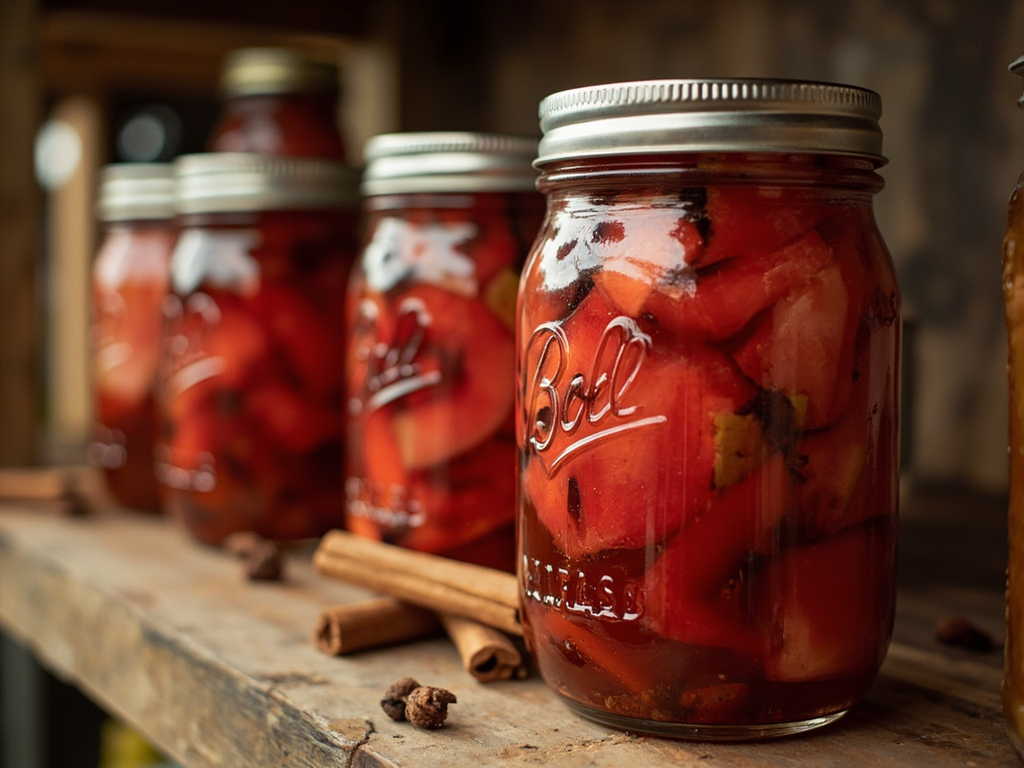
Why this dish? In the Russian dacha, berries from forests and gardens were put into jars to last through winter. Tarkovsky, sensitive to nature, memory, and childhood — his entire oeuvre bears witness, from The Mirror to Nostalghia — found in these jams served with tea the exact taste of time past, of the house at Zavrazhye.
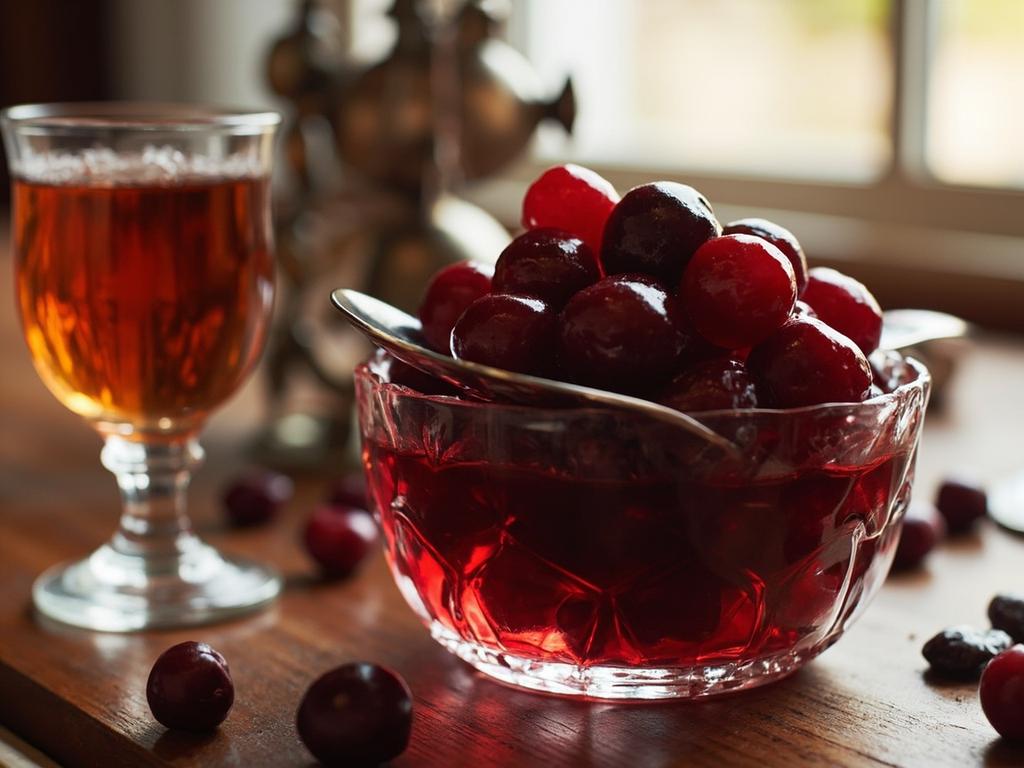
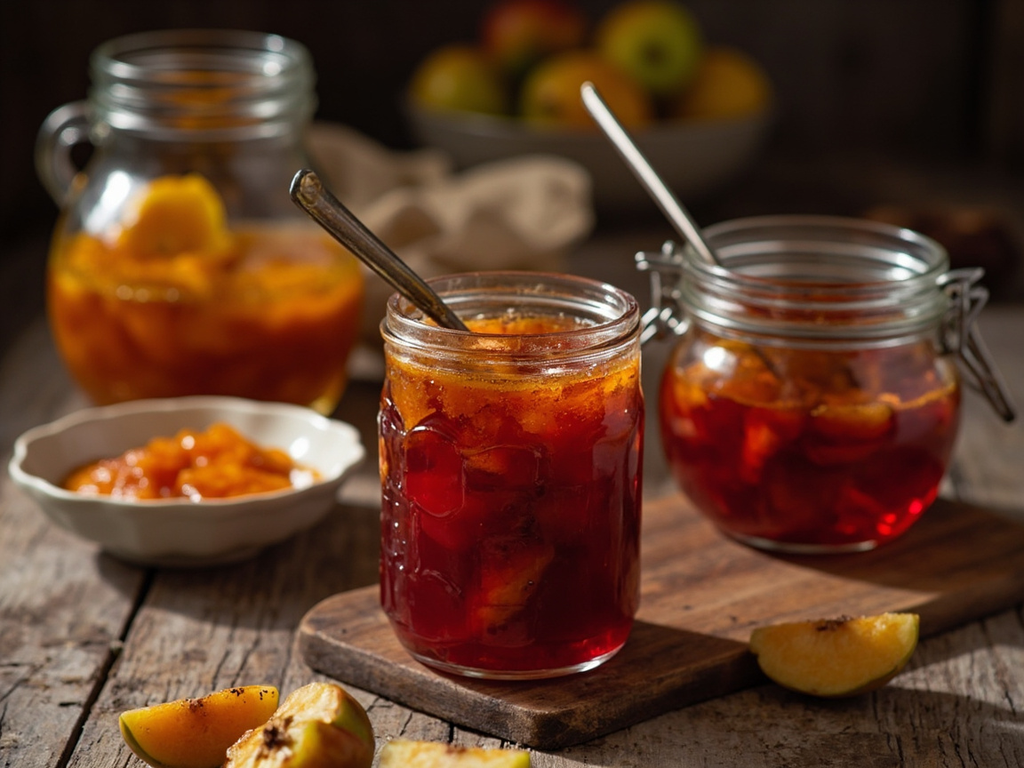
A rustic jam where the berries remain nearly whole, bathed in an amber syrup, neither too set nor too sweet. It is not so much spread as eaten by the spoonful, dipped into tea or placed on the tongue, to soften the bitterness of chai.
At the dacha, summer was not allowed to be lost: we would go out at dawn to pick berries in the damp forest, and the kitchen smelled of hot sugar for days. The secret is not to overcook — the berry must remain itself, whole, keeping its form and soul in the syrup. We filled the jars and stored them in the cellar like treasure. And in winter, a spoonful of that frozen summer in the glass of tea, and childhood came back entirely.
- •Wild berries (bilberries, raspberries, redcurrants, lingonberries) — a large basket (fruit)
- •Sugar — almost equal weight (preservation and syrup)
Varenye of berries, the jam that preserves summer
A rustic jam where the berries remain nearly whole, bathed in an amber syrup, neither too set nor too sweet. It is not so much spread as eaten by the spoonful, dipped into tea or placed on the tongue, to soften the bitterness of chai.
Why this dish? In the Russian dacha, berries from forests and gardens were put into jars to last through winter. Tarkovsky, sensitive to nature, memory, and childhood — his entire oeuvre bears witness, from The Mirror to Nostalghia — found in these jams served with tea the exact taste of time past, of the house at Zavrazhye.
At the dacha, summer was not allowed to be lost: we would go out at dawn to pick berries in the damp forest, and the kitchen smelled of hot sugar for days. The secret is not to overcook — the berry must remain itself, whole, keeping its form and soul in the syrup. We filled the jars and stored them in the cellar like treasure. And in winter, a spoonful of that frozen summer in the glass of tea, and childhood came back entirely.
Ingredients (period version)
- Wild berries (bilberries, raspberries, redcurrants, lingonberries) — a large basket (fruit)
- Sugar — almost equal weight (preservation and syrup)
Ingredients
- Red fruits (raspberries, redcurrants or strawberries) — 1 kg (fruit)
- Granulated sugar — 800 g (preservation and syrup)
- Lemon juice — 1 tbsp (acid balance and set)
- Water — 100 ml (for firm fruits) (syrup start)
Method
- Sort and gently rinse the fruits without damaging them.
- Mix fruits and sugar in a wide basin, let rest 1-2 hours for juice to form (add a little water for firm fruits).
- Bring slowly to a simmer, skim off foam, then cook over moderate heat without stirring too much to keep berries whole, until syrup coats a spoon (about 20-30 min).
- Add lemon juice at the end of cooking.
- Pour hot into sterilized jars, seal and turn upside down; store in a cool, dark place.
How it was made : Varenye differs from Western jam: whole fruits in a fluid syrup are sought rather than a set jelly. It was often cooked in several short spaced-out boils, so that the sugar penetrates the berry without breaking it. The jars filled dacha cellars and made the wealth of the tea table come winter.
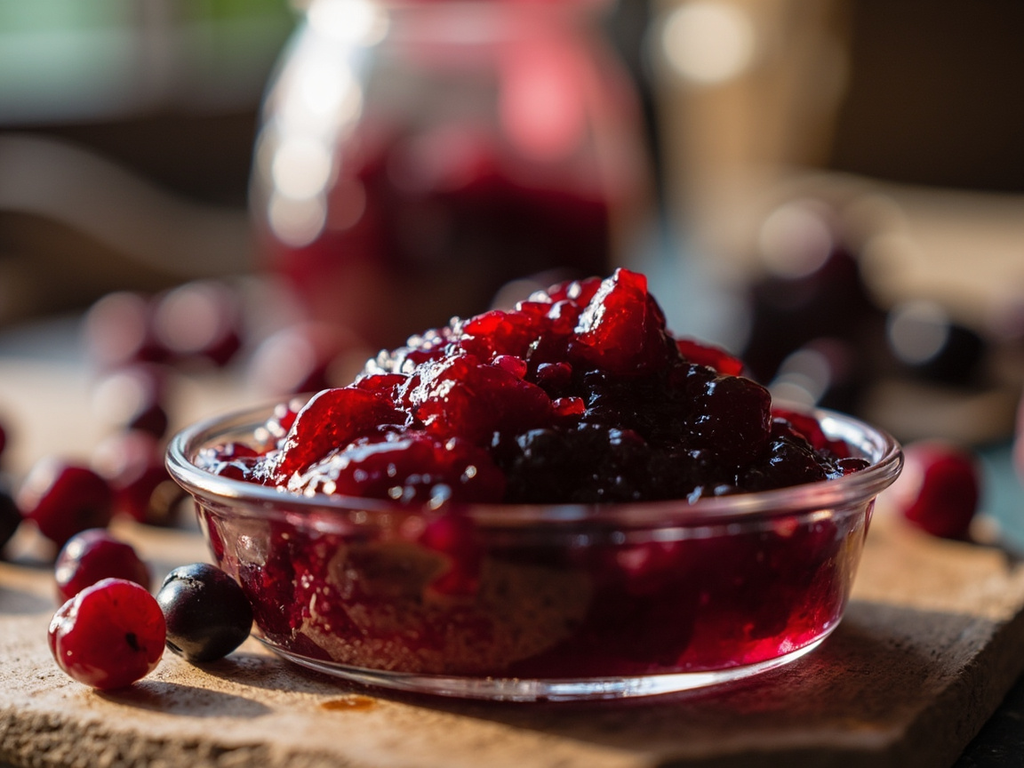
The contemporary twist : Serve varenye in a small glass dish next to the tea, light shining through the ruby syrup — and let each person melt it into their glass, in the old way, rather than spreading it.
Andrei Tarkovsky · Charactorium