 flip
flipConfiture de coings de l'arrière-saison
Confiture de coings de l'arrière-saison
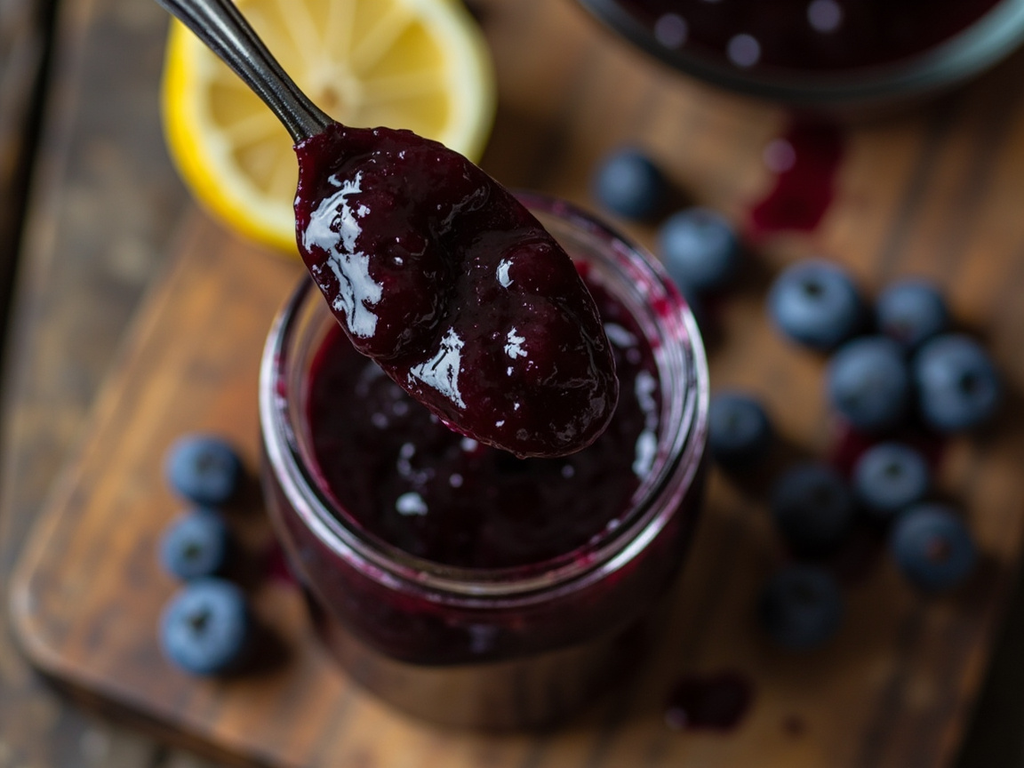
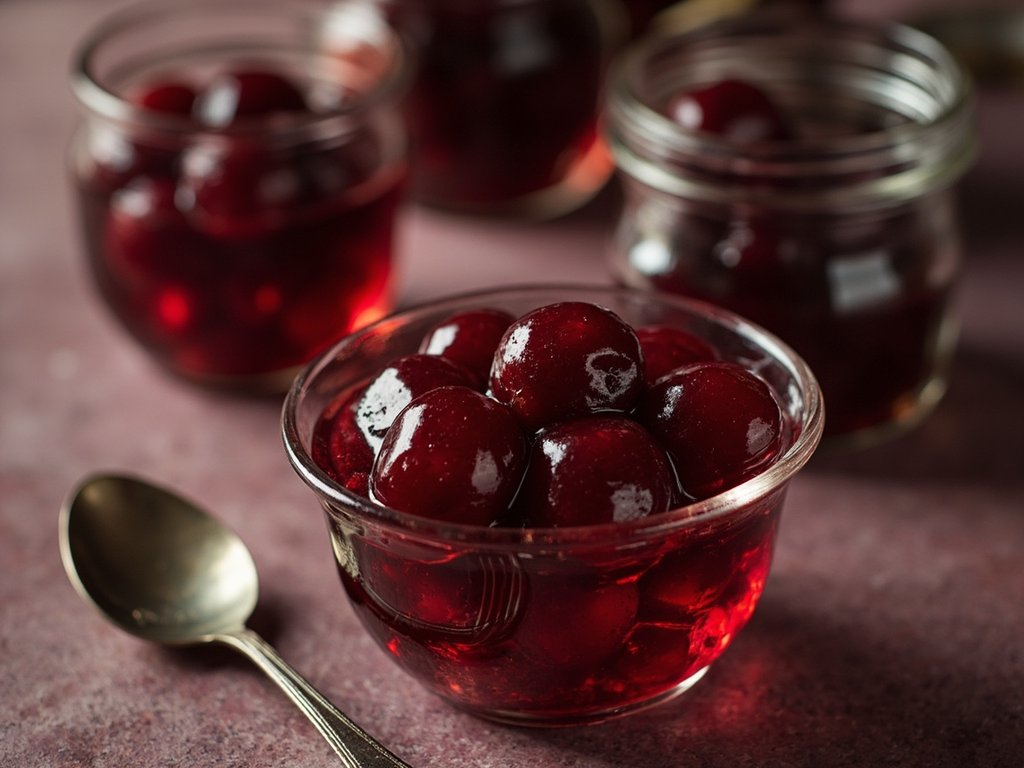
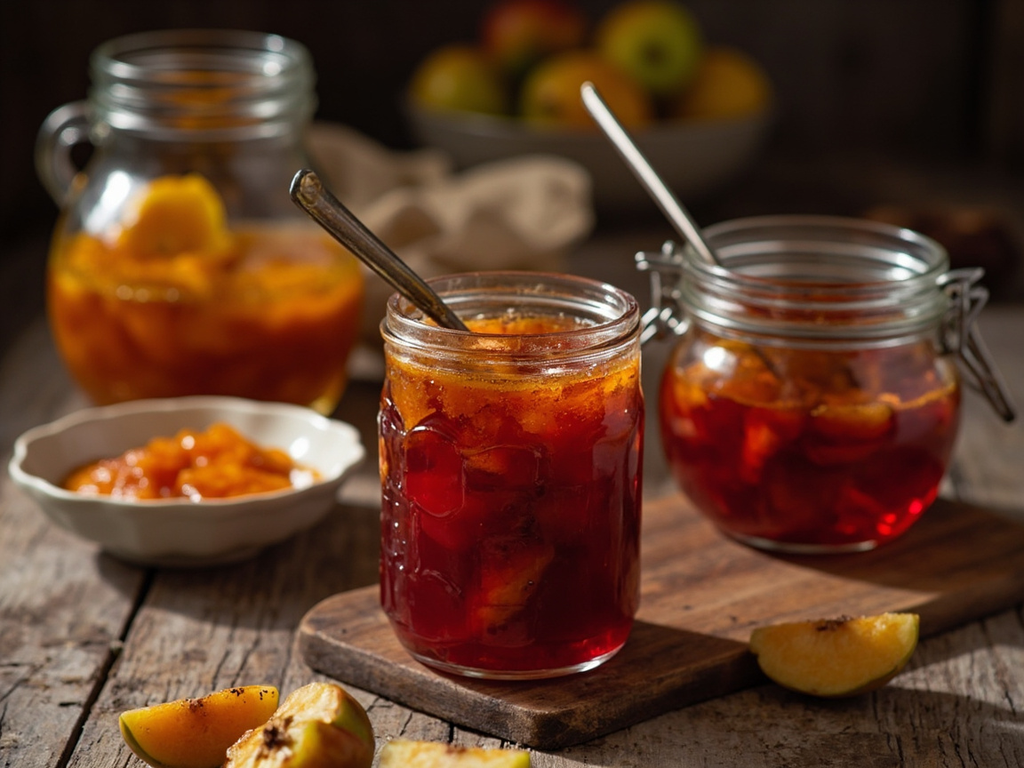
Why this dish? The spirit of economy and order dear to Ozenfant is found in the domestic provisioning gestures of his era: autumn fruits were potted to last through winter. Quince jam, amber and translucent, extends 'clarity' even into the jar on the shelf.
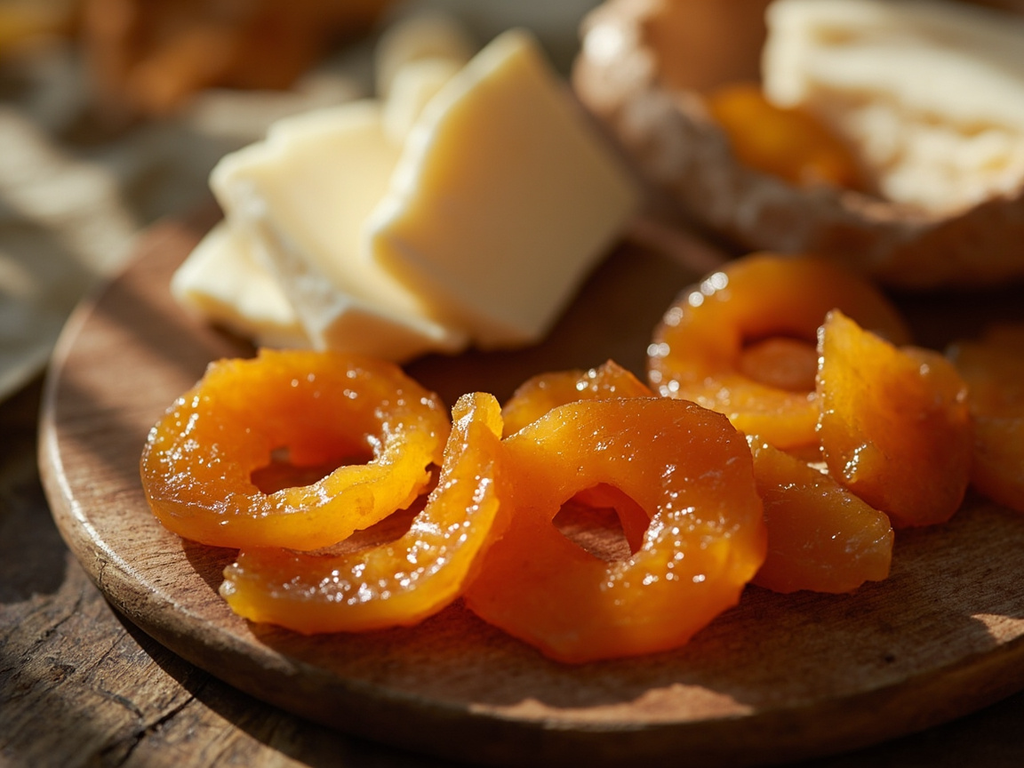
Fragrant quinces slowly cooked with sugar until they form an amber paste or jelly, potted for winter. An end-of-season sweet that keeps for months.
In autumn, when the quinces perfume the whole room, you don't let them go to waste. Peel them, cut them, and cook them gently with their weight of sugar until the color turns to amber red — that is the sign. Pour boiling into scalded jars, and store them neatly aligned: you will have, all winter, a little of that late-season light on your morning toast.
- •Ripe quinces — several pounds (fruit)
- •Sugar — equal weight to pulp (preservation and sweetness)
- •Lemon — one (acidity and setting)
- •Water — as needed (cooking)
Confiture de coings de l'arrière-saison
Fragrant quinces slowly cooked with sugar until they form an amber paste or jelly, potted for winter. An end-of-season sweet that keeps for months.
Why this dish? The spirit of economy and order dear to Ozenfant is found in the domestic provisioning gestures of his era: autumn fruits were potted to last through winter. Quince jam, amber and translucent, extends 'clarity' even into the jar on the shelf.
In autumn, when the quinces perfume the whole room, you don't let them go to waste. Peel them, cut them, and cook them gently with their weight of sugar until the color turns to amber red — that is the sign. Pour boiling into scalded jars, and store them neatly aligned: you will have, all winter, a little of that late-season light on your morning toast.
Ingredients (period version)
- Ripe quinces — several pounds (fruit)
- Sugar — equal weight to pulp (preservation and sweetness)
- Lemon — one (acidity and setting)
- Water — as needed (cooking)
Ingredients
- Quinces — 1.5 kg (fruit)
- Granulated sugar — 1 kg (about weight of pulp) (preservation and sweetness)
- Lemon juice — 1 lemon (acidity and setting)
- Water — 50 cl (cooking)
Method
- Wash, peel, and core the quinces, cut into pieces (save peels and cores in a muslin bag for pectin).
- Cook the pieces in water with the muslin bag for 30 minutes until tender.
- Remove the muslin bag, add sugar and lemon juice.
- Cook over medium heat, stirring, until the mixture thickens and turns amber to red (about 30-45 minutes).
- Check the set (a drop gels on a cold plate).
- Pour boiling into scalded jars, seal, and invert to create a vacuum. Store in a cool, dark place.
How it was made : Making jam was an essential domestic task before the widespread use of refrigerators: sugar preserved autumn fruit for winter. The quince, too tart to eat raw, is ideal for cooking and yields, depending on cooking time, jelly, jam, or firm fruit paste.
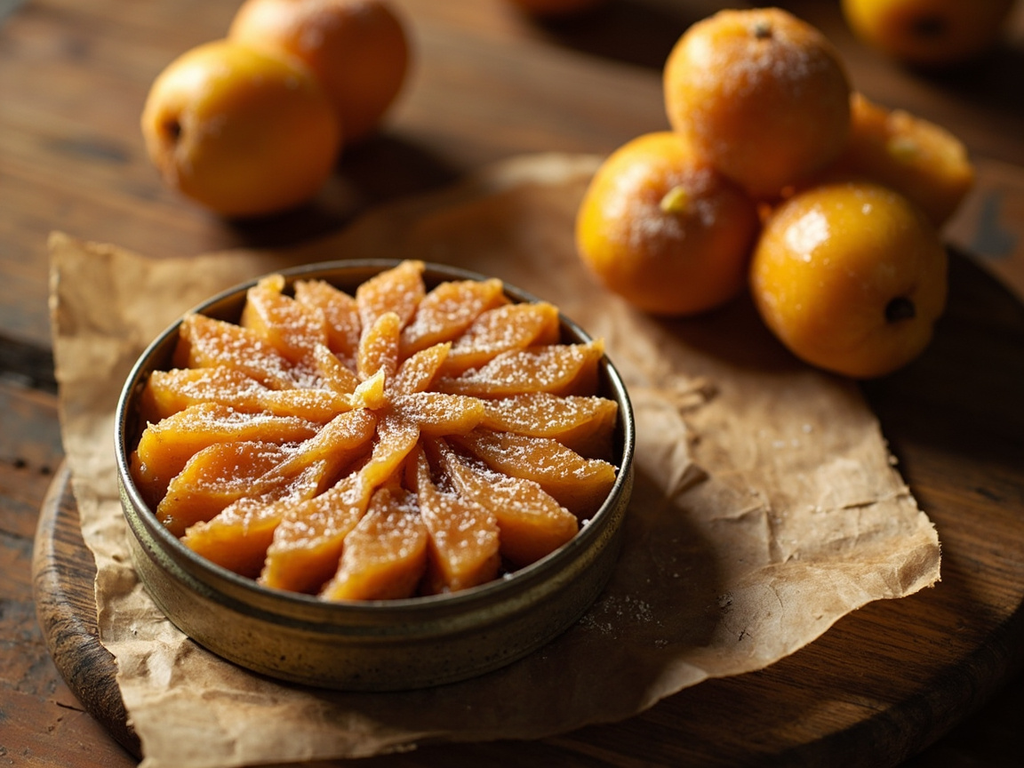
The contemporary twist : Pour part of it as quince paste into a square frame, unmold and cut into neat cubes dusted with sugar: small geometric volumes to offer with coffee.
Sources : Curnonsky, La France gastronomique
Amédée Ozenfant · Charactorium