 flip
flipFig, honey and pomegranate cake
Fig, honey and pomegranate cake
Why this dish? The pomegranate is Ariadne's fruit par excellence: a symbol of marriage and death-rebirth, linked to her divine union with Dionysus after Naxos. Figs and honey made up the offering cakes placed on Greek altars. A sweetness between mortals and gods.
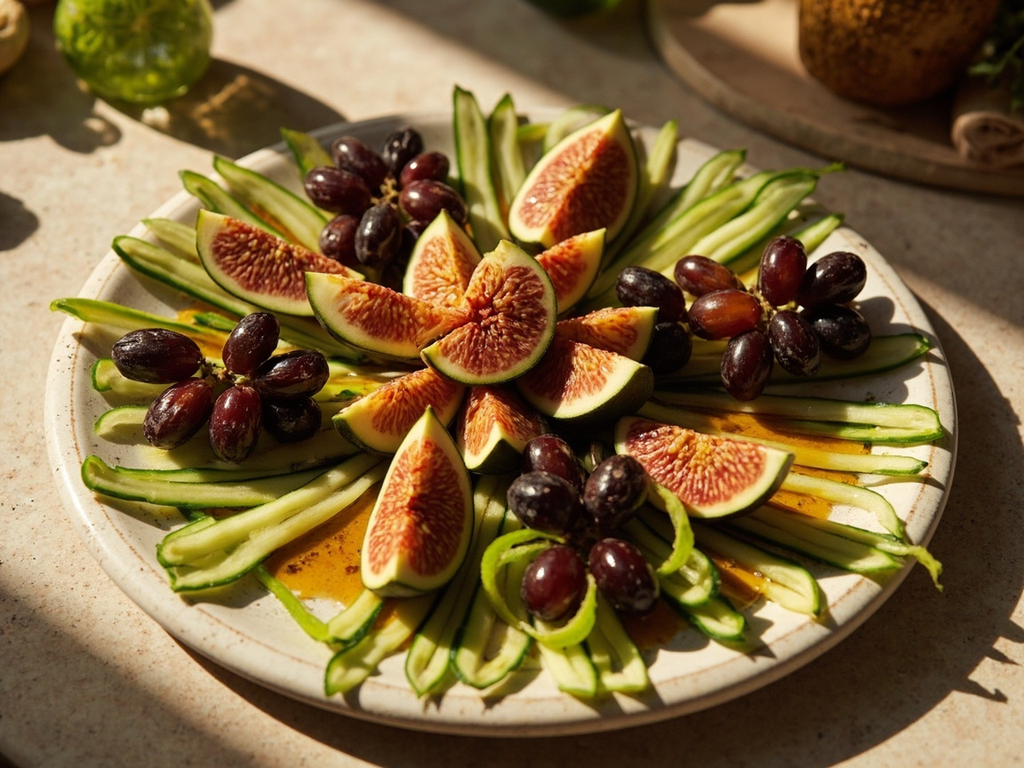
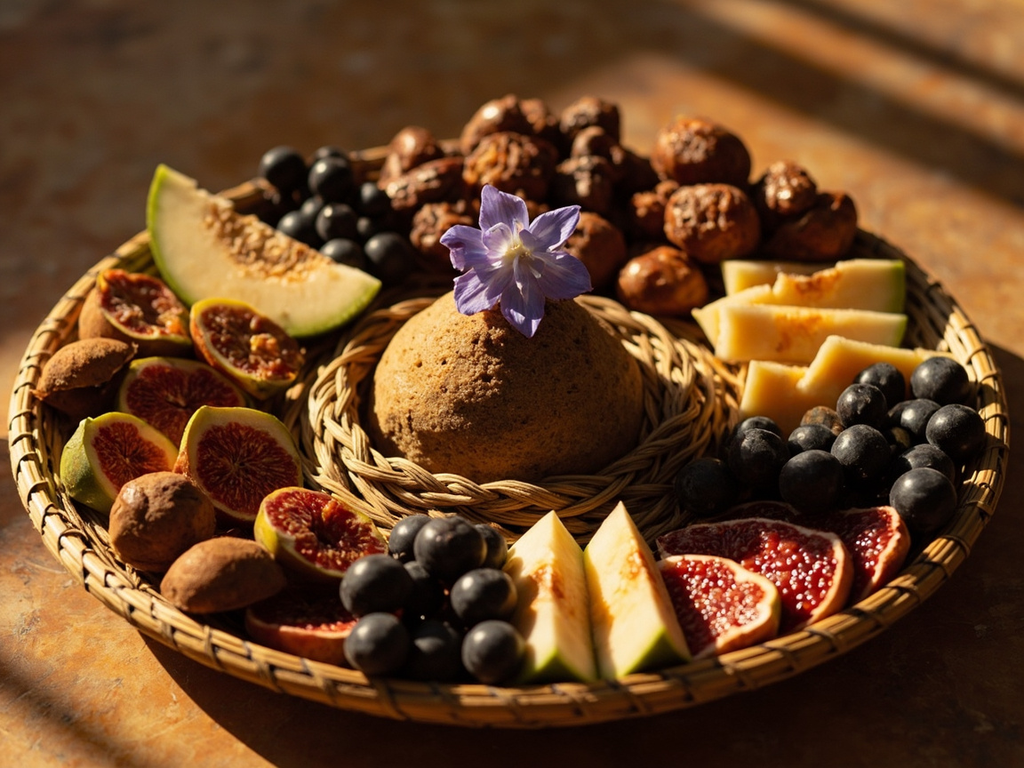
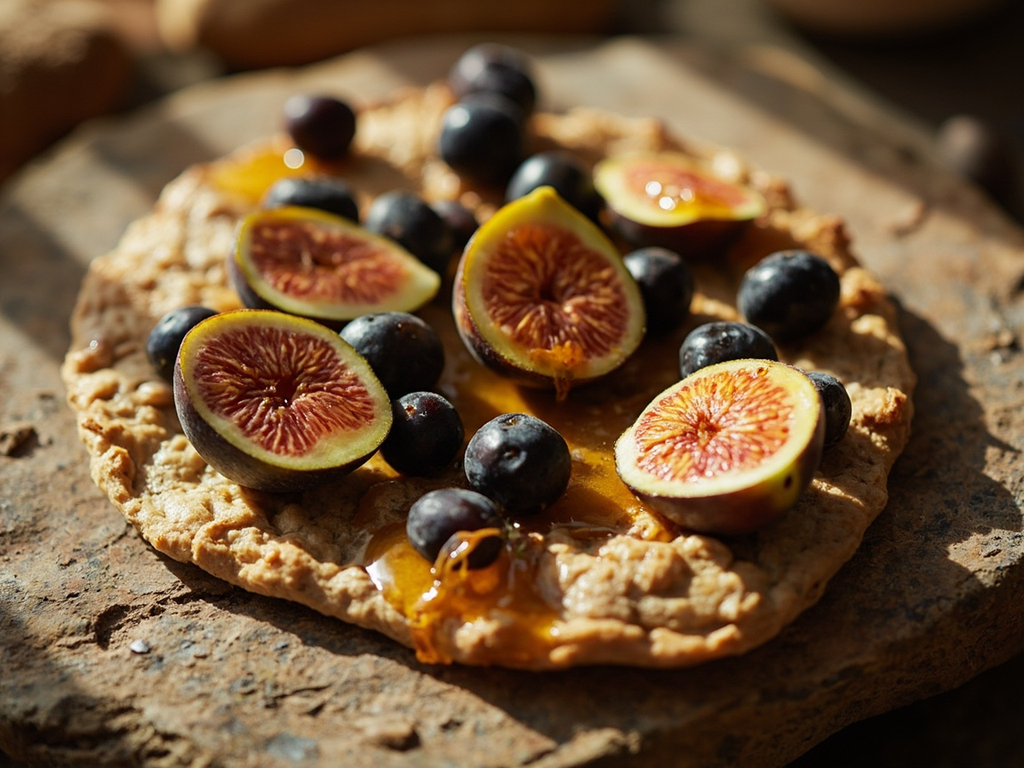
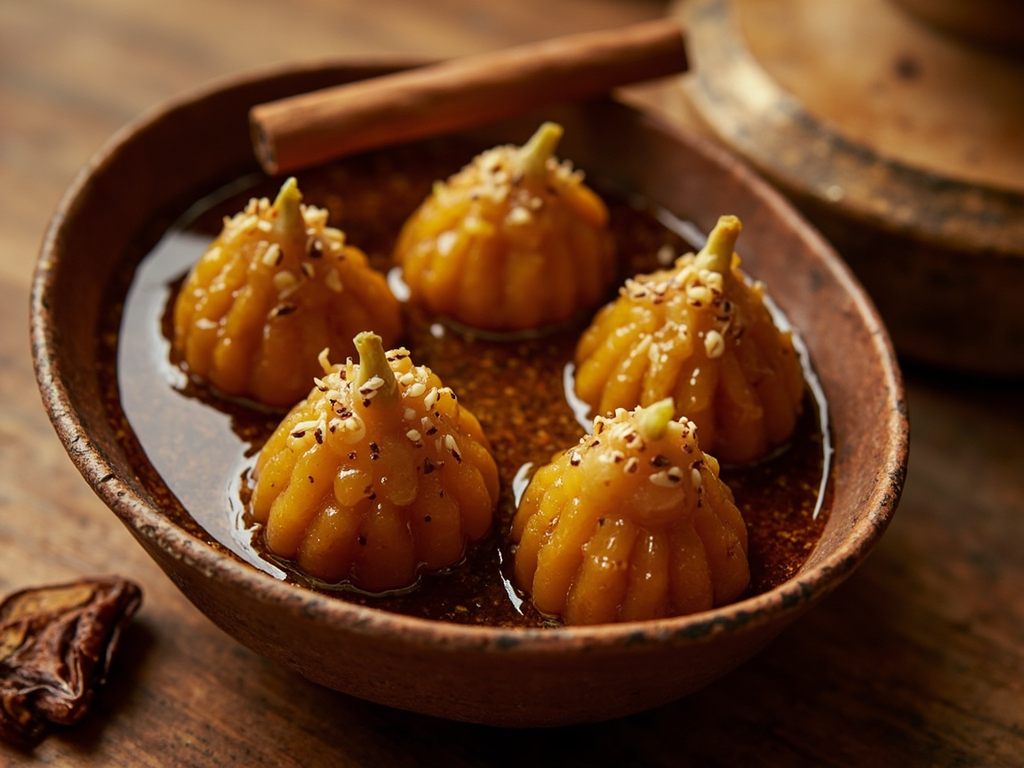
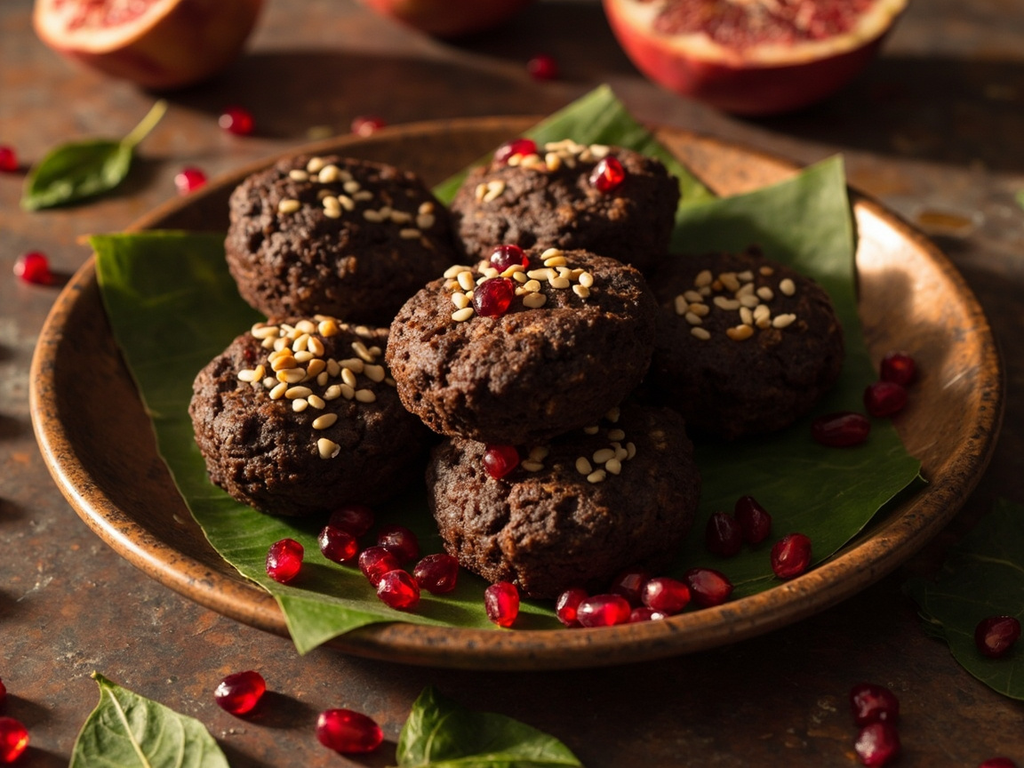
Dried figs pounded into a dense paste with sesame seeds and bound with honey, shaped into a small cake and studded with fresh pomegranate. The candy of the gods, neither baked nor complicated, just ritual.
Inspired by the cakes placed on altars — I entrust it to you as a sweetness between the world of men and that of the gods. Pound the dried figs until they become a dark, docile paste, mix in toasted sesame and drown it all in honey from Mount Ida. When Dionysus married me on Naxos, he placed a crown in the sky — the pomegranate burst over this cake, those are the stars fallen into our hands. Break off a piece and think that sweetness, like love, always comes after abandonment.
- •Dried figs — a good measure (sweet base)
- •Toasted sesame seeds — a handful (texture, aroma)
- •Thyme honey — to bind (binder and sweetness)
- •Fresh pomegranate — seeds of one fruit (acidity and symbol)
- •Crushed walnuts or almonds — a handful (body)
Fig, honey and pomegranate cake
Dried figs pounded into a dense paste with sesame seeds and bound with honey, shaped into a small cake and studded with fresh pomegranate. The candy of the gods, neither baked nor complicated, just ritual.
Why this dish? The pomegranate is Ariadne's fruit par excellence: a symbol of marriage and death-rebirth, linked to her divine union with Dionysus after Naxos. Figs and honey made up the offering cakes placed on Greek altars. A sweetness between mortals and gods.
Inspired by the cakes placed on altars — I entrust it to you as a sweetness between the world of men and that of the gods. Pound the dried figs until they become a dark, docile paste, mix in toasted sesame and drown it all in honey from Mount Ida. When Dionysus married me on Naxos, he placed a crown in the sky — the pomegranate burst over this cake, those are the stars fallen into our hands. Break off a piece and think that sweetness, like love, always comes after abandonment.
Ingredients (period version)
- Dried figs — a good measure (sweet base)
- Toasted sesame seeds — a handful (texture, aroma)
- Thyme honey — to bind (binder and sweetness)
- Fresh pomegranate — seeds of one fruit (acidity and symbol)
- Crushed walnuts or almonds — a handful (body)
Ingredients
- Soft dried figs — 200 g (sweet base)
- Toasted sesame seeds — 3 tbsp (texture, aroma)
- Thyme honey (or garrigue honey) — 2 tbsp (binder and sweetness)
- Seeds of one pomegranate — 1 fruit (acidity and symbol)
- Toasted crushed almonds — 50 g (body)
Method
- Blend or pound the dried figs into a thick paste.
- Mix in the crushed almonds, 2 tbsp sesame seeds, and honey; knead well.
- Shape into a disc or small balls, roll them in the remaining sesame seeds.
- Let firm up in the fridge for 30 minutes.
- When serving, generously sprinkle with fresh pomegranate seeds.
How it was made : Ancient Greeks offered cakes (pemmata) made from figs, honey, sesame, and dried fruits to the gods — no sugar, which was unknown. The pomegranate, attribute of several goddesses and a symbol of marriage and death, often adorned these preparations. No baking was needed: it was a pantry confection.
The contemporary twist : Present them as ancient energy balls on a bed of fig leaves, crowned with pomegranate: the ancestral snack turned 'healthy' trend.
Sources : Andrew Dalby, Food in the Ancient World from A to Z (2003) · Studies on food offerings in Greek religion (pemmata)
Ariadne · Charactorium