 flip
flipLingonberry Kissel, to Sustain and Refresh
Lingonberry Kissel, to Sustain and Refresh
Why this dish? Catherine, who ate moderately and loved fruits, appreciated the berries of the northern forests. Kissel, halfway between a hot drink and a dessert, was considered comforting and good for the stomach — a mild snack taken in convalescence or cold weather.
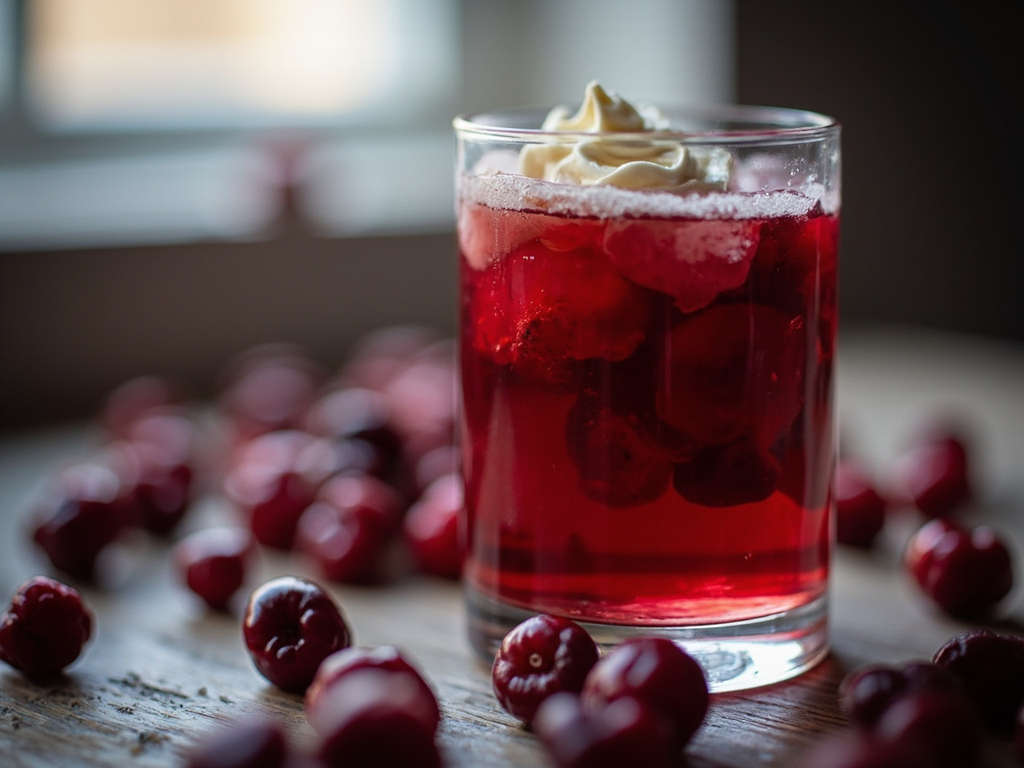
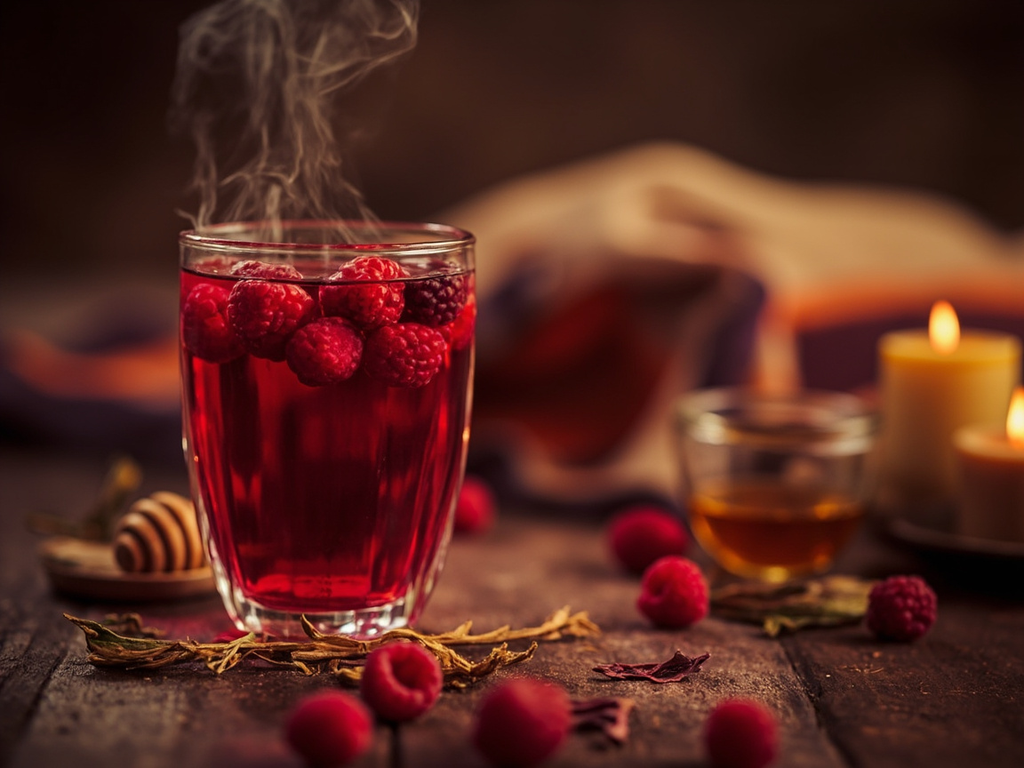
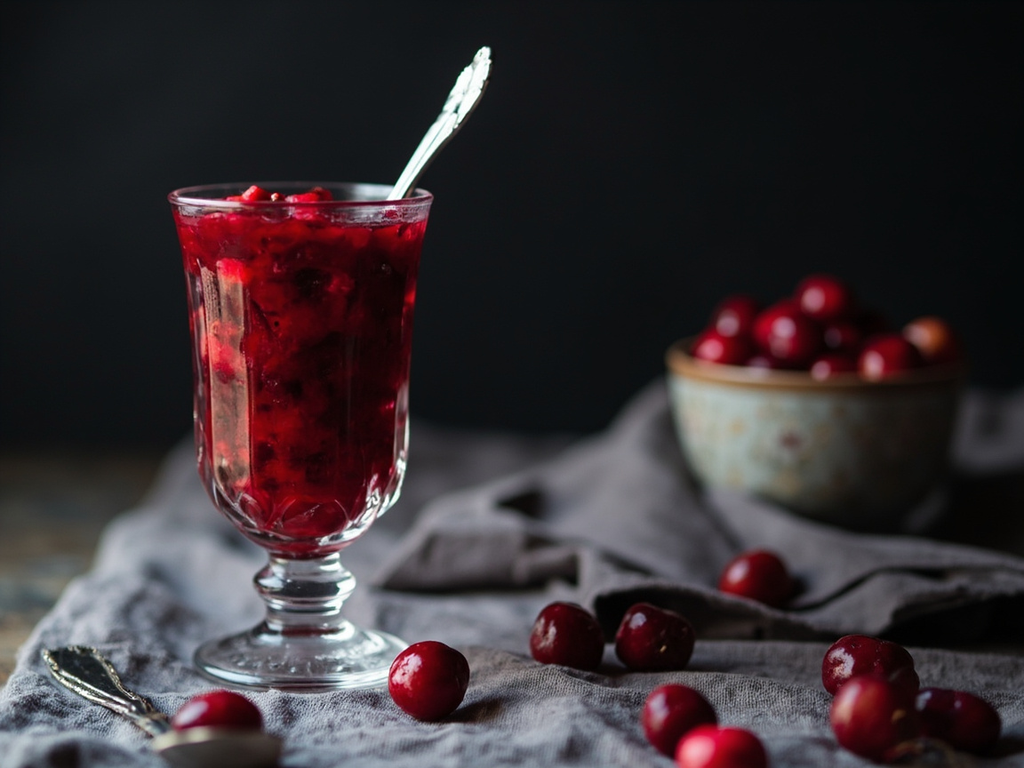
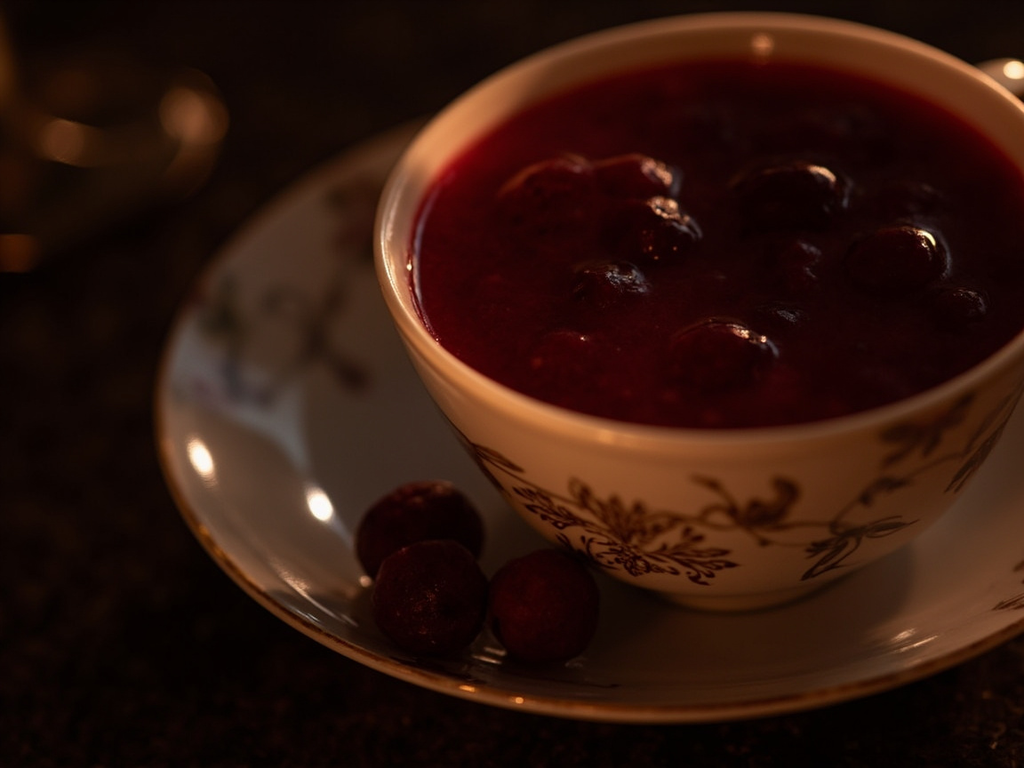
A fluid compote of lingonberries or cranberries, barely thickened, slightly tart and sweetened with honey. Drunk warm in a bowl or eaten with a spoon: gentle, invigorating, comforting.
I leave the splendors of the table to my courtiers; for me, a fruit often suffices. When the cold bites or the stomach complains, nothing beats a kissel of lingonberries from my forests, barely thickened, warm and sweetened with a dash of honey. Burst your berries, strain them, thicken just a little and drink it from a bowl held between your hands — you will find more comfort in it than in many remedies from my doctors, who cost me a great deal and relieve me very little.
- •Wild lingonberries or cranberries — a good bowl (tart fruit)
- •Honey — to taste (sweetness)
- •Water — enough to cover (cooking)
- •Flour or starch — a little (light thickener)
Lingonberry Kissel, to Sustain and Refresh
A fluid compote of lingonberries or cranberries, barely thickened, slightly tart and sweetened with honey. Drunk warm in a bowl or eaten with a spoon: gentle, invigorating, comforting.
Why this dish? Catherine, who ate moderately and loved fruits, appreciated the berries of the northern forests. Kissel, halfway between a hot drink and a dessert, was considered comforting and good for the stomach — a mild snack taken in convalescence or cold weather.
I leave the splendors of the table to my courtiers; for me, a fruit often suffices. When the cold bites or the stomach complains, nothing beats a kissel of lingonberries from my forests, barely thickened, warm and sweetened with a dash of honey. Burst your berries, strain them, thicken just a little and drink it from a bowl held between your hands — you will find more comfort in it than in many remedies from my doctors, who cost me a great deal and relieve me very little.
Ingredients (period version)
- Wild lingonberries or cranberries — a good bowl (tart fruit)
- Honey — to taste (sweetness)
- Water — enough to cover (cooking)
- Flour or starch — a little (light thickener)
Ingredients
- Lingonberries or cranberries (fresh or frozen) — 300 g (tart fruit)
- Water — 600 ml (cooking)
- Honey — 3-4 tbsp (sweetness)
- Potato starch — 1.5 tbsp (fluid thickener)
Method
- Bring the berries and water to a boil, let burst for 5 minutes, then strain through a sieve to remove skins.
- Reheat the juice, sweeten with honey to taste.
- Dissolve the starch in a little cold water, stir it in off the high heat; return to heat just until slightly thickened.
- The kissel should remain fluid, barely coating. Pour into bowls.
- Serve warm to drink, or chilled to eat with a spoon.
How it was made : Kissel is one of the oldest Russian desserts; originally thickened with fermented rye or oats (hence its name, from 'kisly', sour), it later became fruit-based with starch. It was considered nourishing and soothing, given to the sick and to children.
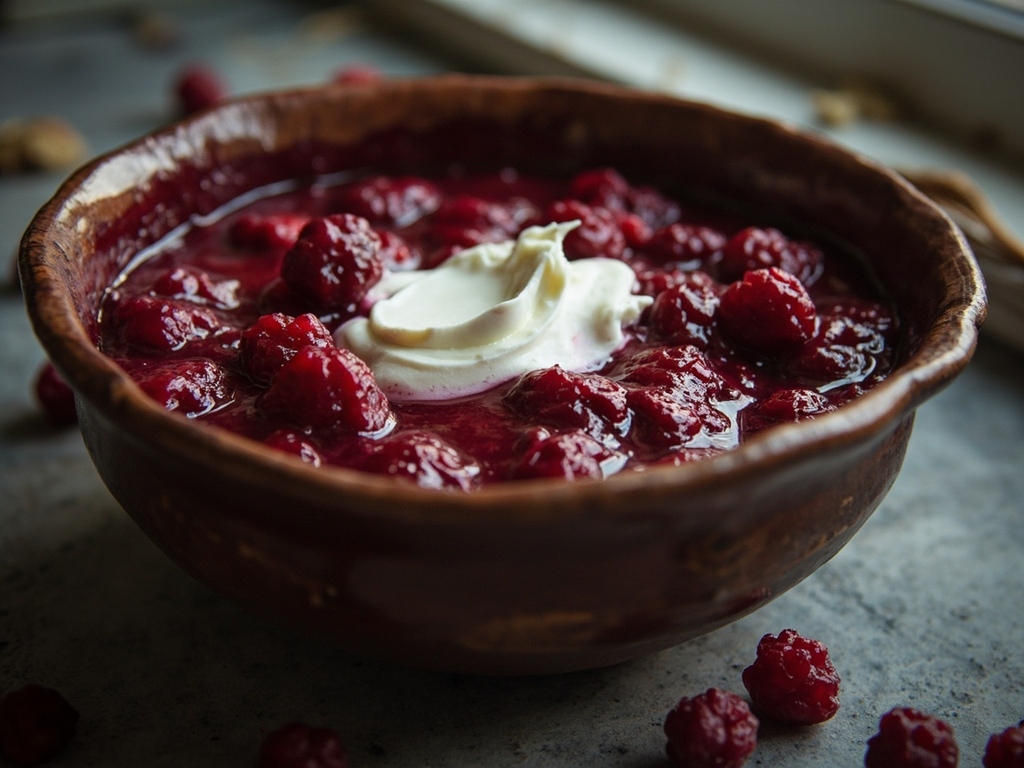
The contemporary twist : Serve it warm over a quenelle of smetana or thick cream: the tart-creamy contrast makes it a very modern bistro dessert.
Sources : W. Pokhlebkin, A History of Russian Cuisine
Catherine II of Russia · Charactorium