 flip
flipSbiten with Honey and Spices
Sbiten with Honey and Spices
Why this dish? Before tea took over, *sbiten* was THE Russian hot drink, sold on the street and served at court to brave the winters of Saint Petersburg. Its spicy warmth comforted both the soldiers of Peter the Great — whose campaigns Catherine shared — and the guests of the palaces.
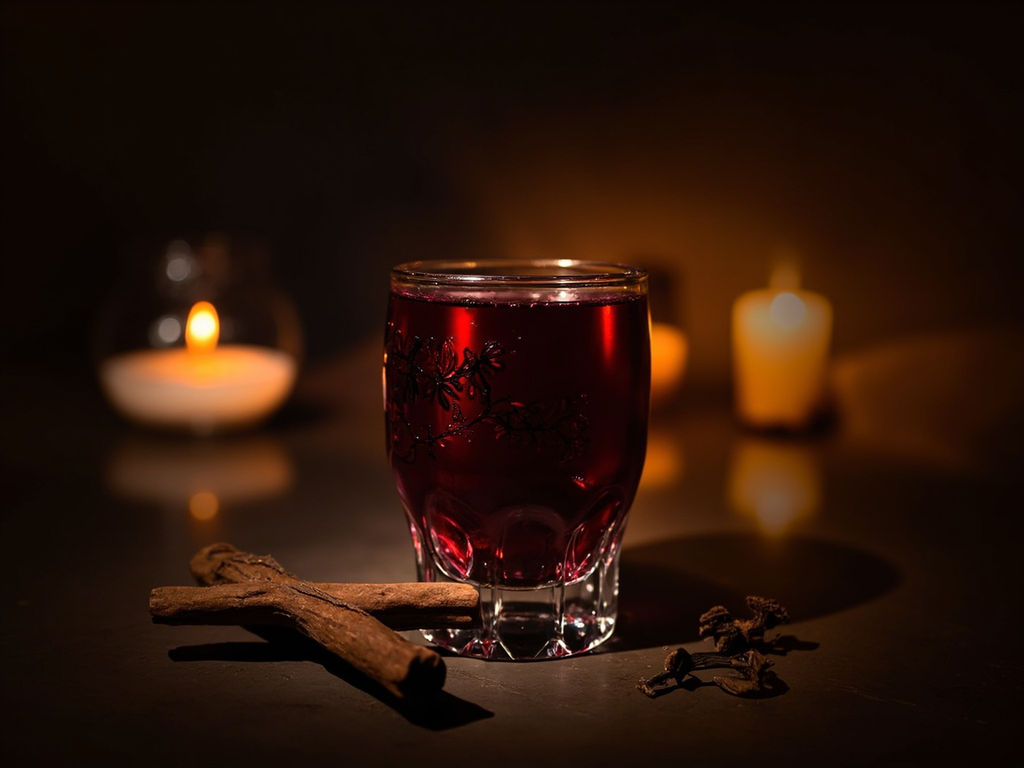
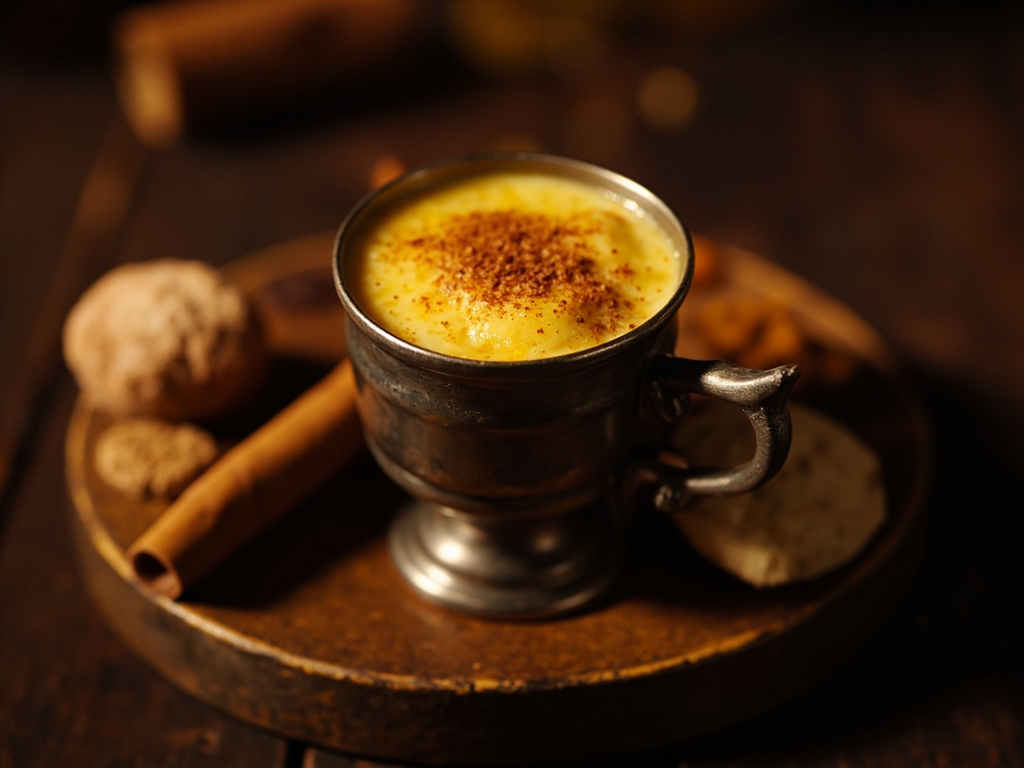
A boiling hot infusion of honey and spices — ginger, clove, cinnamon — warming and fragrant. A comforting drink also considered good against cold and chills.
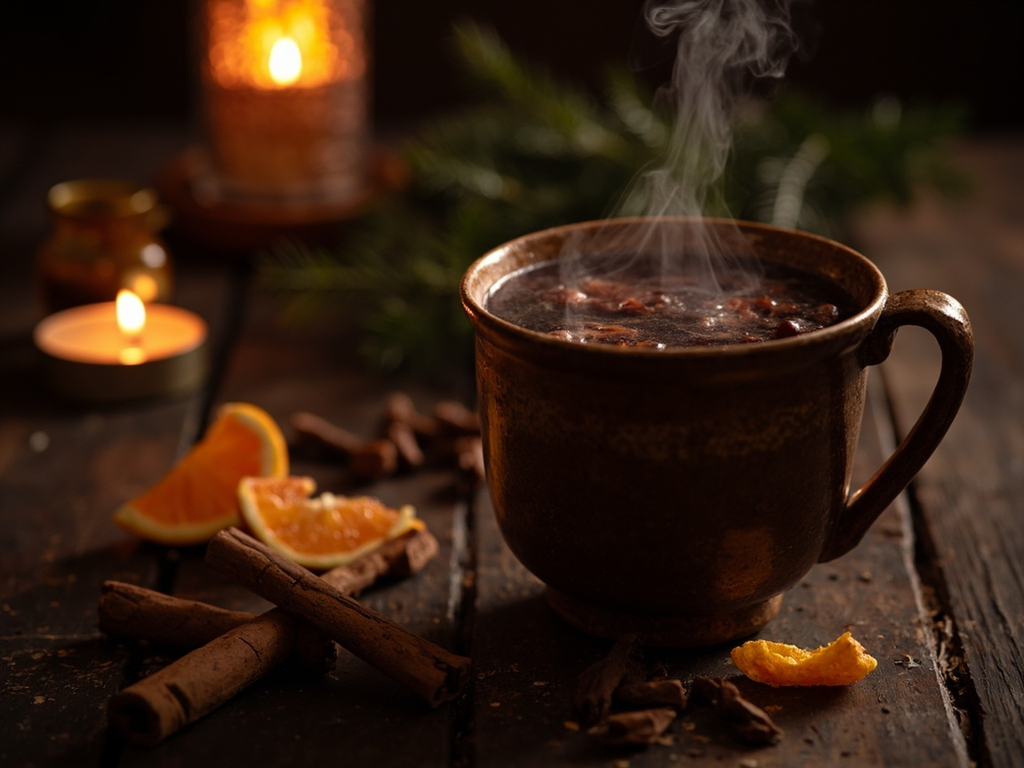
When the Neva carries its ice and the wind pierces you through, it is neither gold nor furs that save you, but a steaming mug of *sbiten* held in both hands. I have drunk it under the tent, alongside the soldiers, when we followed the armies: the honey melts, the spices bite, and the whole body revives. Boil it gently, do not stint on the ginger, and drink it so hot it almost burns your lips — that is how it cures the cold.
- •Honey — a good ladle (sweet base)
- •Water — a pot (infusion)
- •Ginger — a piece (heat)
- •Clove, cinnamon, cardamom — a few (spices)
- •Mint and sage leaves — a handful (herbal perfume)
- •Peppercorns, bay leaf — a few (lift)
Sbiten with Honey and Spices
A boiling hot infusion of honey and spices — ginger, clove, cinnamon — warming and fragrant. A comforting drink also considered good against cold and chills.
Why this dish? Before tea took over, *sbiten* was THE Russian hot drink, sold on the street and served at court to brave the winters of Saint Petersburg. Its spicy warmth comforted both the soldiers of Peter the Great — whose campaigns Catherine shared — and the guests of the palaces.
When the Neva carries its ice and the wind pierces you through, it is neither gold nor furs that save you, but a steaming mug of *sbiten* held in both hands. I have drunk it under the tent, alongside the soldiers, when we followed the armies: the honey melts, the spices bite, and the whole body revives. Boil it gently, do not stint on the ginger, and drink it so hot it almost burns your lips — that is how it cures the cold.
Ingredients (period version)
- Honey — a good ladle (sweet base)
- Water — a pot (infusion)
- Ginger — a piece (heat)
- Clove, cinnamon, cardamom — a few (spices)
- Mint and sage leaves — a handful (herbal perfume)
- Peppercorns, bay leaf — a few (lift)
Ingredients
- Honey — 150 g (sweet base)
- Water — 1 liter (infusion)
- Fresh ginger — 20 g, sliced (heat)
- Cloves — 4 (spice)
- Cinnamon stick — 1 (spice)
- Dried mint — 1 tsp (perfume)
- Black peppercorns, bay leaf — 5 grains, 1 leaf (lift)
Method
- Bring water to a simmer with spices, ginger, and bay leaf; steep covered for 15 min.
- Off the heat (around 60°C to preserve its virtues), dissolve the honey completely.
- Add mint, steep another 5 min.
- Strain carefully and serve piping hot in thick cups.
How it was made : *Sbiten* was sold on the street by itinerant vendors (*sbitenshchik*) carrying a large copper samovar-teapot on their backs. Some "strong" versions were fortified with *medovukha* or wine for adults; it was believed to have anti-cold properties. It declined in the 19th century in the face of tea from the samovar.
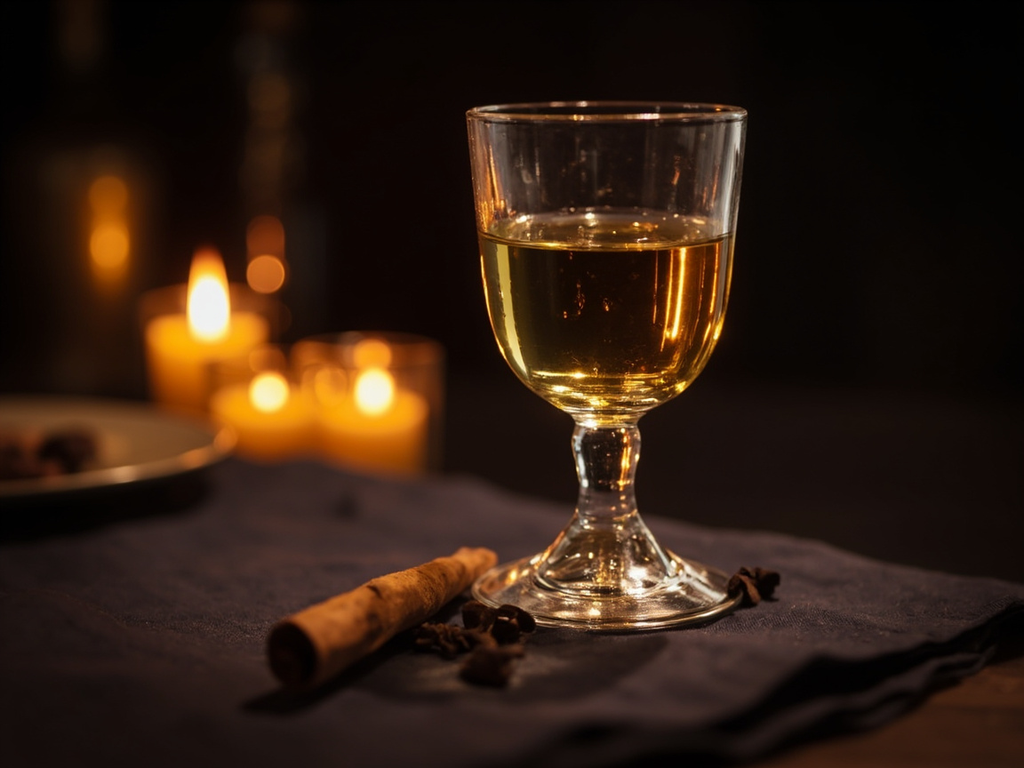
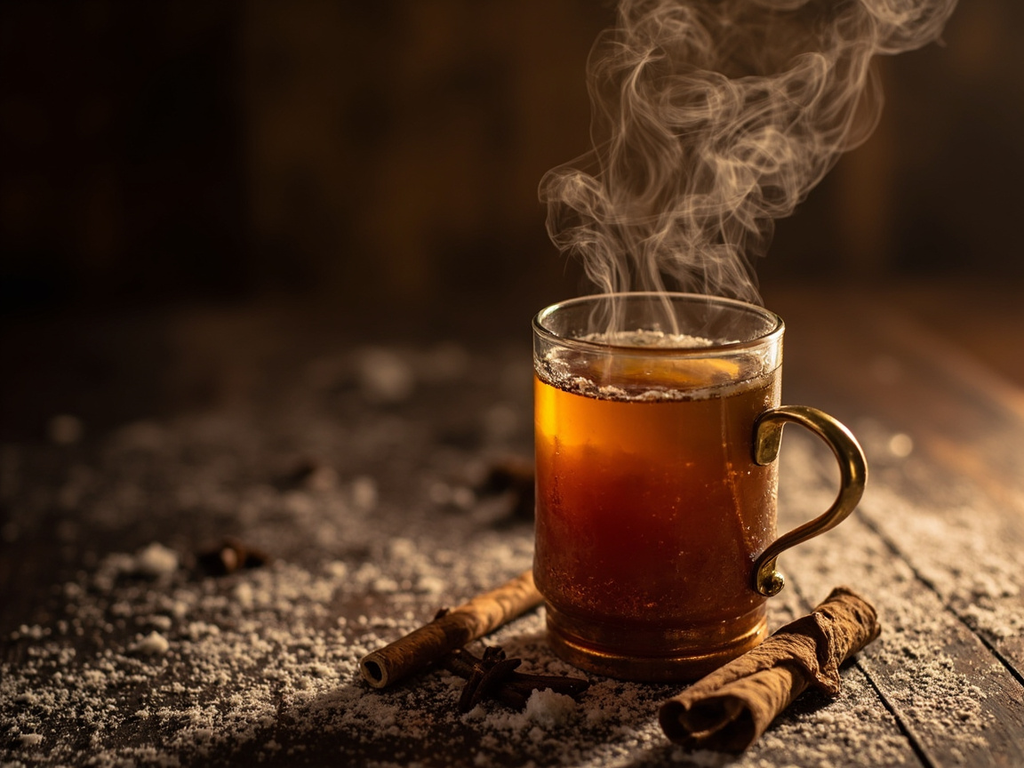
The contemporary twist : Served in a clear handled glass, a slice of candied ginger perched on the rim, to show its amber robe.
Sources : William Pokhlebkin, « La cuisine nationale de nos peuples » · Domostroï (recueil domestique russe, XVIe s.)
Catherine I · Charactorium