 flip
flipVino annacquato al miele — Watered Wine with Honey
Vino annacquato al miele — Watered Wine with Honey
Why this dish? Clare's diet knows only "water, or sometimes heavily diluted wine." Drinking wine largely cut with water was both a hygiene measure (pure water was not safe) and an act of temperance: one does not get drunk, one barely moistens the bread.
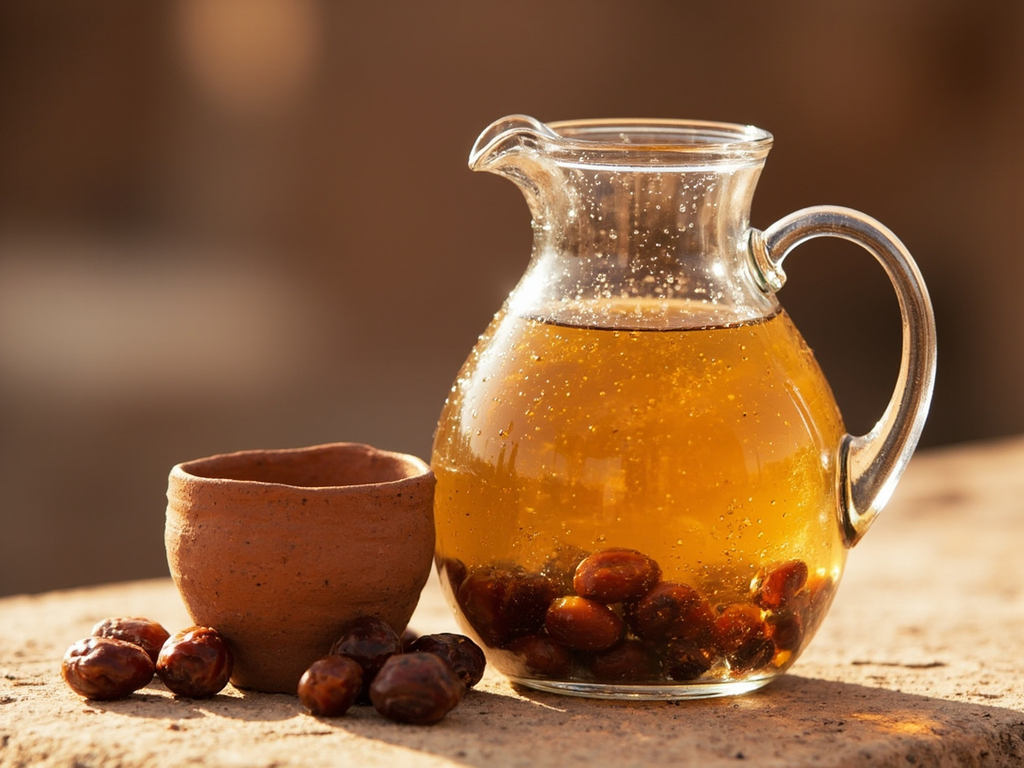
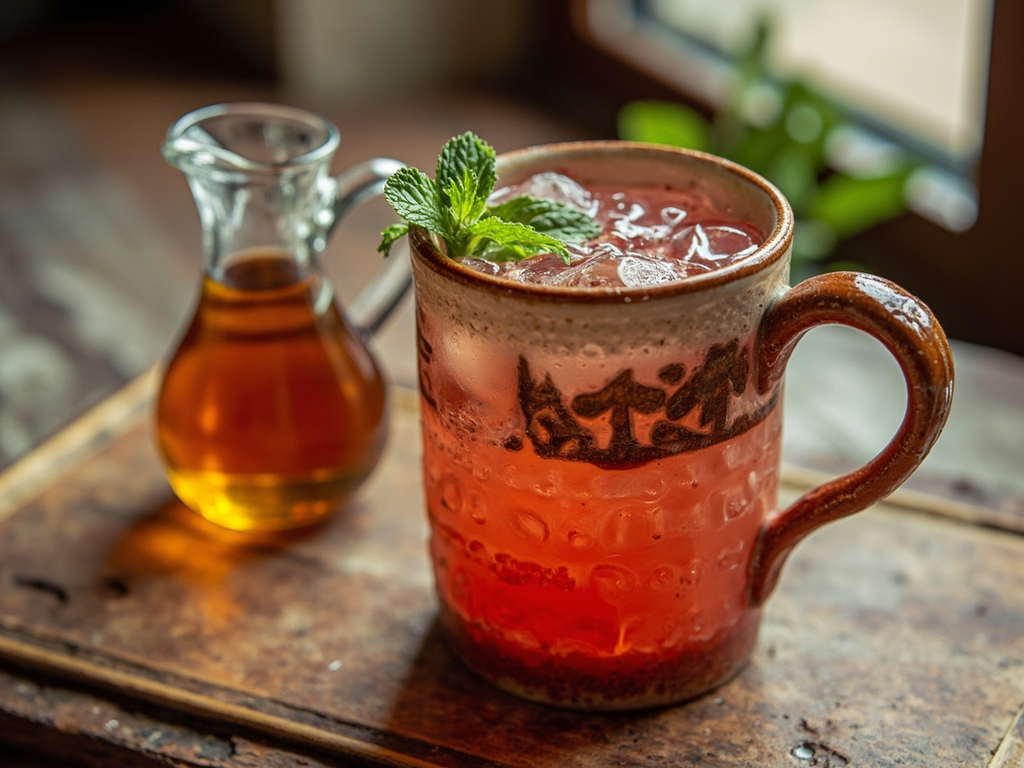
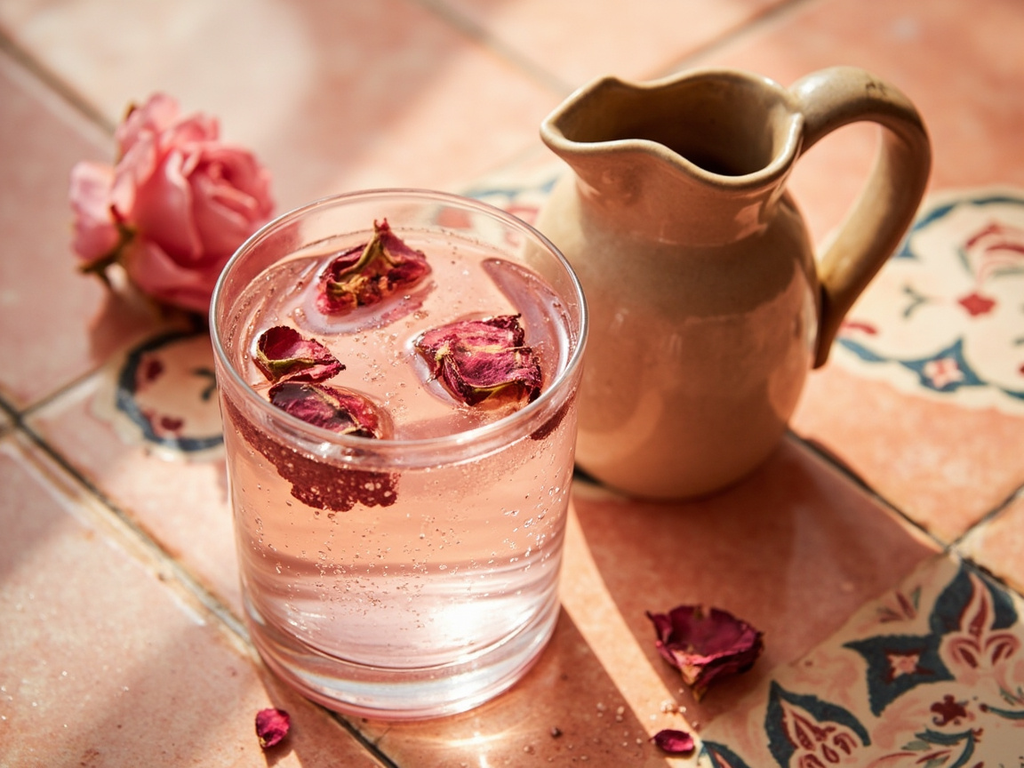
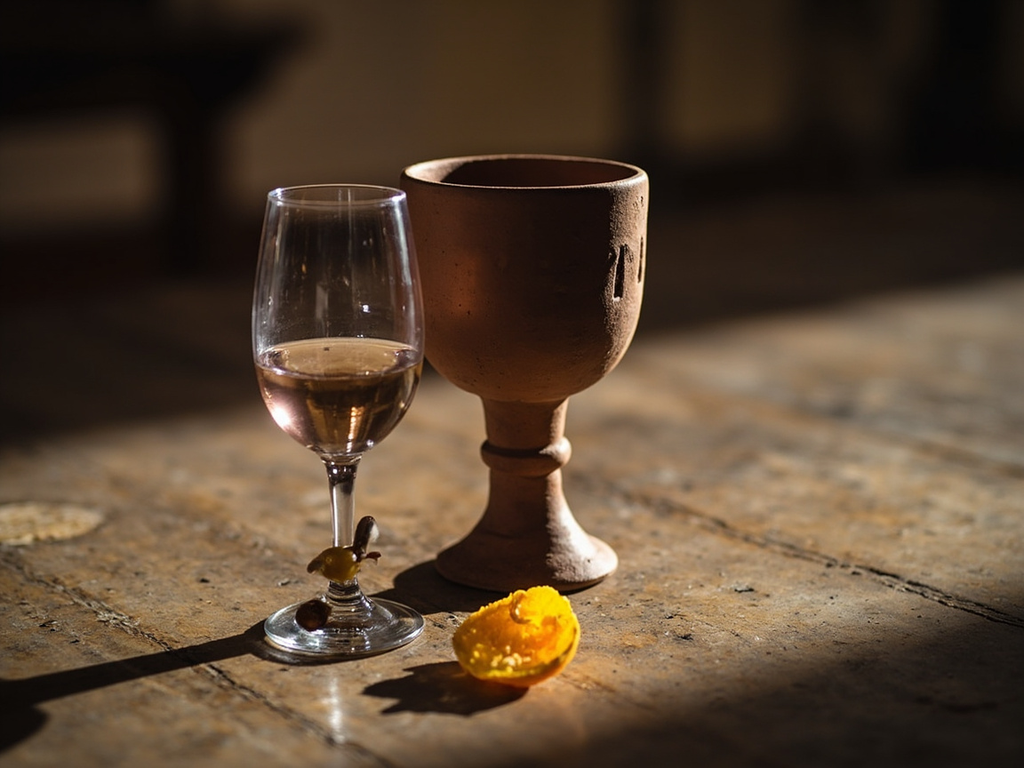
A goblet of light red wine drowned in spring water, barely tinted, sometimes sweetened with a touch of honey on feast days. Thirst-quenching, mildly acidic, it is the drink of moderation rather than pleasure.
See how my cup is almost transparent: I pour barely a finger of wine and drown it in clear water, for the Poor Lady does not drink for her own contentment but to sustain her weakness. On great feasts, I let a tear of honey melt in it, and that is enough to gladden the heart without troubling the mind. Drink thus, measuredly, and you will keep your head clear enough for night prayer.
- •Light Umbrian red wine — a finger (base, very minor)
- •Spring water — three to four times more (dilution (temperance and hygiene))
- •Honey — a touch (feast days) (optional sweetness)
Vino annacquato al miele — Watered Wine with Honey
A goblet of light red wine drowned in spring water, barely tinted, sometimes sweetened with a touch of honey on feast days. Thirst-quenching, mildly acidic, it is the drink of moderation rather than pleasure.
Why this dish? Clare's diet knows only "water, or sometimes heavily diluted wine." Drinking wine largely cut with water was both a hygiene measure (pure water was not safe) and an act of temperance: one does not get drunk, one barely moistens the bread.
See how my cup is almost transparent: I pour barely a finger of wine and drown it in clear water, for the Poor Lady does not drink for her own contentment but to sustain her weakness. On great feasts, I let a tear of honey melt in it, and that is enough to gladden the heart without troubling the mind. Drink thus, measuredly, and you will keep your head clear enough for night prayer.
Ingredients (period version)
- Light Umbrian red wine — a finger (base, very minor)
- Spring water — three to four times more (dilution (temperance and hygiene))
- Honey — a touch (feast days) (optional sweetness)
Ingredients
- Light red wine, low alcohol — 5 cl (base)
- Fresh spring water — 15 to 20 cl (dilution)
- Liquid honey — 1/2 tsp (optional) (sweeten for feast days)
- Bitter orange zest (optional) — 1 strip (medieval scent)
Method
- If you wish it sweet, first dissolve the honey in a little warm water, then let cool.
- Pour the wine into an earthenware or thick glass goblet.
- Largely dilute with fresh water (3 to 4 volumes of water to 1 of wine) until you get a very pale rosy tint.
- Add the honey water and a strip of zest if desired, stir, and serve cool.
- Consume in moderation, optionally dipping a piece of bread.
How it was made : Cutting wine with water was a habit inherited from Greco-Roman antiquity and continued throughout the Middle Ages: drinking "pure" was considered excessive, even dangerous. In religious orders, the measure of wine was strictly regulated by the rule, and penitents diluted it to the extreme. Since water alone was often unsafe, this mildly alcoholic mixture sanitized the drink.
The contemporary twist : Non-alcoholic version: a splash of red grape juice in sparkling water with an orange zest — a cloister "feast water" perfect for the whole table, including children.
Sources : Massimo Montanari, La faim et l'abondance. Histoire de l'alimentation en Europe · Règle de sainte Claire (Regula Sanctae Clarae), approuvée en 1253
Clare of Assisi · Charactorium