 flip
flipWalnut Wine for Midsummer
Walnut Wine for Midsummer
Why this dish? Monet, a passionate gardener, lived by the rhythm of his orchard and kitchen garden. Walnut wine, made with green walnuts picked at Midsummer (end of June), was the classic homemade aperitif of large French country houses of his time: a bottle kept for visits.
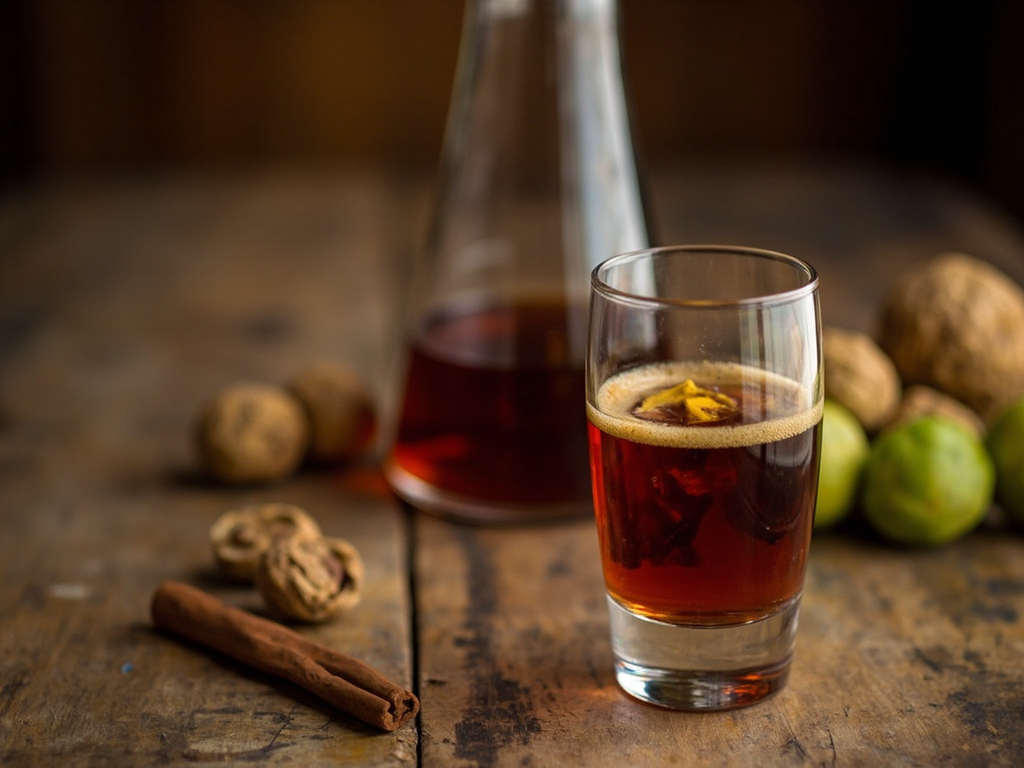
A homemade aperitif wine where green walnuts infuse in red wine with brandy, sugar, and spices. Bitter, woody, and comforting, it improves over several months in the cellar before being served in small glasses.
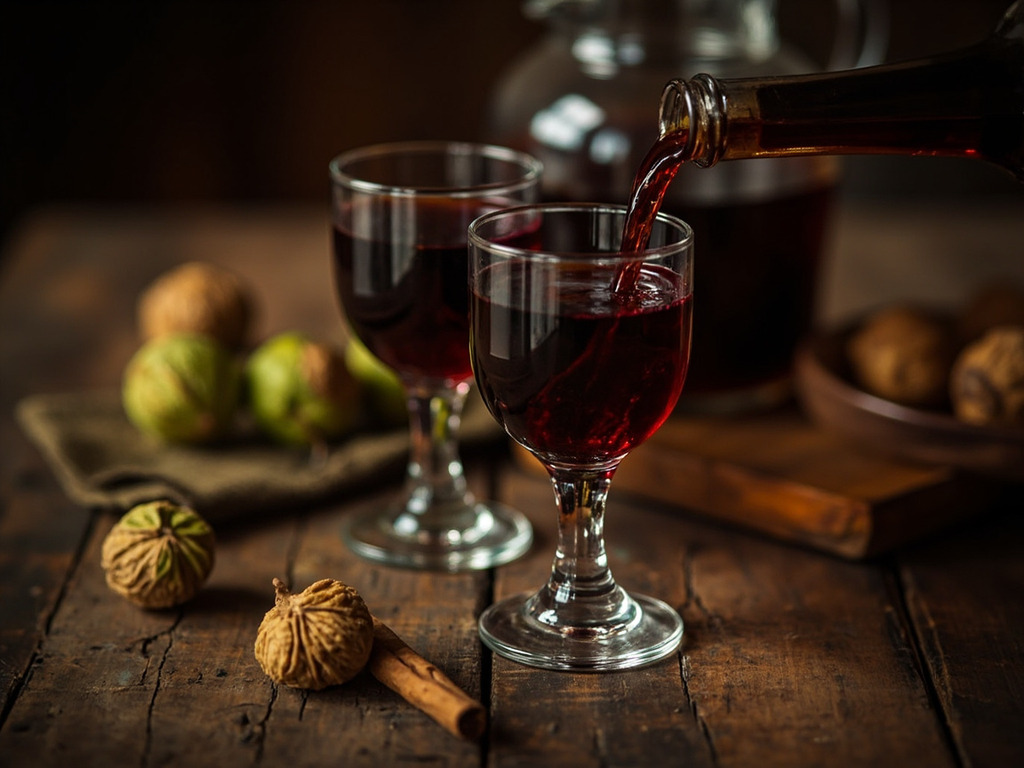
At Midsummer, when the walnuts are still tender under the knife, we pick them from the garden and prepare the year's wine. I cut the walnuts into quarters, drown them in good wine with brandy, sugar, and a cinnamon stick, and let time do its work in the cellar. Patience: it takes two full moons before tasting. This is the dark little glass I offer to a visiting friend, before taking him to see my water lilies.
- •Green walnuts from the orchard (picked late June) — about twenty (bitterness and perfume)
- •Good red wine — several bottles (base)
- •Brandy — a large glass (aroma fixer)
- •Sugar — by the pound (sweetness)
- •Cinnamon, clove, orange zest — to taste (spices)
Walnut Wine for Midsummer
A homemade aperitif wine where green walnuts infuse in red wine with brandy, sugar, and spices. Bitter, woody, and comforting, it improves over several months in the cellar before being served in small glasses.
Why this dish? Monet, a passionate gardener, lived by the rhythm of his orchard and kitchen garden. Walnut wine, made with green walnuts picked at Midsummer (end of June), was the classic homemade aperitif of large French country houses of his time: a bottle kept for visits.
At Midsummer, when the walnuts are still tender under the knife, we pick them from the garden and prepare the year's wine. I cut the walnuts into quarters, drown them in good wine with brandy, sugar, and a cinnamon stick, and let time do its work in the cellar. Patience: it takes two full moons before tasting. This is the dark little glass I offer to a visiting friend, before taking him to see my water lilies.
Ingredients (period version)
- Green walnuts from the orchard (picked late June) — about twenty (bitterness and perfume)
- Good red wine — several bottles (base)
- Brandy — a large glass (aroma fixer)
- Sugar — by the pound (sweetness)
- Cinnamon, clove, orange zest — to taste (spices)
Ingredients
- Whole green walnuts (late June) — 20 (bitterness and perfume)
- Full-bodied red wine — 2 liters (base)
- Brandy or vodka (40°) — 25 cl (aroma fixer)
- Sugar — 300 g (sweetness)
- Cinnamon stick — 1 (spice)
- Zest of 1 untreated orange — 1 (flavor)
Method
- Cut the green walnuts into quarters (wear gloves, they stain heavily).
- Place them in a large jar with the wine, brandy, sugar, cinnamon, and zest.
- Close and let macerate for 40 to 60 days in a cool, dark place, stirring occasionally.
- Strain through cheesecloth, bottle.
- Let age another 2 to 3 months in the cellar before serving chilled, in small glasses as an aperitif.
How it was made : In rural 19th-century France, every household made its own *vins* and ratafias from garden fruits: walnuts, blackcurrants, peaches. Picking green walnuts on Midsummer's Day was almost an agricultural rite, the husk also being used for dyeing and... for painters' pigments, which would not have escaped Monet.
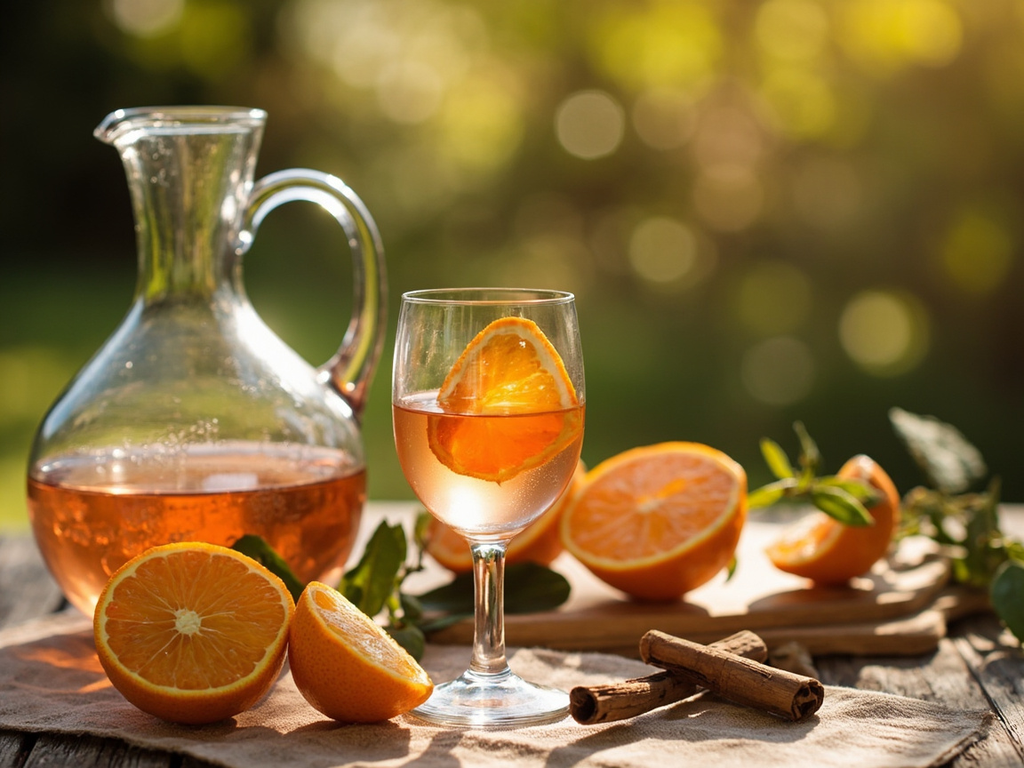
The contemporary twist : Served very cold over a large ice cube with an orange twist, it becomes a perfect homemade vermouth for a summer garden aperitif.
Claude Monet · Charactorium