 flip
flipPlakous with Honey and Sesame
Plakous with Honey and Sesame
Why this dish? Cleopatra presented herself as the 'New Isis' and participated in the cult of the great goddess. Honey cakes were among the sweet offerings presented to Greco-Egyptian deities; this *plakous*, inspired by the sweet cakes offered in temples, evokes this sacred link without reproducing the rite.
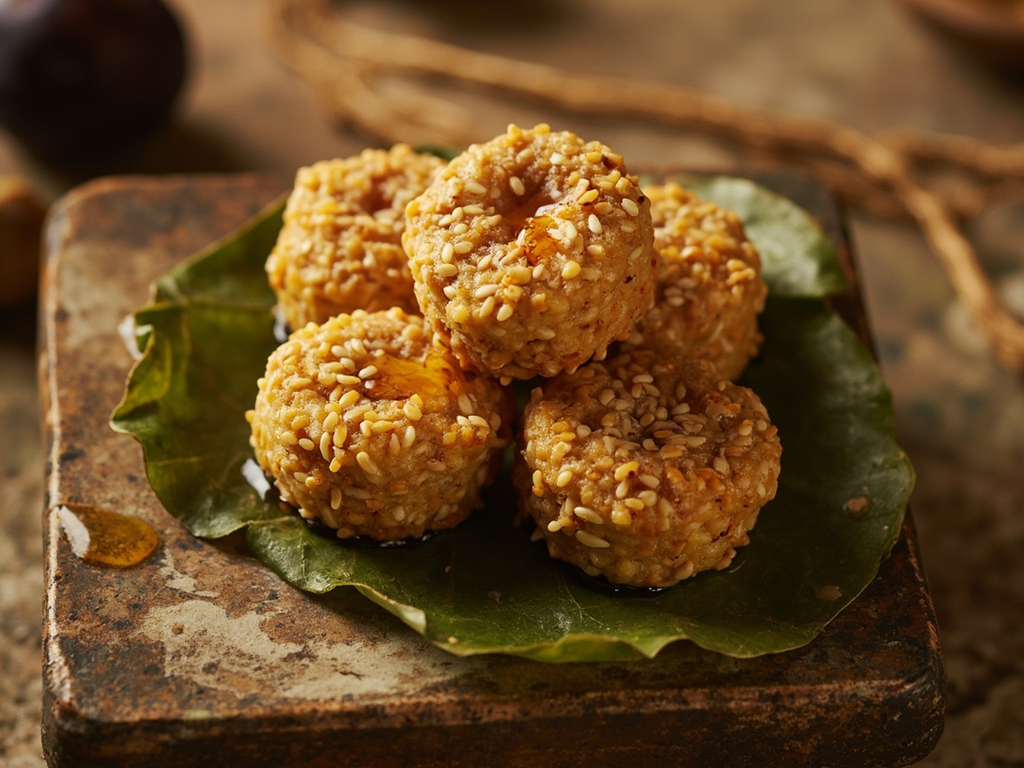
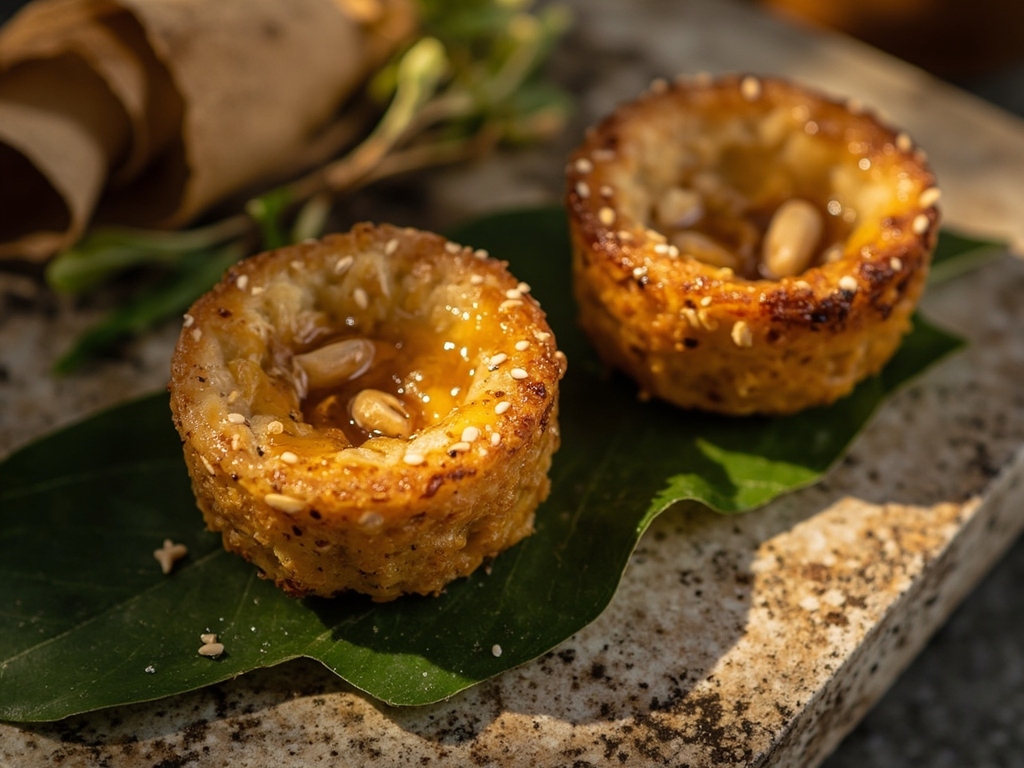
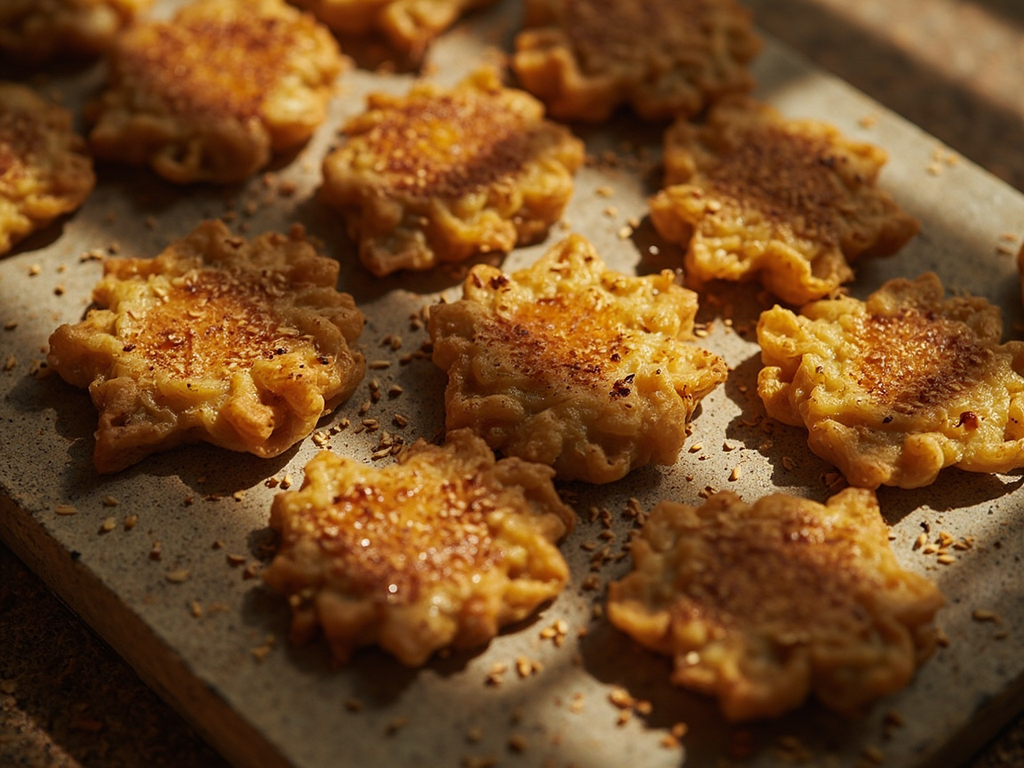
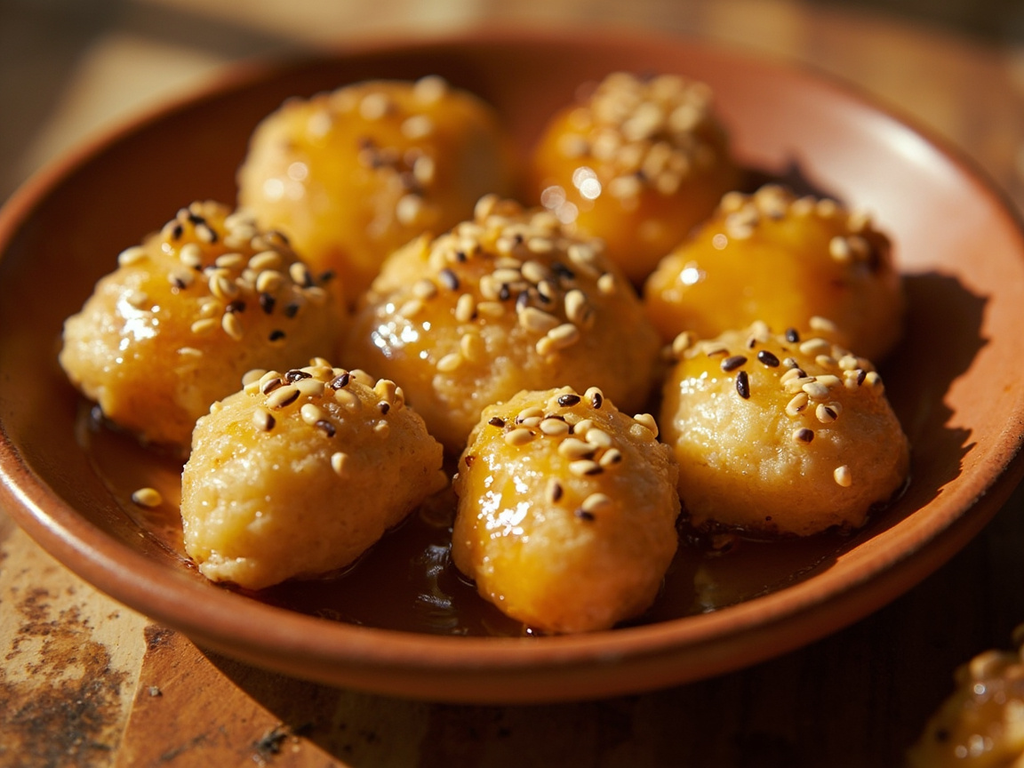
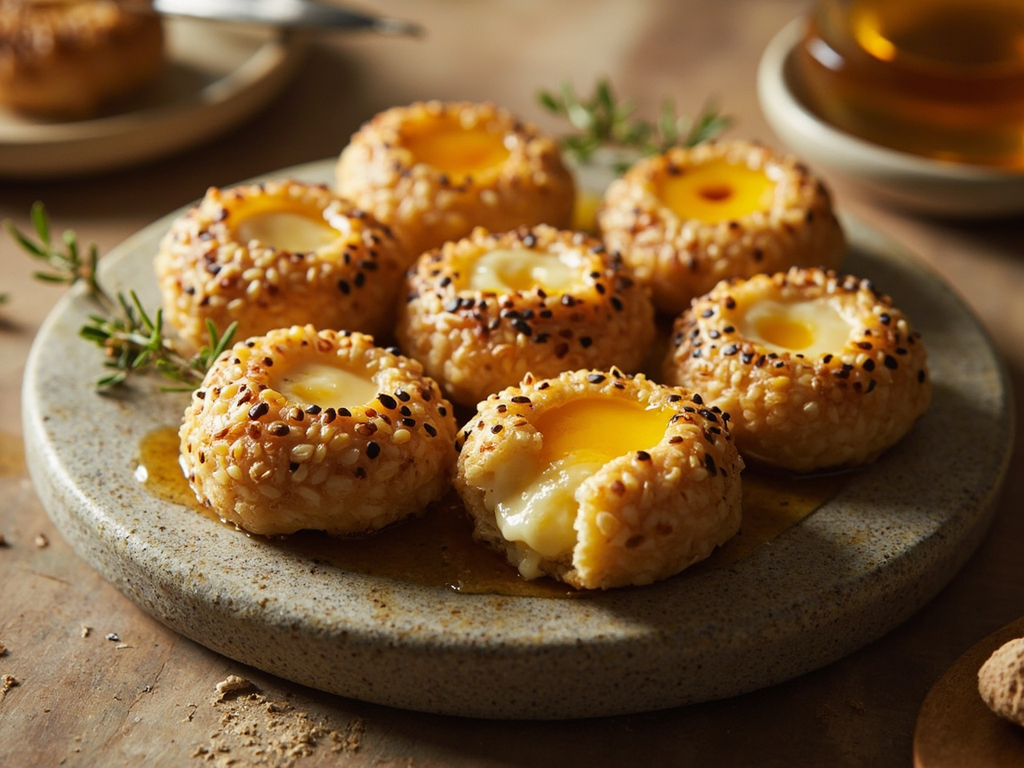
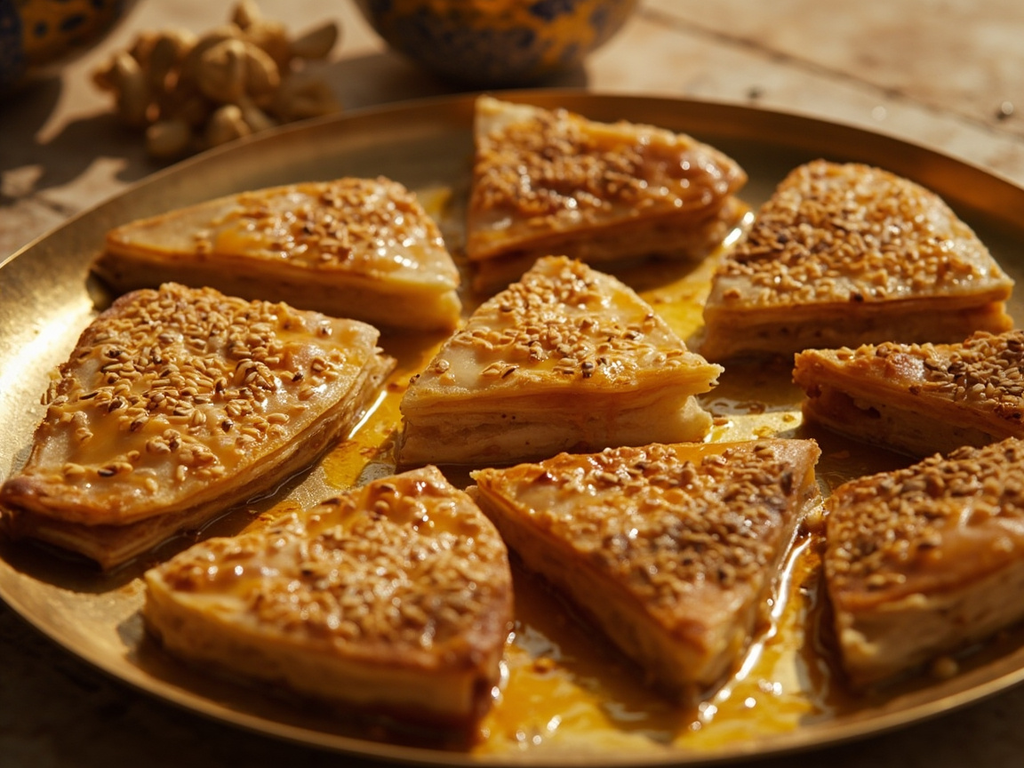
A flat cake of thin layers drizzled with honey and sprinkled with toasted sesame, crispy and deeply sweet. The Greek *plakous*, distant ancestor of baklava, was enjoyed with wine — and also placed on altars as a sign of devotion.
I am called Nea Isis, the New Isis, and one does not come before the goddess empty-handed. For her, and for my guests at wine time, my servants prepare this cake of thin leaves that we coat with our clearest honey and sprinkle with toasted sesame. Break off a piece, stranger: what pleases the gods may well please men. But remember that sweetness on my table is also a prayer.
- •Wheat flour — as needed (thin dough)
- •Honey — abundantly (coating, binder)
- •Sesame seeds — a handful (toasted garnish)
- •Oil — a little (dough softness)
Plakous with Honey and Sesame
A flat cake of thin layers drizzled with honey and sprinkled with toasted sesame, crispy and deeply sweet. The Greek *plakous*, distant ancestor of baklava, was enjoyed with wine — and also placed on altars as a sign of devotion.
Why this dish? Cleopatra presented herself as the 'New Isis' and participated in the cult of the great goddess. Honey cakes were among the sweet offerings presented to Greco-Egyptian deities; this *plakous*, inspired by the sweet cakes offered in temples, evokes this sacred link without reproducing the rite.
I am called Nea Isis, the New Isis, and one does not come before the goddess empty-handed. For her, and for my guests at wine time, my servants prepare this cake of thin leaves that we coat with our clearest honey and sprinkle with toasted sesame. Break off a piece, stranger: what pleases the gods may well please men. But remember that sweetness on my table is also a prayer.
Ingredients (period version)
- Wheat flour — as needed (thin dough)
- Honey — abundantly (coating, binder)
- Sesame seeds — a handful (toasted garnish)
- Oil — a little (dough softness)
Ingredients
- Phyllo dough (thin sheets) — 6 sheets (crispy layers)
- Honey — 150 g (syrup coating)
- Sesame seeds — 60 g (garnish)
- Melted butter or neutral oil — 50 g (brushing between layers)
- Water — 2 tbsp (to thin honey)
Method
- Toast sesame seeds in a dry pan until golden.
- Brush each phyllo sheet with melted butter and stack in a small baking dish.
- Bake at 170°C for 20 minutes until golden and crispy.
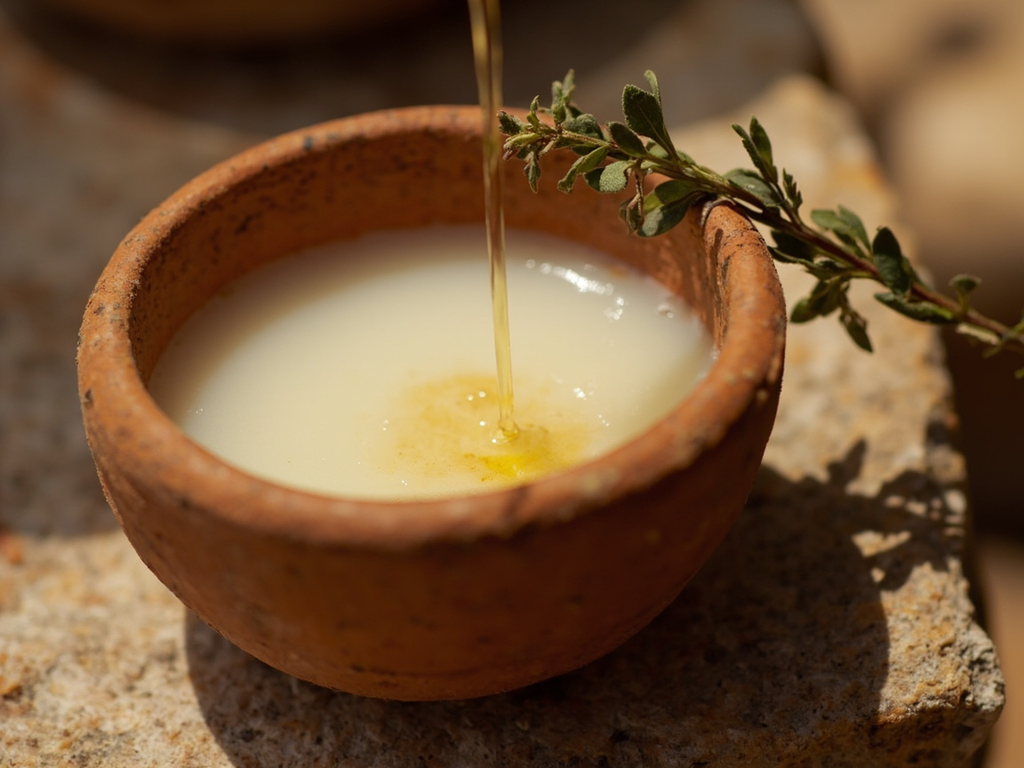
- Warm honey with water, then pour over the hot cake to soak in.
- Immediately sprinkle with toasted sesame and let cool before cutting into diamonds.
How it was made : The *plakous* (πλακοῦς) is one of the cakes most cited by Greek authors: layers of dough, honey, fresh cheese, or seeds, it was infinitely varied. Honey was the only sugar of the ancient world, and sesame, long cultivated in Egypt and the East, provided oil and fragrant seeds. These sweets accompanied wine and served as votive offerings in sanctuaries.
The contemporary twist : A few orange zest strips and a pinch of cardamom in the honey bring the *plakous* closer to its modern Middle Eastern cousins.
Sources : Athenaeus of Naucratis, The Deipnosophists (collection of Greek cakes) · Andrew Dalby, Siren Feasts: A History of Food and Gastronomy in Greece (1996)
Cleopatra · Charactorium