 flip
flipHoney and Sesame Cakes for the Altar (Popana)
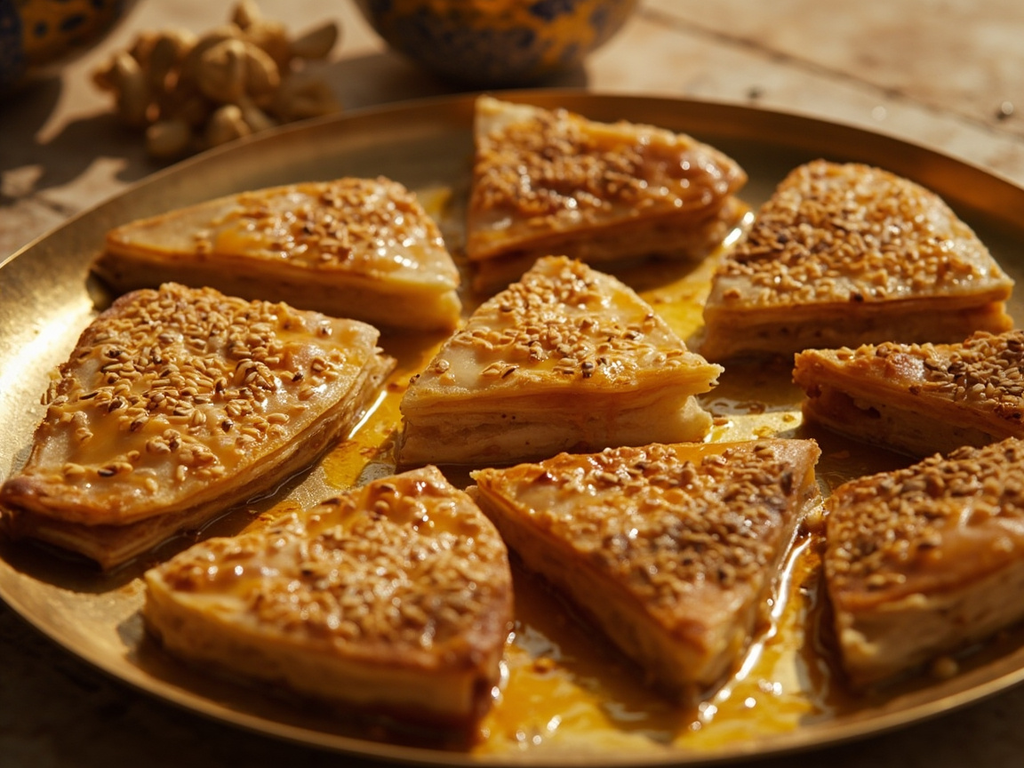
Honey and Sesame Cakes for the Altar (Popana)
Why this dish? Berenice was deified after her death and received a cult alongside Ptolemy — the "Savior Gods." The Greeks honored their deities with small honey and cereal flat cakes, popana, placed on the altar. Evoking these offering cakes touches the ritual gesture by which the queen-turned-goddess was symbolically nourished.
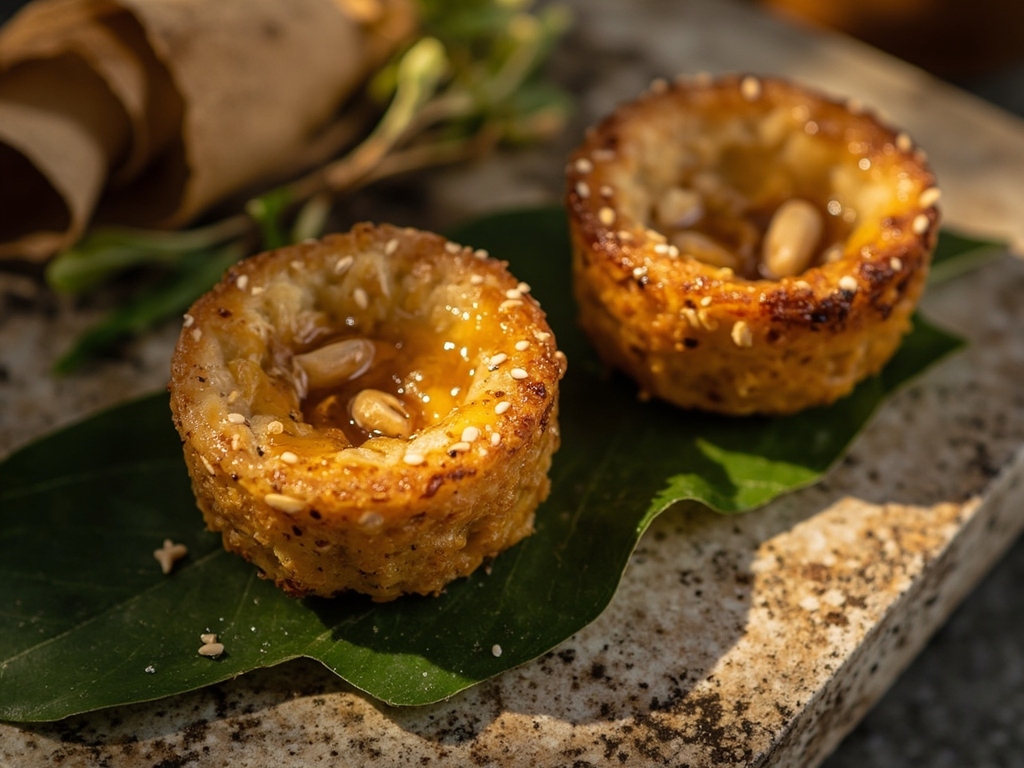
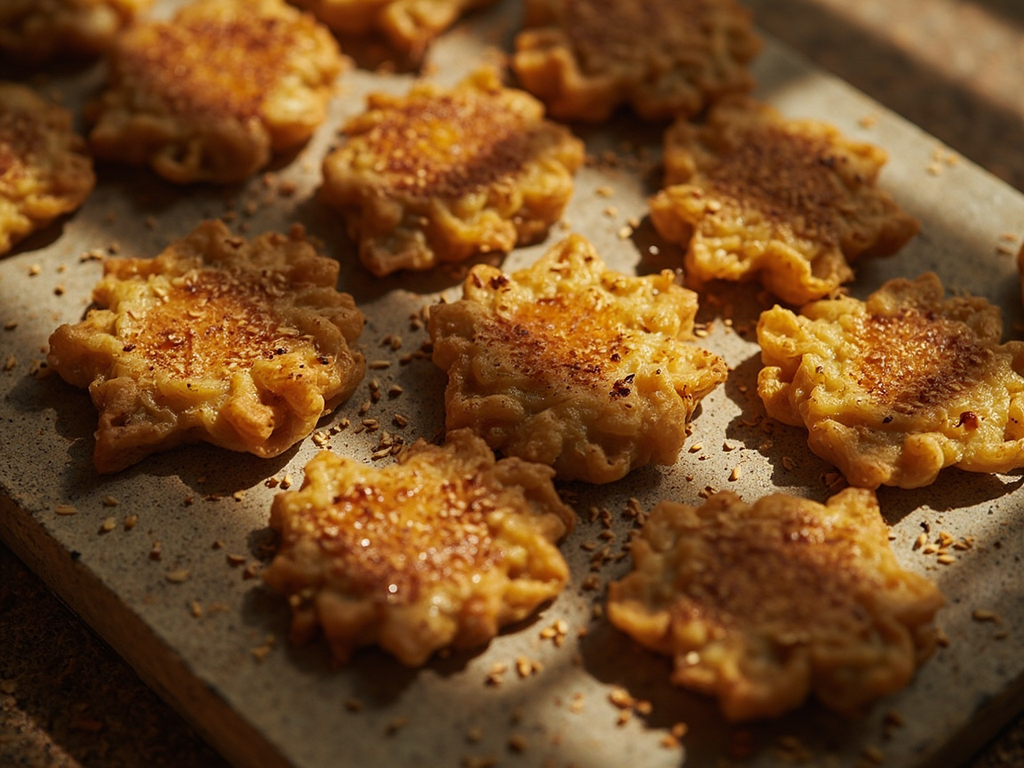
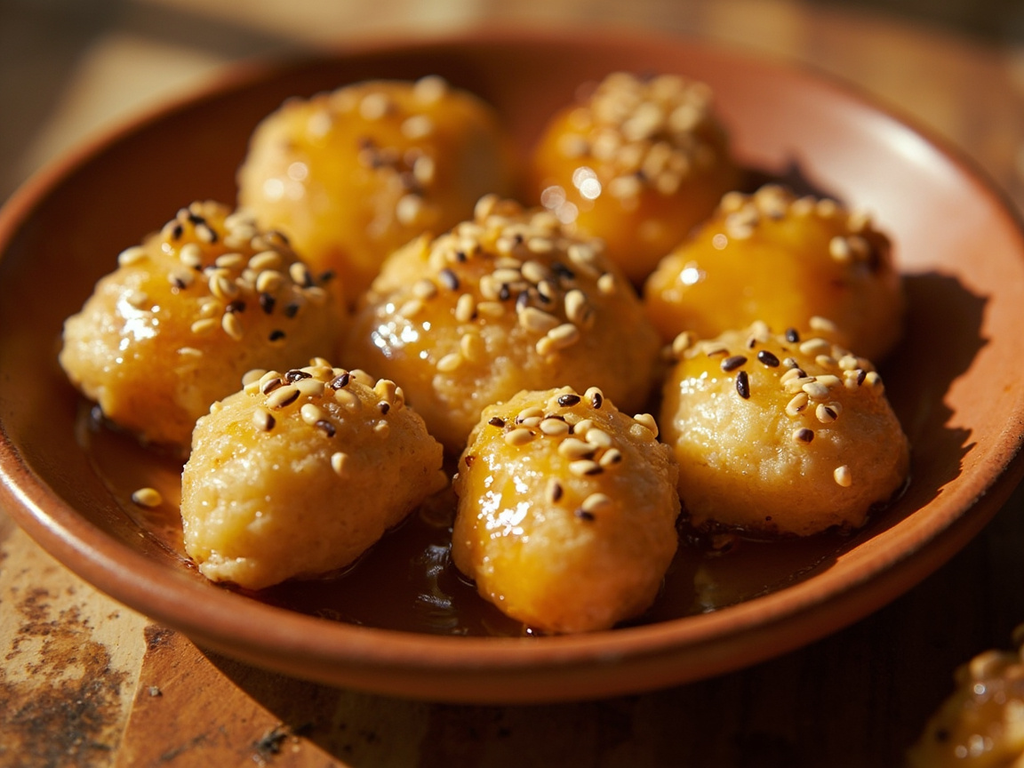
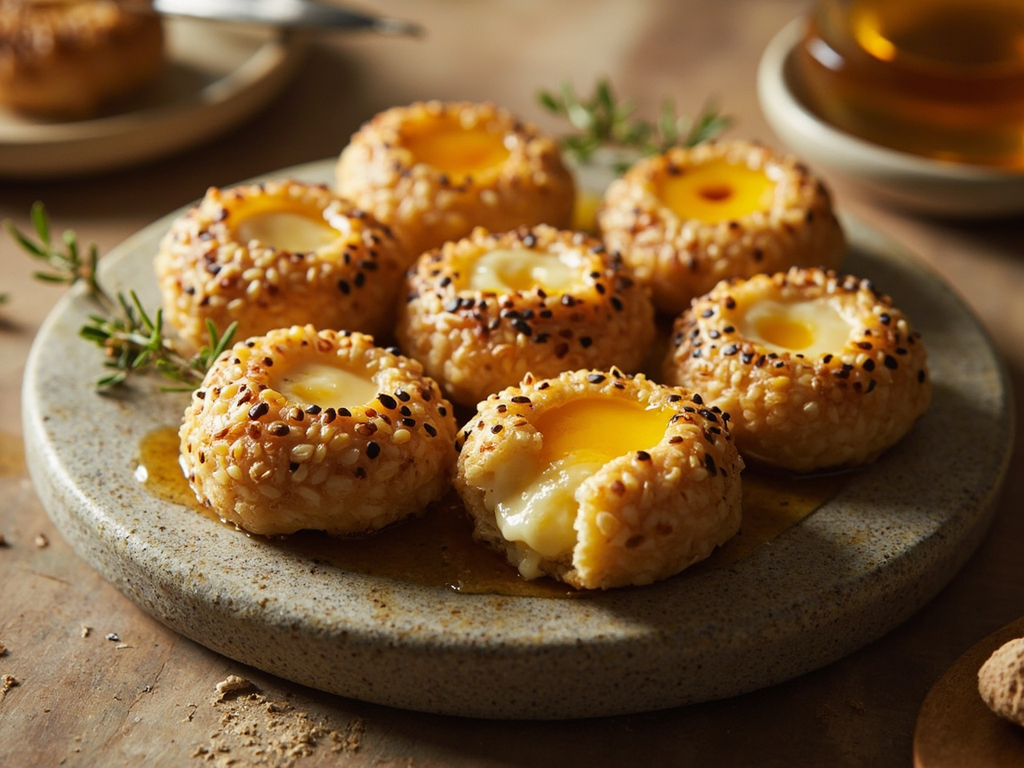
Small round honey cakes with flour and sesame, scented with fig must: the simple sweets placed as offerings on Greek altars. Inspired by ritual popana, presented here as a domestic pastry.
When I am gone, they will count me among the Saviors and burn incense for me. But to the gods, you see, one does not offer only smoke: one places on the altar these small round cakes, kneaded with flour and honey, sprinkled with sesame seeds. Make them modest and well-formed, for the gods judge the heart, not the expense. Place them with a word, and let a share go to those who are hungry: thus the offering nourishes twice.
- •Wheat flour — two handfuls (base)
- •Honey — generously (sweet binder)
- •Sesame seeds — a handful (topping)
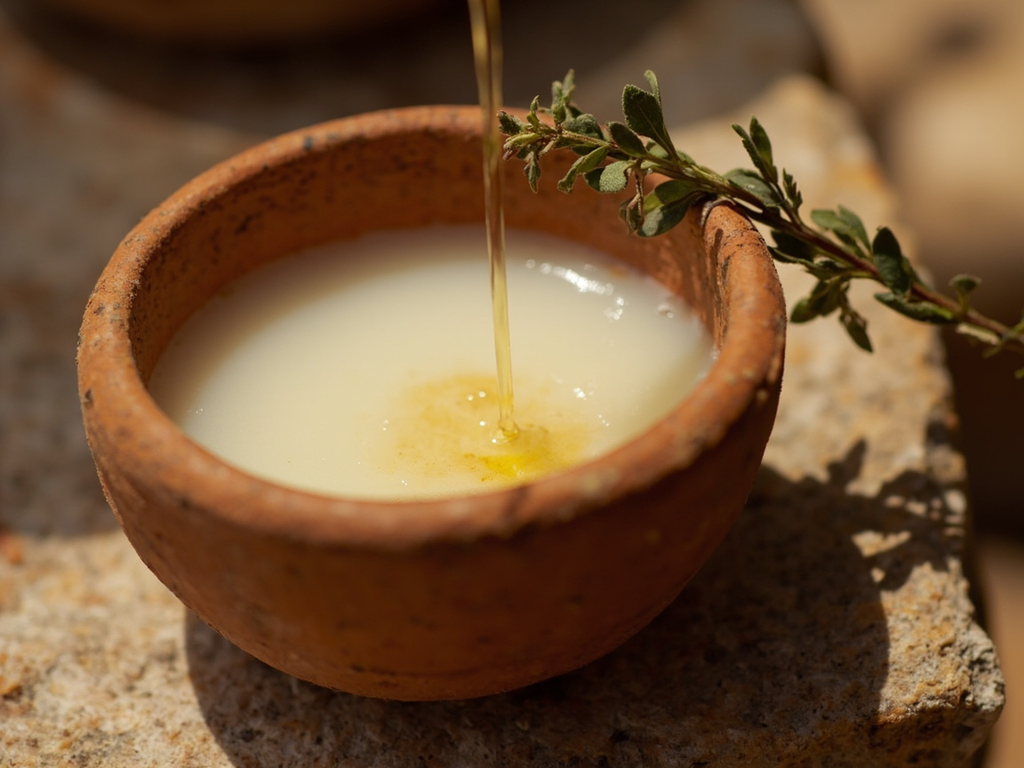
- •Fig must or fig syrup — a drizzle (fragrance)
- •Olive oil — a little (fat)
Honey and Sesame Cakes for the Altar (Popana)
Small round honey cakes with flour and sesame, scented with fig must: the simple sweets placed as offerings on Greek altars. Inspired by ritual popana, presented here as a domestic pastry.
Why this dish? Berenice was deified after her death and received a cult alongside Ptolemy — the "Savior Gods." The Greeks honored their deities with small honey and cereal flat cakes, popana, placed on the altar. Evoking these offering cakes touches the ritual gesture by which the queen-turned-goddess was symbolically nourished.
When I am gone, they will count me among the Saviors and burn incense for me. But to the gods, you see, one does not offer only smoke: one places on the altar these small round cakes, kneaded with flour and honey, sprinkled with sesame seeds. Make them modest and well-formed, for the gods judge the heart, not the expense. Place them with a word, and let a share go to those who are hungry: thus the offering nourishes twice.
Ingredients (period version)
- Wheat flour — two handfuls (base)
- Honey — generously (sweet binder)
- Sesame seeds — a handful (topping)
- Fig must or fig syrup — a drizzle (fragrance)
- Olive oil — a little (fat)
Ingredients
- Wheat flour — 200 g (base)
- Honey — 100 g (sweet binder)
- Sesame seeds — 40 g (topping)
- Fig syrup (or dried figs blended into a paste) — 2 tbsp (fragrance)
- Mild olive oil — 2 tbsp (fat)
- Water — a little, to bind (binder)
Method
- Lightly toast sesame seeds in a dry pan until golden and fragrant.
- Mix flour, honey, fig syrup, and oil; add a little water if needed to form a supple dough.
- Fold half the sesame seeds into the dough.
- Shape small round flat cakes, and sprinkle with the remaining sesame, pressing lightly.
- Bake for 12 to 15 minutes at 180 °C, until golden.
- Let cool: they firm up and keep for several days.
How it was made : The Greeks offered the gods a whole family of ritual cakes — popana, pelanos, honey and sesame cakes — placed on altars rather than sacrificed by fire, especially for domestic deities and new cults. The cult of deified Lagid rulers, like Berenice and Ptolemy "Savior Gods," adopted these traditional Greek gestures. Since sugar was unknown, honey and fruit syrups (fig, grape) provided all the sweetness.
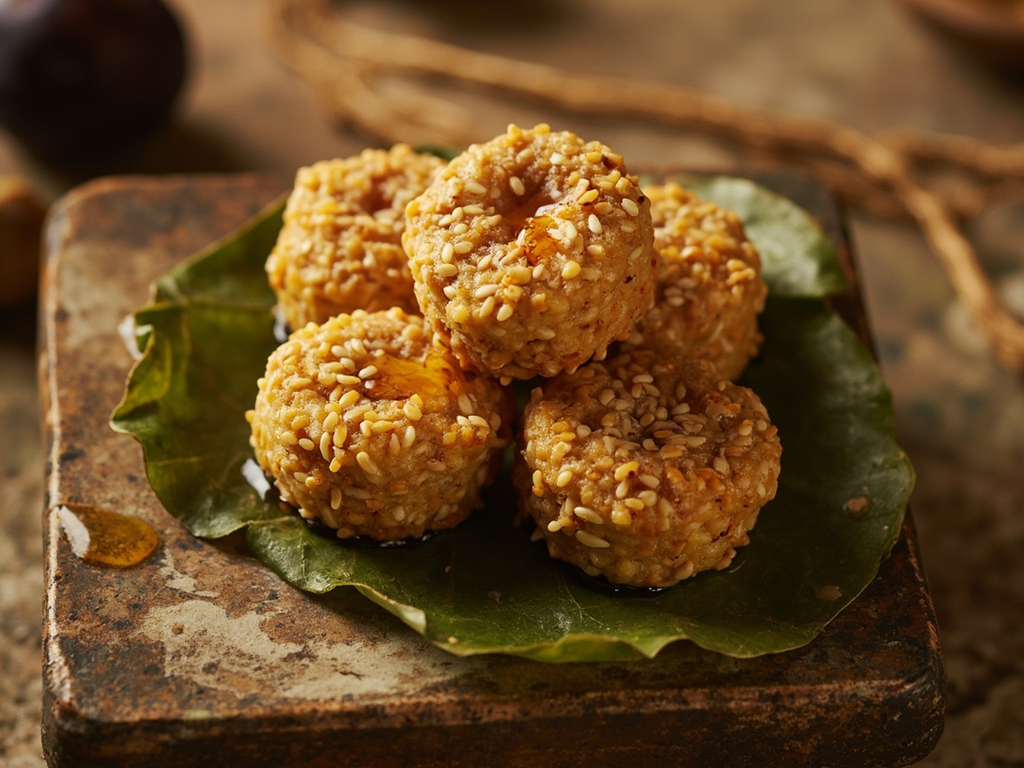
The contemporary twist : Stacked in a small pile on a fig leaf, a drizzle of warm honey on top, as a "sharing offering."
Sources : Pausanias, Description of Greece (cake offerings) · Andrew Dalby, Food in the Ancient World from A to Z
Berenice I · Charactorium