 flip
flipPalathè — Pressed Fig Cake of the Pactolus
Palathè — Pressed Fig Cake of the Pactolus
Why this dish? Lydia abounded in fig trees, and dried then pressed figs (palathè) were the sweet reserve taken on campaign or kept for the bad season. For a king whose messengers ran as far as Delphi and whose armies marched toward the Halys, it was the sweetness of the road.
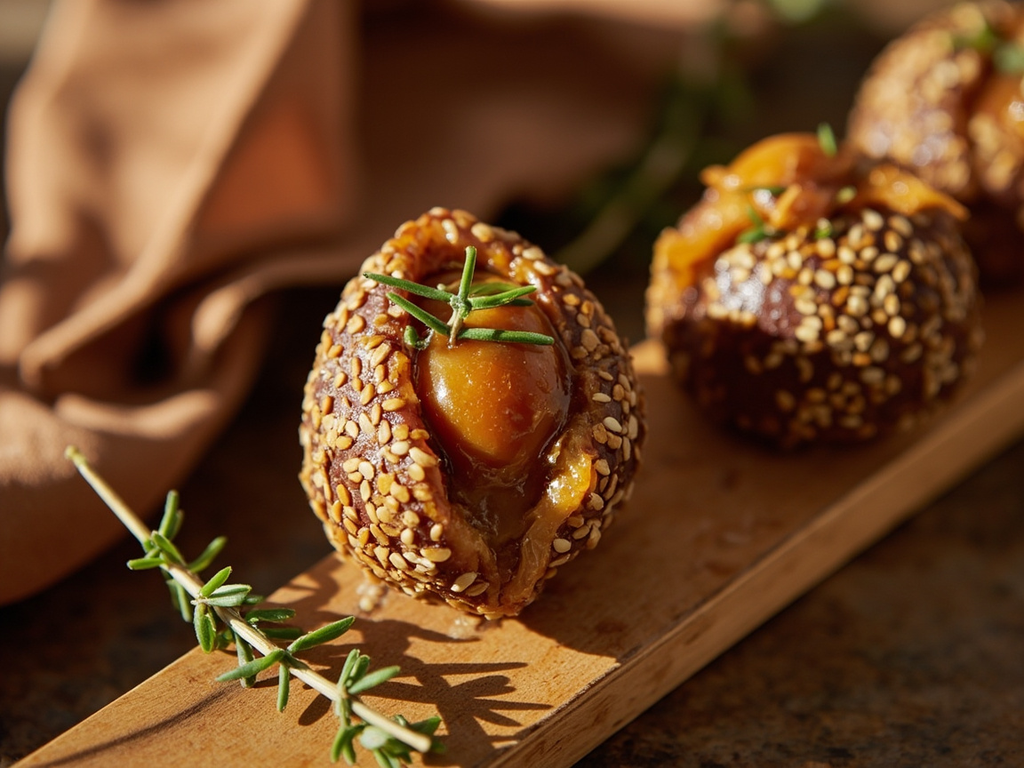
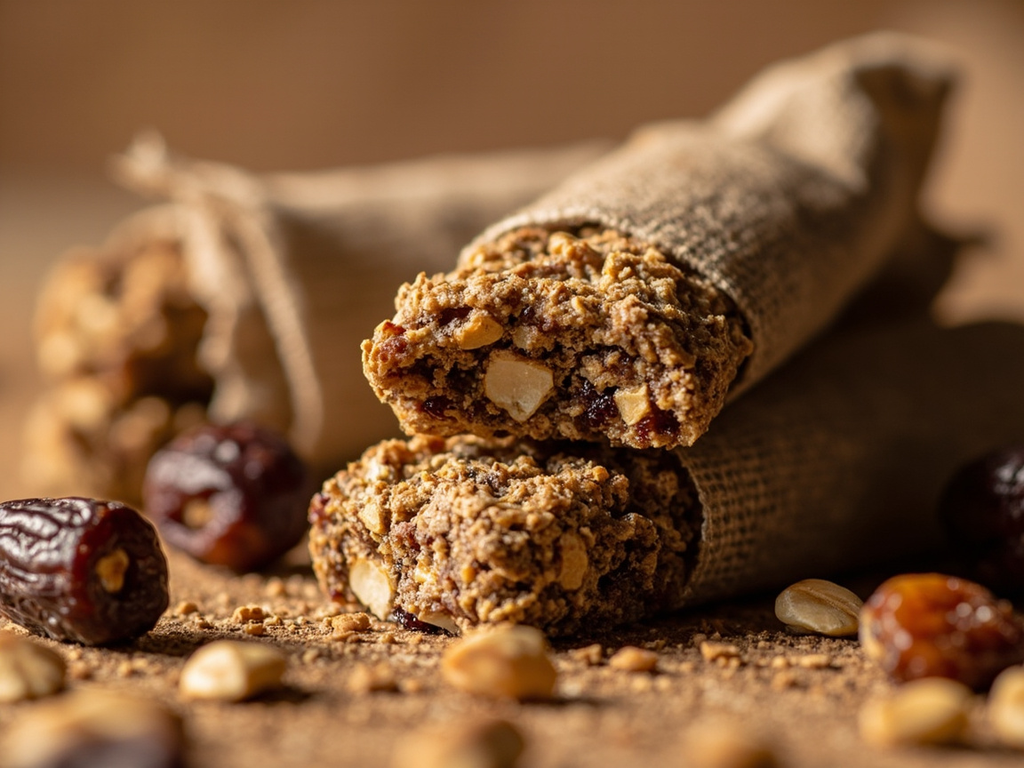
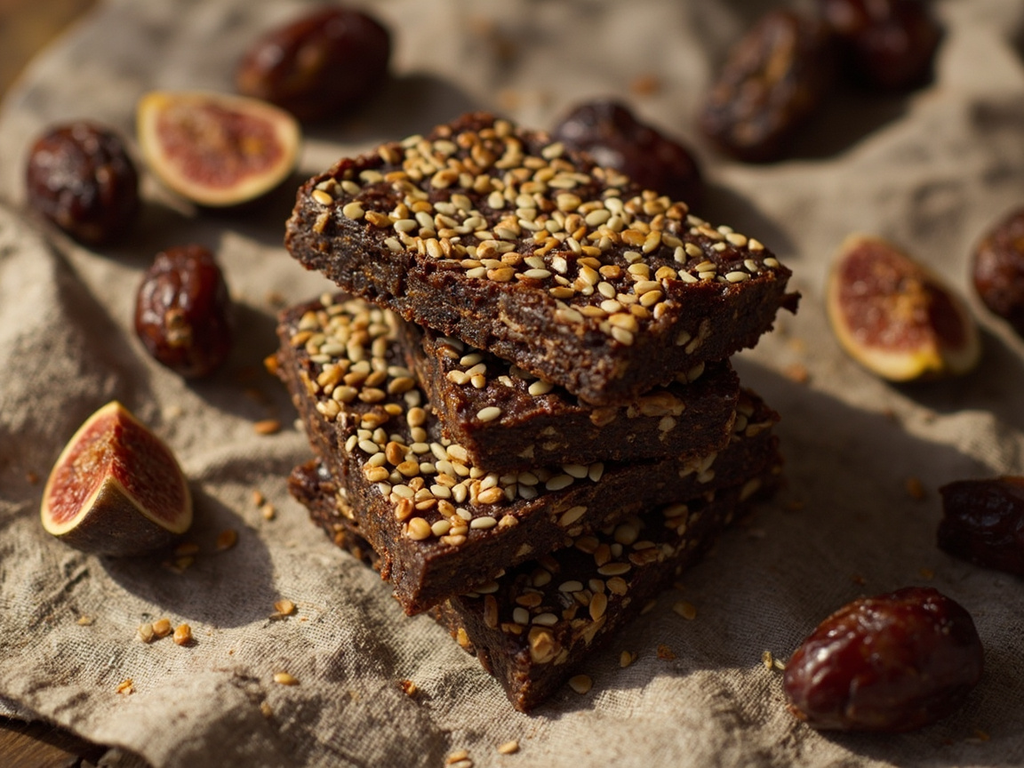
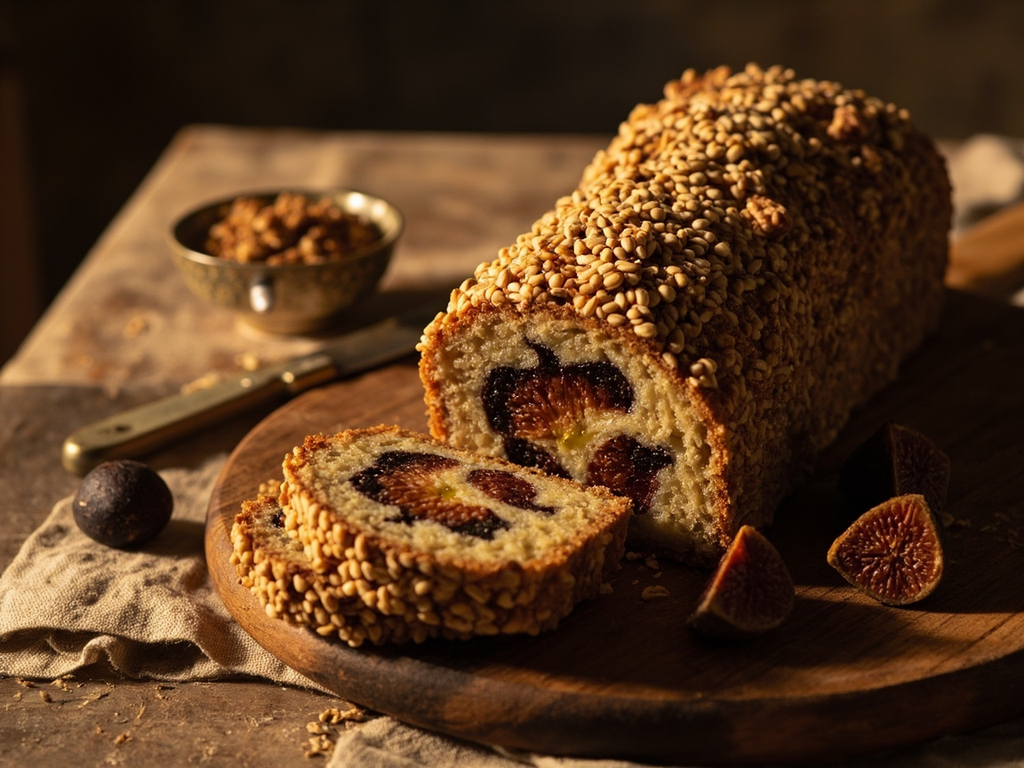
Dried figs crushed with walnuts and a hint of honey, pressed into a dense cake that can be sliced. A concentrated energy and sunshine, it keeps well and travels without spoiling.
When my heralds set out to consult the oracle, or my troops marched along the Halys toward Cyrus's kingdom, I wanted them to carry a little of my country's sweetness. We take figs ripened under the Lydian sun, crush them with walnuts, bind with a drizzle of honey, and press into a cake. One bite keeps a man upright for half a day. Keep it, stranger: the road is long, and no one knows when fortune turns.
- •Dried figs — a large measure (sweet base)
- •Walnuts (or almonds) — a handful (body, crunch)
- •Honey — a drizzle (binder, preservation)
- •Sesame seeds — for rolling (coating)
- •Fig or bay leaves — for wrapping (preservation, aroma)
Palathè — Pressed Fig Cake of the Pactolus
Dried figs crushed with walnuts and a hint of honey, pressed into a dense cake that can be sliced. A concentrated energy and sunshine, it keeps well and travels without spoiling.
Why this dish? Lydia abounded in fig trees, and dried then pressed figs (palathè) were the sweet reserve taken on campaign or kept for the bad season. For a king whose messengers ran as far as Delphi and whose armies marched toward the Halys, it was the sweetness of the road.
When my heralds set out to consult the oracle, or my troops marched along the Halys toward Cyrus's kingdom, I wanted them to carry a little of my country's sweetness. We take figs ripened under the Lydian sun, crush them with walnuts, bind with a drizzle of honey, and press into a cake. One bite keeps a man upright for half a day. Keep it, stranger: the road is long, and no one knows when fortune turns.
Ingredients (period version)
- Dried figs — a large measure (sweet base)
- Walnuts (or almonds) — a handful (body, crunch)
- Honey — a drizzle (binder, preservation)
- Sesame seeds — for rolling (coating)
- Fig or bay leaves — for wrapping (preservation, aroma)
Ingredients
- Soft dried figs — 300 g (base)
- Walnut halves — 80 g (texture)
- Honey — 1 tbsp (binder)
- Sesame seeds — 3 tbsp (coating)
- Dried thyme (optional) — 1 pinch (flavor)
Method
- Remove the stems from the figs and roughly chop them.
- Pulse figs and walnuts in a food processor until a thick, sticky paste forms (add honey and thyme if using).
- Transfer the paste onto a sheet or into a frame, press firmly into a cake about 2 cm thick.
- Roll the cake in sesame seeds to coat.
- Let air-dry for a few hours, then slice. Keeps for several days wrapped in a cloth.
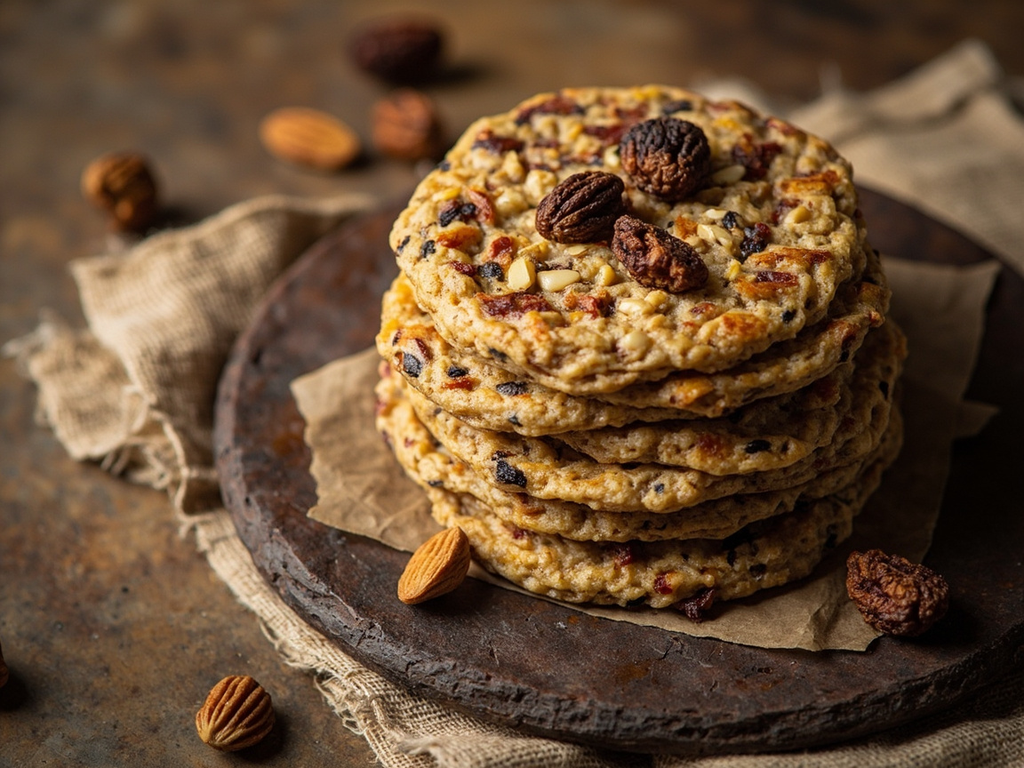
How it was made : Palathè (παλάθη) referred to a mass of dried fruits — especially figs — pressed into a cake or flatbread. It was a common preserve in the ancient Mediterranean: portable, energy-dense, and durable. It was sometimes flavored with sesame seeds or honey and wrapped in leaves.
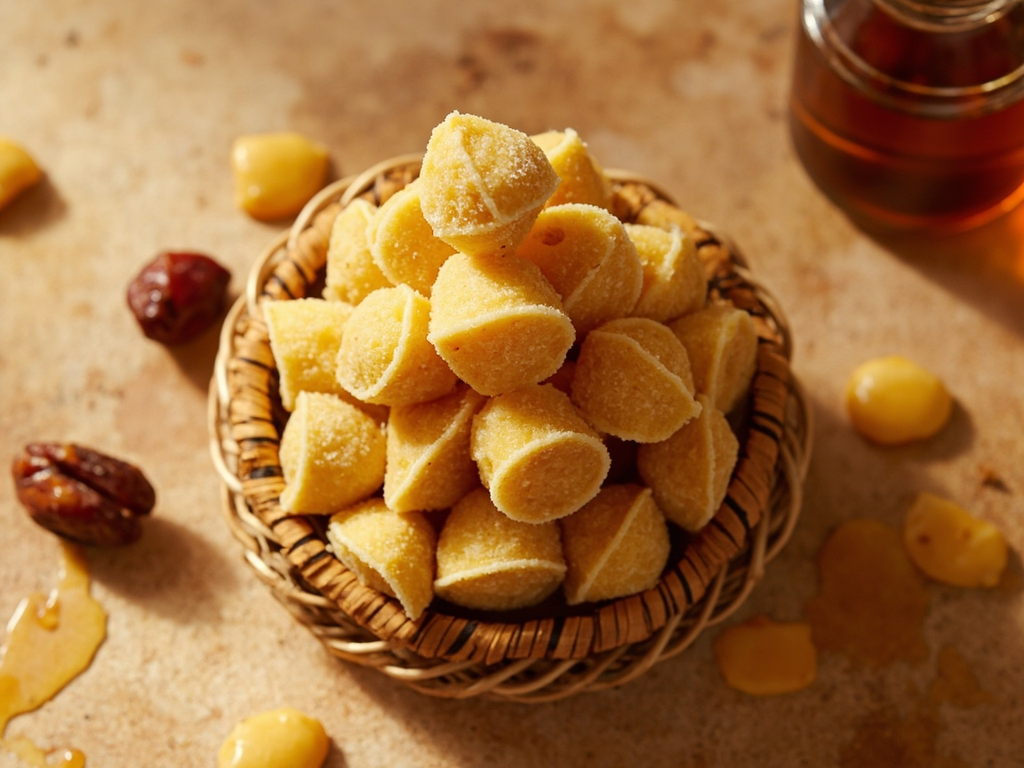
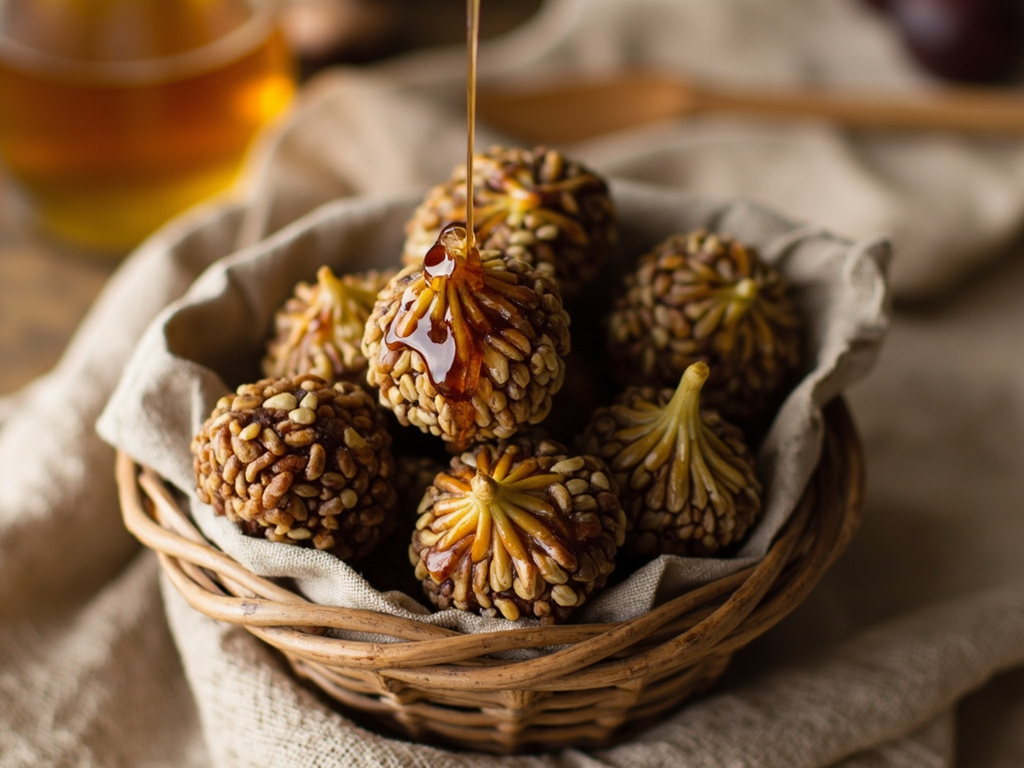
The contemporary twist : Cut into cubes rolled in sesame, it's an "energy ball" from 2,600 years ago, perfect for hiking or with aged cheese.
Sources : Athenaeus of Naucratis, Deipnosophists (mentions of palathai and pressed fruits) · Andrew Dalby, Food in the Ancient World from A to Z (entry "figs / palathē")
Croesus of Lydia · Charactorium