 flip
flipDresil — sweet New Year rice
Dresil — sweet New Year rice
Why this dish? At Losar, the Tibetan New Year that the Dalai Lama celebrates each year with his community, sweet dresil is offered on altars and shared to call for a prosperous year.
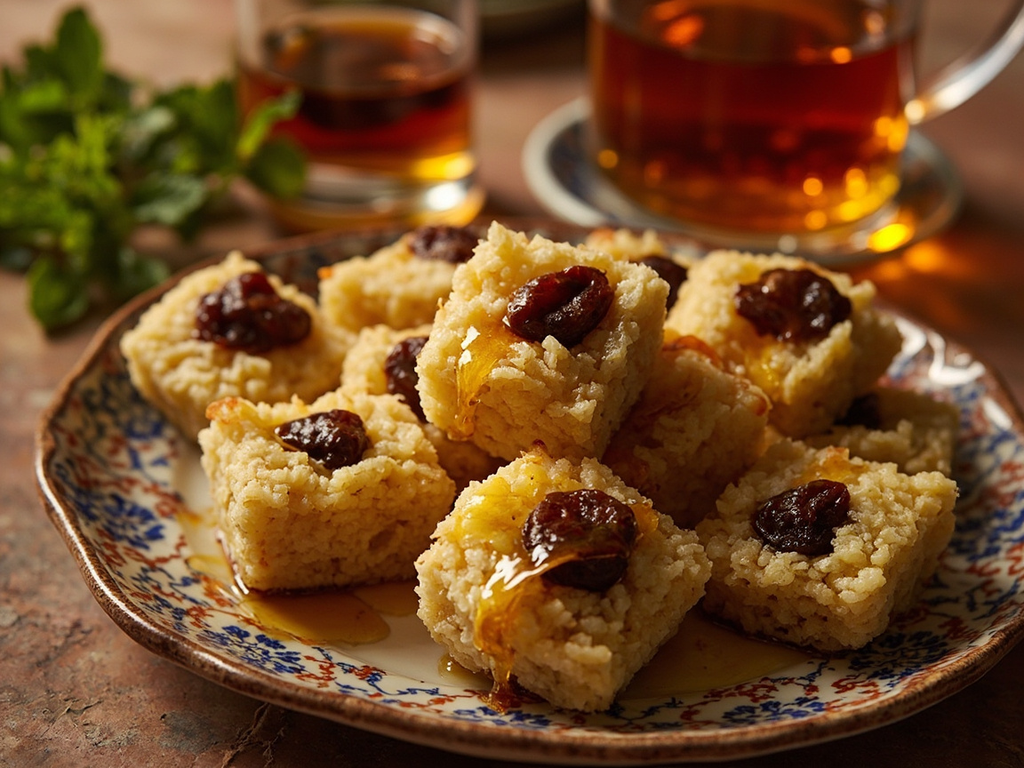
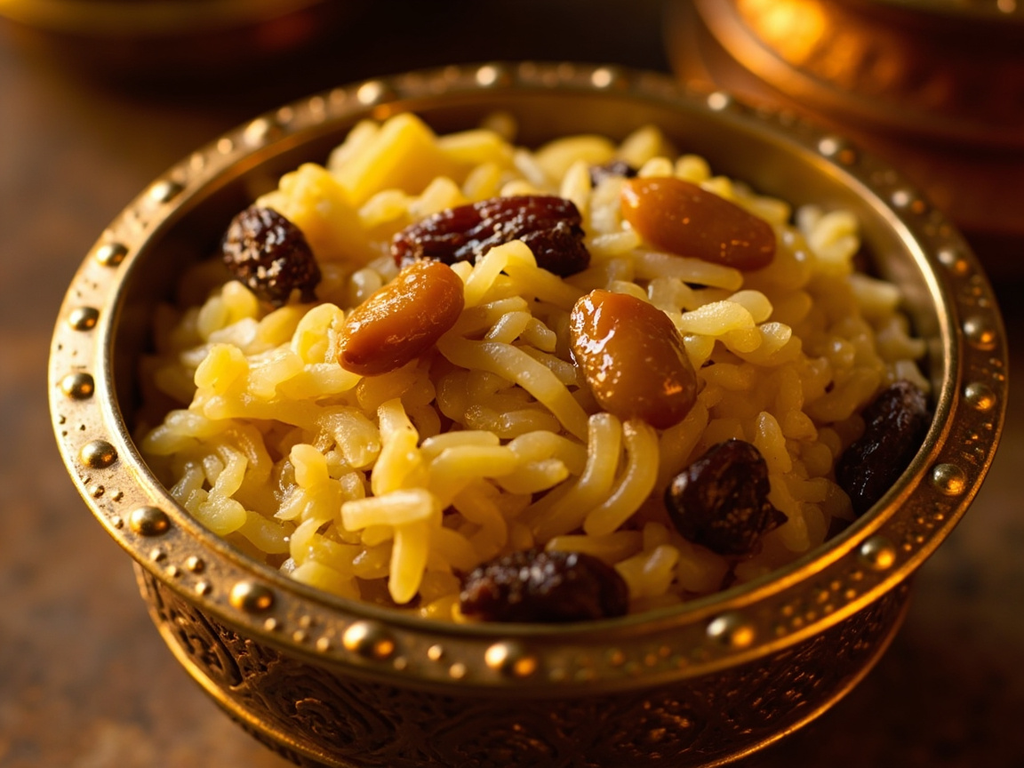
A sweet buttered rice, studded with dried fruits and droma roots, served for the New Year: one of the rare frankly sweet dishes on the Tibetan table, a symbol of luck and abundance.
When Losar comes, on the morning of the New Year, we place on the altar a beautiful bowl of dresil — a sweet rice, shiny with butter, scattered with raisins and treats. Inspired by this custom of my elders, I tell you: we first offer it to the Three Jewels, then we share it, for happiness kept to oneself quickly evaporates. Taste it, and may it bring you luck for the year ahead. A small smile, a little shared sweetness — that is already a good start to the year.
- •Rice — one bowl (base)
- •Yak butter — generously (richness and shine)
- •Droma (small sweet roots from the plateau) — a handful (traditional garnish)
- •Raisins — a handful (sweetness)
- •Sugar (or molasses) — to taste (festive sweetness)
Dresil — sweet New Year rice
A sweet buttered rice, studded with dried fruits and droma roots, served for the New Year: one of the rare frankly sweet dishes on the Tibetan table, a symbol of luck and abundance.
Why this dish? At Losar, the Tibetan New Year that the Dalai Lama celebrates each year with his community, sweet dresil is offered on altars and shared to call for a prosperous year.
When Losar comes, on the morning of the New Year, we place on the altar a beautiful bowl of dresil — a sweet rice, shiny with butter, scattered with raisins and treats. Inspired by this custom of my elders, I tell you: we first offer it to the Three Jewels, then we share it, for happiness kept to oneself quickly evaporates. Taste it, and may it bring you luck for the year ahead. A small smile, a little shared sweetness — that is already a good start to the year.
Ingredients (period version)
- Rice — one bowl (base)
- Yak butter — generously (richness and shine)
- Droma (small sweet roots from the plateau) — a handful (traditional garnish)
- Raisins — a handful (sweetness)
- Sugar (or molasses) — to taste (festive sweetness)
Ingredients
- Basmati rice — 200 g (base)
- Butter — 40 g (richness)
- Raisins — 50 g (sweetness)
- Dates or dried apricots, chopped small (if droma unavailable) — 50 g (garnish)
- Sugar — 2-3 tbsp (sweetness)
- Pinch of salt — 1 (balance)
Method
- Cook the rice in water until tender, then drain.
- Melt the butter in a saucepan, add the raisins and dried fruits, and let them plump for a minute.
- Fold in the cooked rice, sugar, and a pinch of salt, and stir gently over low heat until everything is glossy and hot.
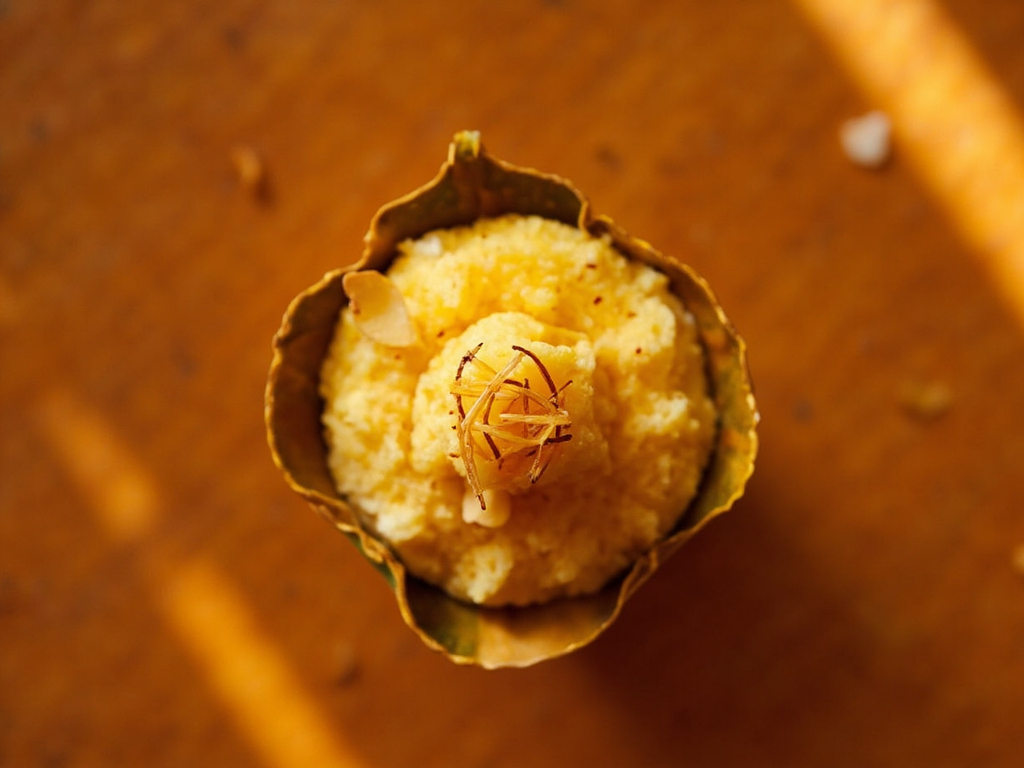
- For tradition, mound the dresil into a small dome in a beautiful bowl.
- Present it first as an offering (symbolic gesture), then share it warm.
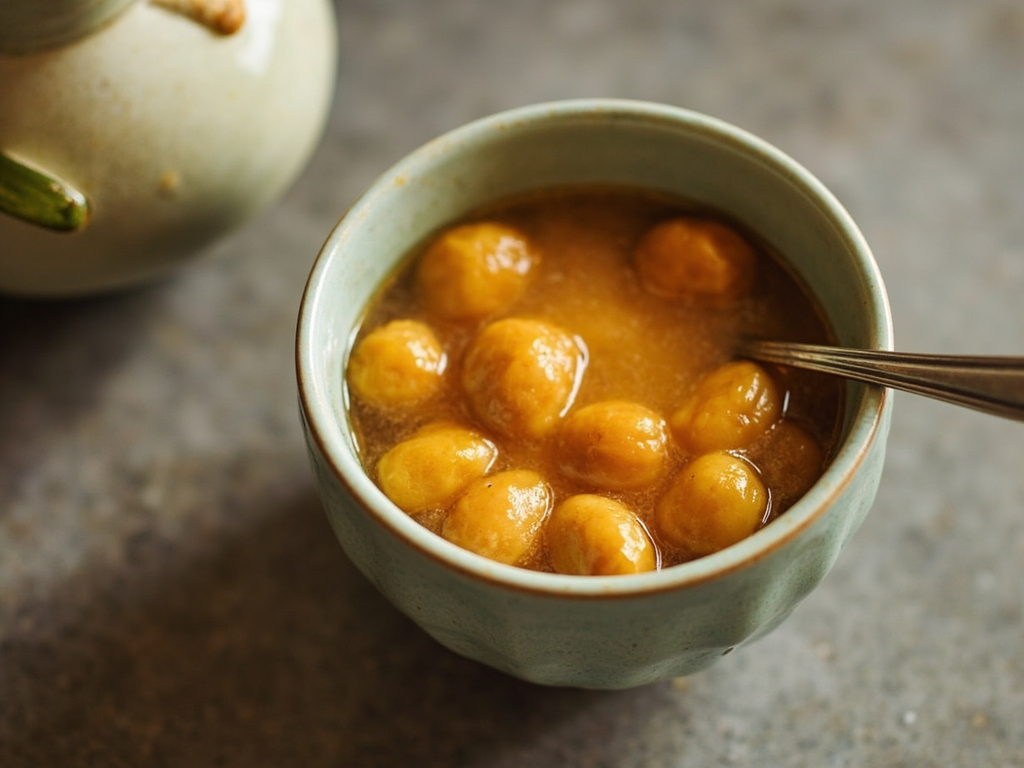
How it was made : Dresil is prepared for Losar and major occasions. The traditional garnish is droma, a small sweet root harvested from high-altitude pastures, cooked in butter. Since sweets were rare in Tibet, this dish had strong festive and offering value, placed on domestic altars before being shared.
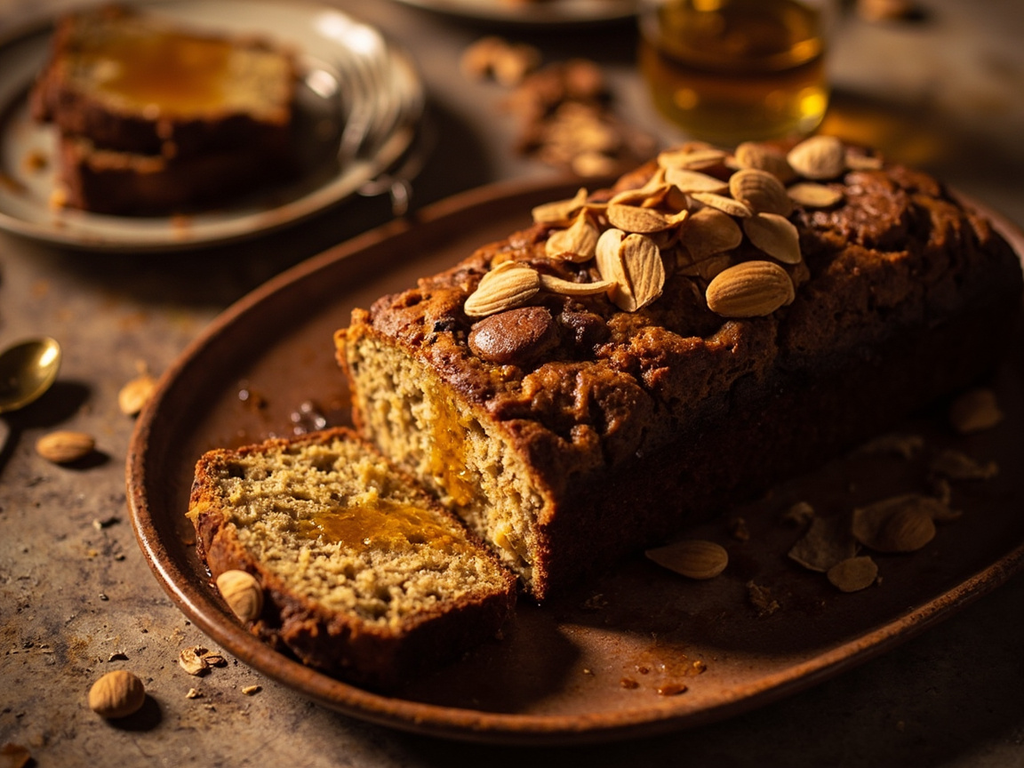
The contemporary twist : Off the plateau, dates, apricots, or cranberries replace the unavailable droma; a few slivered almonds make a beautiful festive presentation.
Dalai Lama · Charactorium