 flip
flipSmoked Eel from Lake Alexandrina
Smoked Eel from Lake Alexandrina
Why this dish? Lake Alexandrina and the Murray Mouth, at the heart of Ngarrindjeri country, were renowned for the abundance of eels. Smoking was a preservation technique practiced by the Ngarrindjeri to extend the shelf life of fish. Unaipon, who lived his entire life in this region and drew inspiration from nature for his inventions, was intimately familiar with these river subsistence practices.
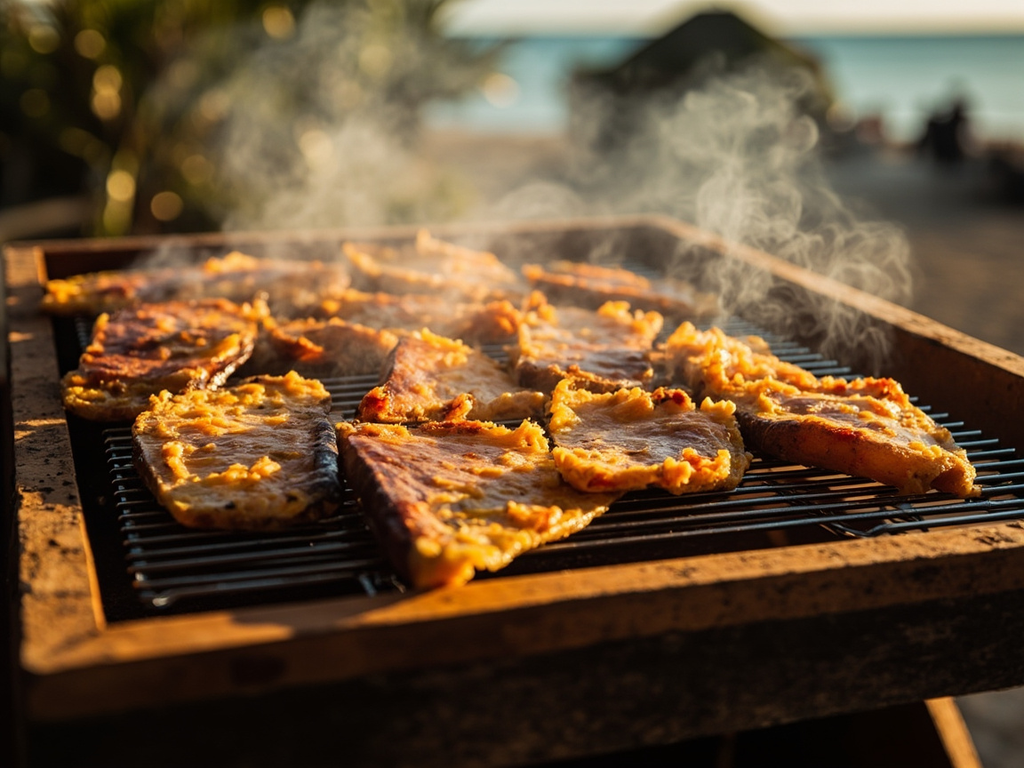
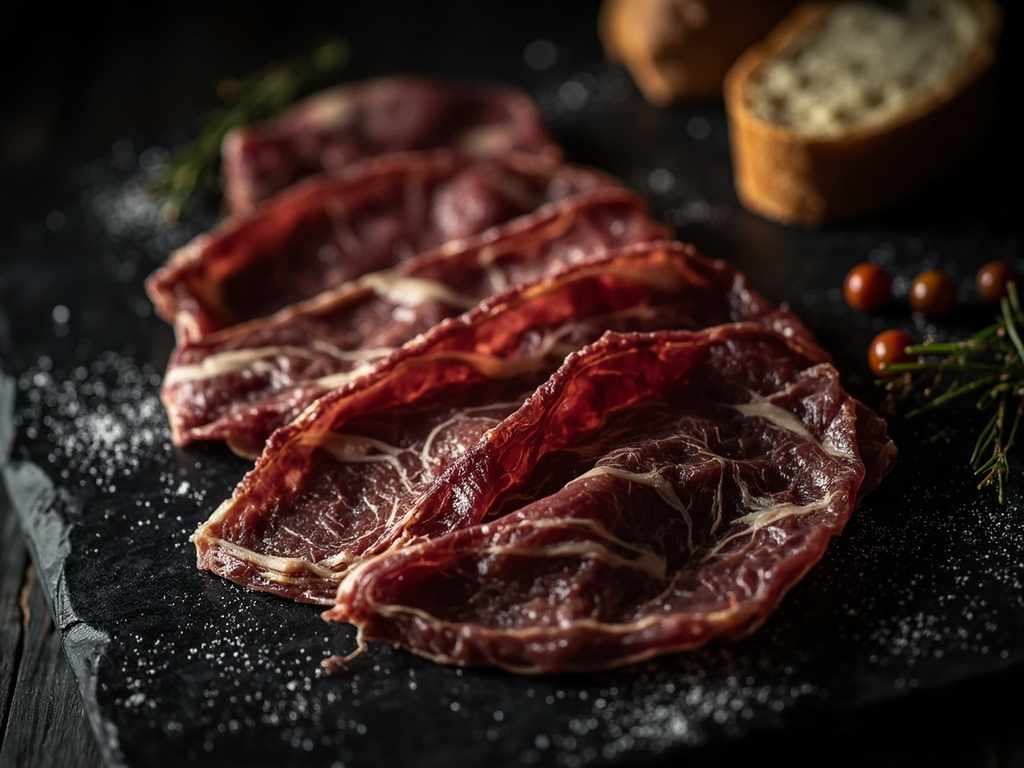
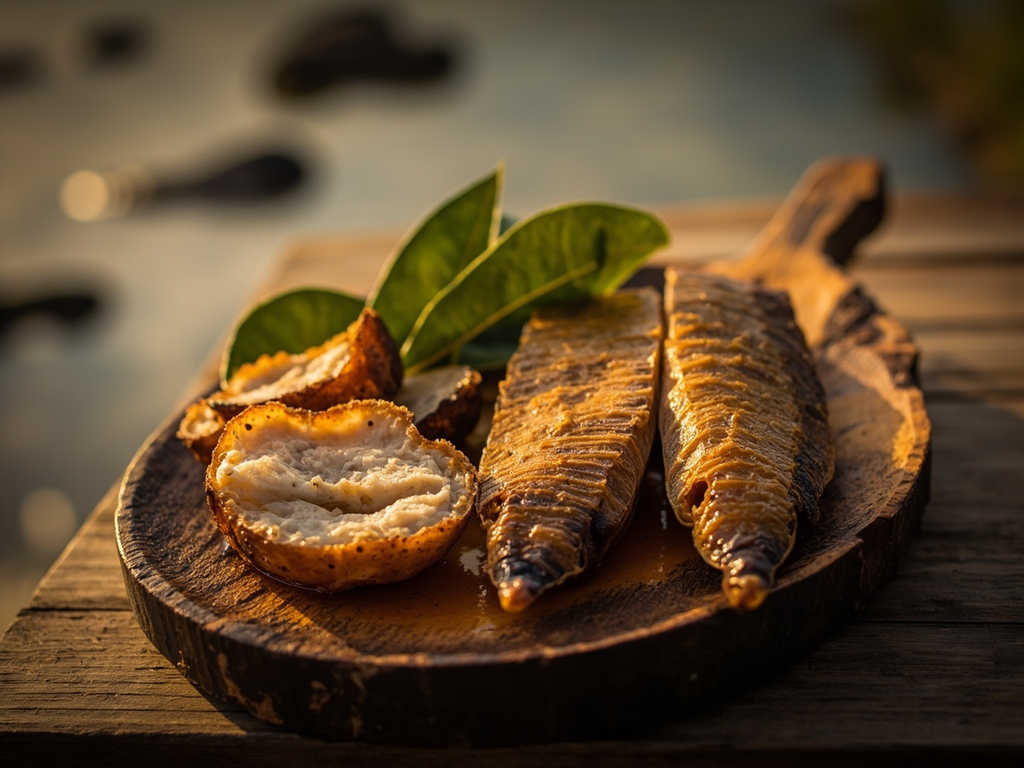
Freshwater eel gutted, salted, then slowly smoked over an eucalyptus wood fire. The flesh turns golden and firm, concentrating a rich, deep flavor. Smoking allowed the fish to be preserved for several days, valuable for seasonal travel along the river.
The lake eel, you see, is an animal that has much to teach us—its perseverance, its ability to travel from fresh water to the sea and back. I have always thought that nature holds mechanical principles that we only rediscover. To preserve it, our elders hung it over a fire of eucalyptus branches, not too lively, just enough for the smoke to work its magic for hours. The skin became golden like fine leather, and the flesh, dense and fragrant, could sustain a man for several days' walk. It is food engineering, no more, no less.
- •Murray freshwater eel — one or two fine specimens (base)
- •Native salt or salty ash — a handful (preservation and seasoning)
- •Green eucalyptus branches (red gum) — a good bundle (smoking)
Smoked Eel from Lake Alexandrina
Freshwater eel gutted, salted, then slowly smoked over an eucalyptus wood fire. The flesh turns golden and firm, concentrating a rich, deep flavor. Smoking allowed the fish to be preserved for several days, valuable for seasonal travel along the river.
Why this dish? Lake Alexandrina and the Murray Mouth, at the heart of Ngarrindjeri country, were renowned for the abundance of eels. Smoking was a preservation technique practiced by the Ngarrindjeri to extend the shelf life of fish. Unaipon, who lived his entire life in this region and drew inspiration from nature for his inventions, was intimately familiar with these river subsistence practices.
The lake eel, you see, is an animal that has much to teach us—its perseverance, its ability to travel from fresh water to the sea and back. I have always thought that nature holds mechanical principles that we only rediscover. To preserve it, our elders hung it over a fire of eucalyptus branches, not too lively, just enough for the smoke to work its magic for hours. The skin became golden like fine leather, and the flesh, dense and fragrant, could sustain a man for several days' walk. It is food engineering, no more, no less.
Ingredients (period version)
- Murray freshwater eel — one or two fine specimens (base)
- Native salt or salty ash — a handful (preservation and seasoning)
- Green eucalyptus branches (red gum) — a good bundle (smoking)
Ingredients
- Fresh eel (or whole trout) — 500 g, gutted and cleaned (base)
- Coarse salt — 3 tbsp (dry brine)
- Brown sugar — 1 tbsp (brine balance)
- Coarsely ground black pepper — 1 tsp (seasoning)
- Smoking wood chips (apple or hickory) — 2 handfuls (smoking)
Method
- Split the eel lengthwise, remove the backbone. Rinse and pat dry.
- Mix the coarse salt, brown sugar, and pepper. Rub the mixture generously over the entire surface of the eel. Place on a rack over a dish and refrigerate for 4–6 hours (or overnight).
- Briefly rinse the eel, pat dry, and let air-dry for 1 hour (the surface should become slightly tacky—this pellicle will catch the smoke).
- Prepare your smoker (or a covered barbecue with chips in an aluminum tray on the embers). Target temperature: 80–90 °C.
- Smoke the eel for 2–3 hours, maintaining steady smoke and gentle heat. The flesh should be firm and golden.
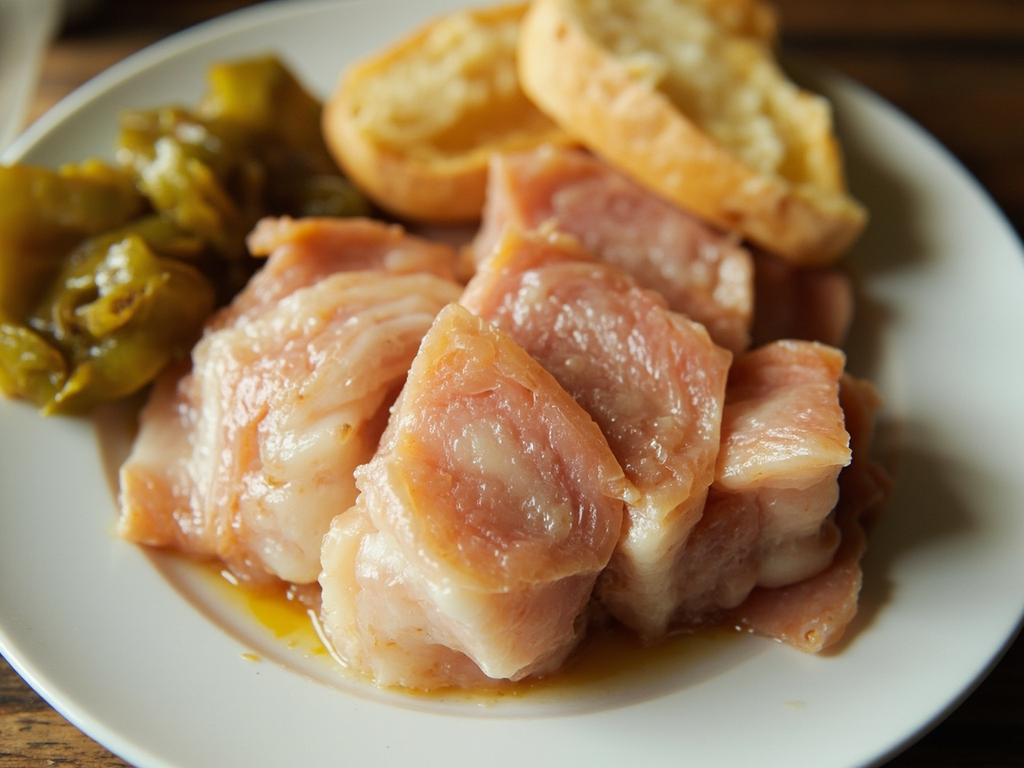
- Let cool, then cut into sections. Serve warm or cold, plain or with a squeeze of lemon.
How it was made : The Ngarrindjeri practiced smoking fish and eels long before colonization. The catches were hung on wooden frames over fires fed with green eucalyptus wood, which produced thick, aromatic smoke. This preservation technique was especially important during large ceremonial gatherings at Lake Alexandrina, where large quantities of food had to be prepared in advance to feed groups arriving from afar.
The contemporary twist : Serve smoked eel sections on buckwheat blinis with a crème fraîche topped with finger lime (Australian native citrus) for a contemporary appetizer.
Sources : Diane Bell, « Ngarrindjeri Wurruwarrin: A World That Is, Was and Will Be », Spinifex Press, 1998 · Philip Clarke, « Aboriginal People and Their Plants », Rosenberg Publishing, 2007 · George Taplin, « The Narrinyeri: An Account of the Tribes of South Australian Aborigines », 1879
David Unaipon · Charactorium