 flip
flipArisa pitha — rice flour cake with palm sugar
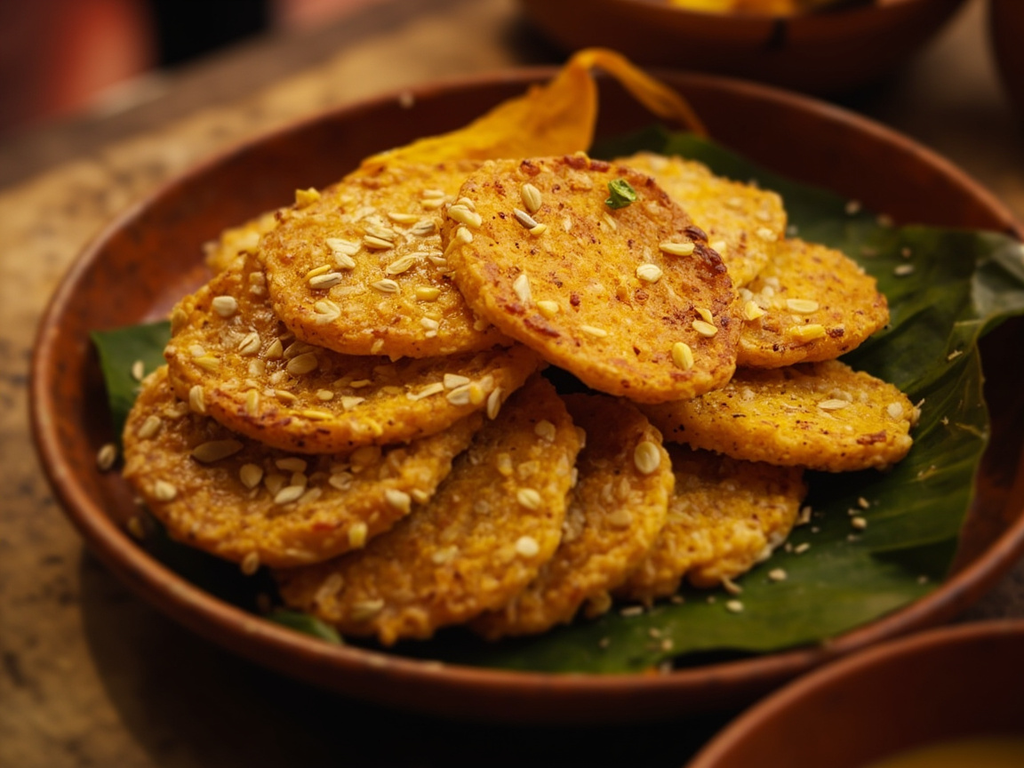
Arisa pitha — rice flour cake with palm sugar
Why this dish? Pithas, sweet rice cakes, are at the heart of Santal festivals (Sohrai, Baha) and Odia ones, where they are prepared to share and offer. For Draupadi Murmu, attached to her tribal roots and spirituality, these festive sweets embody community and transmission—inspired by these living traditions, without reproducing a sacred ritual.
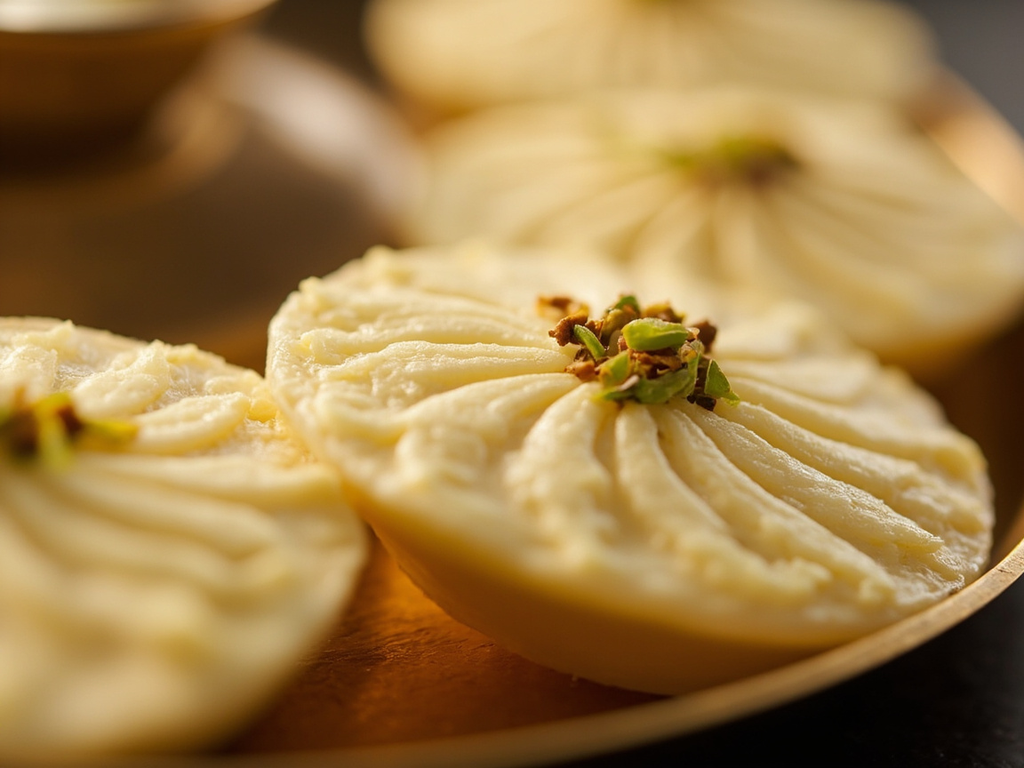
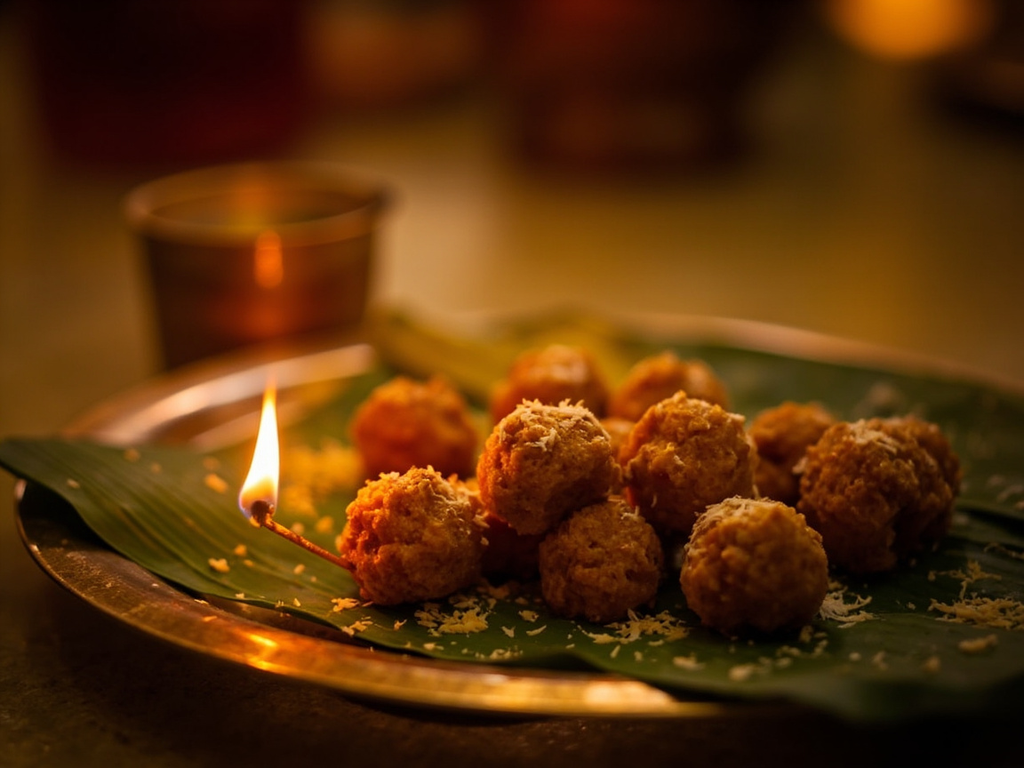
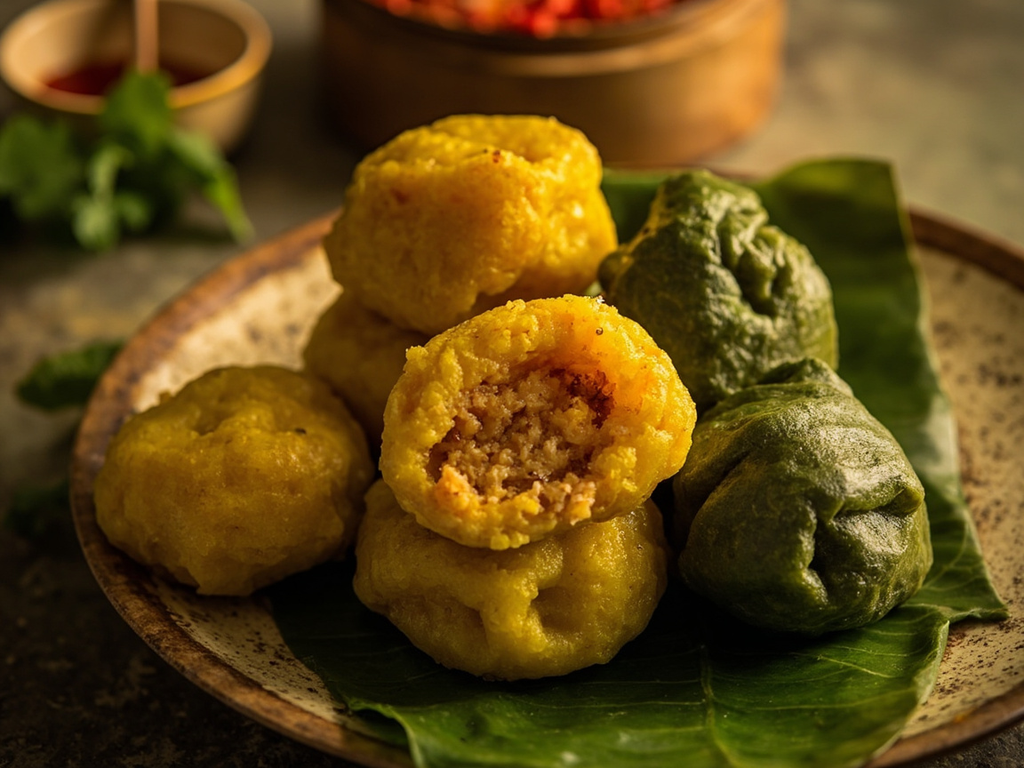
A fritter made from rice flour dough kneaded with palm sugar, fried until golden and slightly crispy outside, soft inside, perfumed with sesame. The caramelized taste of jaggery makes it the sweetness of celebration days.
When festival time came, the house would smell of melted palm sugar. We would soak the rice, pound it into flour, and mix it with hot jaggery into a supple dough. Each woman had her own technique for flattening the cake in her palm before laying it in hot oil. We would offer them to neighbors, to elders—because a festival without pitha to share is not a real festival for us.
- •Rice flour — two measures (base of the cake)
- •Palm sugar (jaggery) — one measure (caramelized sweetness)
- •Sesame seeds — a pinch (fragrance and crunch)
- •Oil — for frying (cooking medium)
Arisa pitha — rice flour cake with palm sugar
A fritter made from rice flour dough kneaded with palm sugar, fried until golden and slightly crispy outside, soft inside, perfumed with sesame. The caramelized taste of jaggery makes it the sweetness of celebration days.
Why this dish? Pithas, sweet rice cakes, are at the heart of Santal festivals (Sohrai, Baha) and Odia ones, where they are prepared to share and offer. For Draupadi Murmu, attached to her tribal roots and spirituality, these festive sweets embody community and transmission—inspired by these living traditions, without reproducing a sacred ritual.
When festival time came, the house would smell of melted palm sugar. We would soak the rice, pound it into flour, and mix it with hot jaggery into a supple dough. Each woman had her own technique for flattening the cake in her palm before laying it in hot oil. We would offer them to neighbors, to elders—because a festival without pitha to share is not a real festival for us.
Ingredients (period version)
- Rice flour — two measures (base of the cake)
- Palm sugar (jaggery) — one measure (caramelized sweetness)
- Sesame seeds — a pinch (fragrance and crunch)
- Oil — for frying (cooking medium)
Ingredients
- Rice flour — 250 g (base of the cake)
- Jaggery (unrefined palm/cane sugar) — 150 g (caramelized sweetness)
- White sesame seeds — 2 tbsp (fragrance and crunch)
- Water — 1 cup (to melt jaggery)
- Neutral oil — for frying (cooking medium)
- Ground cardamom — 1 pinch (optional) (fragrance)
Method
- Melt the jaggery in water to make a syrup, strain.
- Gradually pour the warm syrup over the rice flour and knead into a soft dough; incorporate sesame and cardamom.
- Let the dough rest for 30 minutes.
- Shape into balls then flatten into discs about 1 cm thick in an oiled palm.
- Fry over medium heat in hot oil until golden; drain and let cool slightly before eating.
How it was made : Pithas were made with home-pounded rice from the harvest, palm sugar from local palms, and fried in a large pot on the clay hearth. Prepared in large quantities during seasonal festivals, they sealed village bonds through giving and sharing.
The contemporary twist : Sprinkle with a few toasted sesame seeds and serve with spiced tea for a festive snack revisited.
Draupadi Murmu · Charactorium