 flip
flipMishti Doi, Caramelized Yogurt of Bengal
Mishti Doi, Caramelized Yogurt of Bengal
Why this dish? Bengal is famous for its mishti (sweets), and sweet always closes a Bengali meal. Mishti doi is also shared as an auspicious gesture: a spoonful is offered before a big departure or trial — a fitting image for a life of travels between Calcutta and America.
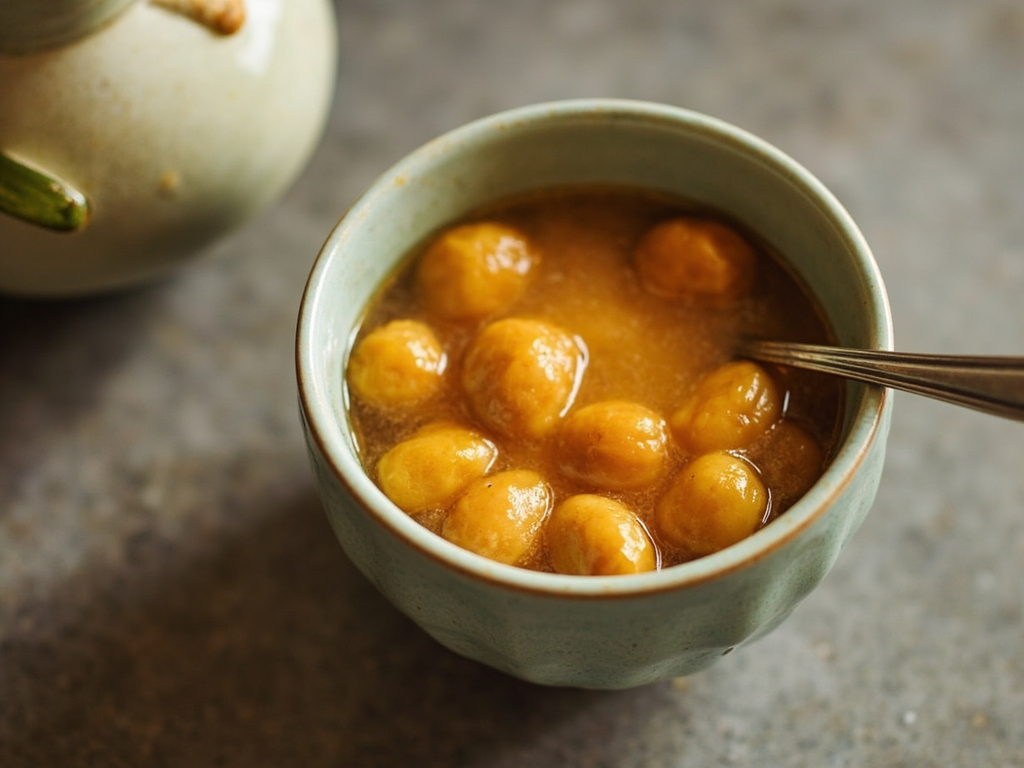
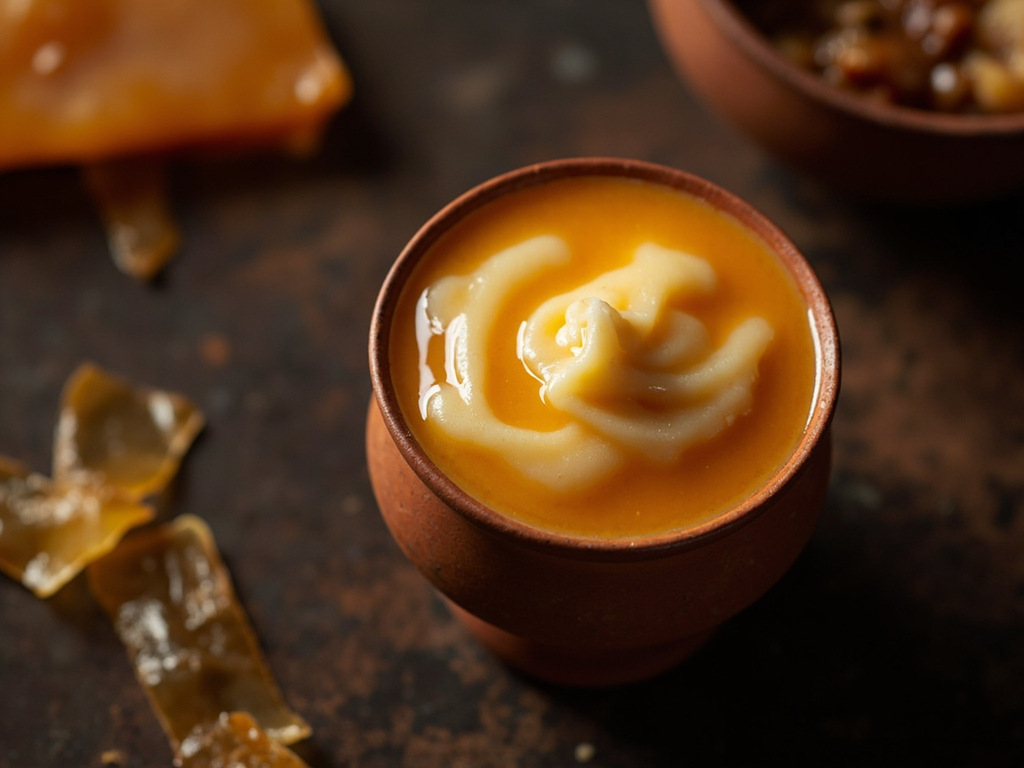
A thick yogurt made from reduced milk and caramelized sugar (jaggery in winter), set in a clay pot. Sweet, slightly tangy from fermentation, melt-in-the-mouth.
At home, one does not leave with a bitter mouth. Before a journey, before an exam, my grandmother would put a spoonful of sweet doi in your mouth — eat and go, she would say, and the journey will go well. It is a yogurt, yes, but you let it set in a porous clay pot that drinks the water and thickens it, with that palm sugar that browns it like caramel. Let it rest a whole night in a warm corner of the house. Patience, again: one does not rush fermentation, any more than an idea.
- •Reduced whole milk — a large pot (thick base)
- •Palm sugar (nolen gur) or caramelized sugar — generous (sweetness and color)
- •Starter (a little yogurt from the previous day) — a spoonful (fermentation)
Mishti Doi, Caramelized Yogurt of Bengal
A thick yogurt made from reduced milk and caramelized sugar (jaggery in winter), set in a clay pot. Sweet, slightly tangy from fermentation, melt-in-the-mouth.
Why this dish? Bengal is famous for its mishti (sweets), and sweet always closes a Bengali meal. Mishti doi is also shared as an auspicious gesture: a spoonful is offered before a big departure or trial — a fitting image for a life of travels between Calcutta and America.
At home, one does not leave with a bitter mouth. Before a journey, before an exam, my grandmother would put a spoonful of sweet doi in your mouth — eat and go, she would say, and the journey will go well. It is a yogurt, yes, but you let it set in a porous clay pot that drinks the water and thickens it, with that palm sugar that browns it like caramel. Let it rest a whole night in a warm corner of the house. Patience, again: one does not rush fermentation, any more than an idea.
Ingredients (period version)
- Reduced whole milk — a large pot (thick base)
- Palm sugar (nolen gur) or caramelized sugar — generous (sweetness and color)
- Starter (a little yogurt from the previous day) — a spoonful (fermentation)
Ingredients
- Whole milk — 1 liter (base)
- Unsweetened condensed milk — 200 ml (thickener)
- Sugar — 5 tbsp (2 caramelized) (sweetness and color)
- Jaggery / palm sugar — 2 tbsp (optional, winter) (Bengali fragrance)
- Live plain yogurt — 2 tbsp (starter)
Method
- Reduce milk with condensed milk until slightly thickened.
- Caramelize 2 tbsp sugar dry, stir into warm milk with remaining sugar (and jaggery if using), dissolve well.
- Cool to body temperature, then whisk in yogurt starter.
- Pour into terracotta pots, cover, let set 6-8 hours in a warm place, then refrigerate.
- Serve well chilled, at the end of the meal.
How it was made : Mishti doi is an ancient Bengali specialty, tied to the region's sweet culture and the palm sugar (nolen gur) harvested in winter. The porous clay pot, essential, absorbs moisture and gives the yogurt its dense texture.
The contemporary twist : Serve it directly in small clay pots, as in Calcutta, with a shard of jaggery on top.
Sources : Chitrita Banerji, "Life and Food in Bengal", 1991 · K. T. Achaya, "A Historical Dictionary of Indian Food", Oxford University Press, 1998
Gayatri Spivak · Charactorium