 flip
flipWine cut with water, honey, and cinnamon of the time
Wine cut with water, honey, and cinnamon of the time
Why this dish? Epicurus drank wine 'with great moderation, cut with water according to Greek custom'. In the Garden, the symposion was not a drinking bout but a moment of friendship and temperate conversation — the very image of his ethics of measured pleasure.
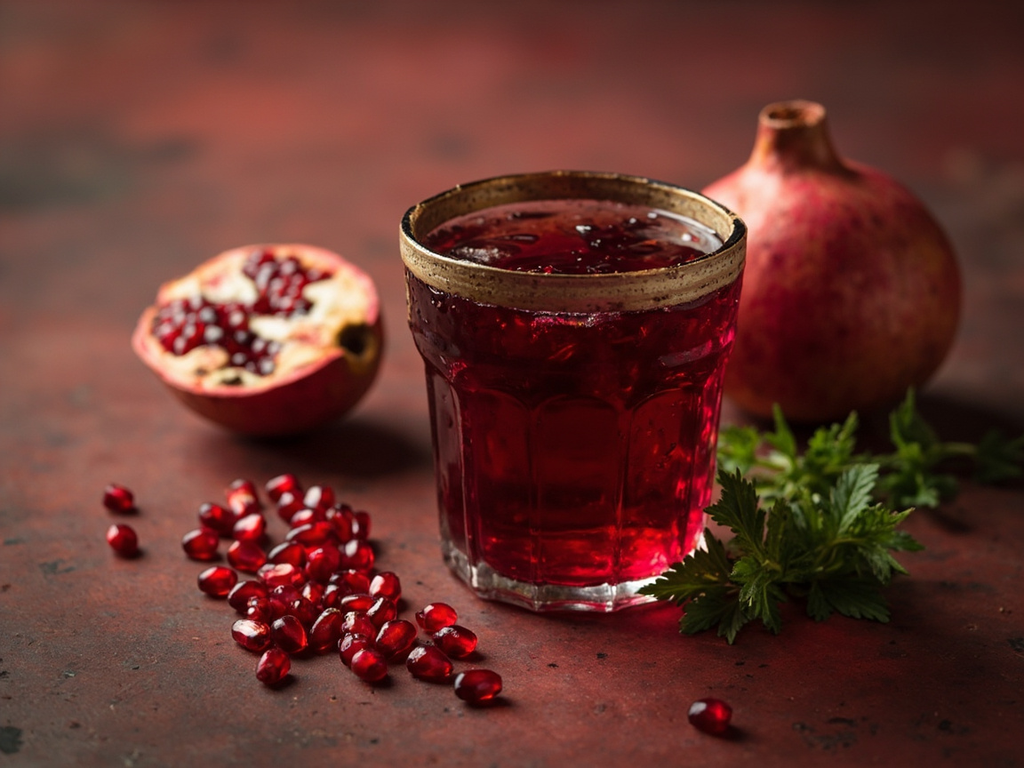
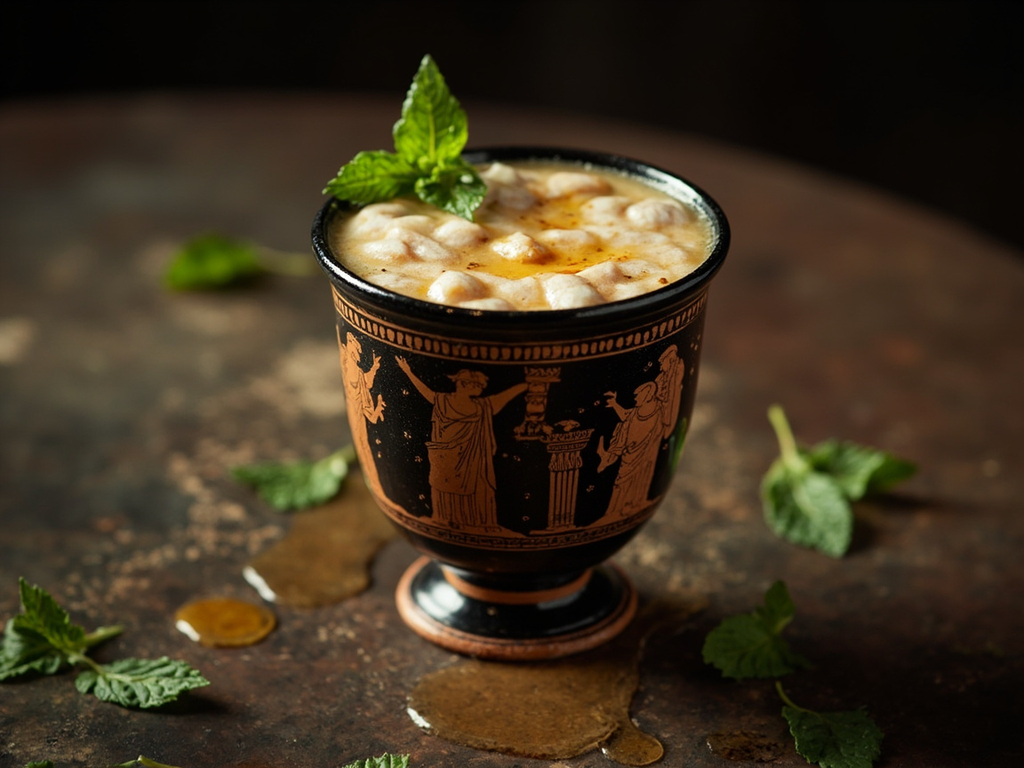
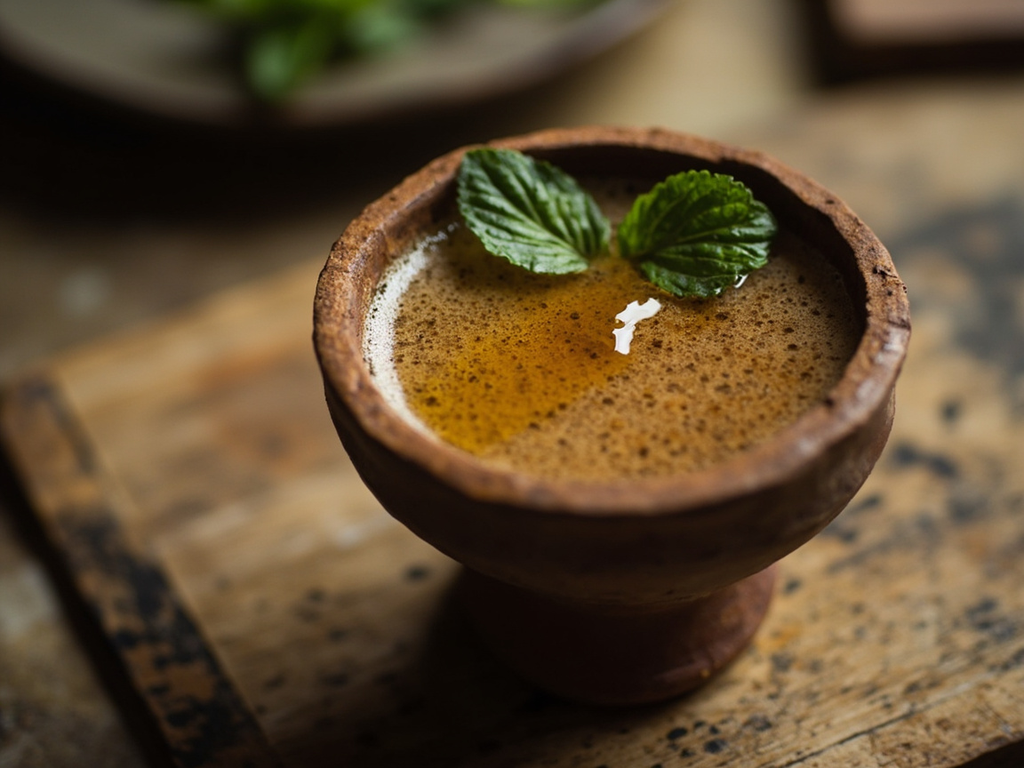
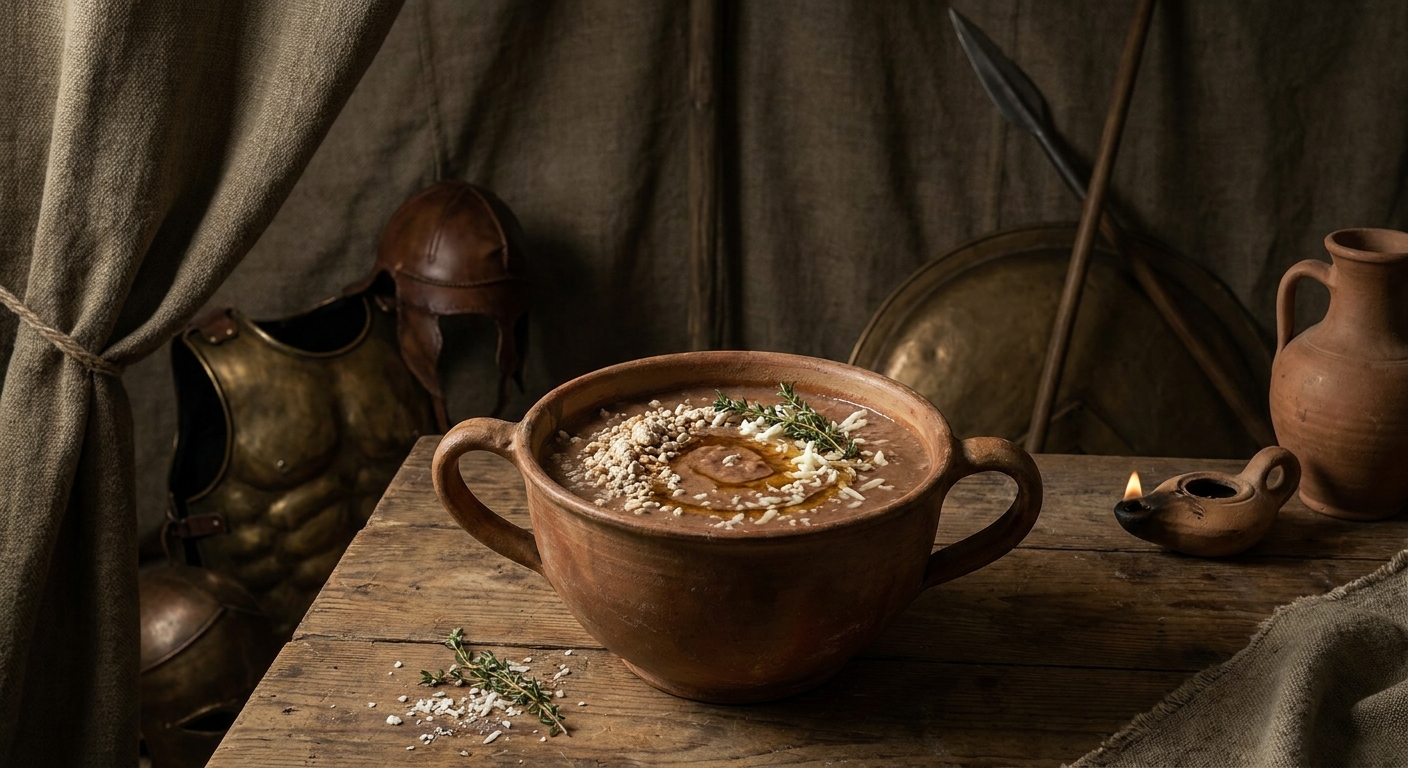
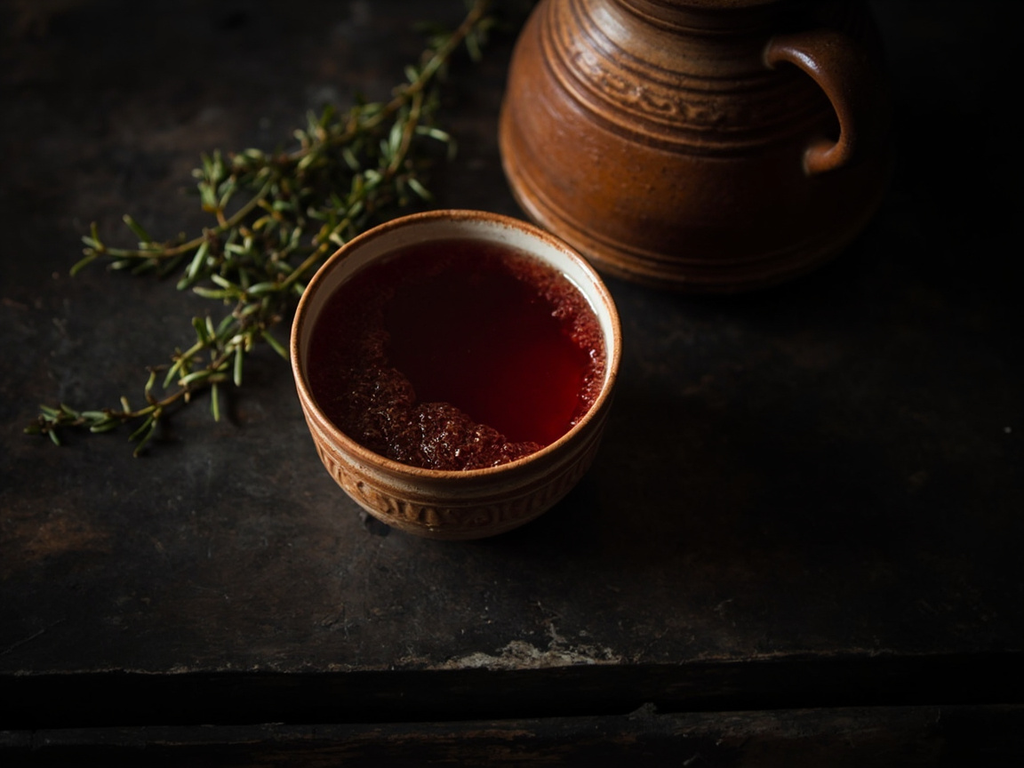
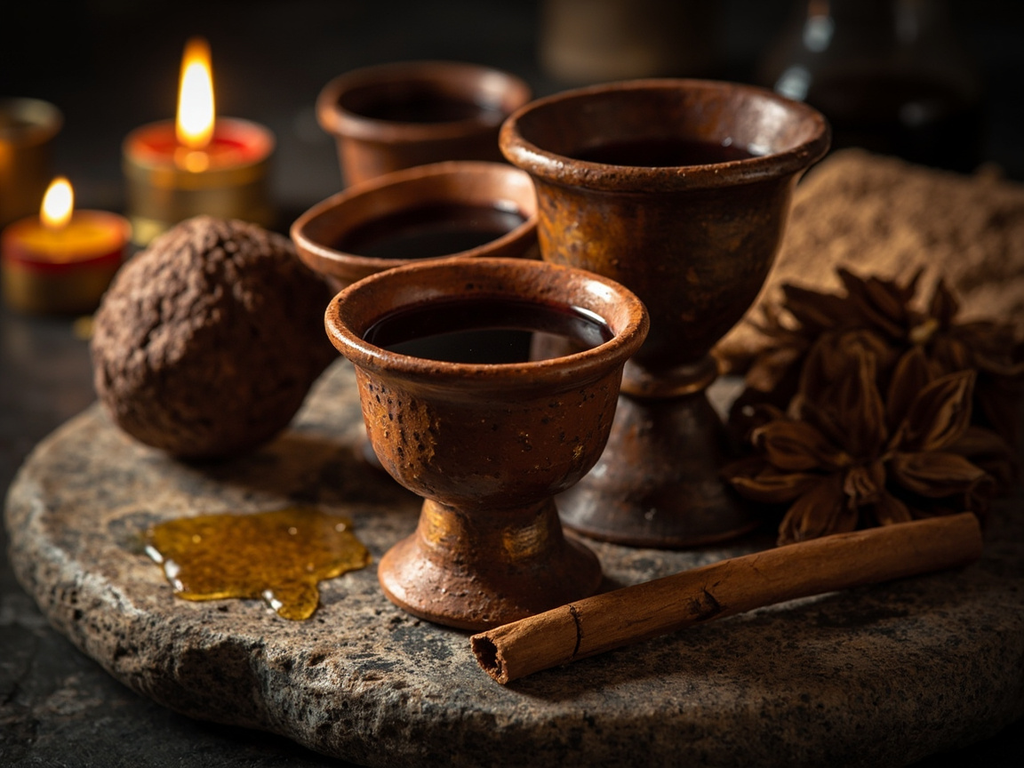
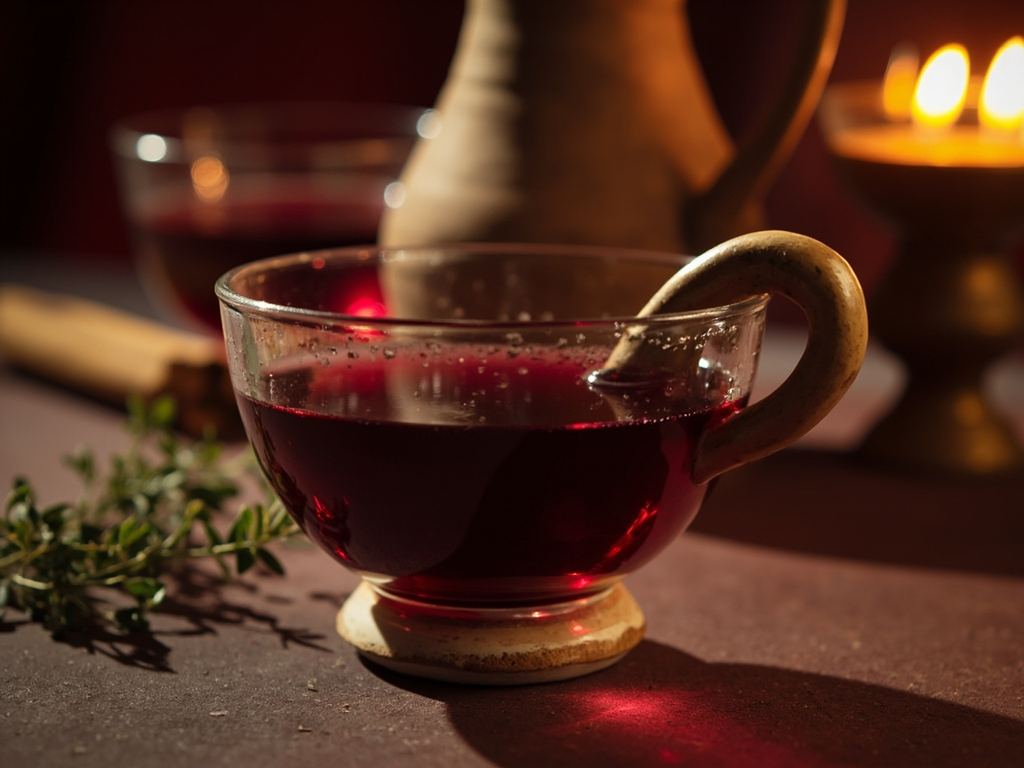
A red wine heavily diluted with water, sweetened with a little honey and perfumed with mild spices: the drink of the Greek banquet, where one drank for the pleasure of conversation, never to get drunk.
Drink, yes — but with measure, always. I would never serve you pure wine like barbarians: here, we cut it with two or three parts water, sweeten it with a little honey, perfume it with a spice. Thus the tongue loosens, friendship warms, and we talk about the nature of things until night, without ever losing our heads. For drunkenness gives no pleasure that sobriety does not give better; the true feast is the presence of a friend with whom to think.
- •Red wine — one part (base)
- •Spring water — two to three parts (dilution (Greek custom))
- •Honey — a spoonful (sweetness)
- •Spices and herbs (thyme, ancient cinnamon, resin) — a pinch (flavor)
Wine cut with water, honey, and cinnamon of the time
A red wine heavily diluted with water, sweetened with a little honey and perfumed with mild spices: the drink of the Greek banquet, where one drank for the pleasure of conversation, never to get drunk.
Why this dish? Epicurus drank wine 'with great moderation, cut with water according to Greek custom'. In the Garden, the symposion was not a drinking bout but a moment of friendship and temperate conversation — the very image of his ethics of measured pleasure.
Drink, yes — but with measure, always. I would never serve you pure wine like barbarians: here, we cut it with two or three parts water, sweeten it with a little honey, perfume it with a spice. Thus the tongue loosens, friendship warms, and we talk about the nature of things until night, without ever losing our heads. For drunkenness gives no pleasure that sobriety does not give better; the true feast is the presence of a friend with whom to think.
Ingredients (period version)
- Red wine — one part (base)
- Spring water — two to three parts (dilution (Greek custom))
- Honey — a spoonful (sweetness)
- Spices and herbs (thyme, ancient cinnamon, resin) — a pinch (flavor)
Ingredients
- Light red wine — 150 ml (base)
- Water (still or sparkling) — 300 to 400 ml (dilution)
- Honey — 1 to 2 tsp (sweetness)
- Cinnamon stick + 1 sprig thyme — 1 (flavor)
- Hot water — a splash (to dissolve honey)
Method
- Dissolve the honey in a splash of hot water.
- Pour the wine into a pitcher (the Greek krater), add the honeyed water.
- Add the cinnamon stick and thyme, stir, and let infuse for 10 minutes.
- Taste and adjust dilution: the common Greek mix was 1 part wine to 2 or 3 parts water.
- Serve chilled in small cups, to share over conversation. (Non-alcoholic version: replace wine with red grape juice diluted with water.)
How it was made : Drinking wine undiluted (akratos) was considered barbaric and dangerous by the Greeks: it was mixed in a large vessel, the krater, with water, sometimes seawater, honey, herbs, or resin. The master of the banquet (symposiarch) set the proportions and pace to keep drunkenness under control.
The contemporary twist : Serve warm in winter, 'philosopher's wine' style, or in a non-alcoholic version with grape juice for family and school tables.
Sources : Diogenes Laërtius, Lives and Opinions of Eminent Philosophers, X (Epicurus's sobriety) · Athenaeus of Naucratis, The Deipnosophists (on dilution of wine at the symposion)
Epicurus · Charactorium