 flip
flipÀkàrà — black-eyed pea fritters fried at the crossroads
Àkàrà — black-eyed pea fritters fried at the crossroads
Why this dish? Eshu is the lord of crossroads (orita), exactly where the women fry àkàrà in sizzling palm oil. Eating a hot àkàrà on the path is to bite into the god's own domain, between market and home.
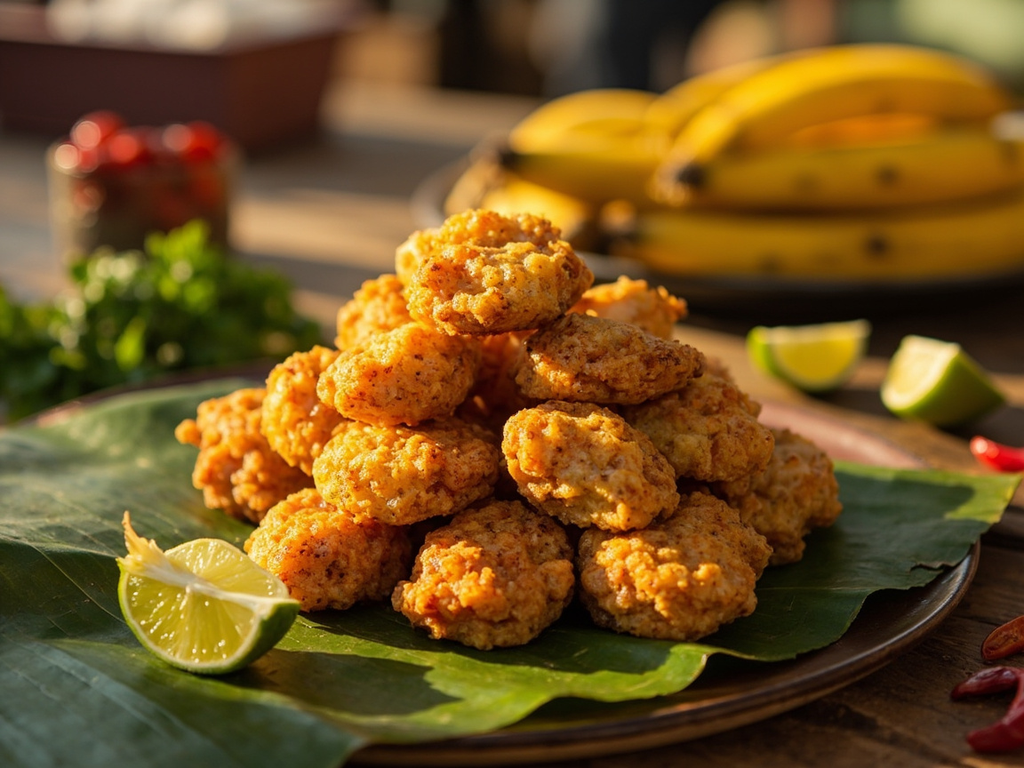
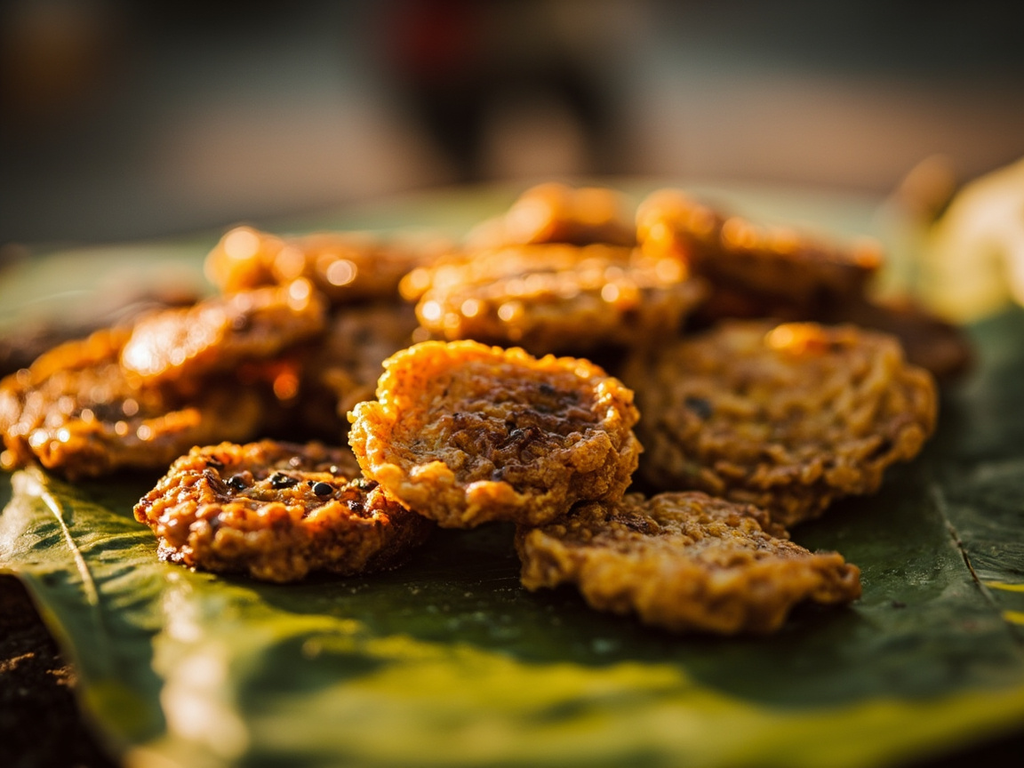
Small airy fritters of whipped black-eyed pea purée, fried until golden in palm oil, crispy outside and fluffy inside — the savoury street-side treat.
Hey, hurried traveller! You smell that oil crackling at the corner of the three-ways? That is my perfume. The woman whips the bean batter until it becomes light as a well-turned lie — the more she beats, the more the fritter puffs. A drop falls into the oil, it rises: it is ready. Take two, burn your fingers, laugh about it. He who passes my crossroads without buying anything returns with an empty belly and a distracted mind — and it is I who will have dropped his coin in the dust.
- •Black-eyed peas (ẹ̀wà) — one measure (protein base, whipped)
- •Red or clear palm oil — for frying (frying bath)
- •Onion — a little (aromatic)
- •Salt — a pinch (seasoning)
Àkàrà — black-eyed pea fritters fried at the crossroads
Small airy fritters of whipped black-eyed pea purée, fried until golden in palm oil, crispy outside and fluffy inside — the savoury street-side treat.
Why this dish? Eshu is the lord of crossroads (orita), exactly where the women fry àkàrà in sizzling palm oil. Eating a hot àkàrà on the path is to bite into the god's own domain, between market and home.
Hey, hurried traveller! You smell that oil crackling at the corner of the three-ways? That is my perfume. The woman whips the bean batter until it becomes light as a well-turned lie — the more she beats, the more the fritter puffs. A drop falls into the oil, it rises: it is ready. Take two, burn your fingers, laugh about it. He who passes my crossroads without buying anything returns with an empty belly and a distracted mind — and it is I who will have dropped his coin in the dust.
Ingredients (period version)
- Black-eyed peas (ẹ̀wà) — one measure (protein base, whipped)
- Red or clear palm oil — for frying (frying bath)
- Onion — a little (aromatic)
- Salt — a pinch (seasoning)
Ingredients
- Dried black-eyed peas — 250 g (soaked and peeled)
- Onion — ½ (aromatic)
- Salt — 1 tsp (seasoning)
- Palm oil (or neutral oil) — for frying (hot bath)
Method
- Soak the black-eyed peas for 2 hours, rub between your hands to remove the skins, rinse.
- Blend with the onion and very little water into a thick paste.
- Whip the paste vigorously for several minutes to aerate it (it should float in water), season with salt.
- Heat the oil, drop spoonfuls of batter and fry until golden on both sides.
- Drain and serve piping hot, eaten by hand.
How it was made : Àkàrà is one of the oldest street snacks in West Africa, sold hot in the morning and at market times. Black-eyed pea is a native African legume (unrelated to the common American bean). Crossing the Atlantic with the slave trade, it became the acarajé of Bahia — in Brazil, it is still offered to Exu, the avatar of Eshu.
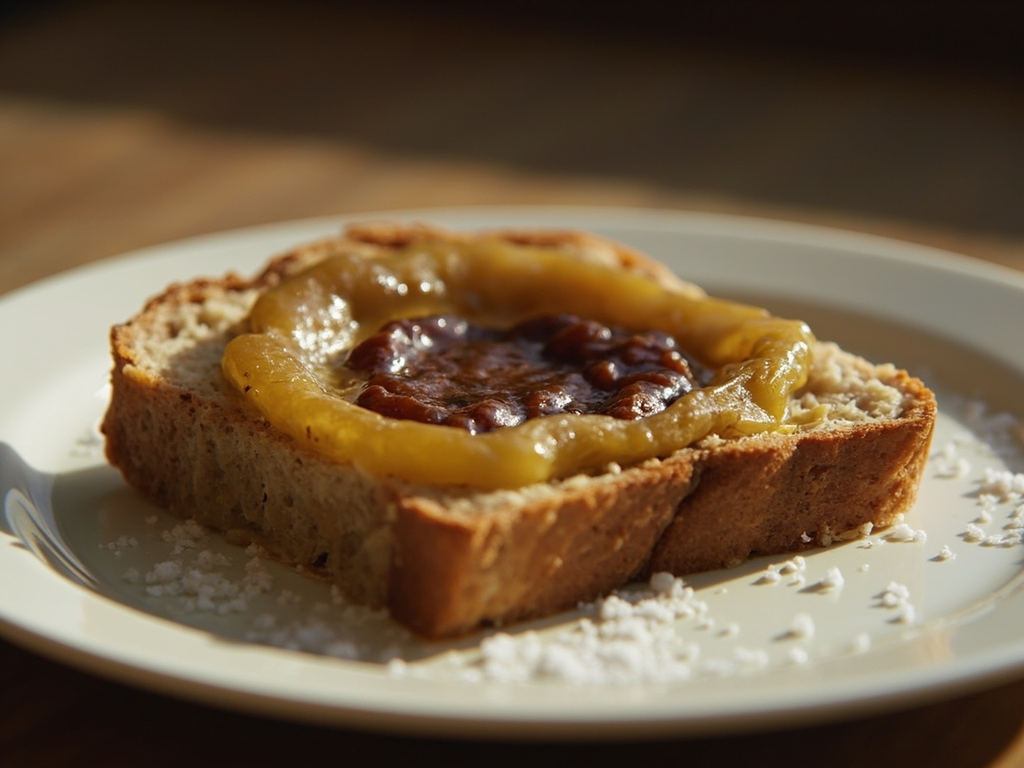
The contemporary twist : Serve three àkàrà on a banana leaf, with a drizzle of honey as a nod to Eshu's offering — sweet-savoury, street-food style.
Sources : Jessica B. Harris, The Africa Cookbook (1998) · Robert Farris Thompson, Flash of the Spirit (1983)
Eshu · Charactorium