 flip
flipKlaret — Spiced and Honeyed Rhenish Wine from the High Table
Klaret — Spiced and Honeyed Rhenish Wine from the High Table
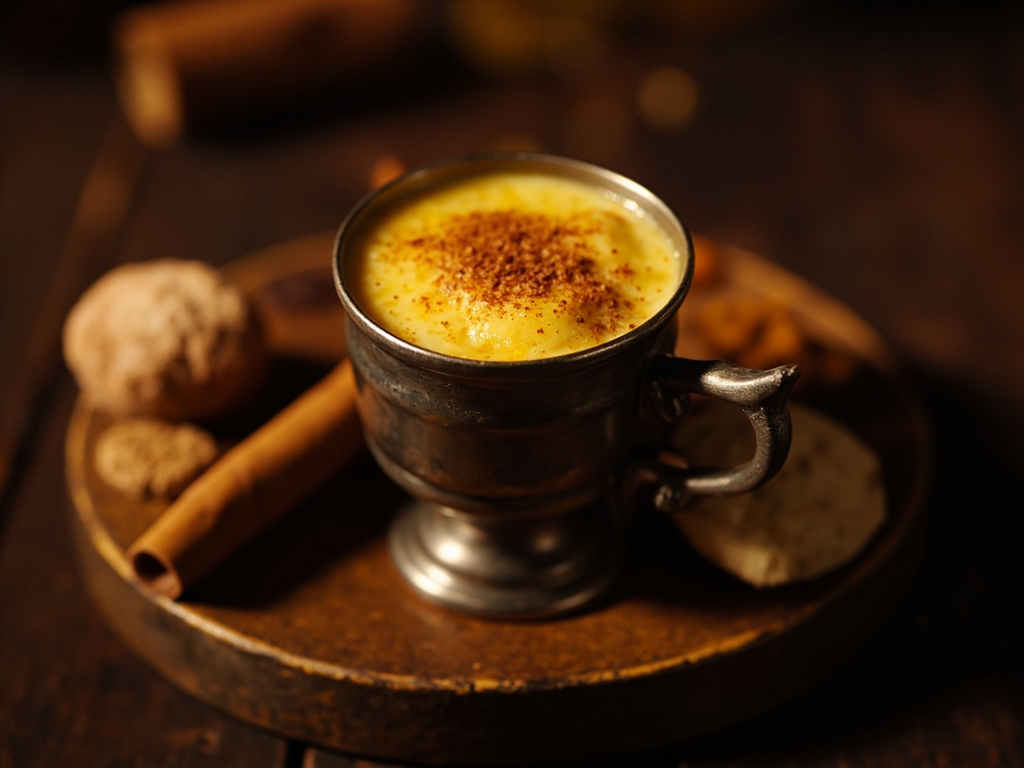
Why this dish? At the cultivated court of Frederick II, patron of astronomer Tycho Brahe on the island of Hven, spiced Rhenish wine — *klaret*, ancestor of hypocras — was the refined drink at the end of banquets and during long winter evenings at Kronborg. Sweet, perfumed with rare spices, it was a princely table luxury, far from the common beer.
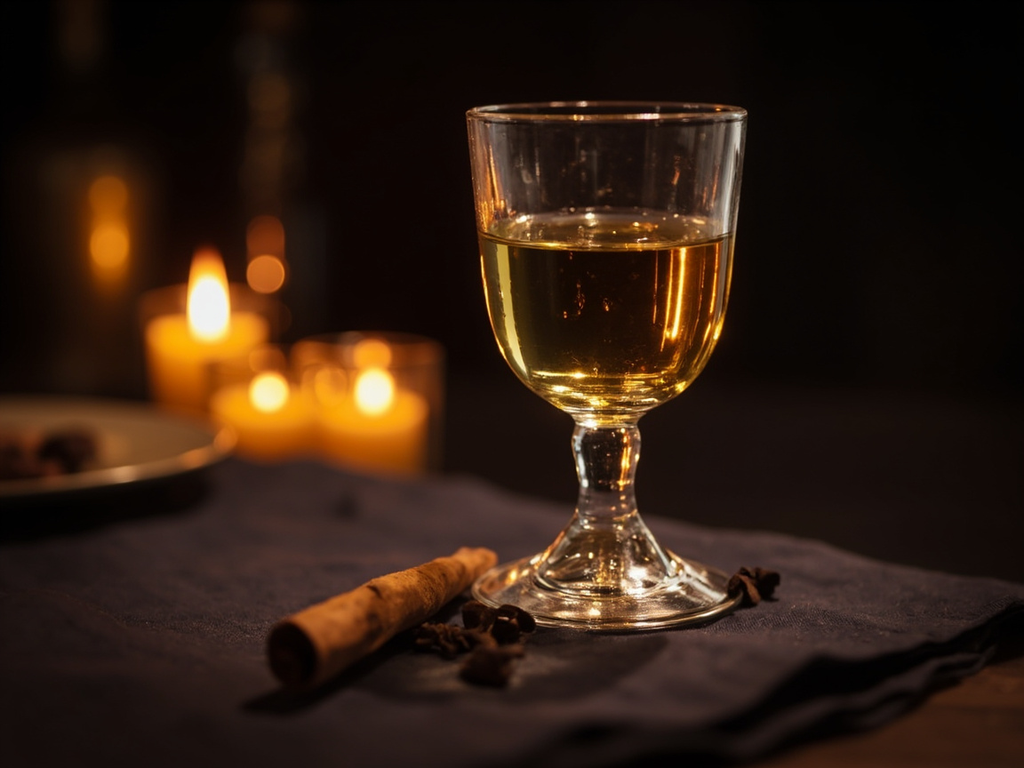
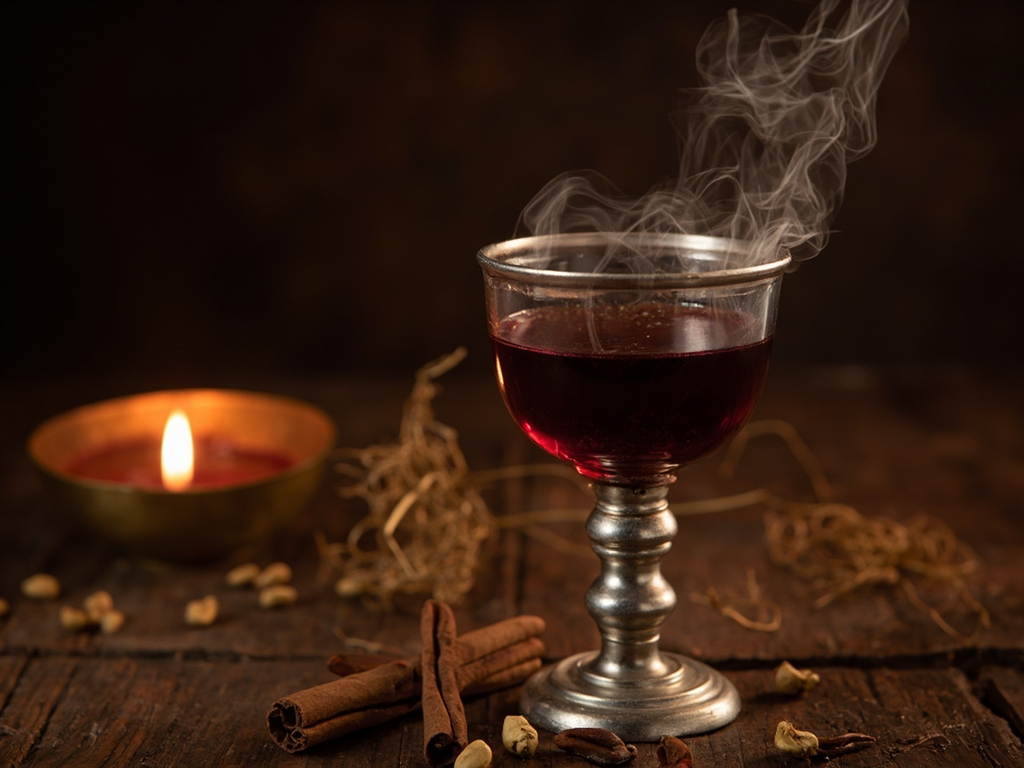
A Rhenish wine heated then infused with Eastern spices — cinnamon, ginger, clove, cardamom — sweetened with honey and filtered until clear. A warm, sweet, fragrant drink that warmed Danish nights and rounded off feasts.
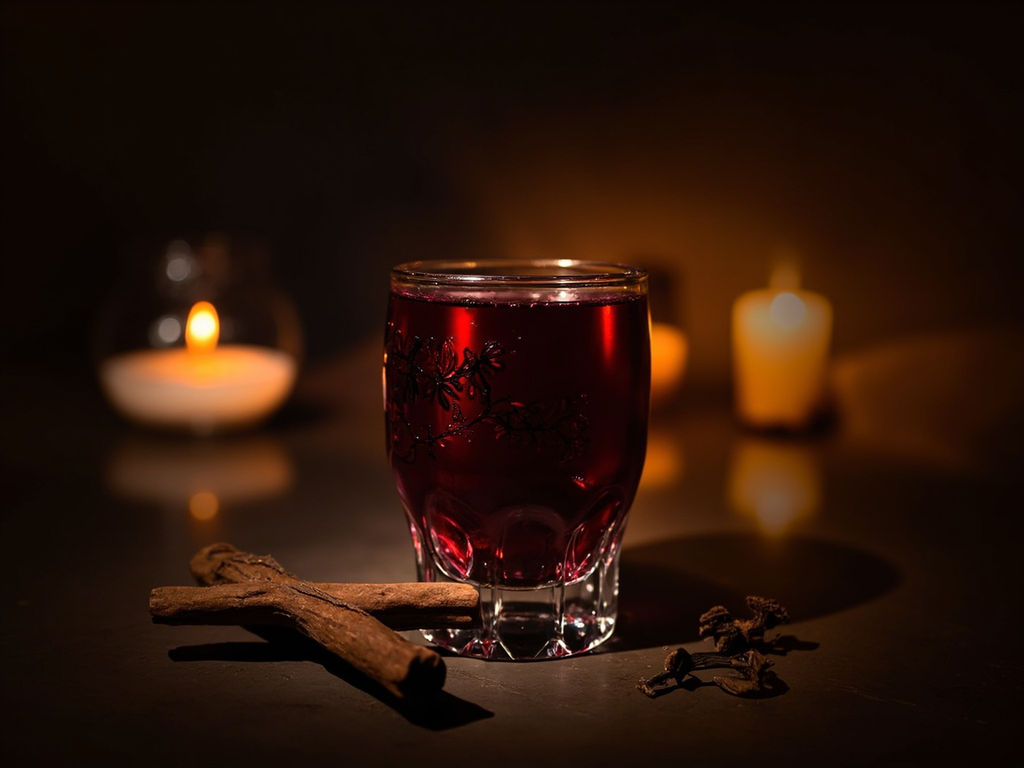
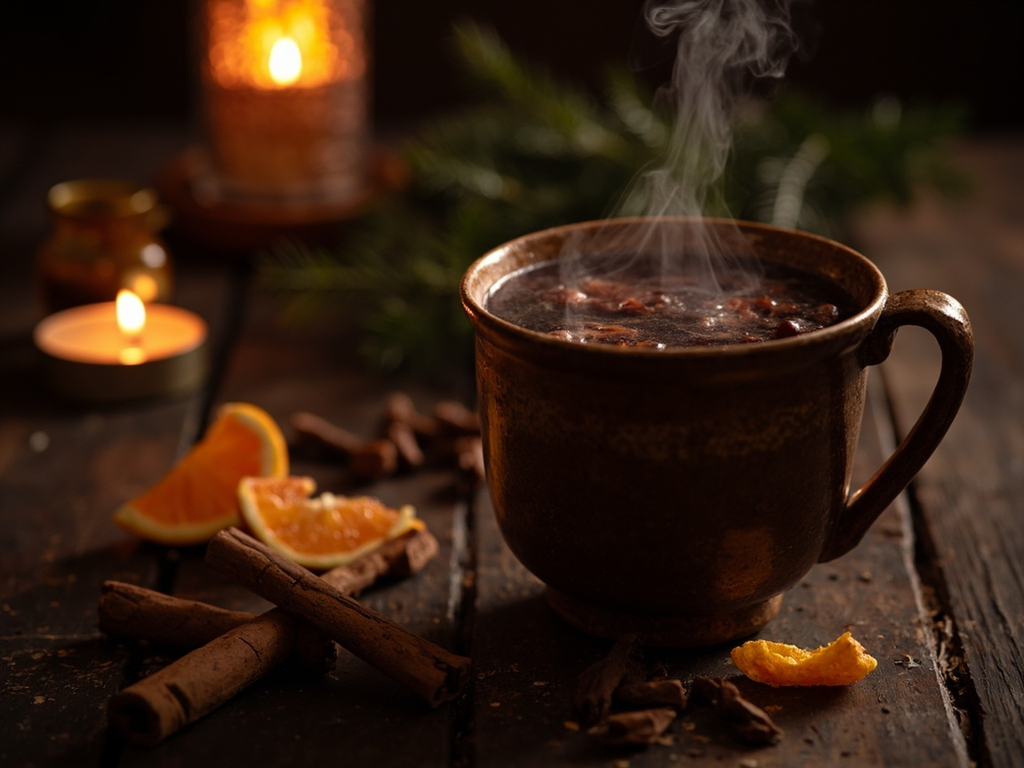
When night falls over the Sound and the cold creeps even into Our chambers, We have klaret prepared: good Rhenish wine, heated without boiling, into which We throw cinnamon, ginger, and clove from distant lands, and sweeten with honey. We strain it through cloth again and again until it is clear as ruby. Drink a cup on winter evenings, and you will feel the warmth of spices overtake you better than any hearth fire.
- •Rhenish wine — a pitcher (noble base)
- •Honey — to taste (sweetness)
- •Cinnamon, ginger, clove, cardamom — a few of each (imported fragrance, luxury)
- •Long pepper grains — a few (heat)
Klaret — Spiced and Honeyed Rhenish Wine from the High Table
A Rhenish wine heated then infused with Eastern spices — cinnamon, ginger, clove, cardamom — sweetened with honey and filtered until clear. A warm, sweet, fragrant drink that warmed Danish nights and rounded off feasts.
Why this dish? At the cultivated court of Frederick II, patron of astronomer Tycho Brahe on the island of Hven, spiced Rhenish wine — *klaret*, ancestor of hypocras — was the refined drink at the end of banquets and during long winter evenings at Kronborg. Sweet, perfumed with rare spices, it was a princely table luxury, far from the common beer.
When night falls over the Sound and the cold creeps even into Our chambers, We have klaret prepared: good Rhenish wine, heated without boiling, into which We throw cinnamon, ginger, and clove from distant lands, and sweeten with honey. We strain it through cloth again and again until it is clear as ruby. Drink a cup on winter evenings, and you will feel the warmth of spices overtake you better than any hearth fire.
Ingredients (period version)
- Rhenish wine — a pitcher (noble base)
- Honey — to taste (sweetness)
- Cinnamon, ginger, clove, cardamom — a few of each (imported fragrance, luxury)
- Long pepper grains — a few (heat)
Ingredients
- Light white or red Rhenish wine — 75 cl (base)
- Honey — 3 to 4 tbsp (sweetness)
- Cinnamon stick — 1 (flavor)
- Fresh ginger — 4 slices (warmth)
- Cloves — 4 (flavor)
- Cardamom pods — 3, crushed (floral flavor)
Method
- Pour the wine into a saucepan with honey and all spices.
- Heat gently without boiling (barely simmer), 15–20 min.
- Let infuse off heat for another 10 min.
- Strain through a fine cloth (twice for a very clear wine).
- Serve warm in cups; adjust honey to taste.
How it was made : Hypocras (klaret in Danish) was a prestige preparation across Europe from the late Middle Ages to the Renaissance: the spiced wine was filtered through a "Hippocratic sleeve" (conical cloth bag). Eastern spices, prohibitively expensive, made it a social marker; it was often served at the close of banquets, reputed to aid digestion.
The contemporary twist : Non-alcoholic version for family table: white grape juice and apple infusion, same spices and honey — a "star-watcher's klaret" as a nod to Tycho Brahe scanning the sky from Hven.
Sources : Libellus de arte coquinaria (Nordic culinary manuscript) · Le Ménagier de Paris (hypocras recipes, European comparison)
Frederick II of Denmark · Charactorium