 flip
flipMjöðr — mead of the sumbl
Mjöðr — mead of the sumbl
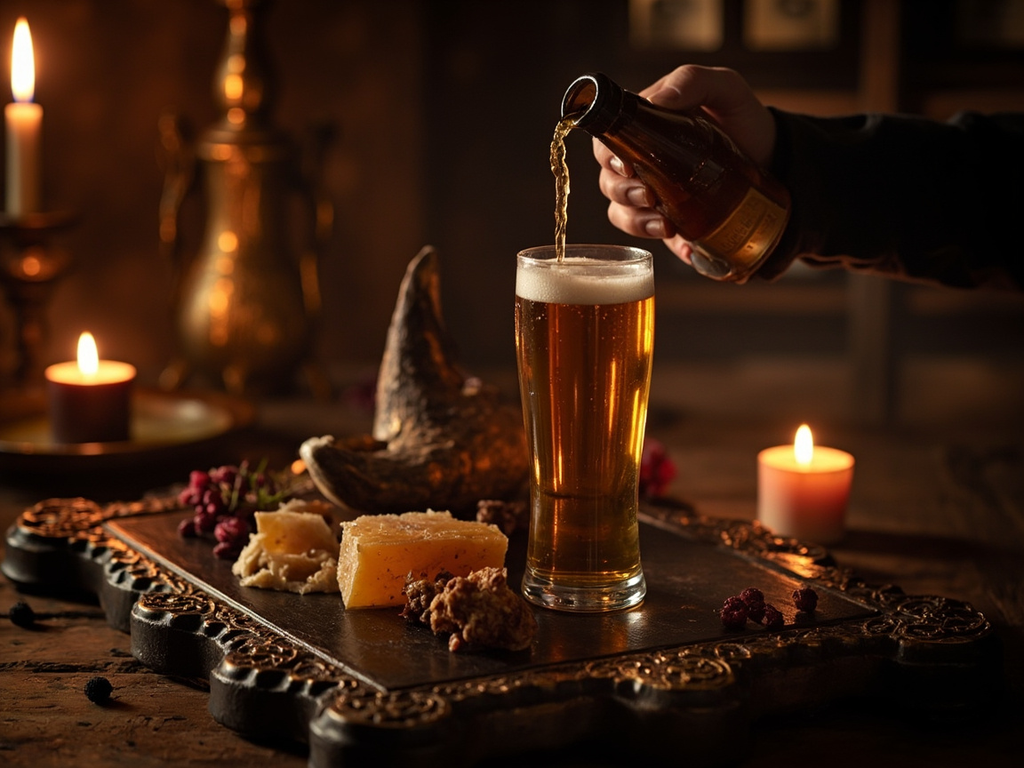
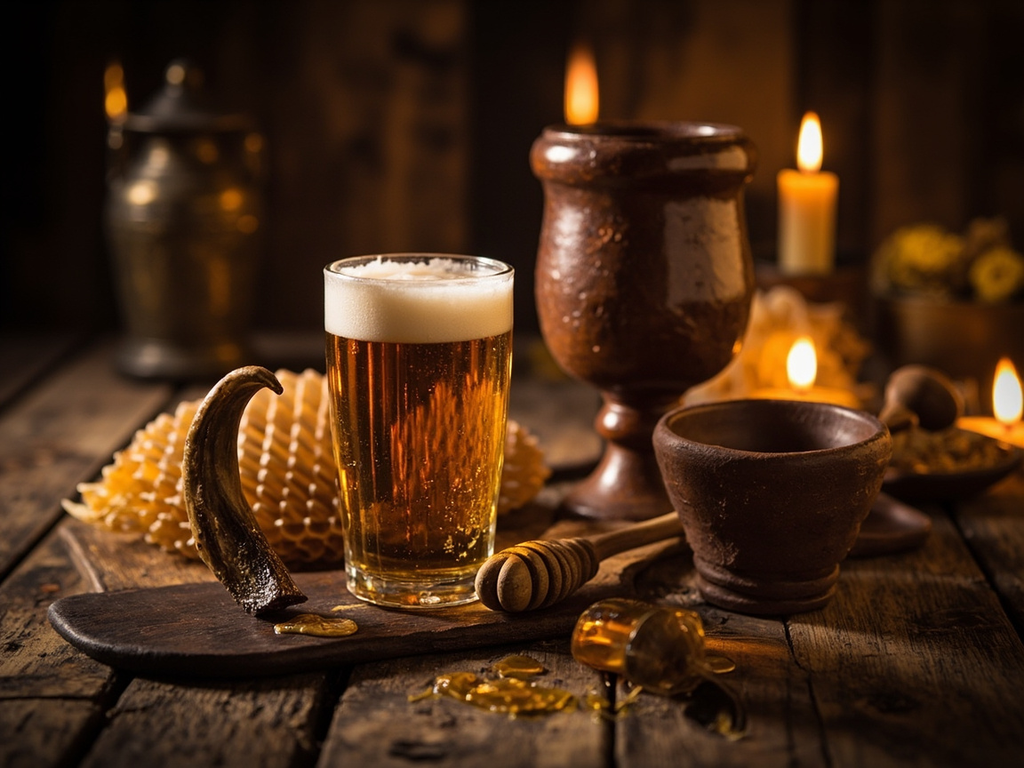
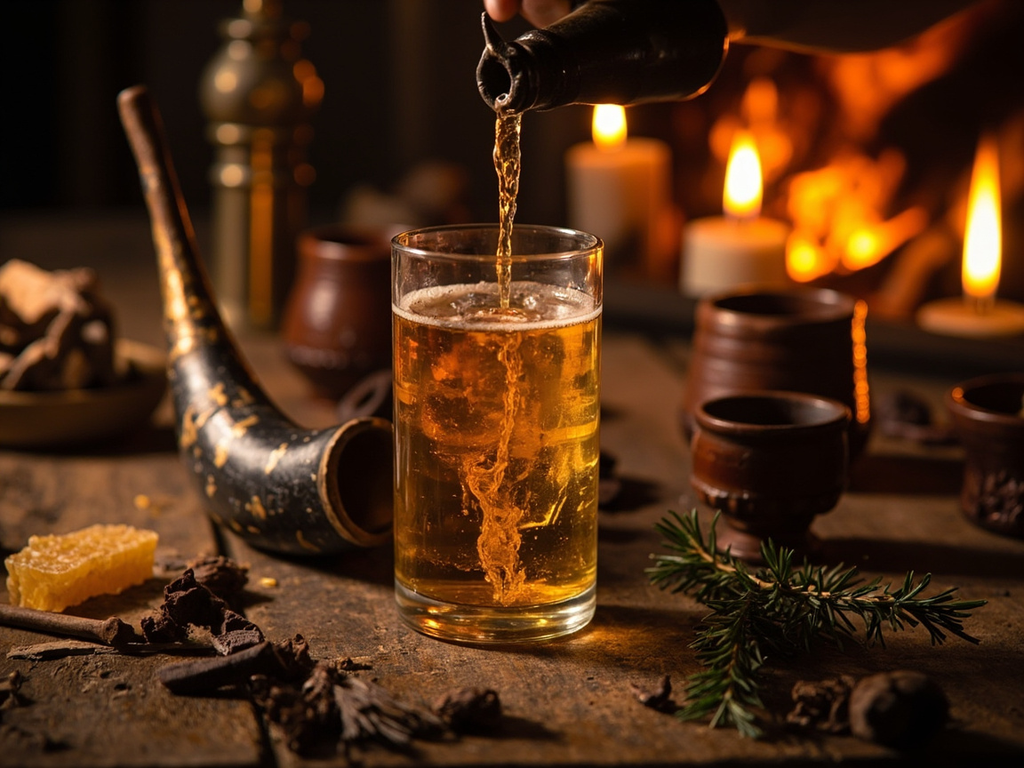
Why this dish? The sumbl, the ritual heart of the veizla, passed the drinking horn of mead from hand to hand: toasts were made to Óðinn, Þórr, and to the Vanir Njörðr, Freyr, and Freyja for peace and good harvests. The drink of ecstasy and poetry, mead suits Freyja, mistress of seiðr and pleasures. Raising the horn in her name invokes love and abundance.
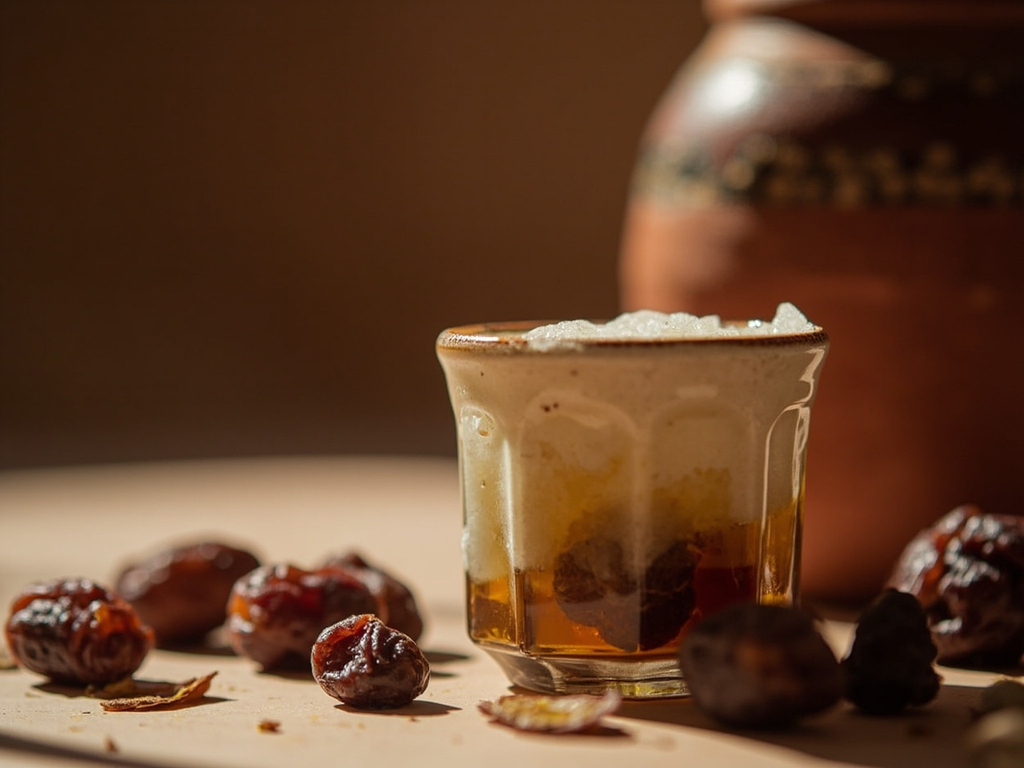
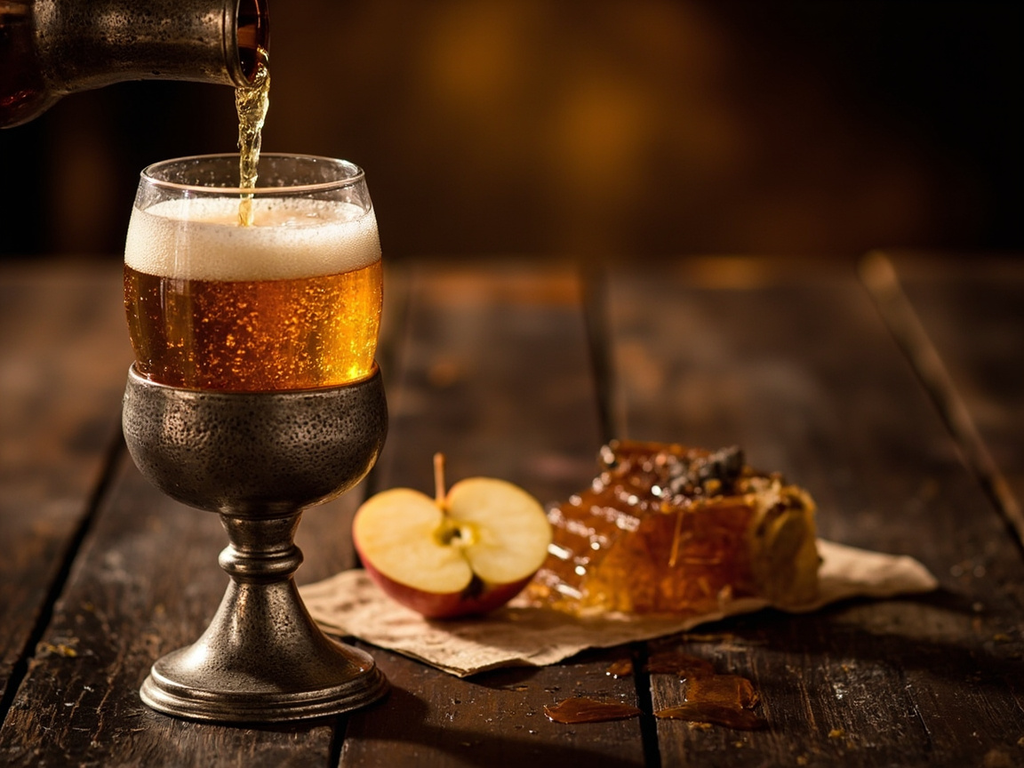
Mead: honey fermented in water until it becomes a golden, sweet, and slightly sparkling drink, heady and floral. The sacred drink of oaths and Nordic banquets.
Take the horn with both hands, mortal, and do not set it down until you have drunk in my name. This golden nectar is the honey of summer made alive by time: water awakens it, it bubbles, it sings softly in the cask for moons. When the horn circulates around the fire, oaths are sworn and I am honored, I, Freyja, so that love may come and the fields bend under grain. Drink slowly—what warms the blood also opens the heart to magic.
- •Wild honey — a large measure (fermentable sugar)
- •Spring water — three measures (liquid)
- •Natural yeasts (from honey, air) — spontaneous (fermentation)
- •Juniper berries or herbs — a few (flavor (optional))
Mjöðr — mead of the sumbl
Mead: honey fermented in water until it becomes a golden, sweet, and slightly sparkling drink, heady and floral. The sacred drink of oaths and Nordic banquets.
Why this dish? The sumbl, the ritual heart of the veizla, passed the drinking horn of mead from hand to hand: toasts were made to Óðinn, Þórr, and to the Vanir Njörðr, Freyr, and Freyja for peace and good harvests. The drink of ecstasy and poetry, mead suits Freyja, mistress of seiðr and pleasures. Raising the horn in her name invokes love and abundance.
Take the horn with both hands, mortal, and do not set it down until you have drunk in my name. This golden nectar is the honey of summer made alive by time: water awakens it, it bubbles, it sings softly in the cask for moons. When the horn circulates around the fire, oaths are sworn and I am honored, I, Freyja, so that love may come and the fields bend under grain. Drink slowly—what warms the blood also opens the heart to magic.
Ingredients (period version)
- Wild honey — a large measure (fermentable sugar)
- Spring water — three measures (liquid)
- Natural yeasts (from honey, air) — spontaneous (fermentation)
- Juniper berries or herbs — a few (flavor (optional))
Ingredients
- Honey — 1 kg (fermentable sugar)
- Water (non-chlorinated) — 3 liters (liquid)
- Mead yeast or baker's yeast — 1 packet (controlled fermentation)
- Juniper berries — 1 tsp (optional) (flavor)
- Lemon or apple juice — a splash (balance, starter)
Method
- Warm a portion of the water and dissolve the honey without boiling, to preserve the aromas.
- Add the rest of the cold water until lukewarm, add the splash of acid and the juniper berries.
- Pitch the yeast, pour into a clean carboy fitted with an airlock.
- Let ferment for 3 to 6 weeks at room temperature, away from light, until bubbling stops.
- Rack into bottles, let age a few more weeks in a cool place before serving.
- Important: alcoholic beverage, for adults only; children can taste a non-fermented sweet version (herbed honey water).
How it was made : Mead is one of the oldest fermented beverages in the world, predating grain beer. In the Nordic world, it was the prestige drink of banquets and the sumbl, the collective ritual described in the sagas where the horn circulated in honor of the gods and ancestors. Fermentation, then spontaneous, depended on wild yeasts present in honey and air.
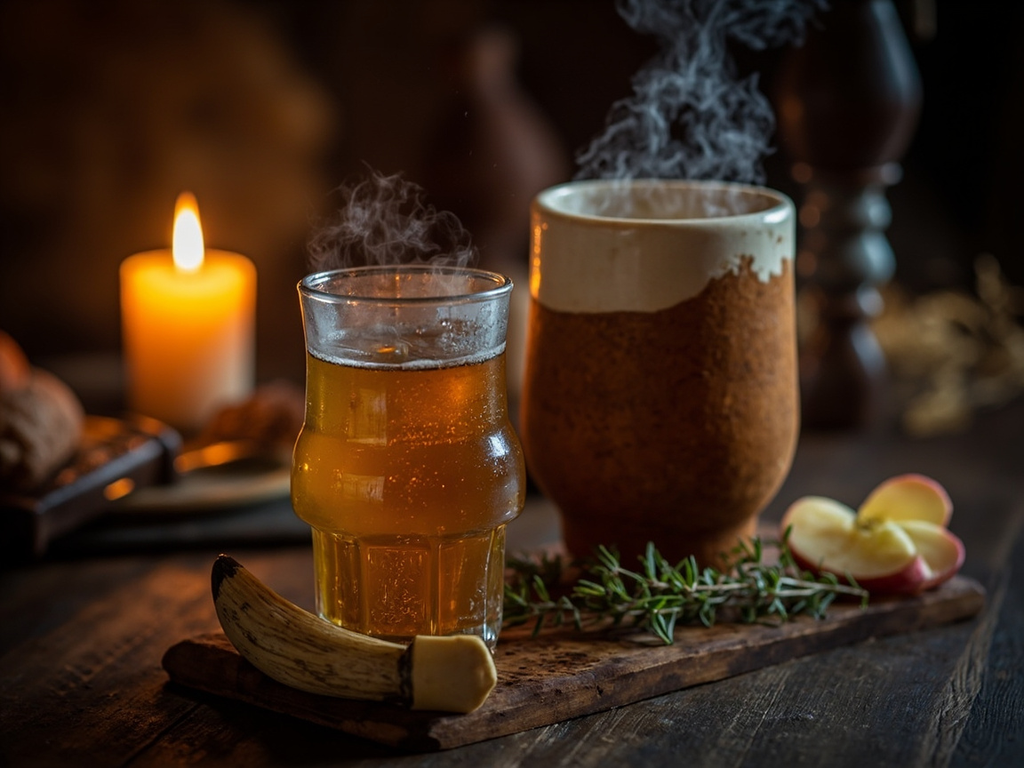
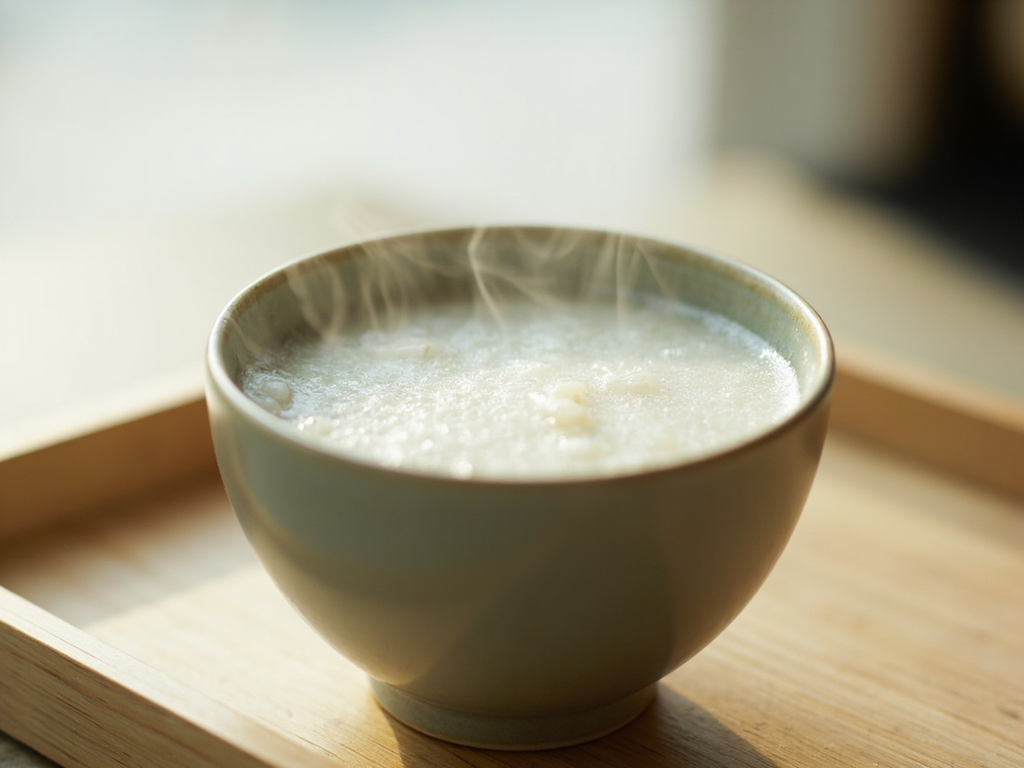
The contemporary twist : A non-alcoholic version "for the whole table": spring water, honey, juniper, and an apple slice, cold-infused for a few hours and served well chilled in a horn or earthenware cup.
Sources : Poetic Edda (Hávamál, Lokasenna) — the sumbl and mead · Snorri Sturluson, Edda (Skáldskaparmál) — the mead of poetry · Daniel Serra & Hanna Tunberg, An Early Meal – A Viking Age Cookbook (ChronoCopia, 2013)
Freya · Charactorium