 flip
flipRasam, Tamarind Soup-Remedy (Inspired by Ramanujan's Diet)
Rasam, Tamarind Soup-Remedy (Inspired by Ramanujan's Diet)
Why this dish? Srinivasa Ramanujan, the genius brought to Cambridge by Hardy in 1914, was a Brahmin and strictly vegetarian. Deprived during the war of the ingredients of his Tamil cooking, he fell gravely ill, and Hardy was genuinely worried about his health. This rasam evokes the comfort dish that Ramanujan prepared for himself in his Trinity rooms, far from home — a tender bond between the two men.
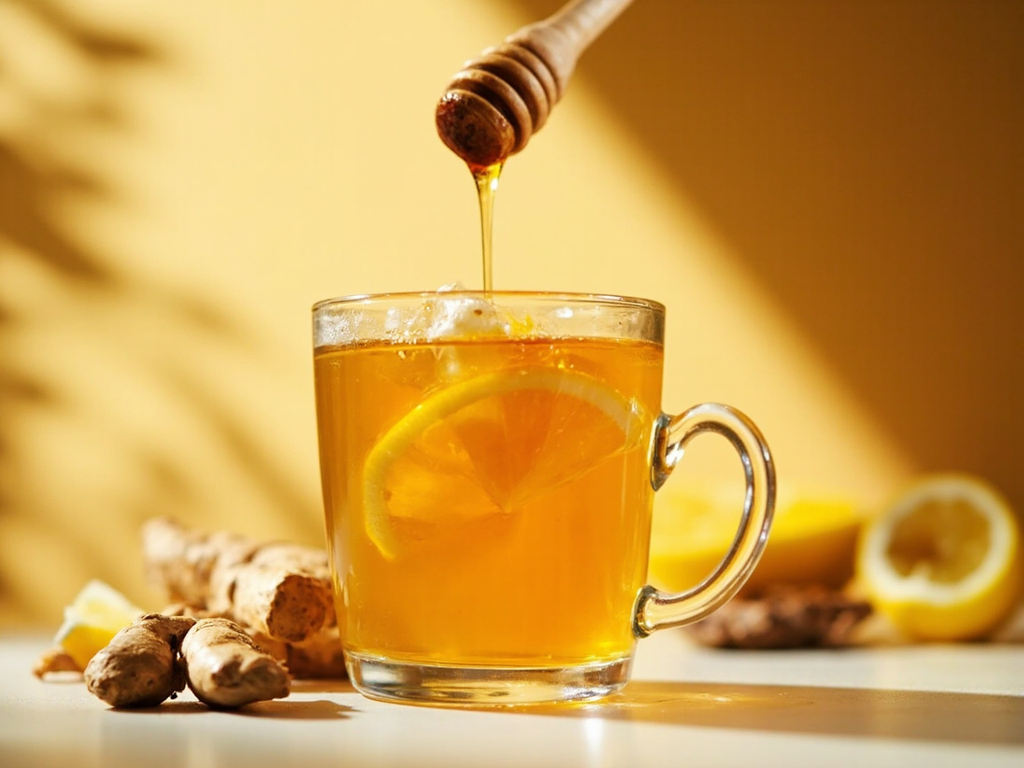
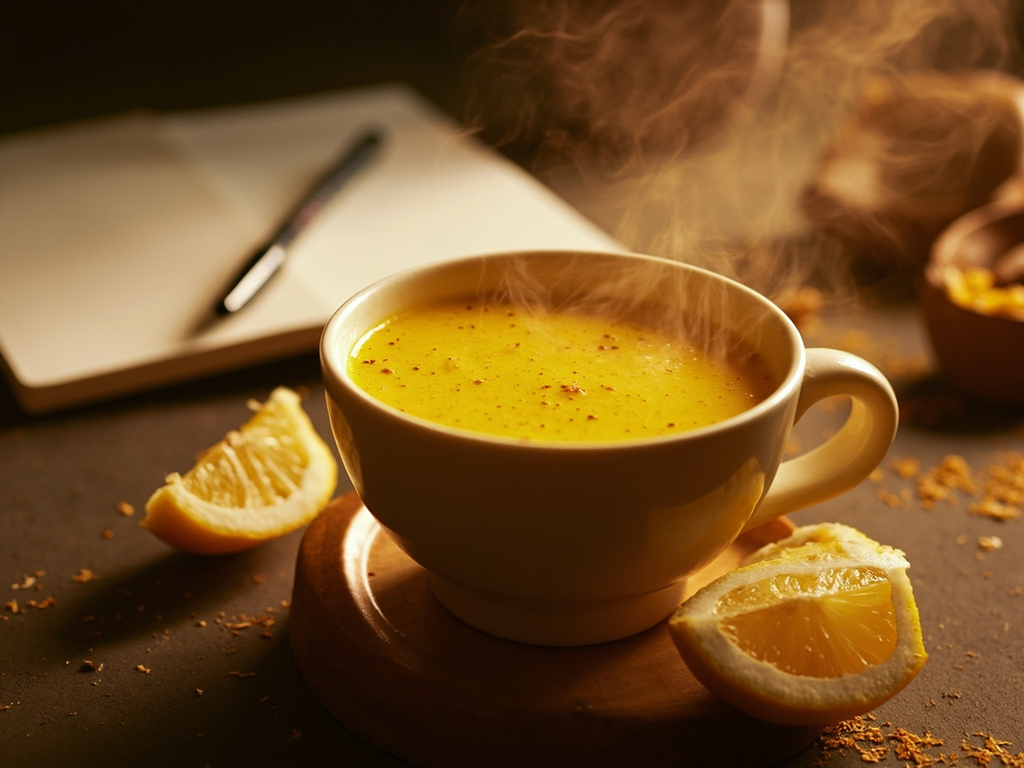
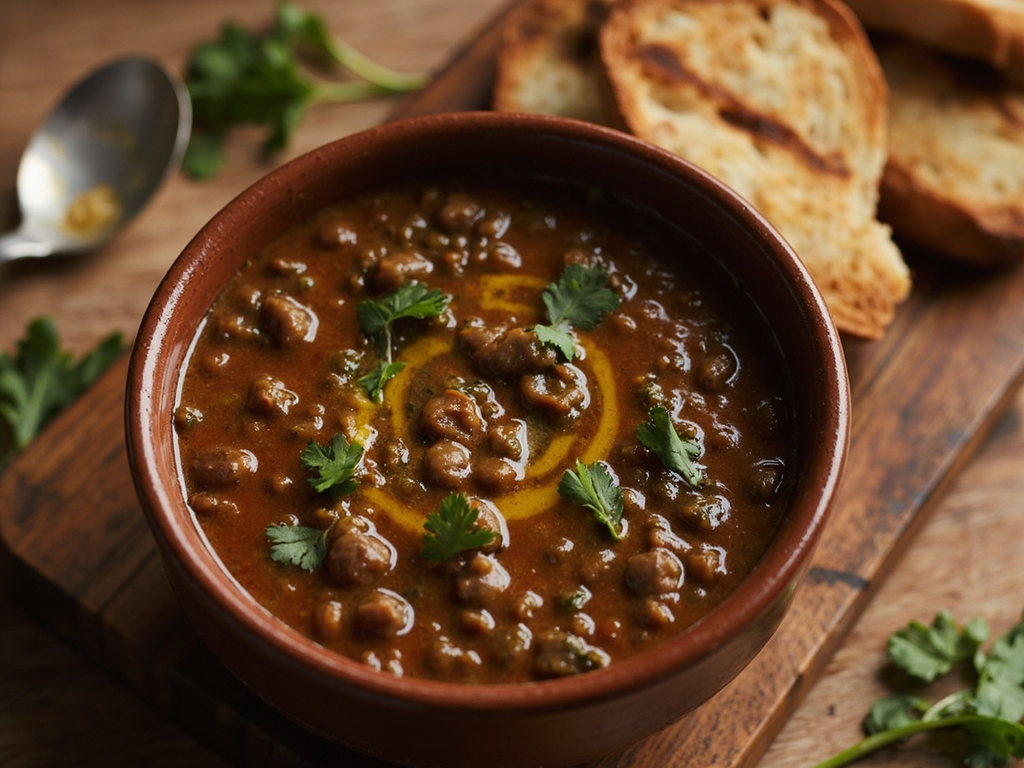
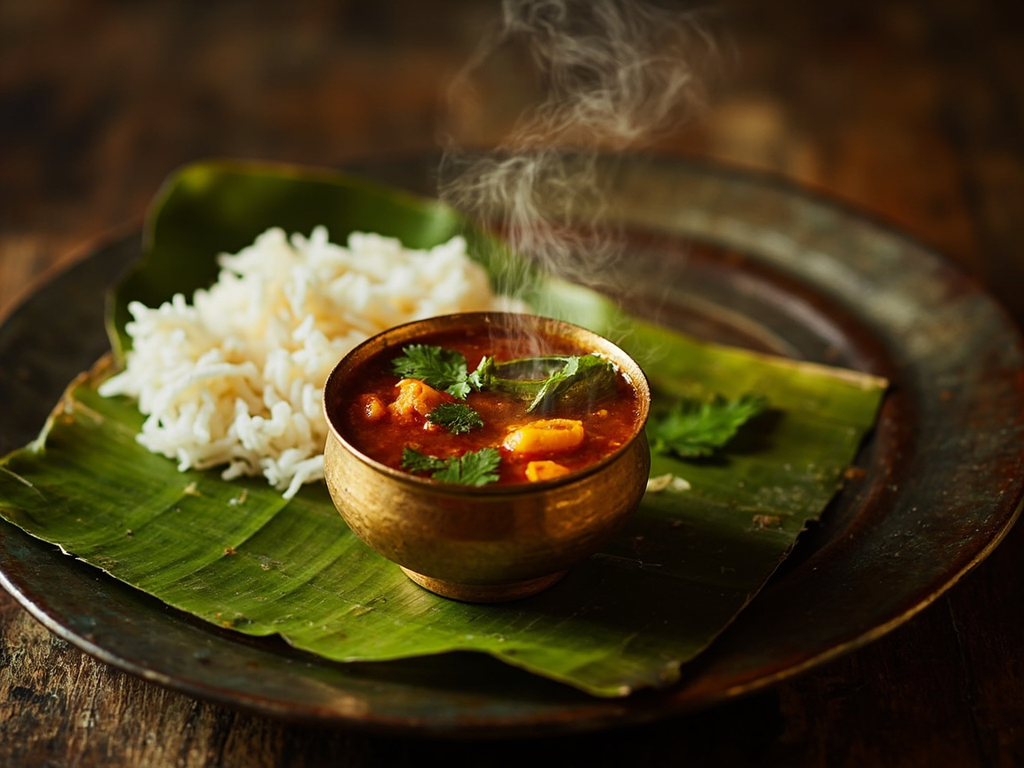
Inspired by Tamil cuisine: a clear, fiery broth, tangy with tamarind and fragrant with pepper, cumin, and curry leaves. It is drunk or poured over rice. Reputed to comfort the body and clear the head — a true soup-remedy.
Ramanujan was the most extraordinary mathematician I have ever known, and I must confess my shame at not having protected him better: the poor fellow, faithful to his principles, refused all meat and was wasting away for want of the spices of his country, which the war made unobtainable. He prepared alone, on a little stove in his room, those fragrant broths of tamarind and pepper whose aroma drifted through the corridors of Trinity. I understood nothing of his cooking — as of my own, for that matter — but I would have given much for him to have been served more of it.
- •Tamarind pulp — a walnut-sized piece (signature acidity)
- •Black pepper and cumin — a spoonful, crushed (spices)
- •Cooked toor dal (split pigeon peas) — a little cooking water (broth body)
- •Curry leaves — a sprig (flavor)
- •Garlic and ginger — a little (aromatics)
- •Turmeric — a pinch (color, remedy)
- •Ghee and mustard seeds — for tempering (final tadka)
Rasam, Tamarind Soup-Remedy (Inspired by Ramanujan's Diet)
Inspired by Tamil cuisine: a clear, fiery broth, tangy with tamarind and fragrant with pepper, cumin, and curry leaves. It is drunk or poured over rice. Reputed to comfort the body and clear the head — a true soup-remedy.
Why this dish? Srinivasa Ramanujan, the genius brought to Cambridge by Hardy in 1914, was a Brahmin and strictly vegetarian. Deprived during the war of the ingredients of his Tamil cooking, he fell gravely ill, and Hardy was genuinely worried about his health. This rasam evokes the comfort dish that Ramanujan prepared for himself in his Trinity rooms, far from home — a tender bond between the two men.
Ramanujan was the most extraordinary mathematician I have ever known, and I must confess my shame at not having protected him better: the poor fellow, faithful to his principles, refused all meat and was wasting away for want of the spices of his country, which the war made unobtainable. He prepared alone, on a little stove in his room, those fragrant broths of tamarind and pepper whose aroma drifted through the corridors of Trinity. I understood nothing of his cooking — as of my own, for that matter — but I would have given much for him to have been served more of it.
Ingredients (period version)
- Tamarind pulp — a walnut-sized piece (signature acidity)
- Black pepper and cumin — a spoonful, crushed (spices)
- Cooked toor dal (split pigeon peas) — a little cooking water (broth body)
- Curry leaves — a sprig (flavor)
- Garlic and ginger — a little (aromatics)
- Turmeric — a pinch (color, remedy)
- Ghee and mustard seeds — for tempering (final tadka)
Ingredients
- Tamarind paste — 1 tbsp dissolved in 500 ml water (signature acidity)
- Black pepper + cumin (mortar) — 1 tsp each (spices)
- Cooked toor dal (or red lentils) — 3 tbsp + their water (body)
- Fresh curry leaves — 10 leaves (flavor)
- Crushed garlic — 2 cloves (aromatic)
- Turmeric — 1/2 tsp (color)
- Ghee + mustard seeds + 1 dried chili — for tadka (final tempering)
- Fresh coriander — a few sprigs (finish)
Method
- Coarsely crush the pepper and cumin in a mortar.
- Heat the tamarind water with turmeric, garlic, curry leaves, and the pepper-cumin mix; season with salt.
- Add the cooked dal and its water, and simmer gently without boiling vigorously (the rasam should remain clear and frothy).
- Prepare the tadka: heat the ghee, crackle the mustard seeds with the dried chili.
- Pour the hot tadka over the rasam, garnish with coriander.
- Serve very hot, in a cup for drinking or poured over white rice.
How it was made : Rasam is a pillar of the Tamil meal, served between sambar and yogurt on the banana leaf. In the early 20th century, it was prepared with a mortar and over a charcoal fire, the acidity coming exclusively from tamarind (the tomato version is later). This recipe is presented 'inspired by' the tradition, out of respect for a living cuisine.
The contemporary twist : Serve in a small espresso cup at the start of the meal, like a hot, tangy 'shot' that awakens the appetite — a nod to the genius who fueled on spices.
Sources : Robert Kanigel, The Man Who Knew Infinity, 1991 · G. H. Hardy, Ramanujan: Twelve Lectures, 1940
G.H. Hardy · Charactorium