 flip
flipMote con Huesillos from the Elqui Valley
Mote con Huesillos from the Elqui Valley
Why this dish? The Elqui Valley, birthplace of Lucila Godoy, thrives on sun-dried fruit: peaches become *huesillos*, preserved year-round. This drink of cooked wheat and dried peaches in *chancaca* syrup is the very essence of her native valley, the refreshment of hot Chilean summer afternoons.
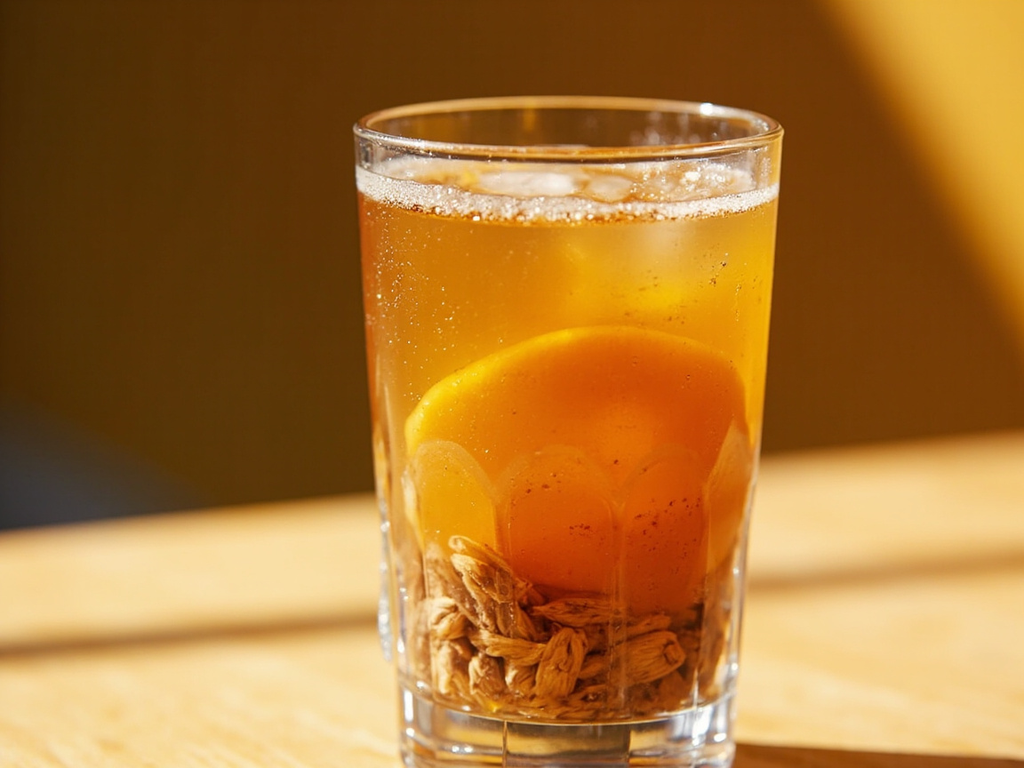
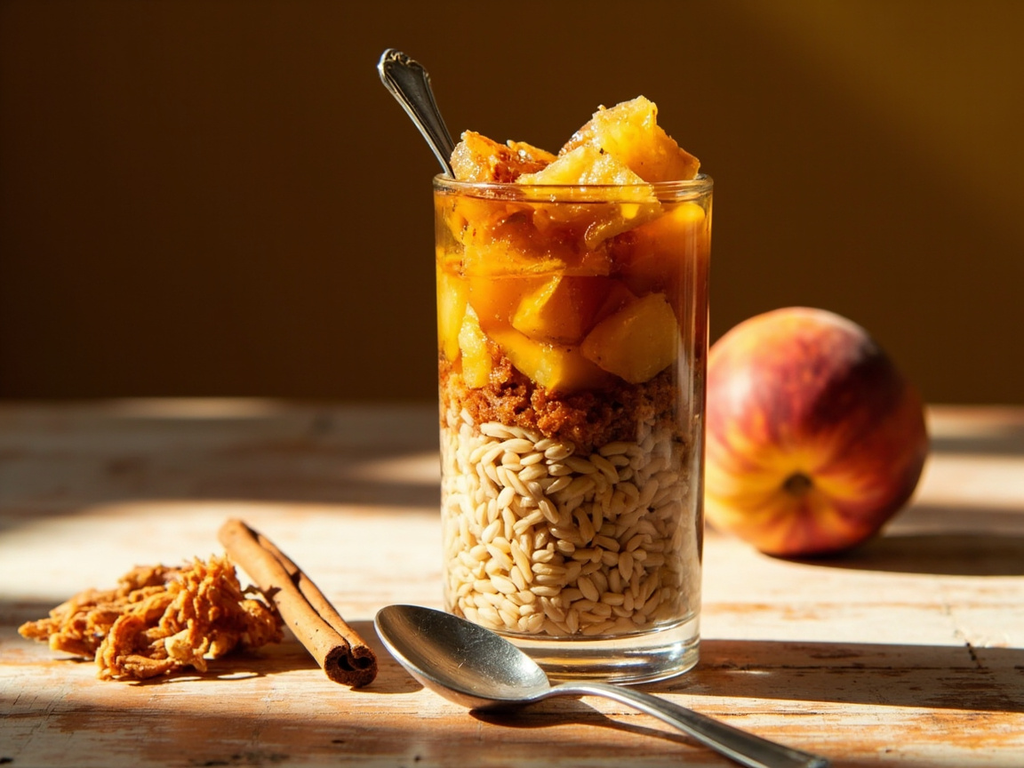
A tall glass where soft wheat grains (*mote*) swim under rehydrated dried peaches in a cinnamon-scented syrup. Half-drink, half-dessert, you drink it and eat it with a spoon.
If you ever come to my Elqui Valley in the height of summer, you will be handed this glass before a word is spoken. *Huesillos* are our peaches dried in the great mountain sun, wrinkled like little old women full of sweetness; we plump them back up in sweetened water and cinnamon until they become round again. With the wheat underneath, it is both fresh and nourishing — at home we used to say: *más chileno que el mote con huesillos*. Drink the juice, eat the peach, and save the wheat grain for last.
- •Huesillos (whole dried peaches) — a handful (core fruit)
- •Mote (cooked husked wheat grains) — a good spoonful per glass (nourishing base)
- •Chancaca (raw cane sugar) or brown sugar — to taste (syrup)
- •Cinnamon (stick) — one stick (flavor)
Mote con Huesillos from the Elqui Valley
A tall glass where soft wheat grains (*mote*) swim under rehydrated dried peaches in a cinnamon-scented syrup. Half-drink, half-dessert, you drink it and eat it with a spoon.
Why this dish? The Elqui Valley, birthplace of Lucila Godoy, thrives on sun-dried fruit: peaches become *huesillos*, preserved year-round. This drink of cooked wheat and dried peaches in *chancaca* syrup is the very essence of her native valley, the refreshment of hot Chilean summer afternoons.
If you ever come to my Elqui Valley in the height of summer, you will be handed this glass before a word is spoken. *Huesillos* are our peaches dried in the great mountain sun, wrinkled like little old women full of sweetness; we plump them back up in sweetened water and cinnamon until they become round again. With the wheat underneath, it is both fresh and nourishing — at home we used to say: *más chileno que el mote con huesillos*. Drink the juice, eat the peach, and save the wheat grain for last.
Ingredients (period version)
- Huesillos (whole dried peaches) — a handful (core fruit)
- Mote (cooked husked wheat grains) — a good spoonful per glass (nourishing base)
- Chancaca (raw cane sugar) or brown sugar — to taste (syrup)
- Cinnamon (stick) — one stick (flavor)
Ingredients
- Dried peaches (huesillos, or dried apricots as substitute) — 8 pieces (core fruit)
- Hulled wheat (mote, or pearl barley as substitute) — 150 g, cooked (nourishing base)
- Brown sugar or chancaca/rapadura — 150 g (syrup)
- Cinnamon stick — 1 (flavor)
- Water — 1.5 L (liquid)
Method
- Soak the dried peaches for several hours (or overnight).
- Cook them in water with the brown sugar and cinnamon for 30–40 minutes, until plumped and the syrup is amber. Let cool; the syrup thickens.
- Separately, cook the hulled wheat in water until tender, then drain and rinse.
- To serve, place a spoonful of wheat in the bottom of each tall glass, add one or two peaches, and fill with the cold syrup.
- Serve very cold, with a spoon to scoop up the wheat and fruit.
How it was made : Sun-drying peaches was (and remains) a seasonal activity in the valleys of northern Chile: the summer harvest was preserved for months. The drink, sold on streets and at festivals, combined two peasant preserves — dried wheat and dried fruit — revived by sweetened water.
The contemporary twist : Serve in a tall clear glass to show the layers, amber syrup on top, pale wheat below, and a fine grating of orange zest for freshness.
Gabriela Mistral · Charactorium