 flip
flipKanji and payar (rice porridge and mung beans)
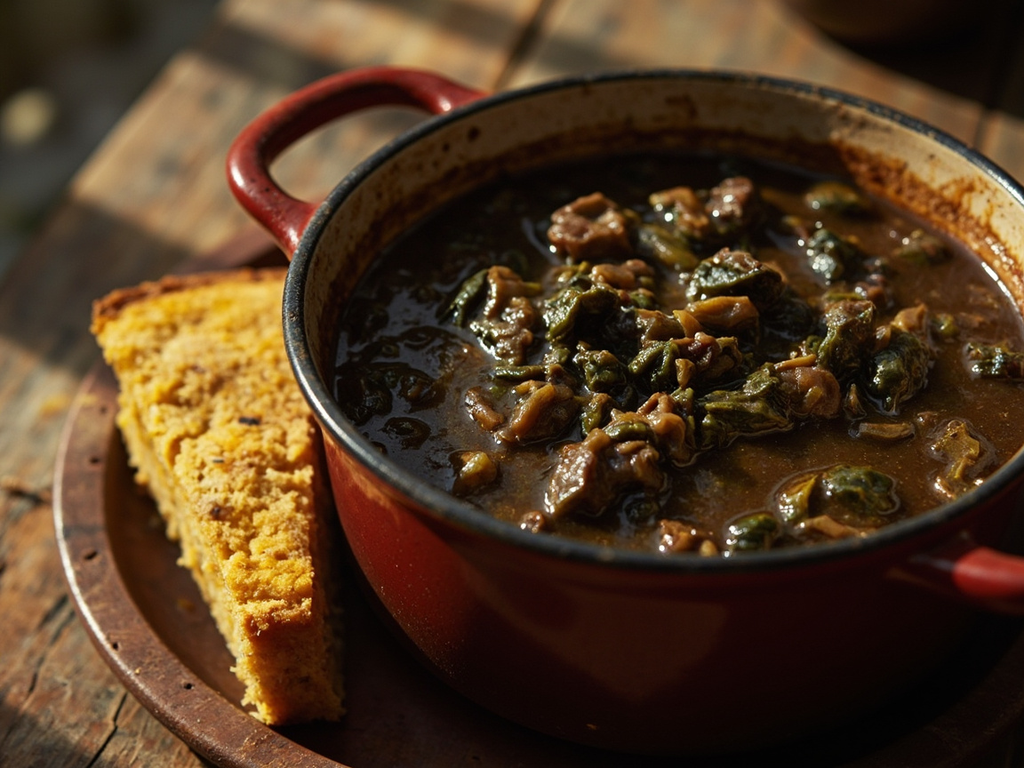
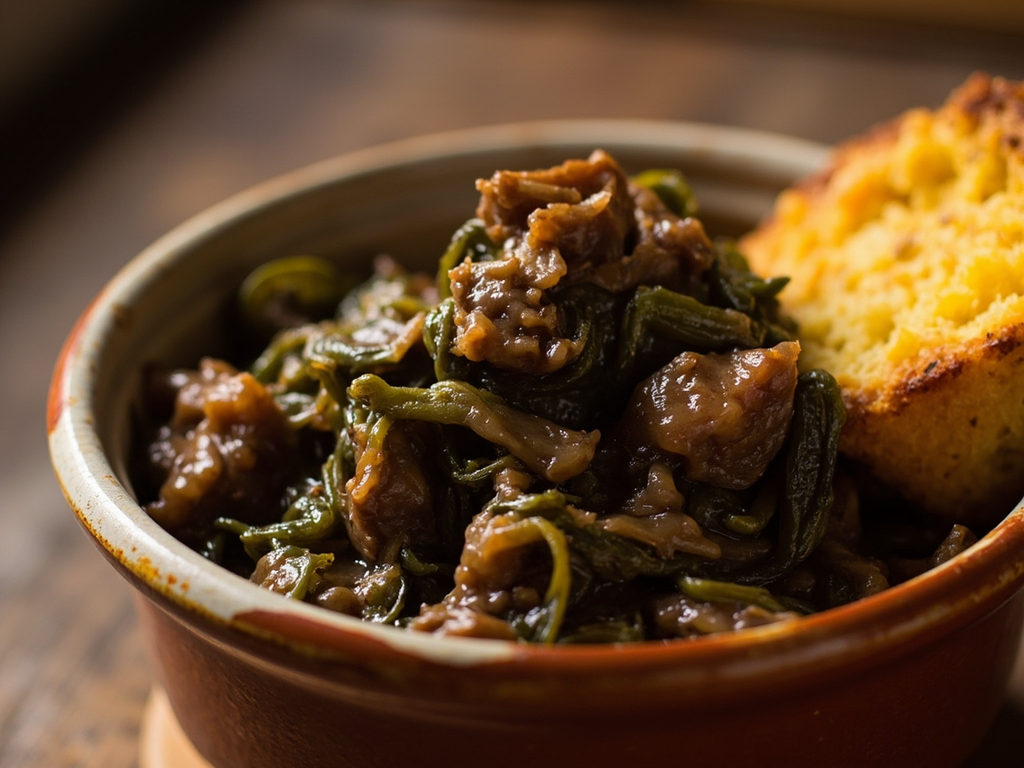
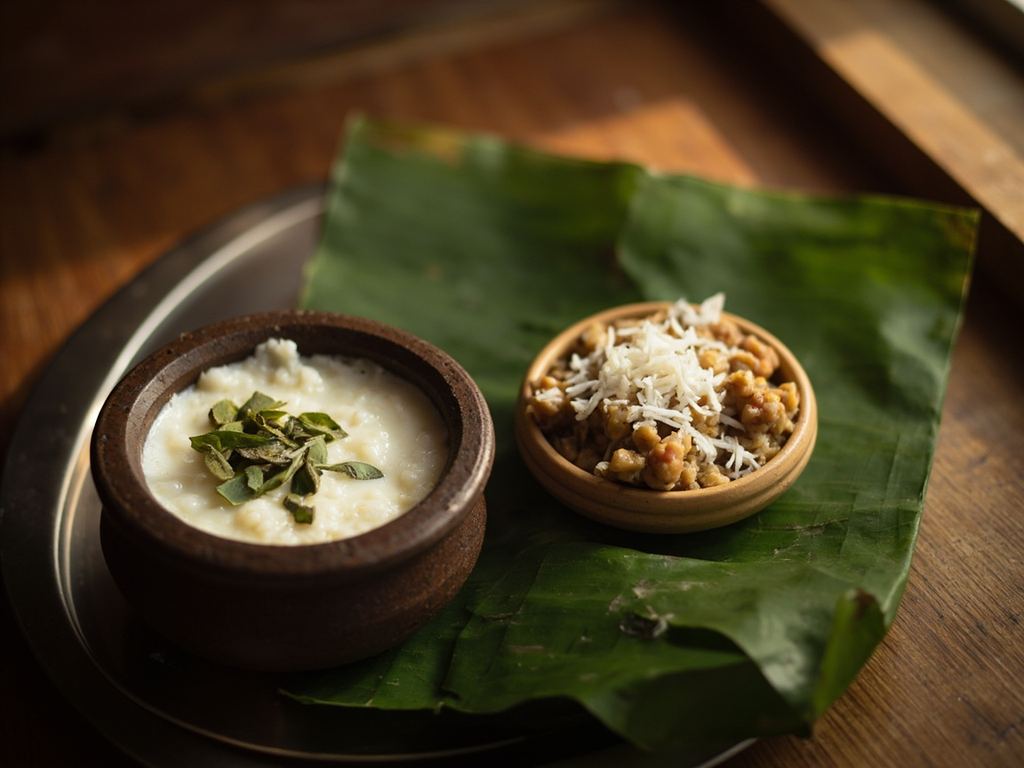
Kanji and payar (rice porridge and mung beans)
Why this dish? The quintessential comfort dish of Kerala, kanji is what families in Kottayam eat in the evening when they want something simple and nourishing. For a man who went from Pallam rice to the cafeterias of Rochester and Austin, this is the taste of home — warm, gentle, grounding.
Rice cooked long in plenty of water until it becomes a creamy porridge, eaten warm with a mash of mung beans (payar) seasoned with grated coconut and a tadka of curry leaves. Rustic, digestible, deeply satisfying.
People often ask me where I get my calm in front of the blackboard. I think it comes from evenings like those in Pallam, where my mother poured steaming kanji into the bowl and we ate without saying anything unnecessary. You see, a physicist learns that the deepest things are the simplest: a grain of rice, water, time. Take your payar, crush it between your fingers with the porridge, and let the warmth do the rest — it's an equation I never tried to complicate.
- •Red rice from Kerala (matta) — one measure (staple grain)
- •Whole mung beans (cherupayar) — a handful (legume)
- •Fresh grated coconut — to taste (binder and sweetness)
- •Coconut oil — a drizzle (fragrant fat)
- •Curry leaves — one sprig (tadka aromatic)
- •Sea salt — to taste (seasoning)
Kanji and payar (rice porridge and mung beans)
Rice cooked long in plenty of water until it becomes a creamy porridge, eaten warm with a mash of mung beans (payar) seasoned with grated coconut and a tadka of curry leaves. Rustic, digestible, deeply satisfying.
Why this dish? The quintessential comfort dish of Kerala, kanji is what families in Kottayam eat in the evening when they want something simple and nourishing. For a man who went from Pallam rice to the cafeterias of Rochester and Austin, this is the taste of home — warm, gentle, grounding.
People often ask me where I get my calm in front of the blackboard. I think it comes from evenings like those in Pallam, where my mother poured steaming kanji into the bowl and we ate without saying anything unnecessary. You see, a physicist learns that the deepest things are the simplest: a grain of rice, water, time. Take your payar, crush it between your fingers with the porridge, and let the warmth do the rest — it's an equation I never tried to complicate.
Ingredients (period version)
- Red rice from Kerala (matta) — one measure (staple grain)
- Whole mung beans (cherupayar) — a handful (legume)
- Fresh grated coconut — to taste (binder and sweetness)
- Coconut oil — a drizzle (fragrant fat)
- Curry leaves — one sprig (tadka aromatic)
- Sea salt — to taste (seasoning)
Ingredients
- Red matta rice (or round rice if unavailable) — 150 g (staple grain)
- Water — 1.2 L (long cooking)
- Whole mung beans — 120 g (legume)
- Grated coconut (fresh or frozen) — 60 g (binder)
- Virgin coconut oil — 2 tbsp (fat)
- Fresh curry leaves — 1 sprig (aromatic)
- Shallot — 1, sliced (tadka)
- Salt — 1 tsp (seasoning)
Method
- Rinse the rice, cover generously with water and cook at a gentle boil for 40 minutes, stirring: the grains should burst and give a porridge-like texture. Season with salt.
- Separately, cook the mung beans in water for 30 minutes until tender, drain, and coarsely mash.
- Mix the grated coconut into the mashed beans, season with salt.
- Tadka: heat the coconut oil, fry the shallot until golden, then add the curry leaves — they should crackle for a few seconds — and pour everything over the beans.
- Serve the kanji warm in a bowl, with the payar alongside.
How it was made : In Kerala households, kanji was cooked in an earthen pot (kalam) over a wood fire, often with unpolished red matta rice, more rustic and richer in flavor than white rice. The cooking water (kanji vellam) was drunk separately, considered fortifying.
The contemporary twist : Served in a deep bowl with a drizzle of raw coconut oil and a few fried shallots, this is Indian comfort food that rivals any porridge.
George Sudarshan · Charactorium