 flip
flipRoasted Hōjicha Tea
Roasted Hōjicha Tea
Why this dish? The "cup of coffee or tea" is among Yoshimoto's typical objects. Hōjicha, a low-caffeine roasted green tea, mild and toasty, accompanies the end of the day — exactly the meditative, calming moment she cherishes.
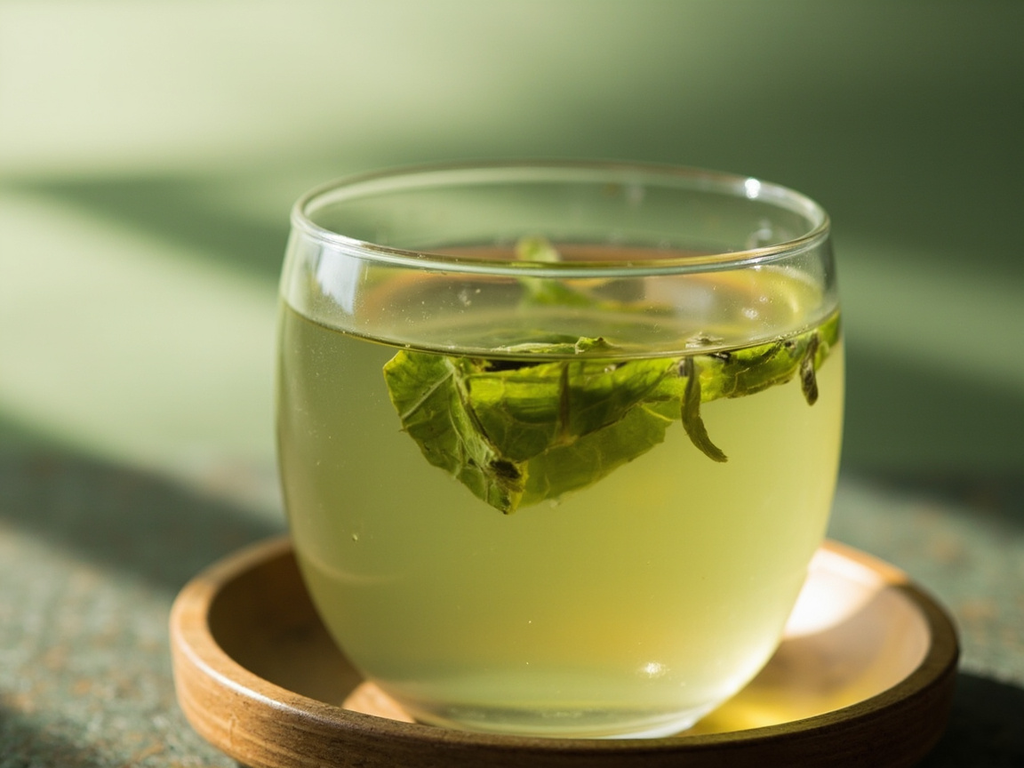
A green tea roasted over high heat until brown and nutty, steeped briefly in very hot water. The quintessential evening drink: warm, round, comforting, without jitters.
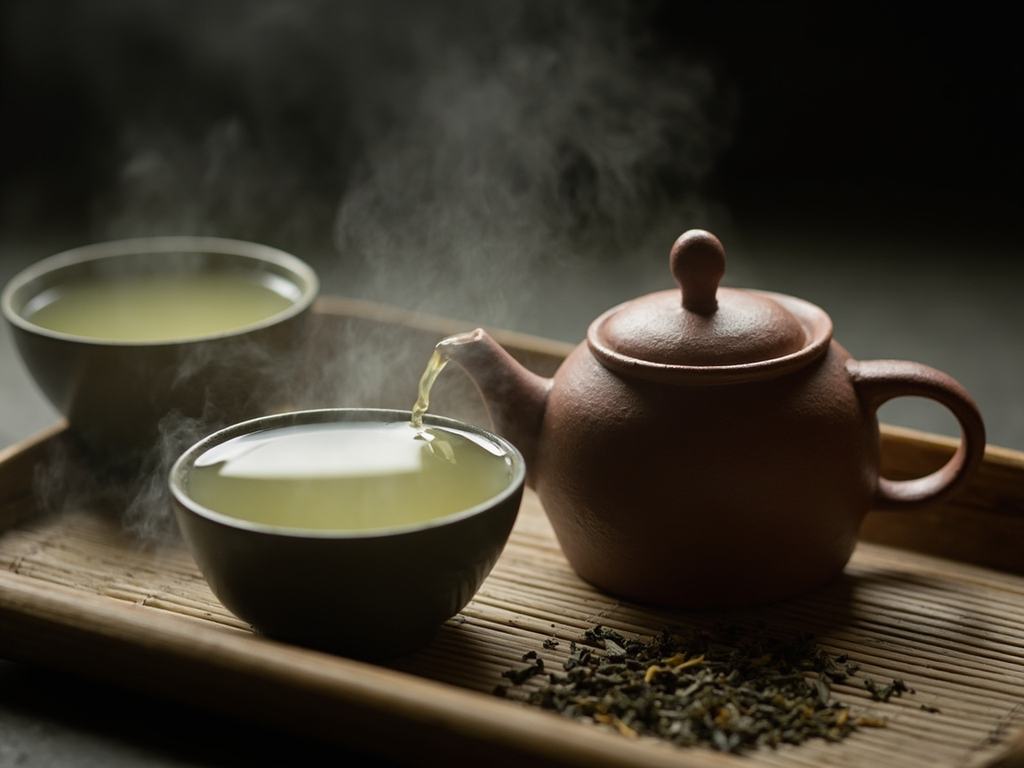
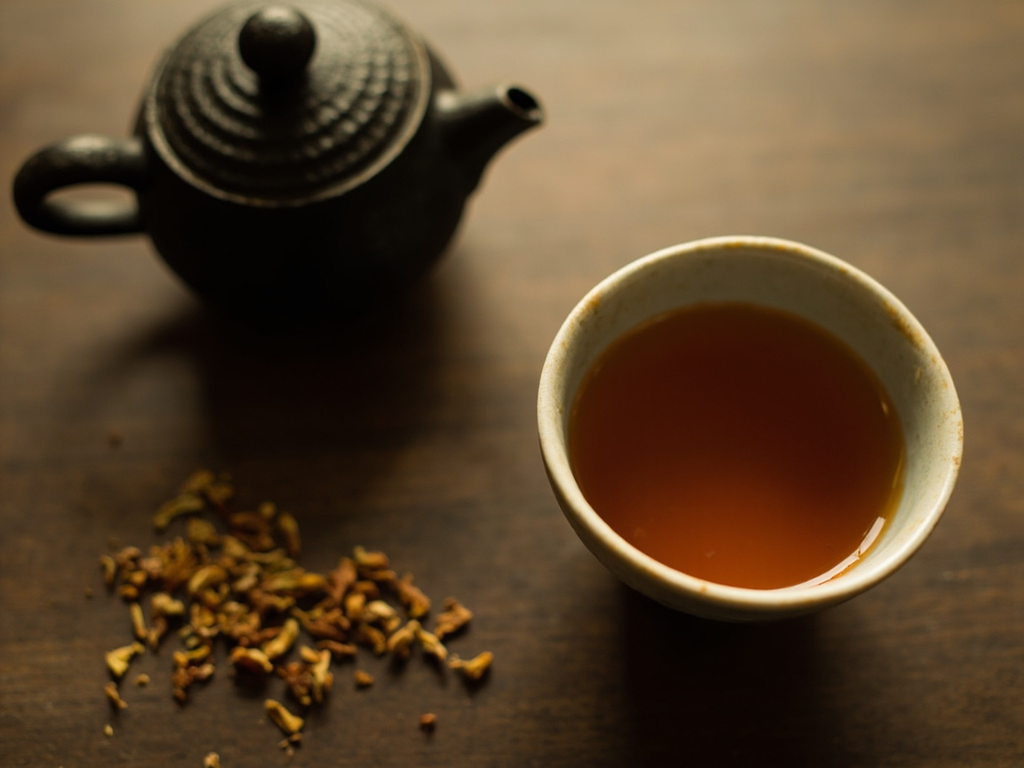
In the evening, when work quiets down, I no longer drink sharp tea — I want something gentle. Hōjicha, roasted and brown, smells of hazelnut and wood; it warms without keeping you awake. I serve it to my guests late, in a small teapot, and suddenly we speak more softly, more truly. It's a drink that knows how to listen.
- •Green tea leaves (bancha) — two spoonfuls (base to roast)
- •Hot water — one teapot (infusion)
Roasted Hōjicha Tea
A green tea roasted over high heat until brown and nutty, steeped briefly in very hot water. The quintessential evening drink: warm, round, comforting, without jitters.
Why this dish? The "cup of coffee or tea" is among Yoshimoto's typical objects. Hōjicha, a low-caffeine roasted green tea, mild and toasty, accompanies the end of the day — exactly the meditative, calming moment she cherishes.
In the evening, when work quiets down, I no longer drink sharp tea — I want something gentle. Hōjicha, roasted and brown, smells of hazelnut and wood; it warms without keeping you awake. I serve it to my guests late, in a small teapot, and suddenly we speak more softly, more truly. It's a drink that knows how to listen.
Ingredients (period version)
- Green tea leaves (bancha) — two spoonfuls (base to roast)
- Hot water — one teapot (infusion)
Ingredients
- Hōjicha leaves (or bancha to roast) — 2 tbsp (tea)
- Water — 500 ml at 90 °C (infusion)
Method
- If starting from bancha, dry-roast it in a pan over medium-high heat, stirring, until it turns brown and fragrant (2-3 minutes); remove immediately.
- Heat water to about 90 °C (just before boiling).
- Put the leaves in a teapot, pour in the water.
- Steep for only 30 seconds to 1 minute.
- Serve in small cups; the leaves can be re-steeped several times.
How it was made : Hōjicha appeared in Kyoto in the 1920s, when tea merchants began roasting lower-grade leaves (bancha, stems) over charcoal. Roasting reduces bitterness and caffeine, yielding a mild tea often offered in the evening, to children and the elderly.
The contemporary twist : Pour hot hōjicha over frothed milk for a "hōjicha latte" very popular in Tokyo cafes — the contemporary version of the evening cup.
Sources : Banana Yoshimoto, Kitchen (1988)
Banana Yoshimoto · Charactorium