 flip
flipHuahua manu — birds confit in their own fat
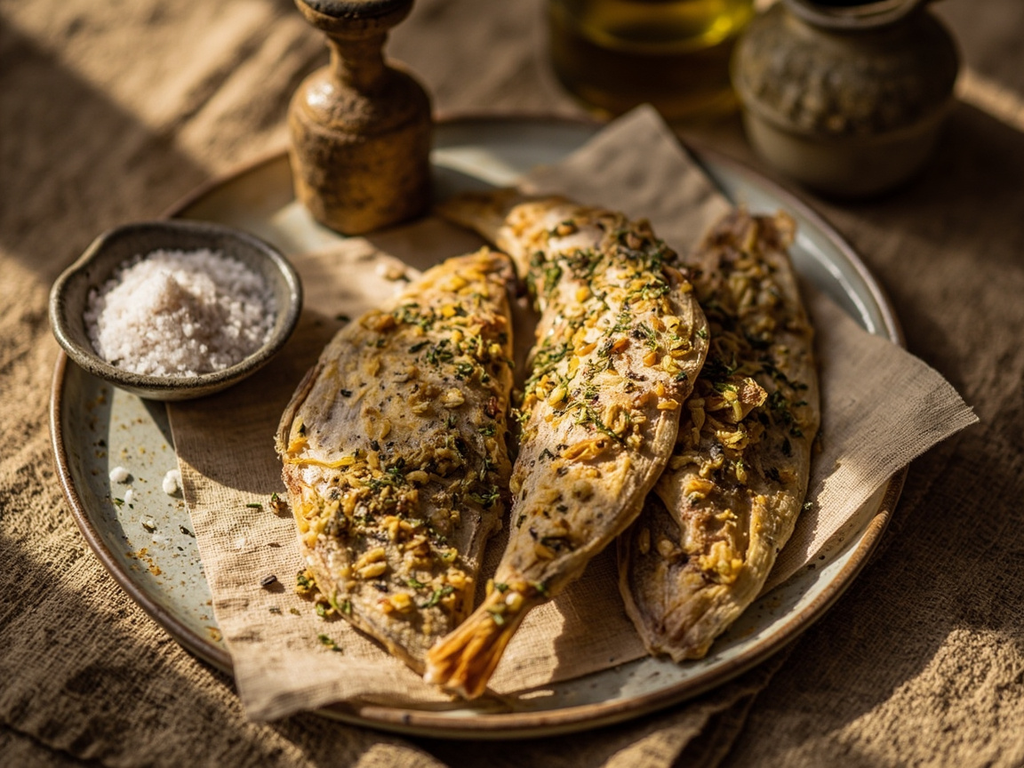
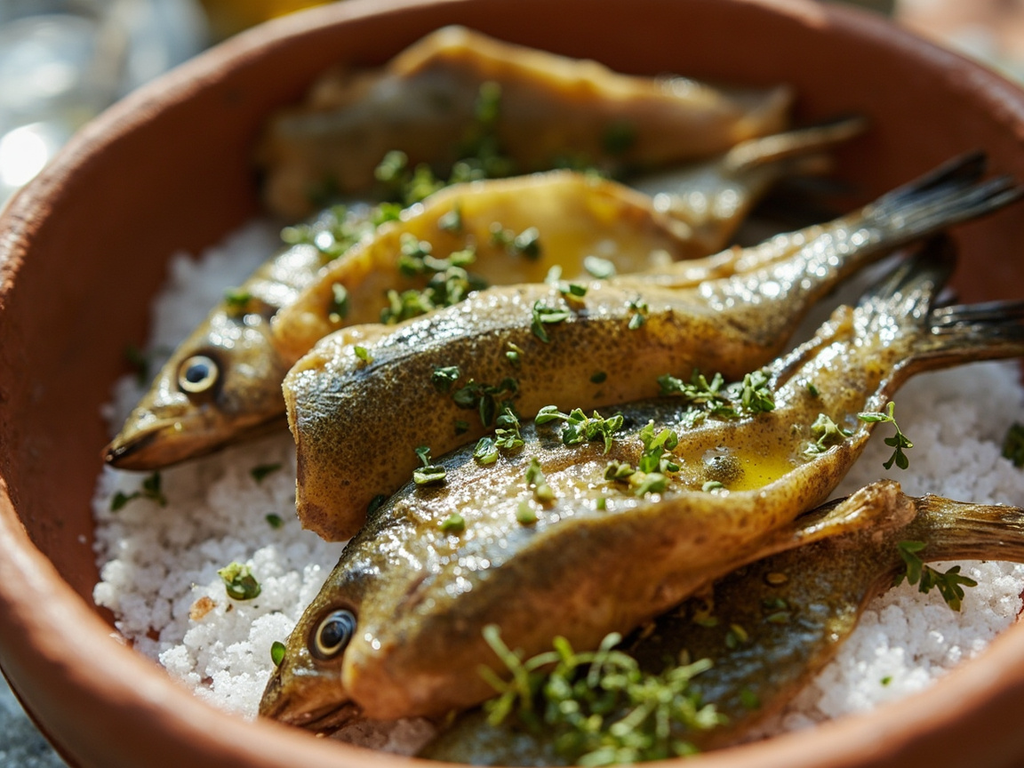
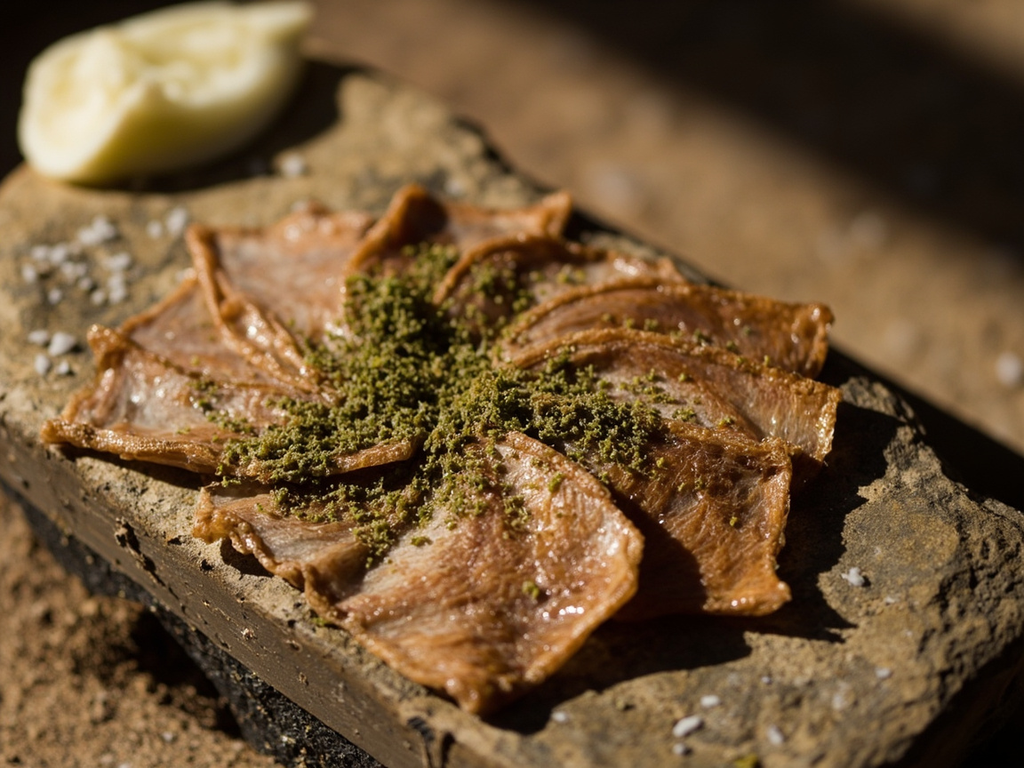
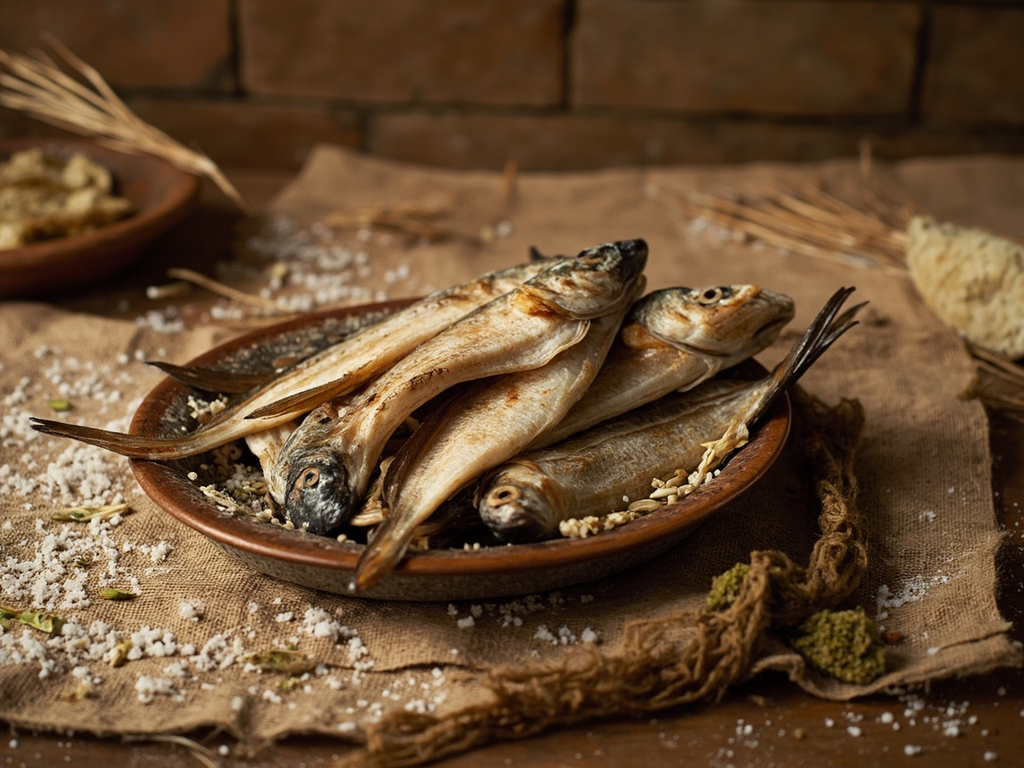
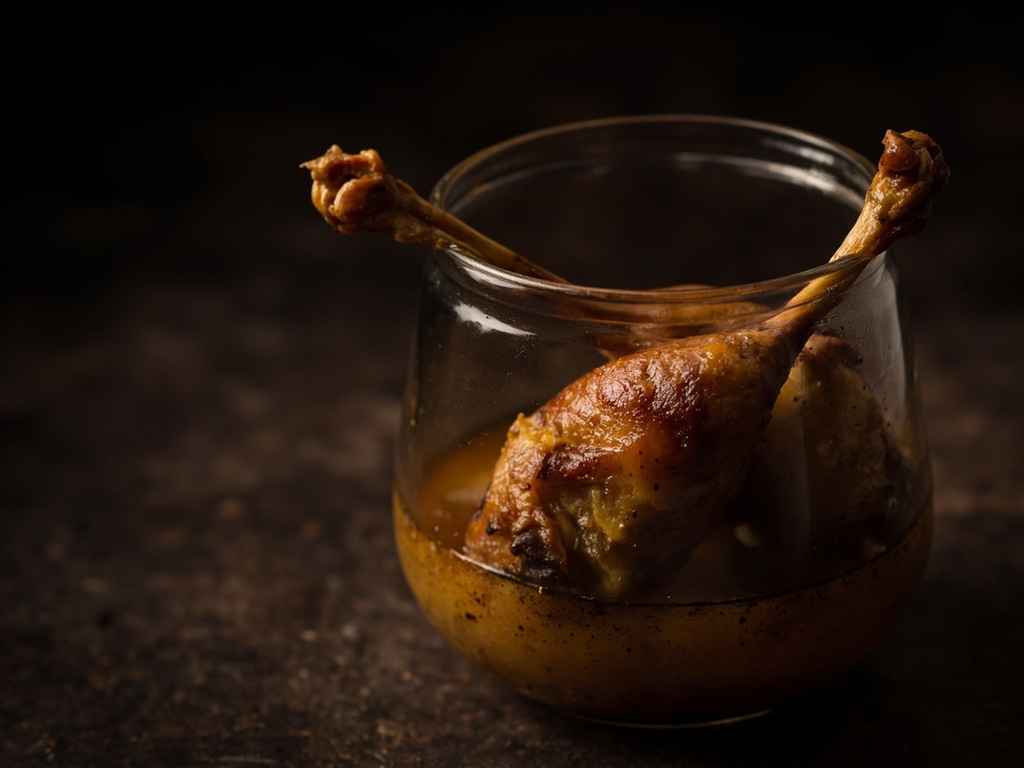
Huahua manu — birds confit in their own fat
Why this dish? Tāne, the atua of the forest who shaped Hineahuone, is also the father of birds. The manu of his domain, caught in the fat season and then confit in their own fat within a hue (gourd), carried through the lean months: the gift of the creator god, sealed to last.
Forest birds cooked then immersed in their rendered fat, preserved cool in sealed gourds. The flesh tenderizes and over time develops a deep, almost aged flavor — the precious reserve for great winter days.
See the hue I hold, ē taku uri: it keeps the wealth of Tāne's forest, he who drew me from the earth. In the season when the manu are fat with berries, we took them, cooked them, then laid them whole in their own melted fat at the bottom of the gourd. Sealed thus, the flesh keeps and softens, and when winter bites and the forest falls silent, we open the hue — and it is all of summer we find again on the tongue.
- •Fat forest birds (kererū, weka) — several (meat to preserve)
- •Their own rendered fat — enough to immerse (preservation medium)
- •Hue (gourd) — 1 or 2 (sealed container)
Huahua manu — birds confit in their own fat
Forest birds cooked then immersed in their rendered fat, preserved cool in sealed gourds. The flesh tenderizes and over time develops a deep, almost aged flavor — the precious reserve for great winter days.
Why this dish? Tāne, the atua of the forest who shaped Hineahuone, is also the father of birds. The manu of his domain, caught in the fat season and then confit in their own fat within a hue (gourd), carried through the lean months: the gift of the creator god, sealed to last.
See the hue I hold, ē taku uri: it keeps the wealth of Tāne's forest, he who drew me from the earth. In the season when the manu are fat with berries, we took them, cooked them, then laid them whole in their own melted fat at the bottom of the gourd. Sealed thus, the flesh keeps and softens, and when winter bites and the forest falls silent, we open the hue — and it is all of summer we find again on the tongue.
Ingredients (period version)
- Fat forest birds (kererū, weka) — several (meat to preserve)
- Their own rendered fat — enough to immerse (preservation medium)
- Hue (gourd) — 1 or 2 (sealed container)
Ingredients
- Duck legs — 6 (substitute for fatty game)
- Duck fat — 500 g (confit medium)
- Sea salt — 3 tsp (seasoning and preservation)
- Glass jar — 1 large (replaces the gourd)
Method
- Salt the duck legs and let rest 1 hour, then wipe dry.
- Melt the duck fat in a pot, submerge the legs completely.
- Cook at a very gentle simmer for 2 hours, until the meat is meltingly tender.
- Place the legs in a clean jar, cover completely with strained melted fat.
- Let set and keep cool; reheat gently before serving with a little aruhe or roasted root.
How it was made : Huahua was a major preservation technique: birds (kererū, weka, kākā) were cooked then immersed in their fat at the bottom of gourds (hue) or bark containers (pātua), sometimes decorated. These reserves kept for months and were a prized delicacy offered to distinguished visitors.
The contemporary twist : Shred the cold confit onto a parsnip patty (recipe r1) for a 'forest rillettes' that connects the earth and the bird-filled sky.
Sources : Elsdon Best, Forest Lore of the Maori (1942) · Te Rangi Hīroa (Peter Buck), The Coming of the Maori (1949)
Hineahuone · Charactorium