 flip
flipGravad lax (Cured Salmon with Dill)
Gravad lax (Cured Salmon with Dill)
Why this dish? Gravlax — salmon "buried," once cured and fermented to last through winter — belongs to Bergman's direct Nordic heritage. Her table favored fish and dill; this cold preserved dish embodies the Swedish art of preserving the catch without cooking.
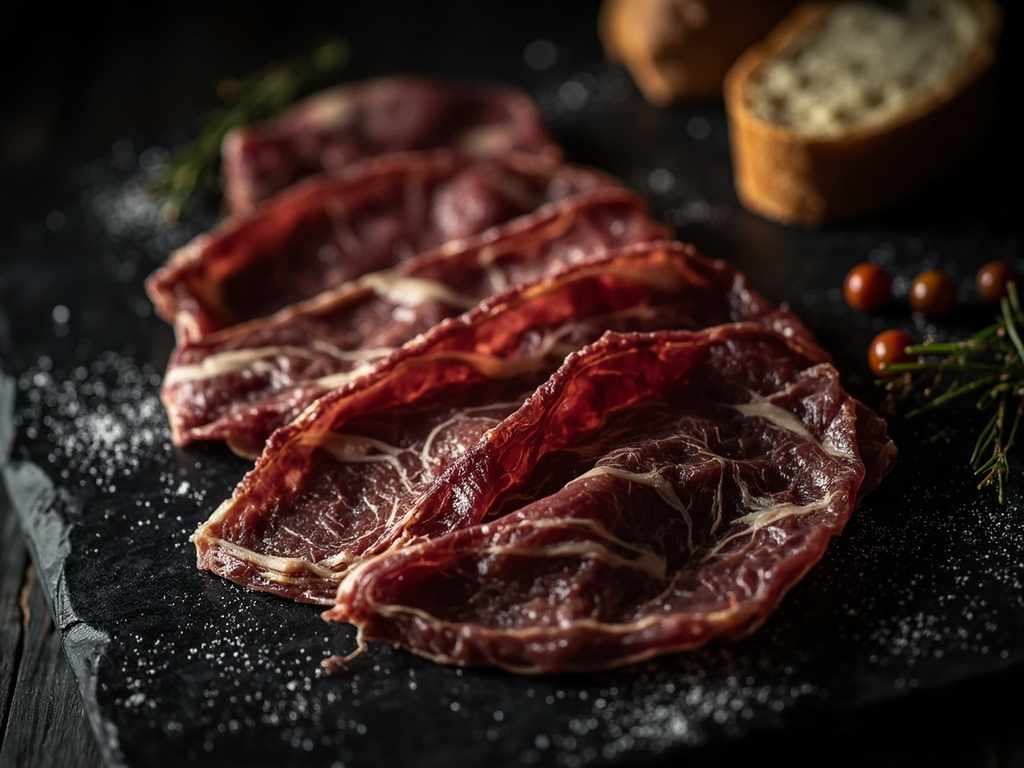
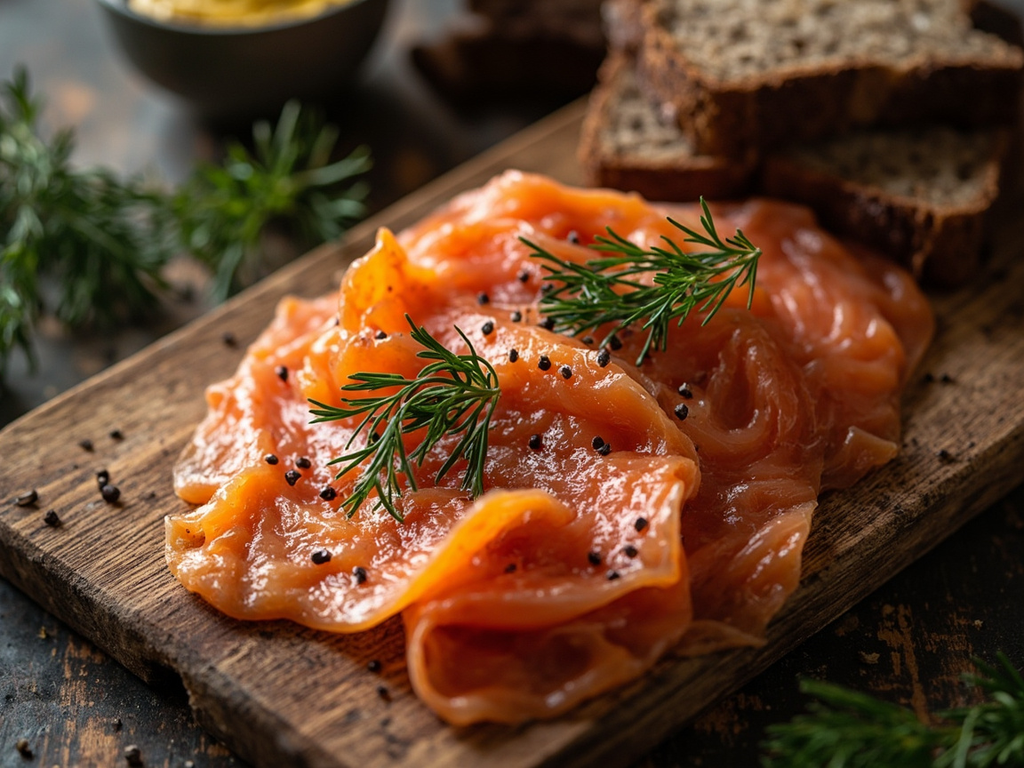
A salmon fillet rubbed with salt, sugar, and dill, pressed for two or three days in the fridge until silky and translucent. Sliced thinly, it is served with a mustard-dill sauce.
In the old days, they said the salmon was "buried" — they put it in cool earth under a stone to keep. At home we just used the cellar: salt, sugar, a mountain of dill, and a board with a weight on top. Three days of patience, and the flesh became as soft as silk. We sliced it thin, very thin, on rye bread. It's a taste that doesn't lie about where you come from.
- •Fresh salmon fillet with skin — a nice piece (fish to cure)
- •Coarse salt — generous (salting, preservation)
- •Sugar — half the salt (balances saltiness)
- •Dill — in abundance (signature flavor)
- •Cracked pepper — to taste (seasoning)
Gravad lax (Cured Salmon with Dill)
A salmon fillet rubbed with salt, sugar, and dill, pressed for two or three days in the fridge until silky and translucent. Sliced thinly, it is served with a mustard-dill sauce.
Why this dish? Gravlax — salmon "buried," once cured and fermented to last through winter — belongs to Bergman's direct Nordic heritage. Her table favored fish and dill; this cold preserved dish embodies the Swedish art of preserving the catch without cooking.
In the old days, they said the salmon was "buried" — they put it in cool earth under a stone to keep. At home we just used the cellar: salt, sugar, a mountain of dill, and a board with a weight on top. Three days of patience, and the flesh became as soft as silk. We sliced it thin, very thin, on rye bread. It's a taste that doesn't lie about where you come from.
Ingredients (period version)
- Fresh salmon fillet with skin — a nice piece (fish to cure)
- Coarse salt — generous (salting, preservation)
- Sugar — half the salt (balances saltiness)
- Dill — in abundance (signature flavor)
- Cracked pepper — to taste (seasoning)
Ingredients
- Extra-fresh salmon fillet with skin — 800 g (fish)
- Coarse salt — 60 g (salting)
- Sugar — 40 g (balance)
- Fresh dill — 2 bunches (signature flavor)
- Cracked black pepper — 1 tsp (seasoning)
- Mild mustard, vinegar, oil, dill (sauce) — for hovmästarsås (accompaniment sauce)
Method
- Mix salt, sugar, and pepper. Rub the salmon fillet (well-chilled and very fresh) all over.
- Generously cover with dill, place the fillet skin-side down in a dish.
- Cover with plastic wrap, place a board and a weight on top, refrigerate for 48–72 hours, turning once a day and basting with the brine.
- Rinse quickly, pat dry, and remove dill. Slice very thinly on the bias, discarding the skin.
- Prepare the mustard-dill sauce (hovmästarsås) and serve with rye bread.
How it was made : The name "gravlax" comes from Old Norse *grafa* (to dig): the salted fish was once buried underground, where it lightly fermented. With modern refrigeration, fermentation gave way to a simple salt-sugar-dill cure, but the word still carries the memory of this Scandinavian winter survival technique.
The contemporary twist : A spoonful of gin or an orange zest in the cure adds a very contemporary Nordic botanical note; serve as thin slices rolled into roses on blini.
Ingrid Bergman · Charactorium