 flip
flipKawakawa and mānuka honey infusion
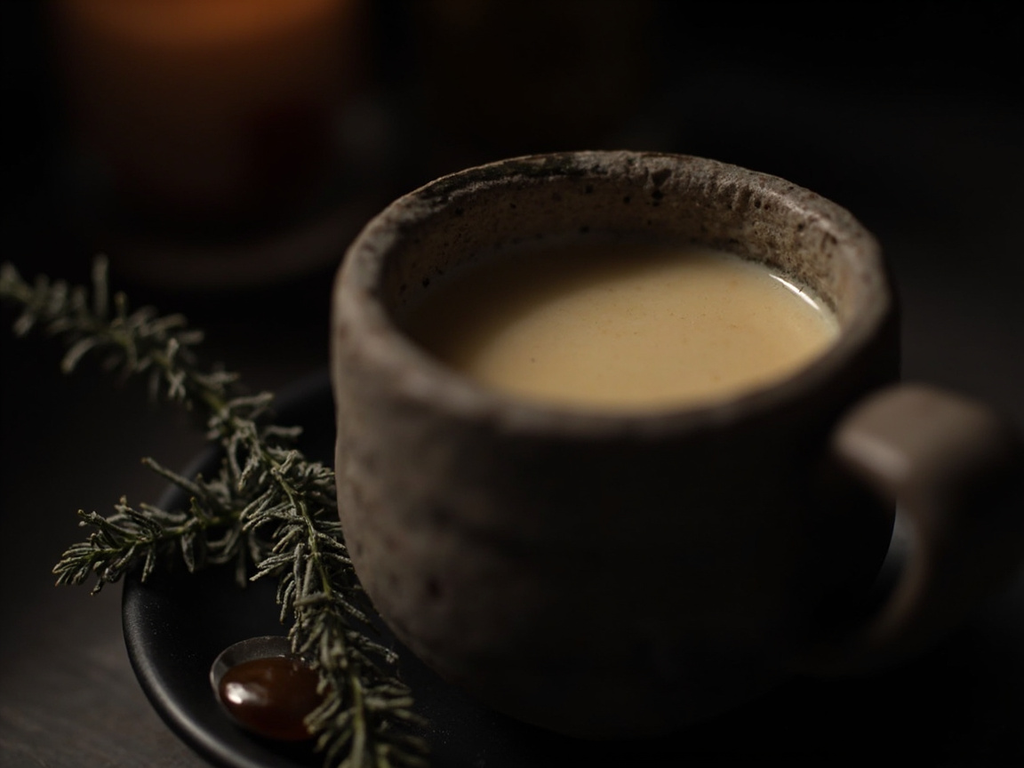
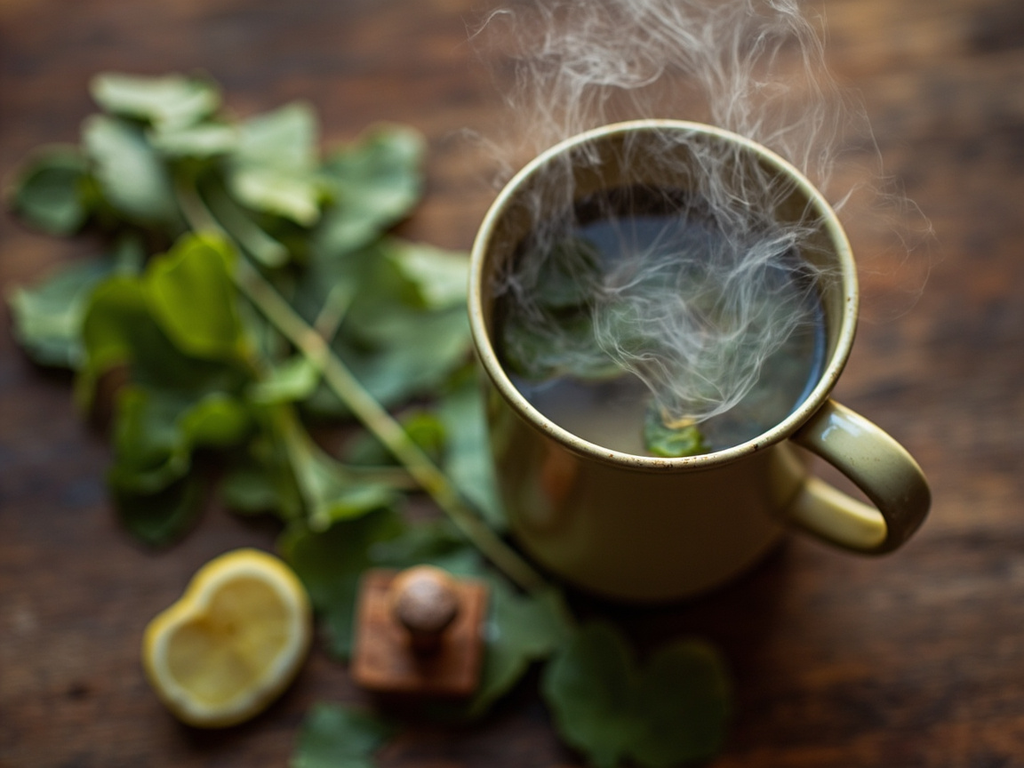
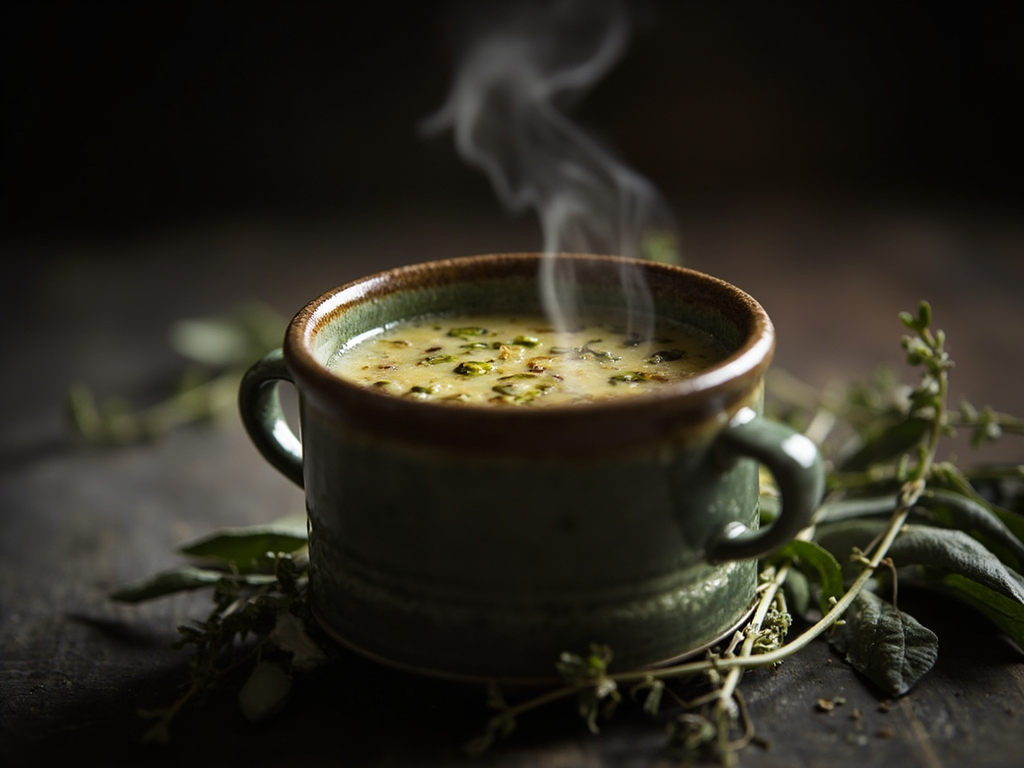
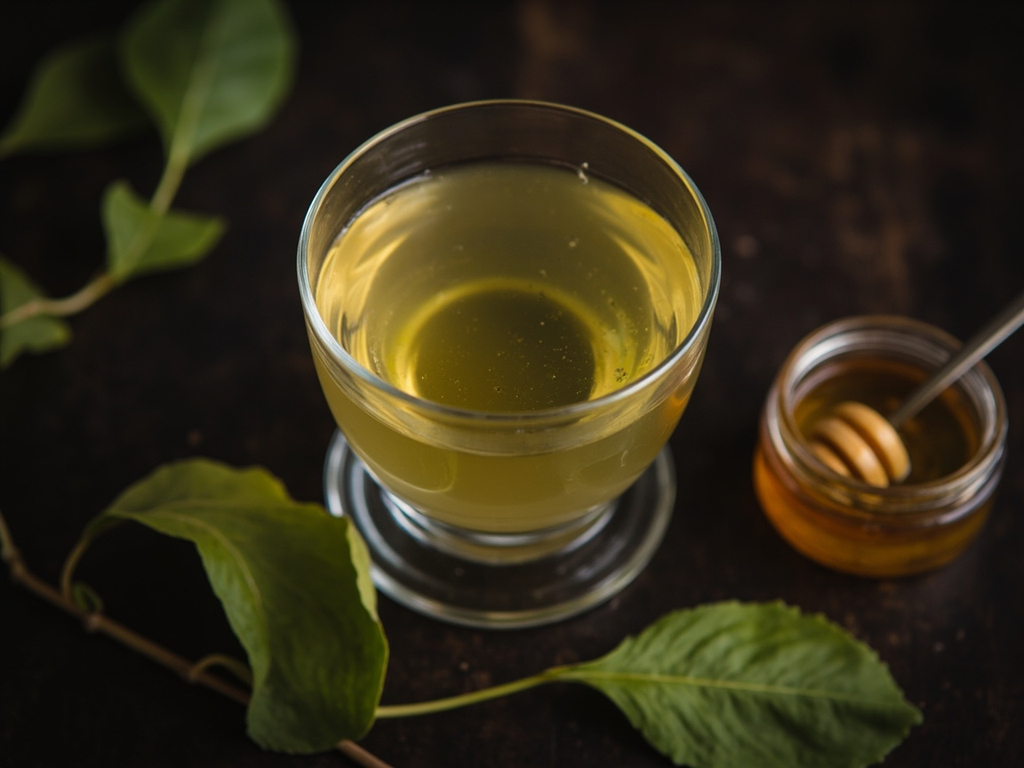
Kawakawa and mānuka honey infusion
Why this dish? Jacinda Ardern made Māori culture an integral part of her term — use of te reo, Māori name Te Aroha for her daughter, the philosophy of well-being at the heart of her political action. This bittersweet tisane, inspired (not copied) from rongoā, echoes this spirit of manaakitanga and care.
A warm infusion of kawakawa leaves, a native plant with a mild peppery, herbaceous flavour, sweetened with a spoonful of mānuka honey. Comforting and bittersweet, it is sipped to warm up or take care of oneself.
My Pākehā ancestors came from elsewhere, but this land teaches us humility: its forests have healed long before us. Kawakawa, I don't claim to be its guardian — that knowledge belongs to rongoā, to the iwi who carry it. But I can tell you the respect it deserves: you pick with care, you thank the forest, you let these slightly peppery leaves steep, and you sweeten with a dash of mānuka honey. It's bitter, it's alive, it warms body and spirit. Manaakitanga — taking care of each other, that also comes through a cup offered.
- •Kawakawa leaves (picked with respect) — a few leaves, preferably slightly insect-nibbled — a sign of quality according to tradition (peppery aromatic base)
- •Spring water — according to number of cups (infusion)
- •Mānuka honey — a spoonful (sweetener)
Kawakawa and mānuka honey infusion
A warm infusion of kawakawa leaves, a native plant with a mild peppery, herbaceous flavour, sweetened with a spoonful of mānuka honey. Comforting and bittersweet, it is sipped to warm up or take care of oneself.
Why this dish? Jacinda Ardern made Māori culture an integral part of her term — use of te reo, Māori name Te Aroha for her daughter, the philosophy of well-being at the heart of her political action. This bittersweet tisane, inspired (not copied) from rongoā, echoes this spirit of manaakitanga and care.
My Pākehā ancestors came from elsewhere, but this land teaches us humility: its forests have healed long before us. Kawakawa, I don't claim to be its guardian — that knowledge belongs to rongoā, to the iwi who carry it. But I can tell you the respect it deserves: you pick with care, you thank the forest, you let these slightly peppery leaves steep, and you sweeten with a dash of mānuka honey. It's bitter, it's alive, it warms body and spirit. Manaakitanga — taking care of each other, that also comes through a cup offered.
Ingredients (period version)
- Kawakawa leaves (picked with respect) — a few leaves, preferably slightly insect-nibbled — a sign of quality according to tradition (peppery aromatic base)
- Spring water — according to number of cups (infusion)
- Mānuka honey — a spoonful (sweetener)
Ingredients
- Fresh kawakawa leaves (or dried, from specialty stores) — 4-5 fresh leaves per cup (peppery aromatic base)
- Simmering water — 250 ml per cup (infusion)
- Mānuka honey (or robust honey) — 1 tsp (sweetener)
- Lemon slice — optional (freshness)
Method
- Gently rinse the kawakawa leaves and lightly bruise them to release the aroma.
- Place them in a teapot, pour the simmering (not boiling) water over them.
- Cover and infuse for 5 to 8 minutes depending on desired strength — longer gives more bitterness.
- Strain, pour into a cup, add mānuka honey and stir. Serve hot.
- Note: consume in moderation and only with correctly identified leaves; if in doubt, use dedicated commercial products.
How it was made : Kawakawa (Piper excelsum) holds a central place in rongoā, traditional Māori medicine, where leaves and bark are used in infusions or poultices. The knowledge surrounding these uses is passed down within iwi and remains a living heritage: this is a respectful evocation, not a reproduction of a documented therapeutic use.
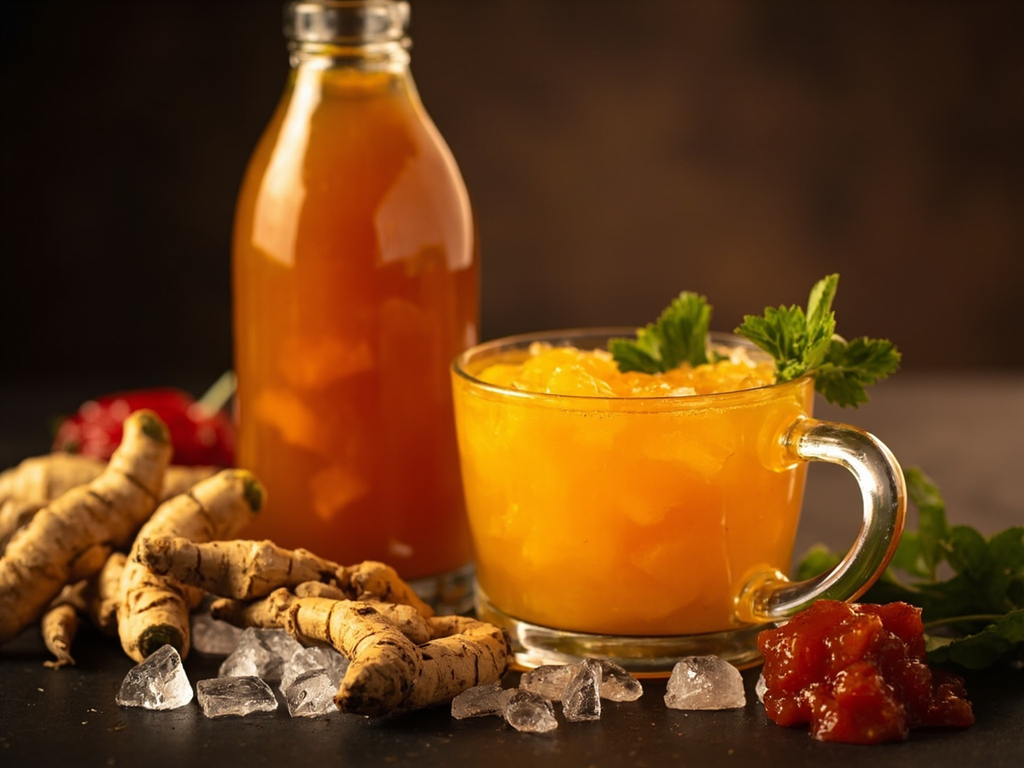
The contemporary twist : Served iced in summer with a mint leaf and a squeeze of lime, as a refreshing version.
Jacinda Ardern · Charactorium