 flip
flipElectuary of Simples with Honey
Electuary of Simples with Honey
Why this dish? A figure of healer and wise woman, Agatha blends cooking and care: her simples serve "as much to nourish as to heal." The electuary—crushed herbs bound with honey—is the very gesture of the village wise woman, halfway between candy and potion.
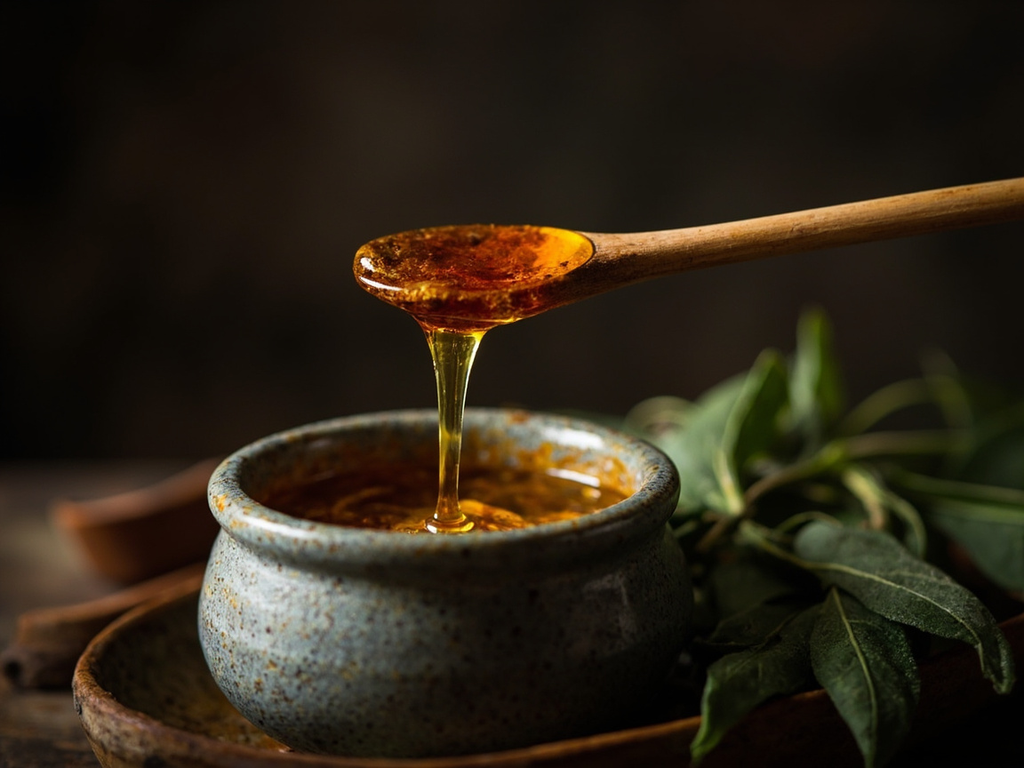
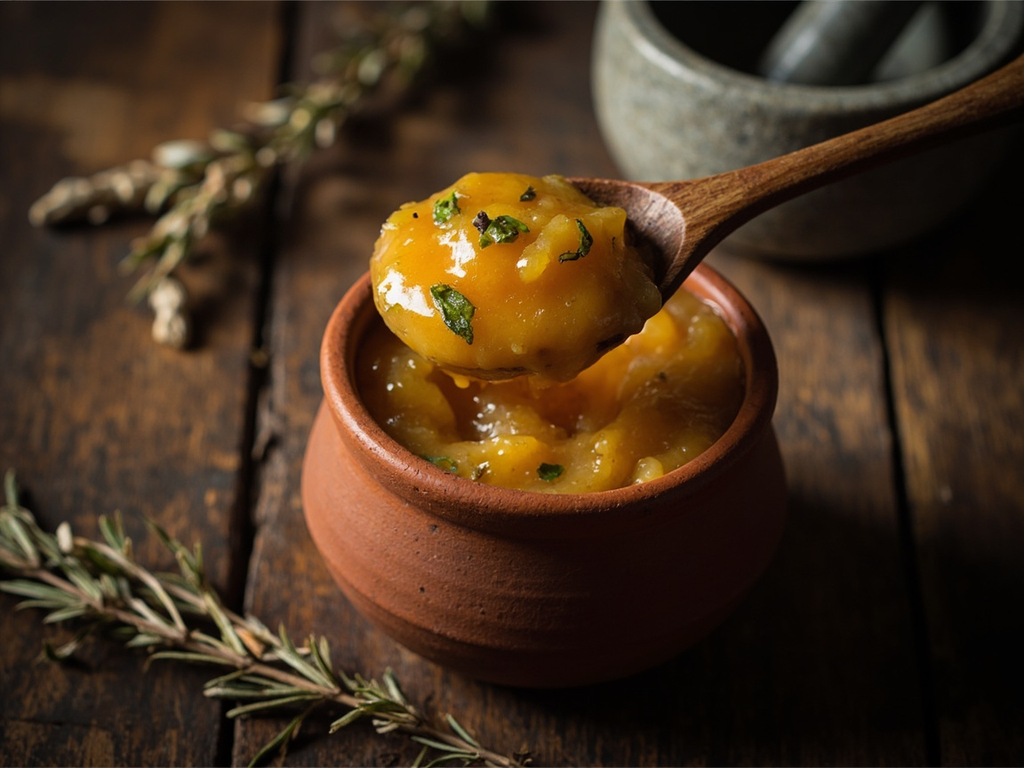
A thick paste of crushed sage, thyme, and mint, bound with warm honey and a pinch of spice, taken by the spoonful against winter sore throats. Bitter herbs, sweet honey: the remedy that tastes like a treat.
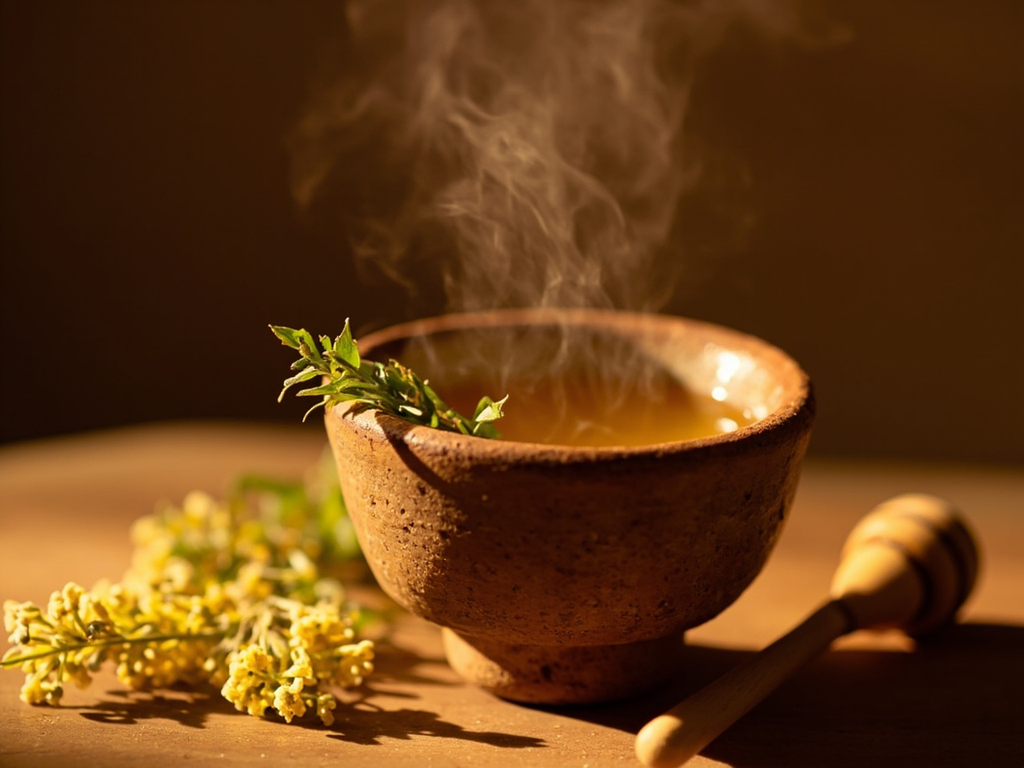
You cough? Come here. I grind in my mortar the sage—the one that saves, its name says so—the thyme and three mint leaves, until the scent rises and tickles your nose. I drown them in the warm honey from my bees, never boiling, for too hot a fire kills the virtue. A spoonful in the morning, one in the evening, and let the paste melt under your tongue. This is no witchcraft, mind—it is the forest that heals, I only gather it.
- •Heather honey — one pot (base / binder)
- •Fresh sage — a handful (master simple)
- •Thyme and mint — a few sprigs (supporting simples)
- •Ginger or long pepper (rare, from a merchant) — a pinch (warming spice)
Electuary of Simples with Honey
A thick paste of crushed sage, thyme, and mint, bound with warm honey and a pinch of spice, taken by the spoonful against winter sore throats. Bitter herbs, sweet honey: the remedy that tastes like a treat.
Why this dish? A figure of healer and wise woman, Agatha blends cooking and care: her simples serve "as much to nourish as to heal." The electuary—crushed herbs bound with honey—is the very gesture of the village wise woman, halfway between candy and potion.
You cough? Come here. I grind in my mortar the sage—the one that saves, its name says so—the thyme and three mint leaves, until the scent rises and tickles your nose. I drown them in the warm honey from my bees, never boiling, for too hot a fire kills the virtue. A spoonful in the morning, one in the evening, and let the paste melt under your tongue. This is no witchcraft, mind—it is the forest that heals, I only gather it.
Ingredients (period version)
- Heather honey — one pot (base / binder)
- Fresh sage — a handful (master simple)
- Thyme and mint — a few sprigs (supporting simples)
- Ginger or long pepper (rare, from a merchant) — a pinch (warming spice)
Ingredients
- Liquid honey (heather or chestnut) — 250 g (base / binder)
- Fresh sage — 15 leaves (master simple)
- Fresh thyme — 4 sprigs (supporting simple)
- Fresh mint — 6 leaves (freshness)
- Freshly grated ginger — 1 tsp (warming spice)
Method
- Strip the leaves from the sage, thyme, and mint, and crush them in a mortar (or chop very finely) until you get a fragrant green paste.
- Gently warm the honey over very low heat—do not exceed 40°C to preserve its virtues.
- Mix the crushed herbs and ginger into the warm honey.
- Pour into a small sterilized jar, let infuse for 48 hours in a cool place before using.
- Take one teaspoonful morning and evening, let it melt in the mouth (avoid for children under one year, due to honey).
How it was made : The electuary—medicinal herbs bound with honey or syrup—was a classic galenic form in the Middle Ages, described in monastic antidotaries. Sage (Salvia, "the one that saves") was the queen of the physic garden, and honey served as a natural preservative and throat soother.
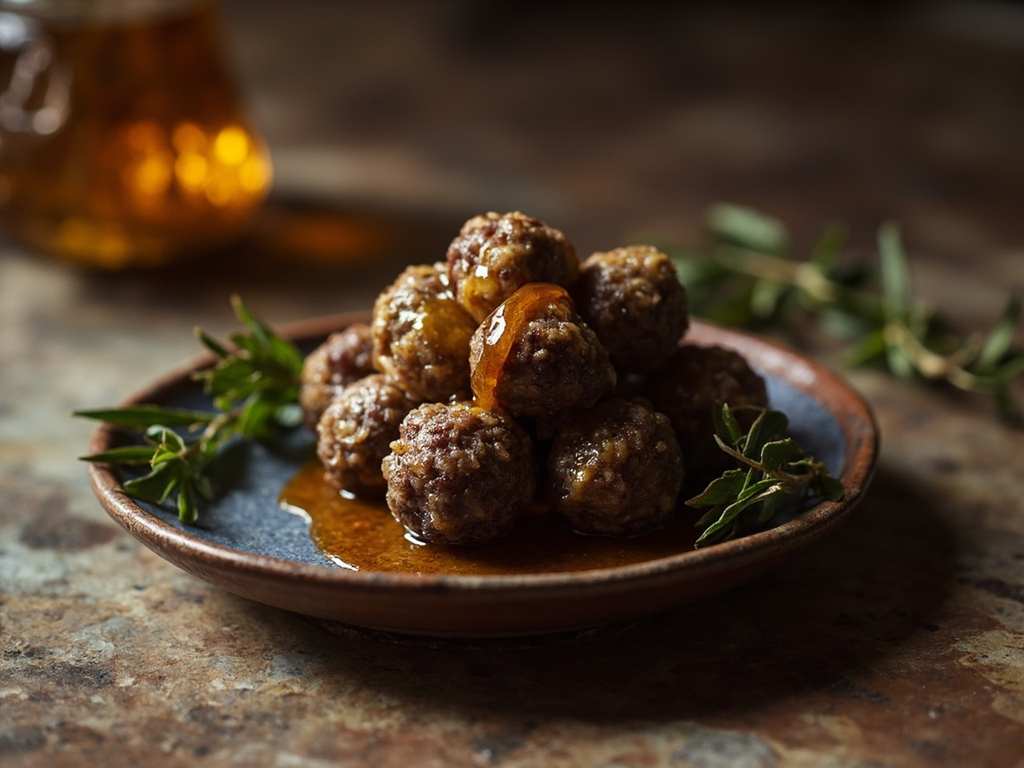
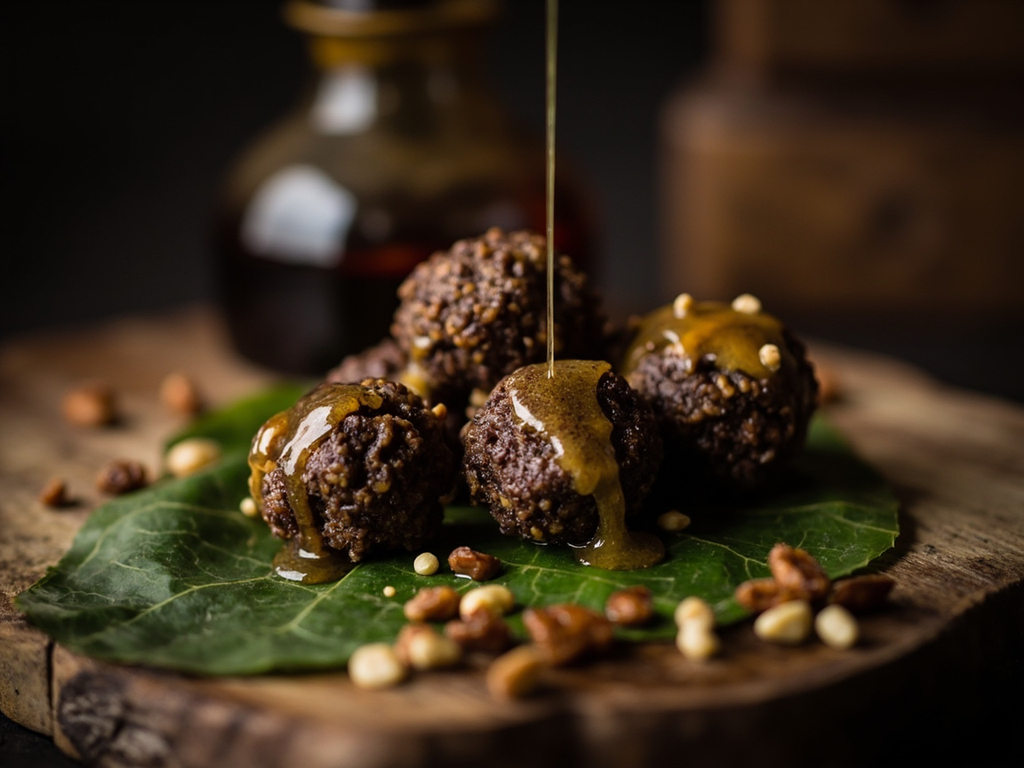
The contemporary twist : Poured into small drops on parchment paper and left to harden: "witch's candies" to offer in a cloth sachet in winter.
Sources : Antidotarium Nicolai (12th c.) · Jardin des simples des capitulaires carolingiens, Capitulare de villis
Agatha Southeil · Charactorium