 flip
flipCafé Zimmermann Coffee
Café Zimmermann Coffee
Why this dish? On Wednesdays, Bach directed his Collegium Musicum at Café Zimmermann in Leipzig, a coffeehouse where his music was played. He drew from it the Coffee Cantata (BWV 211), a satire of the Leipzigers' passion for this black brew.
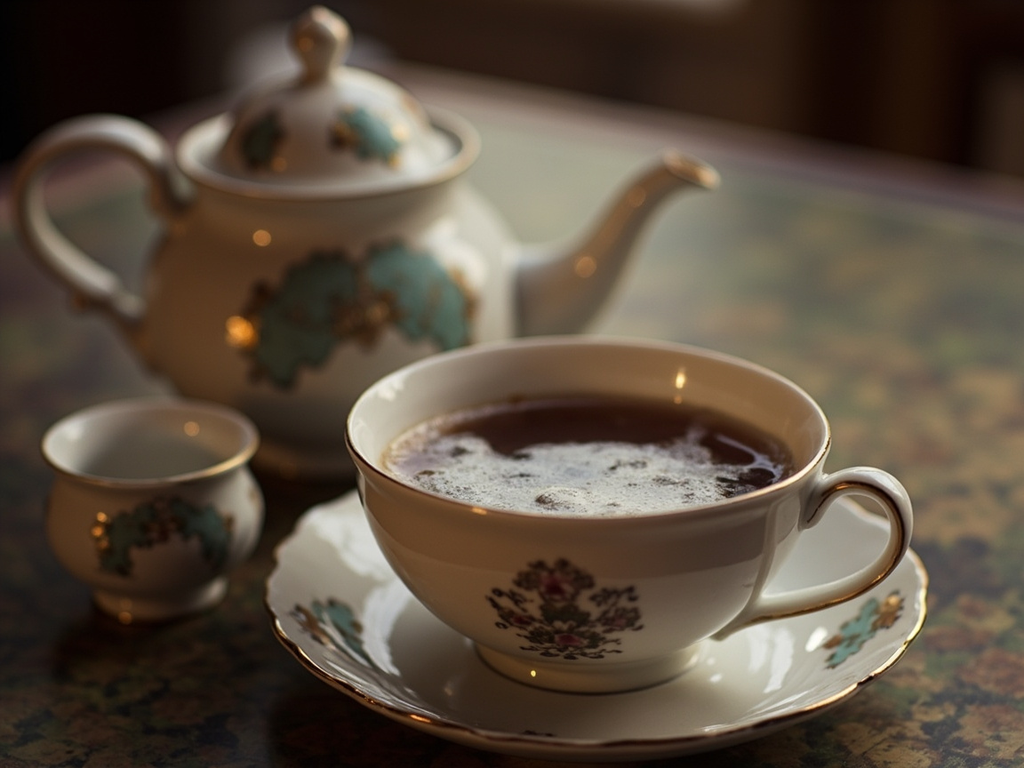
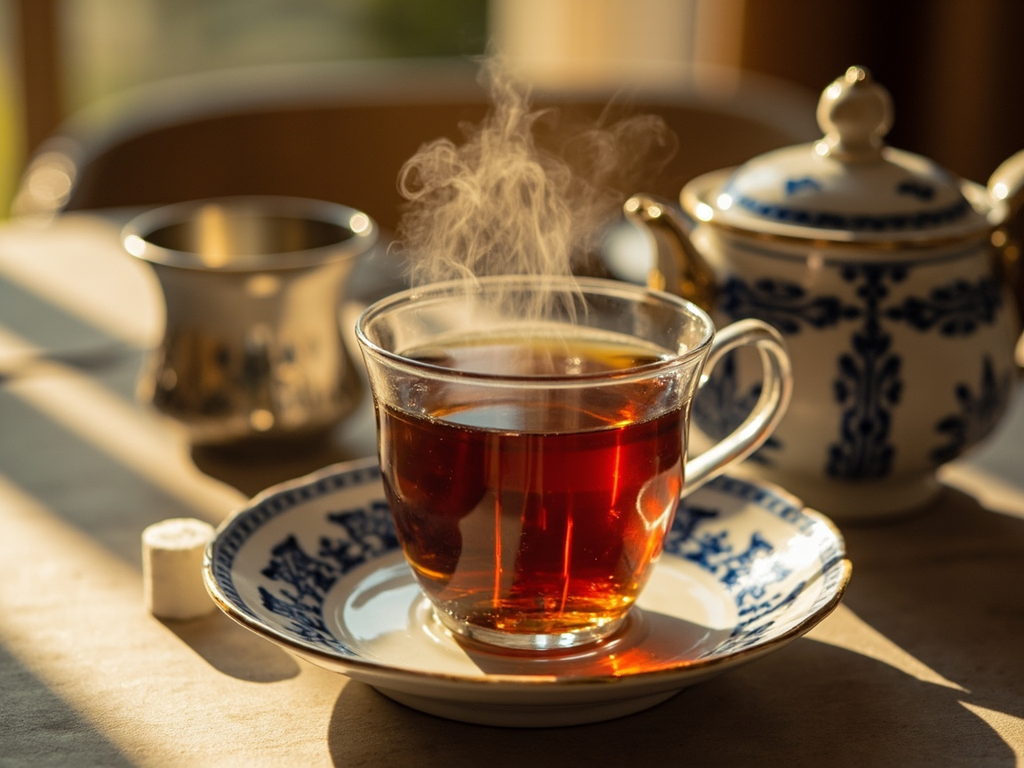
A black coffee, freshly roasted and ground, brewed with simmering water and served hot, sometimes sweetened with sugar. The fashionable drink that drew all of Leipzig — and that Bach set to music.
Ah, let us speak of this brew that our whole good town idolizes! At Zimmermann's, come Wednesday, I led my musicians while the youth sipped their coffee and the fathers thundered against this craze — I even made a playful cantata of it, for 'if three times a day I cannot my cup empty, I dry up like a roasted kid.' One roasts the bean until it browns, grinds it fine, and boiling water draws from it this bitter black ink like my scores. Drink it hot, friend, and may your spirit come.
- •Green coffee beans — a handful (to be roasted yourself)
- •Spring water — according to number of cups (infusion)
- •Sugar — to taste (sweeten (optional))
Café Zimmermann Coffee
A black coffee, freshly roasted and ground, brewed with simmering water and served hot, sometimes sweetened with sugar. The fashionable drink that drew all of Leipzig — and that Bach set to music.
Why this dish? On Wednesdays, Bach directed his Collegium Musicum at Café Zimmermann in Leipzig, a coffeehouse where his music was played. He drew from it the Coffee Cantata (BWV 211), a satire of the Leipzigers' passion for this black brew.
Ah, let us speak of this brew that our whole good town idolizes! At Zimmermann's, come Wednesday, I led my musicians while the youth sipped their coffee and the fathers thundered against this craze — I even made a playful cantata of it, for 'if three times a day I cannot my cup empty, I dry up like a roasted kid.' One roasts the bean until it browns, grinds it fine, and boiling water draws from it this bitter black ink like my scores. Drink it hot, friend, and may your spirit come.
Ingredients (period version)
- Green coffee beans — a handful (to be roasted yourself)
- Spring water — according to number of cups (infusion)
- Sugar — to taste (sweeten (optional))
Ingredients
- Single-origin coffee beans, dark roast — 60 g (infusion)
- Simmering water (≈ 93 °C) — 1 liter (extraction)
- Cane sugar (optional) — to taste (sweeten)
Method
- Grind the coffee coarsely, just before brewing.
- Bring water almost to a boil, then let it cool for a few seconds.
- Pour water over the coffee (plunger pot or simple filtered infusion) and let steep for 4 minutes.
- Filter and serve very hot, in small cups.
- Sweeten with a little sugar to taste, as was done in Leipzig coffeehouses.
How it was made : Coffee arrived in Germany in the 17th century; Kaffeehäuser became centers of music and conversation. In Bach's time, beans were often roasted at home, in a pan or drum, and ground with a hand mill. Milk was not systematic: coffee was willingly drunk black and sweetened.
The contemporary twist : Serve it 'BWV 211 style': a small cup accompanied by a sugar lump, placed on a printed musical staff slipped under the saucer.
Sources : Johann Sebastian Bach, Coffee Cantata 'Schweigt stille, plaudert nicht' (BWV 211, ca. 1734)
Johann Sebastian Bach · Charactorium