 flip
flipZwieback — Twice-Baked Travel Rusk
Zwieback — Twice-Baked Travel Rusk
Why this dish? All his life, Leibniz was an indefatigable traveler — Paris, Hanover, Berlin, The Hague, by coach and across Europe's roads. Zwieback, bread baked twice so it does not mold, was the ideal provision for those long journeys where one nibbles while meditating.
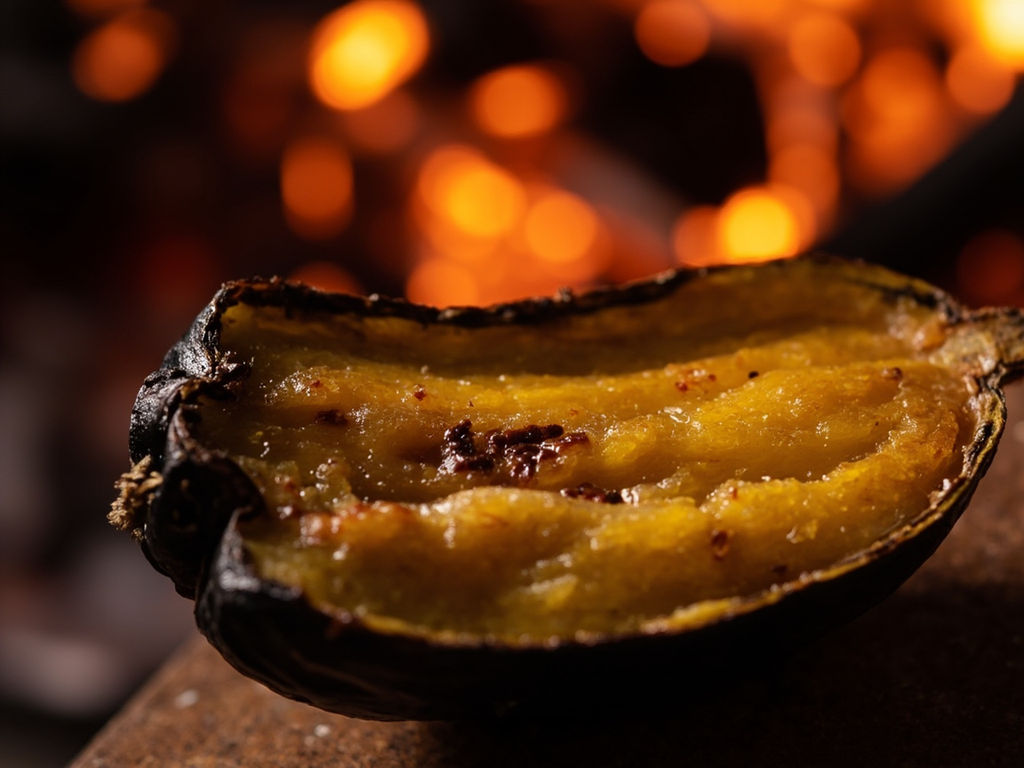
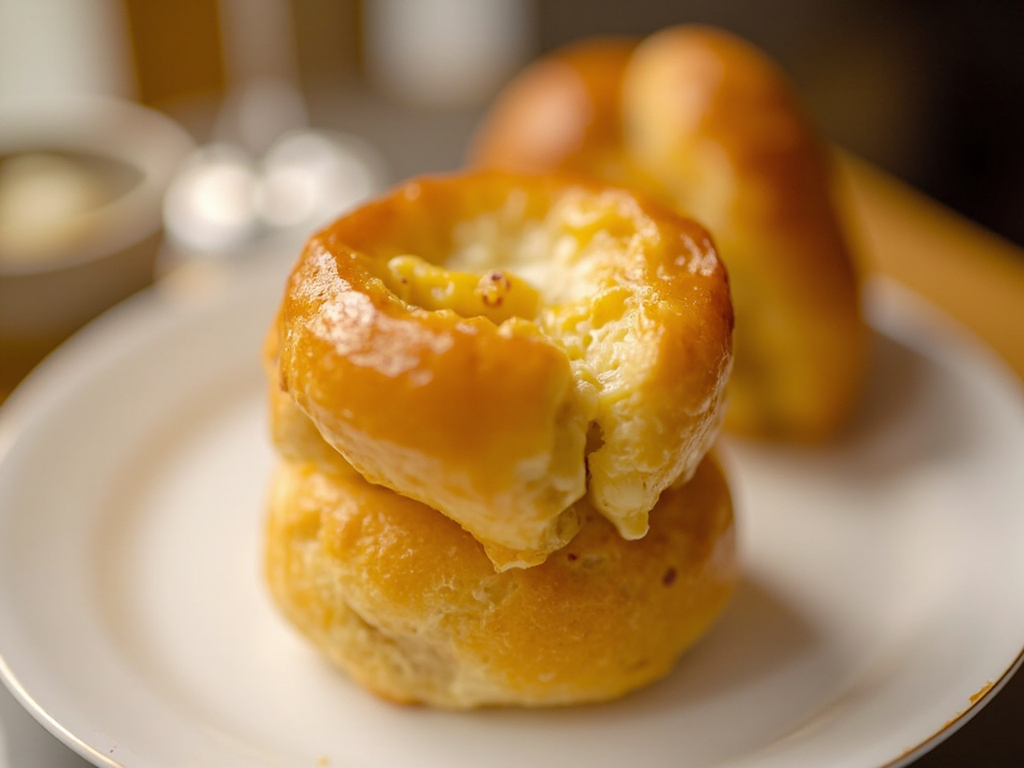
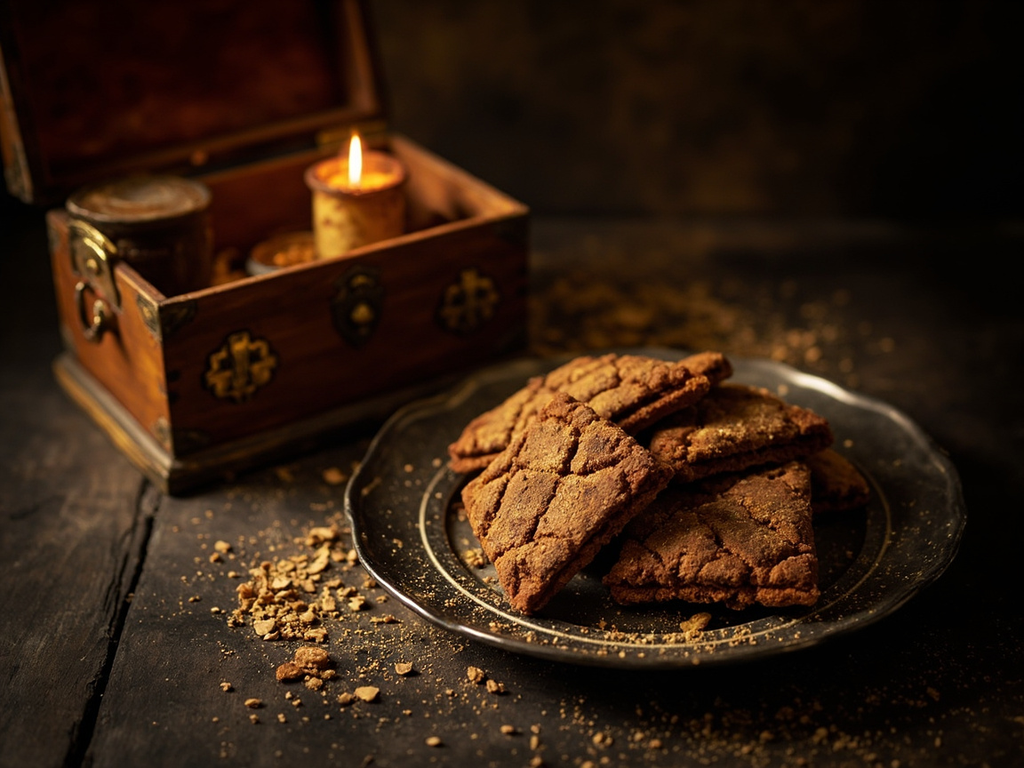
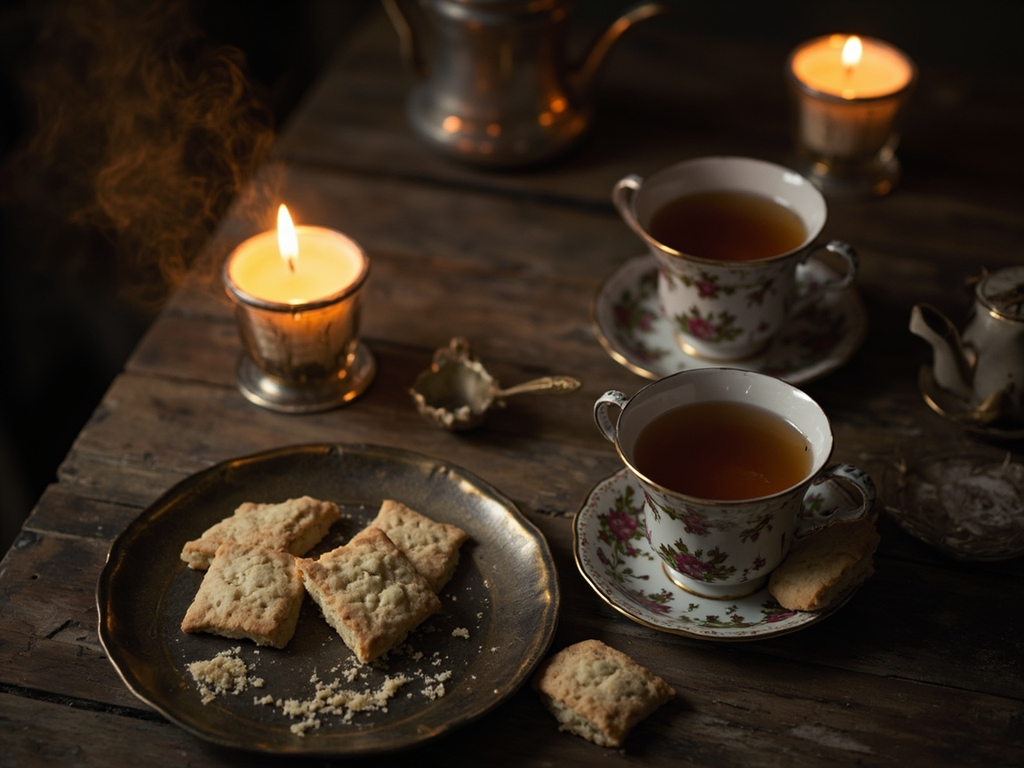
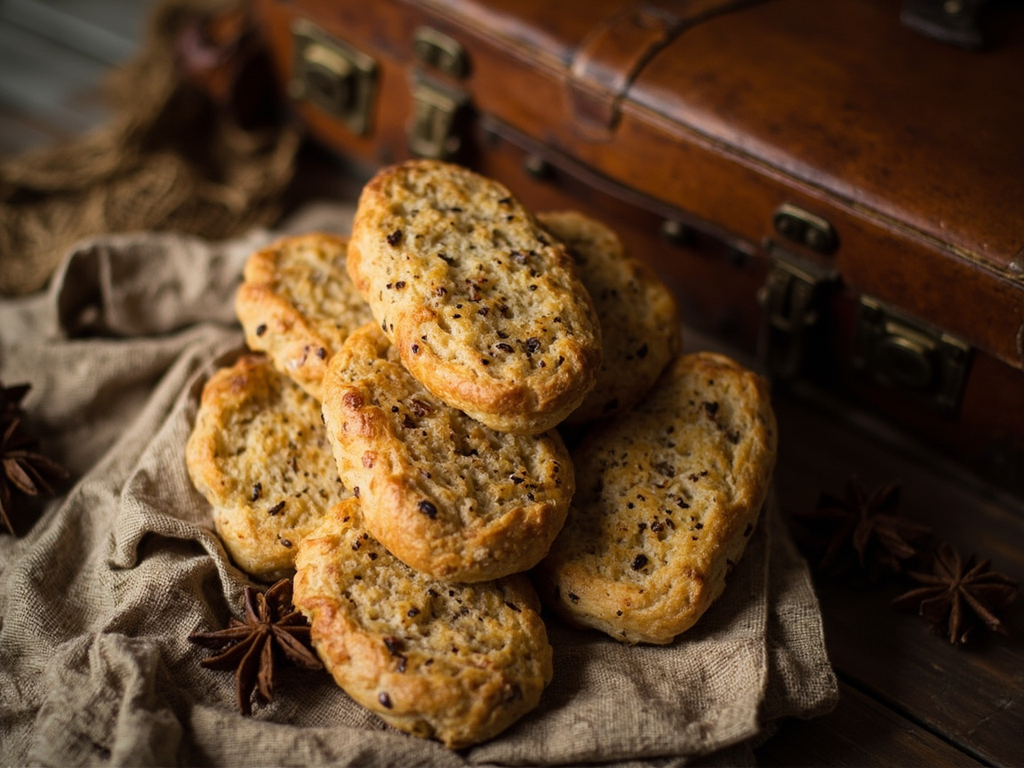
Slices of lightly sweetened and aniseed milk bread, first baked as a loaf then re-baked until dry and crunchy: they keep for weeks and are dipped in milk or coffee.
I spend my life on the road, from one court to another, and the coach is hardly conducive to good meals. So I always carry this twice-baked bread, Zwieback, which does not spoil and lasts weeks in the satchel. We bake it as a loaf, slice it, then pass it back in the oven until it rings dry under the finger; dipped in a little warm milk, it makes the journey less harsh for a man who thinks more than he eats.
- •Wheat flour — to a soft dough (bread base)
- •Sourdough or yeast — a little (fermentation)
- •Milk — for the dough (tenderness)
- •Anise or caraway — a pinch (flavor)
- •A little honey or sugar — light (sweetness)
- •Salt — a pinch (seasoning)
Zwieback — Twice-Baked Travel Rusk
Slices of lightly sweetened and aniseed milk bread, first baked as a loaf then re-baked until dry and crunchy: they keep for weeks and are dipped in milk or coffee.
Why this dish? All his life, Leibniz was an indefatigable traveler — Paris, Hanover, Berlin, The Hague, by coach and across Europe's roads. Zwieback, bread baked twice so it does not mold, was the ideal provision for those long journeys where one nibbles while meditating.
I spend my life on the road, from one court to another, and the coach is hardly conducive to good meals. So I always carry this twice-baked bread, Zwieback, which does not spoil and lasts weeks in the satchel. We bake it as a loaf, slice it, then pass it back in the oven until it rings dry under the finger; dipped in a little warm milk, it makes the journey less harsh for a man who thinks more than he eats.
Ingredients (period version)
- Wheat flour — to a soft dough (bread base)
- Sourdough or yeast — a little (fermentation)
- Milk — for the dough (tenderness)
- Anise or caraway — a pinch (flavor)
- A little honey or sugar — light (sweetness)
- Salt — a pinch (seasoning)
Ingredients
- All-purpose wheat flour (T65) — 400 g (bread base)
- Active dry yeast — 1 packet (7 g dry) (fermentation)
- Warm milk — 200 ml (tenderness)
- Melted butter — 40 g (softness)
- Sugar — 40 g (sweetness and preservation)
- Egg — 1 (binder)
- Anise seeds — 1 tsp (flavor)
- Salt — 1 tsp (seasoning)
Method
- Mix flour, sugar, salt, and anise; add yeast dissolved in warm milk, melted butter, and egg.
- Knead into a soft dough and let rise for about 1 hour, until doubled.
- Shape into a log or small loaf; let rise for another 30 minutes.
- Bake at 180 °C for 20–25 minutes, then let cool completely.
- Slice the loaf into 1.5 cm slices.
- Return the slices to the oven at 130 °C for 20–30 minutes, turning once, until dry and golden; store in an airtight container.
How it was made : Zwieback (literally 'twice baked') continues the old European tradition of biscuit bread (biscuit, from bis coctus) carried by travelers, soldiers, and sailors. The double baking removes moisture and allows preservation for several weeks, making it an ordinary travel provision in Germany.
The contemporary twist : Today it is the breakfast rusk and the first solid for toddlers: the traveling philosopher's provision has ended up on the family kitchen table.
Leibniz · Charactorium