 flip
flipVin Jaune d'Arbois, Served Under Its Veil
Vin Jaune d'Arbois, Served Under Its Veil
Why this dish? Pasteur owned vineyards in Arbois and it was by observing wine diseases that he laid the foundations of microbiology. Vin jaune, aged six years and three months under a 'veil' of yeasts, is the liquid embodiment of his work: this veil is precisely the 'infinitesimally small' beings he rehabilitated against the theory of spontaneous generation.
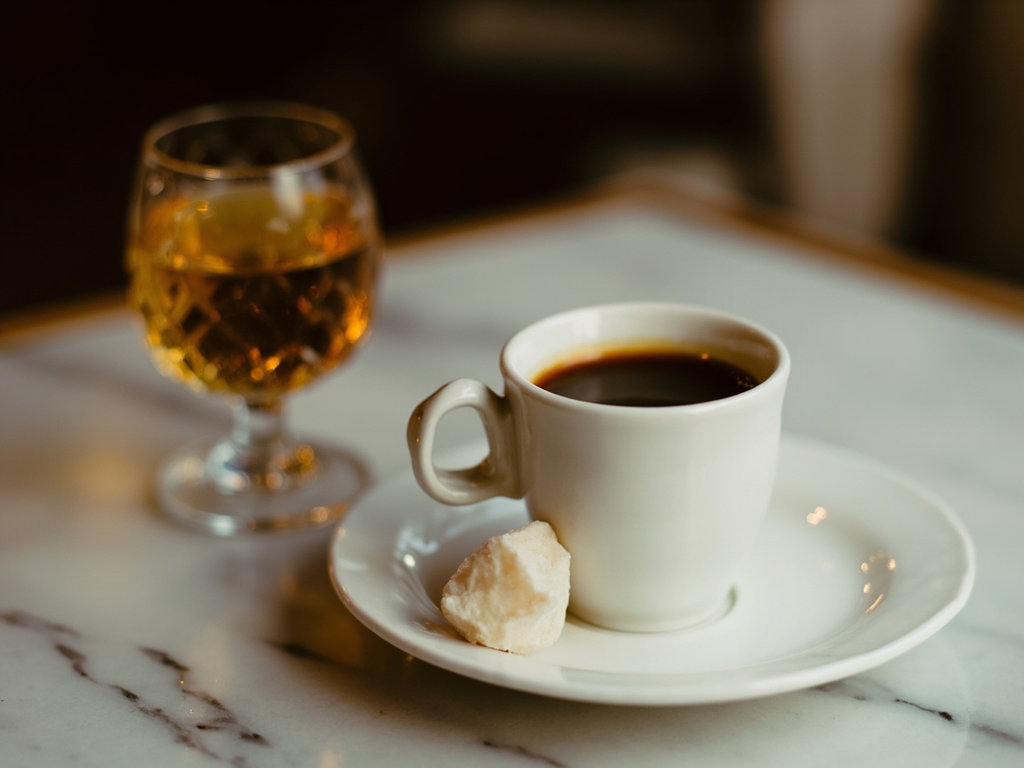
A golden Savagnin wine, aged in barrel without topping up, under a yeast veil that gives it a unique taste of nuts, curry, and dried fruits. It is not 'made' in a day: one learns to serve and taste it. Frankly oxidative, dry, slightly bitter.
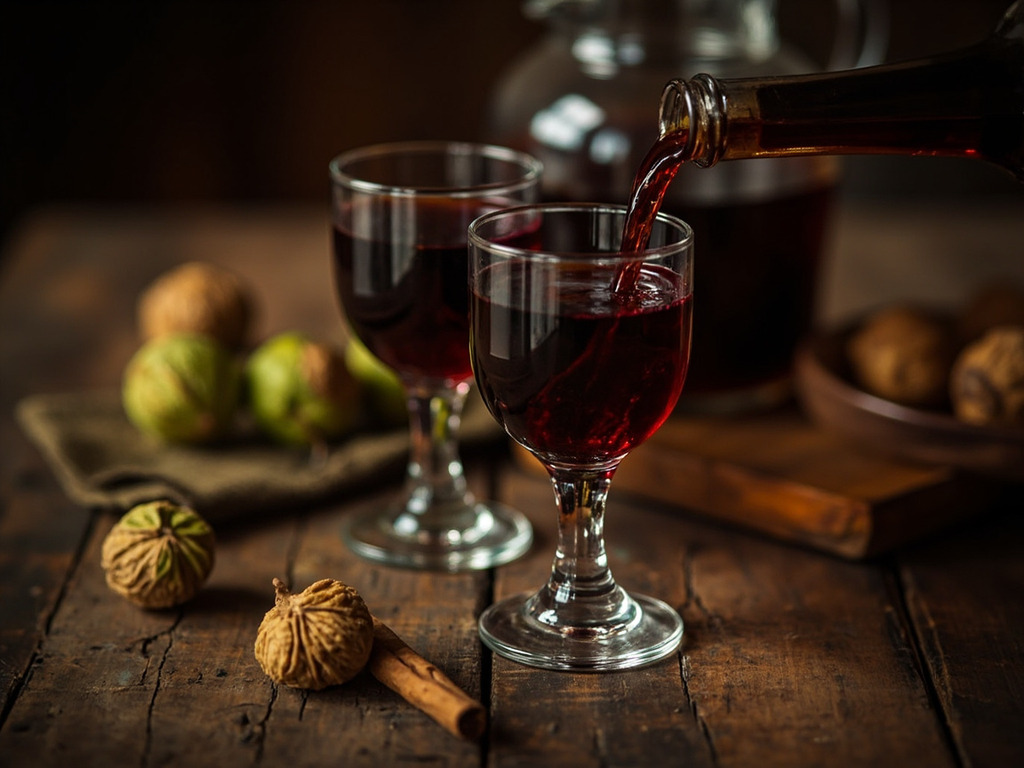
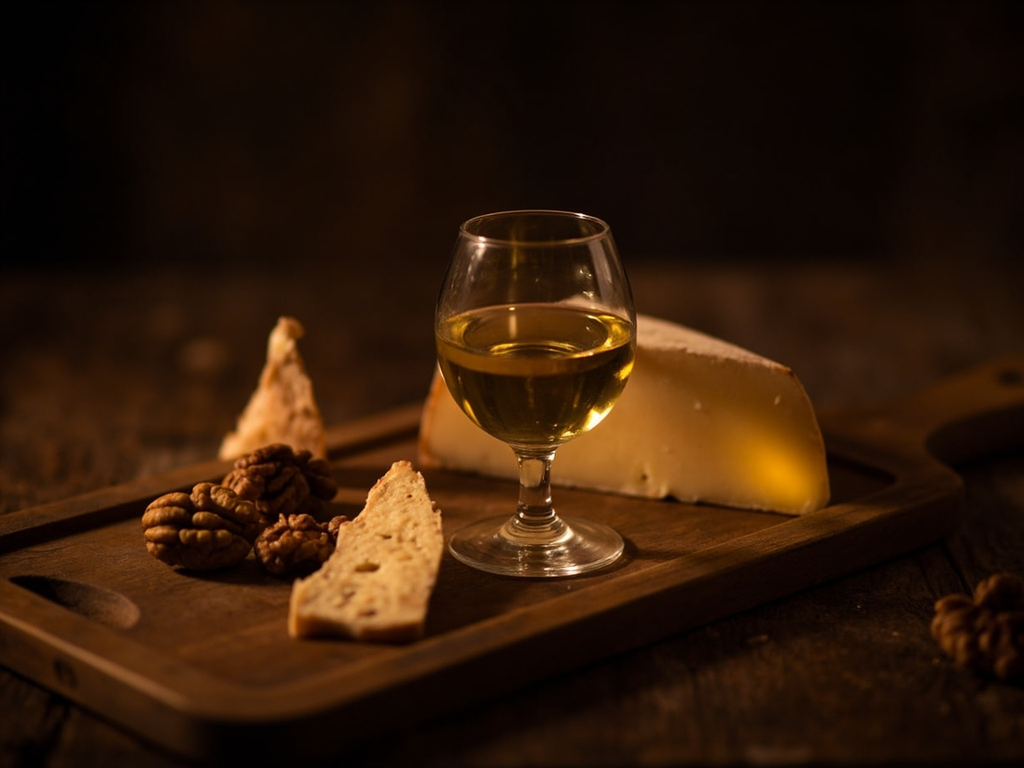
Come closer, and look well at this glass. This wine is no ordinary thing: it has slept more than six years in its cask, never filled up, under a fine living film that the vintners call the veil. For a long time, it was believed that this veil arose from nothing, by spontaneous generation; my work showed that it consists of true ferments, living organisms that transform the wine and give it this incomparable nutty taste. Serve it at cellar temperature, in a small glass, and accompany it with a shard of Comté. Taste, and think that you are drinking a whole lesson of nature.
- •Jura Savagnin wine — a cask aged under veil (signature wine)
- •Aged Comté cheese — a few shards (traditional pairing)
- •Walnut halves — a handful (aromatic pairing)
Vin Jaune d'Arbois, Served Under Its Veil
A golden Savagnin wine, aged in barrel without topping up, under a yeast veil that gives it a unique taste of nuts, curry, and dried fruits. It is not 'made' in a day: one learns to serve and taste it. Frankly oxidative, dry, slightly bitter.
Why this dish? Pasteur owned vineyards in Arbois and it was by observing wine diseases that he laid the foundations of microbiology. Vin jaune, aged six years and three months under a 'veil' of yeasts, is the liquid embodiment of his work: this veil is precisely the 'infinitesimally small' beings he rehabilitated against the theory of spontaneous generation.
Come closer, and look well at this glass. This wine is no ordinary thing: it has slept more than six years in its cask, never filled up, under a fine living film that the vintners call the veil. For a long time, it was believed that this veil arose from nothing, by spontaneous generation; my work showed that it consists of true ferments, living organisms that transform the wine and give it this incomparable nutty taste. Serve it at cellar temperature, in a small glass, and accompany it with a shard of Comté. Taste, and think that you are drinking a whole lesson of nature.
Ingredients (period version)
- Jura Savagnin wine — a cask aged under veil (signature wine)
- Aged Comté cheese — a few shards (traditional pairing)
- Walnut halves — a handful (aromatic pairing)
Ingredients
- Jura vin jaune (AOC Arbois, Château-Chalon, etc.) — 1 bottle of 62 cl (clavelin) (wine to serve)
- Comté 18-24 months — 150 g (pairing)
- Walnut halves — a handful (pairing)
Method
- Take the bottle out in advance: vin jaune is served at room temperature around 15 °C, never chilled.
- Open it one to two hours before tasting, or even decant it, to let it breathe.
- Pour a small amount into a tulip glass wide enough to release the aromas.
- Cut the Comté into shards and place a few walnut halves alongside.
- Sip in small amounts, seeking notes of nuts, mild spices, and dried fruits.
How it was made : Vin jaune is made by long aging in a barrel that is not topped up (without ouillage): a yeast veil forms on the surface, protecting the wine while transforming it. This process, known empirically by Jura vintners long before Pasteur, found its scientific explanation in his research on fermentations and the microorganisms of wine.
The contemporary twist : Presented as an educational tasting: a small glass of vin jaune next to a photo of the 'veil' under a microscope, linking the glass to Pasteur's science (for adults only).
Sources : Louis Pasteur, *Studies on Wine*, 1866 · Louis Pasteur, *Studies on Beer*, 1876
Louis Pasteur · Charactorium