 flip
flipGarden Soup from Petite Plaisance
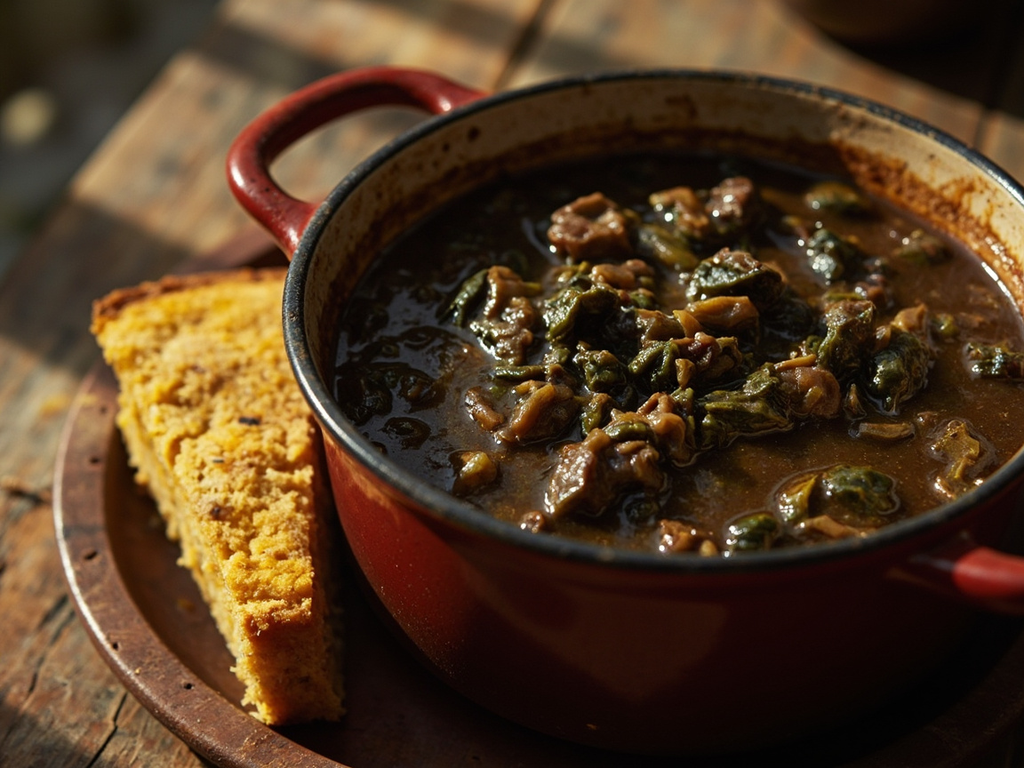
Garden Soup from Petite Plaisance
Why this dish? At Petite Plaisance, Yourcenar drew the essentials of her meals from the Maine vegetable garden and led, out of ecological and ethical conviction, a vegetarian and frugal life. This vegetable soup from the garden sums up her everyday table: simple, seasonal, without ostentation.
A thick soup of root vegetables and garden greens, long-simmered, flavored with herbs and bound with a little oil. The base dish of a deliberately sober cuisine.
I ask very little of my table, you see: a clear soup, drawn from the vegetables that the Maine earth is willing to give me. I let them cook over a low flame, without haste, as one lets a sentence ripen. I have given up the flesh of animals, and I am all the better for it; there is in a bowl of honest soup a form of peace that feasts have never been able to give me. Drink it slowly, and listen to the silence of the garden.
- •Garden root vegetables (carrots, turnips, parsnips, leeks) — a full garden basket (soup base)
- •Potatoes — a few tubers (thickening and body)
- •Seasonal greens (celery, chard leaves) — a handful (vegetable freshness)
- •Garden herbs (thyme, parsley, bay leaf) — a small bouquet (flavor)
- •Oil and salt — to taste (seasoning)
Garden Soup from Petite Plaisance
A thick soup of root vegetables and garden greens, long-simmered, flavored with herbs and bound with a little oil. The base dish of a deliberately sober cuisine.
Why this dish? At Petite Plaisance, Yourcenar drew the essentials of her meals from the Maine vegetable garden and led, out of ecological and ethical conviction, a vegetarian and frugal life. This vegetable soup from the garden sums up her everyday table: simple, seasonal, without ostentation.
I ask very little of my table, you see: a clear soup, drawn from the vegetables that the Maine earth is willing to give me. I let them cook over a low flame, without haste, as one lets a sentence ripen. I have given up the flesh of animals, and I am all the better for it; there is in a bowl of honest soup a form of peace that feasts have never been able to give me. Drink it slowly, and listen to the silence of the garden.
Ingredients (period version)
- Garden root vegetables (carrots, turnips, parsnips, leeks) — a full garden basket (soup base)
- Potatoes — a few tubers (thickening and body)
- Seasonal greens (celery, chard leaves) — a handful (vegetable freshness)
- Garden herbs (thyme, parsley, bay leaf) — a small bouquet (flavor)
- Oil and salt — to taste (seasoning)
Ingredients
- Carrots — 3 (base)
- Leeks — 2 (sweet base)
- Turnip and parsnip — 1 each (depth of flavor)
- Potatoes — 3 medium (thickening)
- Celery stalks — 2 (vegetable umami)
- Bouquet garni (thyme, bay, parsley) — 1 (flavor)
- Olive oil — 2 tbsp (smoothness)
- Salt, pepper — to taste (seasoning)
- Water or vegetable broth — 1.5 L (liquid)
Method
- Wash and cut all vegetables into regular pieces.
- Sweat leeks and celery in olive oil for 5 minutes without browning.
- Add root vegetables and potatoes, cover with water or broth, add the bouquet garni.
- Simmer over low heat for 35 to 40 minutes, until everything is tender.
- Remove the bouquet garni, partially blend to keep some texture, adjust salt.
- Serve very hot with a drizzle of olive oil and country bread.
How it was made : In the Maine house, without great culinary luxury, cooking was done as close to the garden and seasons as possible. Long-simmered soup was the most economical and nourishing way to prepare a vegetable harvest, and perfectly suited the meatless diet she gradually adopted.
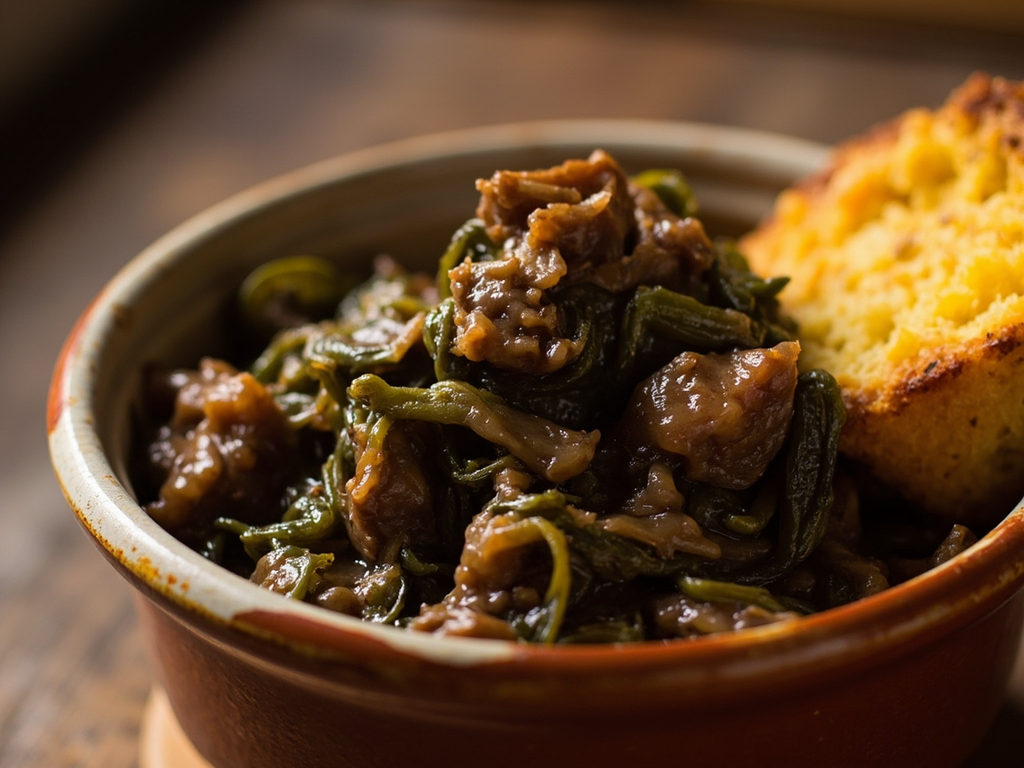
The contemporary twist : Serve in a raw stoneware bowl, topped with a few fresh herb leaves and a drop of olive oil — to recall the luminous sobriety of the Maine villa.
Marguerite Yourcenar · Charactorium