 flip
flipBerliner Weisse, the Tart Beer of Berlin
Berliner Weisse, the Tart Beer of Berlin
Why this dish? Planck's profile mentions beer at convivial meals. In Berlin, his adopted city and career home, the emblematic drink was Berliner Weisse, pale, light and tart, nicknamed 'the Champagne of the North' by Napoleon's troops.
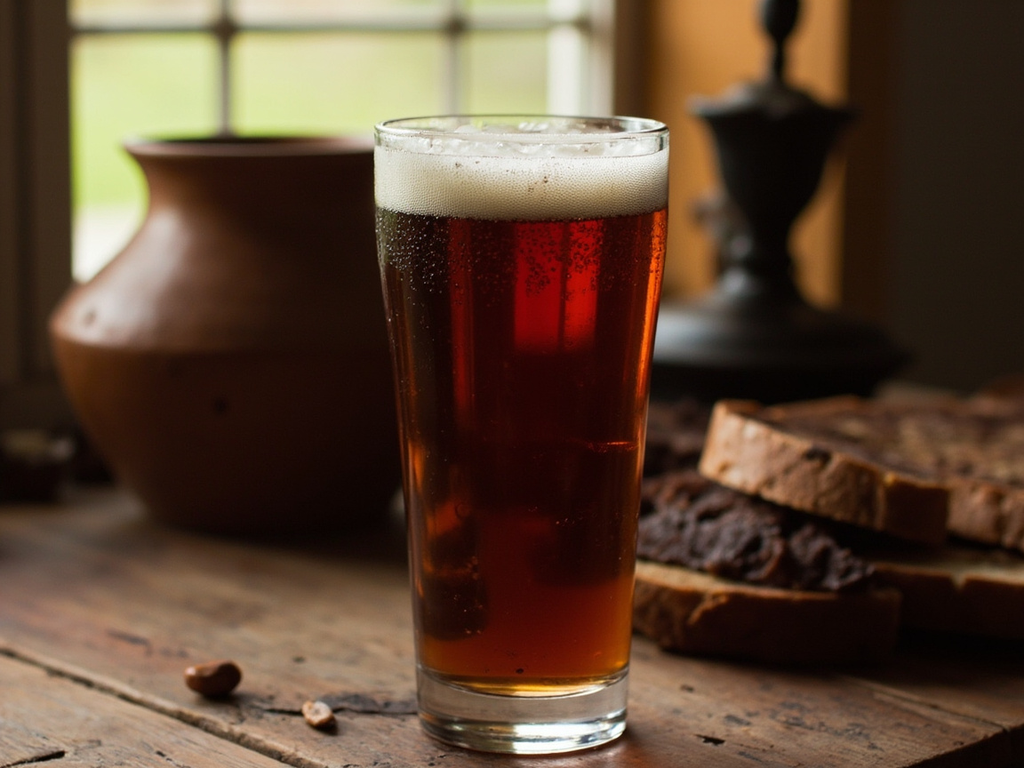
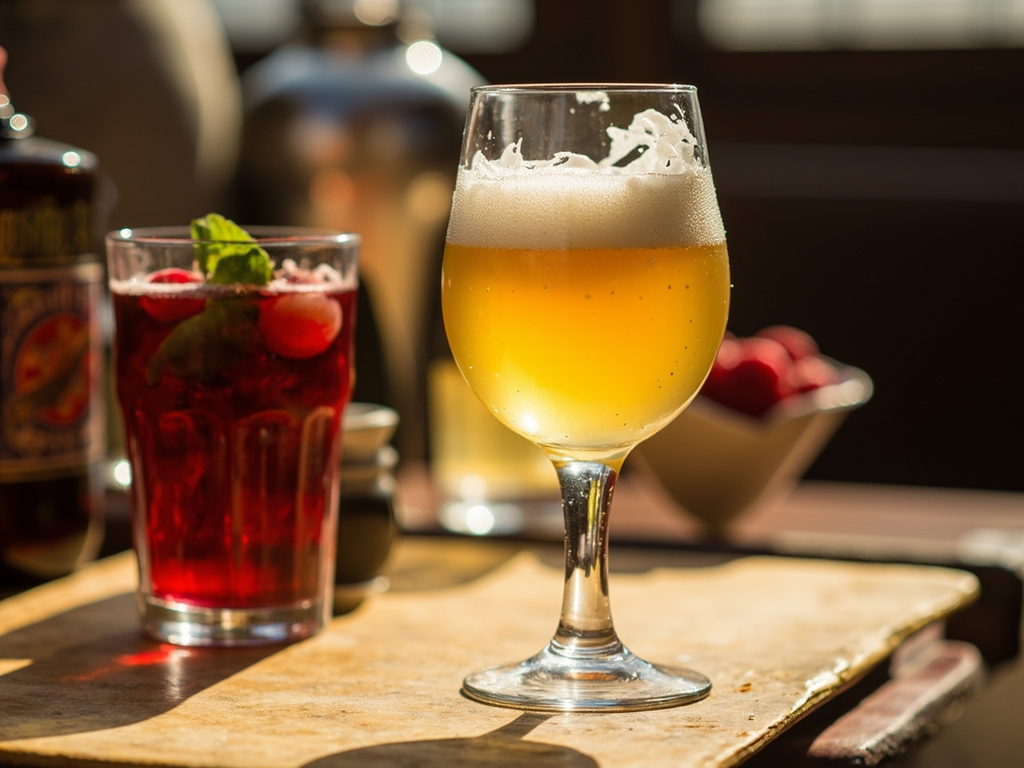
A pale wheat beer, low in alcohol, with a lively acidity from a fermentation combining yeast and lactic bacteria. Served in a large, flared glass, sometimes sweetened with a dash of raspberry or woodruff syrup. Refreshing and quintessentially Berlin.
When colleagues from the Physical Society gathered around a table, we gladly ordered this clear, tangy Weisse, so refreshing that it loosened tongues without ever clouding the mind. I was not a big drinker, but I appreciated its frank acidity, which seemed honest to me. Some would add a drop of syrup for delicate palates; I preferred it natural, like an exact measure that one should not correct.
- •Wheat and pale barley wort — the brew (base)
- •Brewer's yeast + lactic bacteria — the starter (double fermentation)
- •Raspberry or woodruff syrup (Waldmeister) — a dash, optional (sweetener)
Berliner Weisse, the Tart Beer of Berlin
A pale wheat beer, low in alcohol, with a lively acidity from a fermentation combining yeast and lactic bacteria. Served in a large, flared glass, sometimes sweetened with a dash of raspberry or woodruff syrup. Refreshing and quintessentially Berlin.
Why this dish? Planck's profile mentions beer at convivial meals. In Berlin, his adopted city and career home, the emblematic drink was Berliner Weisse, pale, light and tart, nicknamed 'the Champagne of the North' by Napoleon's troops.
When colleagues from the Physical Society gathered around a table, we gladly ordered this clear, tangy Weisse, so refreshing that it loosened tongues without ever clouding the mind. I was not a big drinker, but I appreciated its frank acidity, which seemed honest to me. Some would add a drop of syrup for delicate palates; I preferred it natural, like an exact measure that one should not correct.
Ingredients (period version)
- Wheat and pale barley wort — the brew (base)
- Brewer's yeast + lactic bacteria — the starter (double fermentation)
- Raspberry or woodruff syrup (Waldmeister) — a dash, optional (sweetener)
Ingredients
- Commercial Berliner Weisse — 1 bottle (33 cl), well chilled (base)
- Raspberry OR woodruff syrup — 1-2 tbsp (optional) (sweetener)
- Flared stemmed glass — 1 (traditional serving)
Method
- Chill the Berliner Weisse and the flared glass.
- Pour the beer slowly, tilting the glass to control the foam.
- For the 'mit Schuss' version, pour a spoonful of raspberry (red) or woodruff (green) syrup into the glass before serving.
- Serve immediately, very cold, as a convivial meal beverage.
How it was made : Brewed in Berlin since the 17th-18th century, Berliner Weisse owes its acidity to co-fermentation with lactic bacteria (Lactobacillus). In the 19th century, dozens of breweries existed; the custom of syrup ('mit Schuss') became popular later to soften the acidity.
The contemporary twist : Present both versions side by side, red raspberry and green woodruff, in twin glasses — a little nod to the colour spectrum dear to the physicist.
Max Planck · Charactorium