 flip
flipPalm Wine, the Evening Malafu
Palm Wine, the Evening Malafu
Why this dish? The sap collected at the foot of the palm trees — always that *Elaeis* or *Raphia* that the botanist catalogued — ferments in a few hours into a sparkling drink. It was offered to the stranger as a sign of welcome, around which permissions to cross a territory were negotiated.
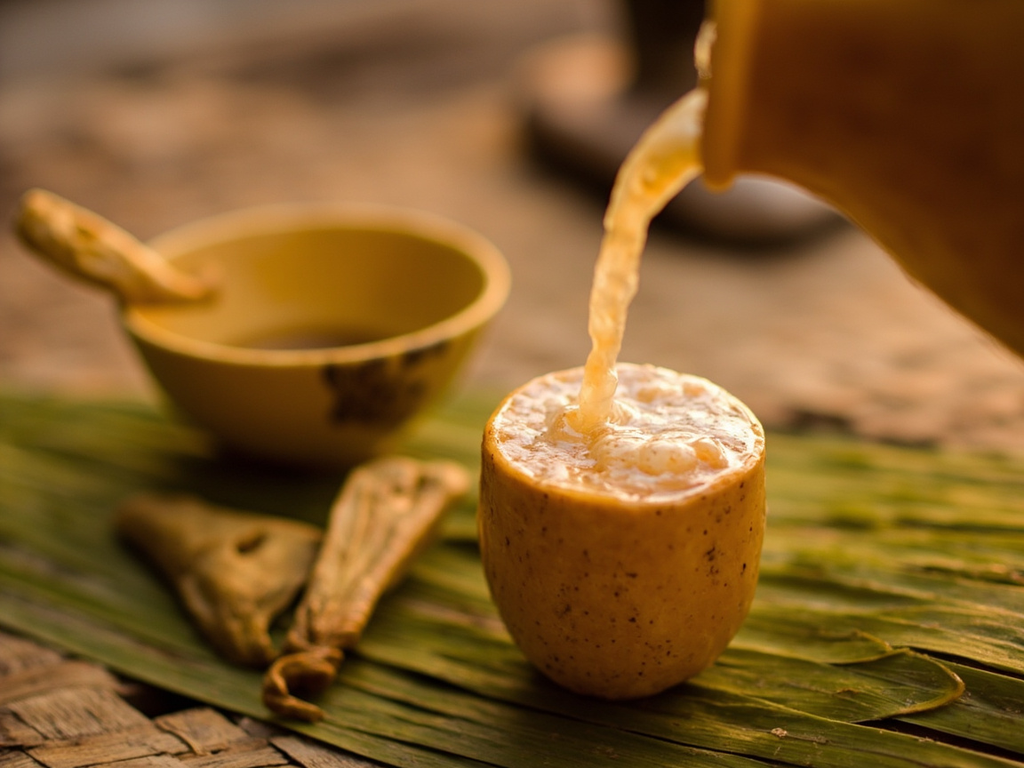
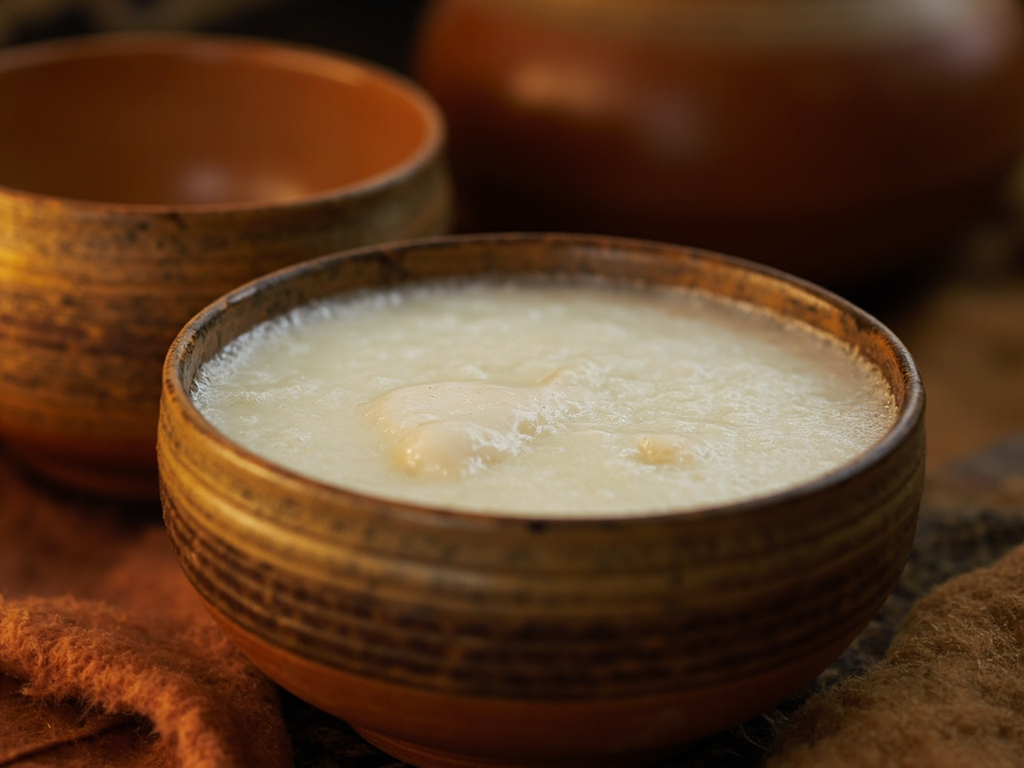
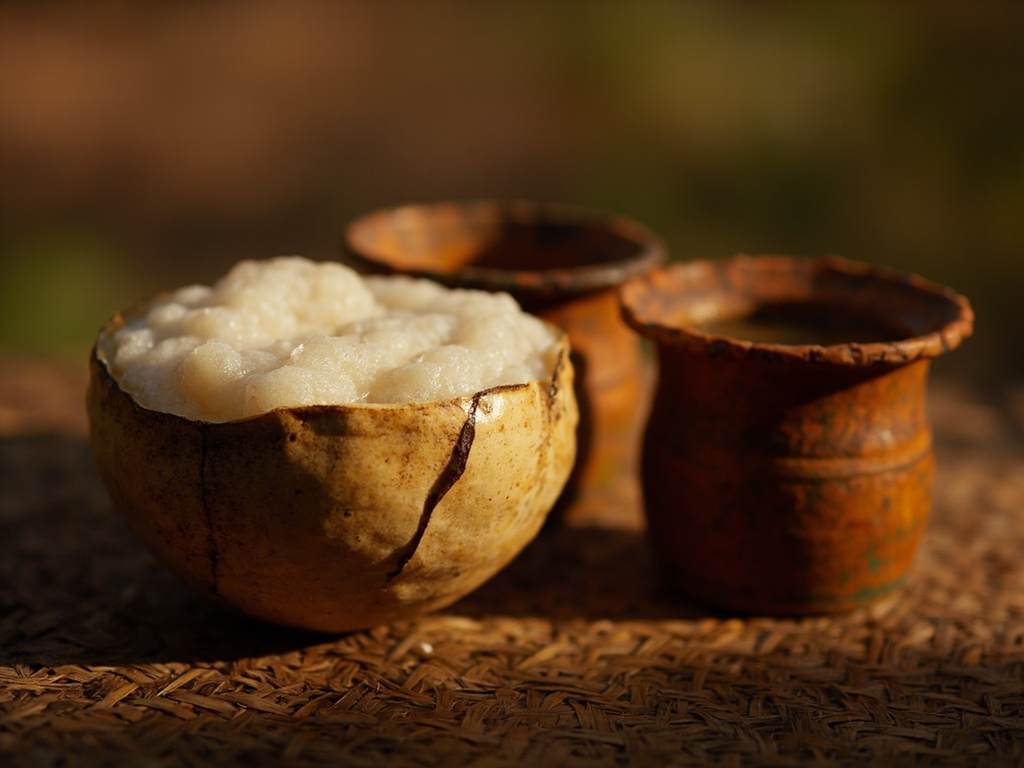
The sweet sap drawn from a cut at the top of the palm tree spontaneously ferments into a cloudy, sweet-sour, slightly fizzy drink. Fresh, it is almost sweet; after a few hours, it becomes distinctly sour and alcoholic. The quintessential social beverage of equatorial Africa.
On me présenta, le premier soir, une calebasse d'un liquide blanchâtre et mousseux que les gens du pays appellent malafu — le vin du palmier. Sachez qu'il ne se presse ni ne se foule : il coule de lui-même de l'arbre entaillé, et fermente avant même qu'on l'ait porté aux lèvres. Cueilli au matin, il est doux comme un sirop ; le soir venu, il a pris du mordant et monte un peu à la tête. C'est autour de cette calebasse, et non sur le papier, que se signaient les vrais traités de passage. J'y bus à la santé de mes hôtes, et l'on me laissa poursuivre.
- •Freshly tapped palm sap — one calabash (base, ferments alone)
Palm Wine, the Evening Malafu
The sweet sap drawn from a cut at the top of the palm tree spontaneously ferments into a cloudy, sweet-sour, slightly fizzy drink. Fresh, it is almost sweet; after a few hours, it becomes distinctly sour and alcoholic. The quintessential social beverage of equatorial Africa.
Why this dish? The sap collected at the foot of the palm trees — always that *Elaeis* or *Raphia* that the botanist catalogued — ferments in a few hours into a sparkling drink. It was offered to the stranger as a sign of welcome, around which permissions to cross a territory were negotiated.
On me présenta, le premier soir, une calebasse d'un liquide blanchâtre et mousseux que les gens du pays appellent malafu — le vin du palmier. Sachez qu'il ne se presse ni ne se foule : il coule de lui-même de l'arbre entaillé, et fermente avant même qu'on l'ait porté aux lèvres. Cueilli au matin, il est doux comme un sirop ; le soir venu, il a pris du mordant et monte un peu à la tête. C'est autour de cette calebasse, et non sur le papier, que se signaient les vrais traités de passage. J'y bus à la santé de mes hôtes, et l'on me laissa poursuivre.
Ingredients (period version)
- Freshly tapped palm sap — one calabash (base, ferments alone)
Ingredients
- Cane juice or unpasteurized coconut water — 1 L (sweet fermentable base (substitute))
- Whole cane sugar — 2 tbsp (sugar adjustment)
- Lime juice — ½ lime (reminder of acidity (non-alcoholic version))
- Fresh grated ginger — 1 tsp (liveliness (optional))
Method
- Faithful version (lightly fermented): mix coconut water and sugar, cover with a cloth and leave 12 to 24 h at room temperature until it fizzes and turns sour.
- Family-friendly non-alcoholic version: mix coconut water, sugar, lime juice, and ginger, and serve immediately well chilled.
- Strain roughly and serve cloudy in a cup or half-calabash.
- Drink cold, sharing the same vessel as is customary.
How it was made : Palm wine is one of the rare alcohols obtained without any human intervention in fermentation: the sap already contains the yeasts. Harvested at dawn, it must be drunk within the day — it has no aging potential, making it a drink of the moment and of sharing.
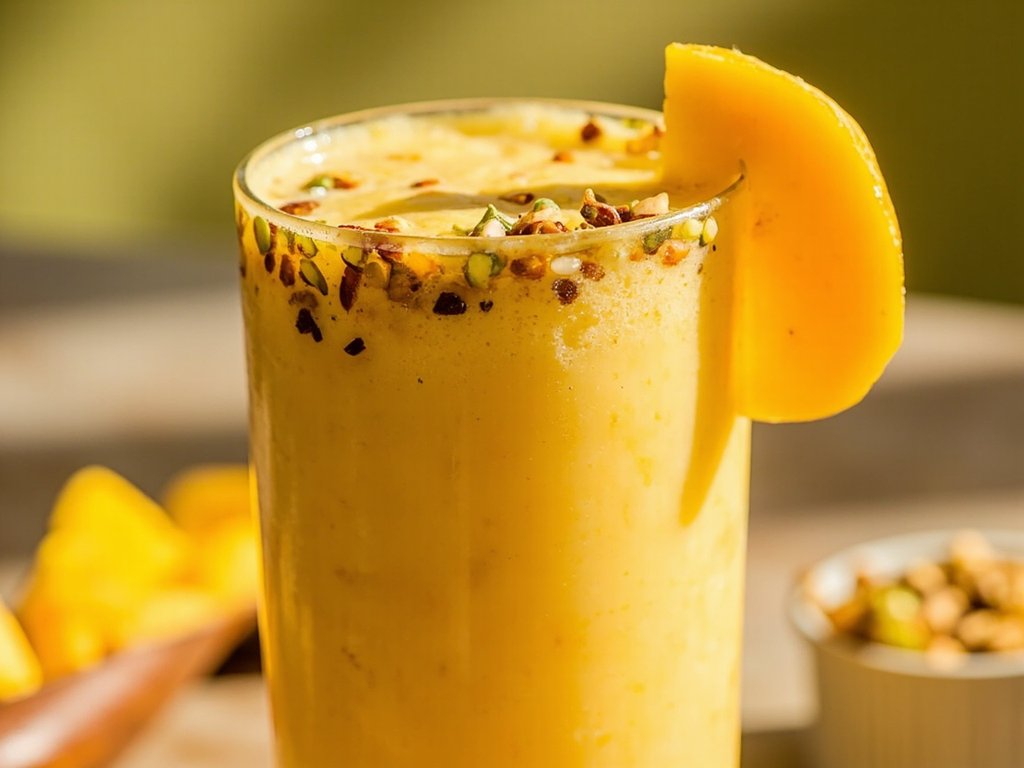
The contemporary twist : Served as a non-alcoholic cocktail over crushed ice with a slice of pineapple… no — let's stay period: with a lime zest and a mint leaf, dubbed 'Calabash of Loango'.
Büttner · Charactorium