 flip
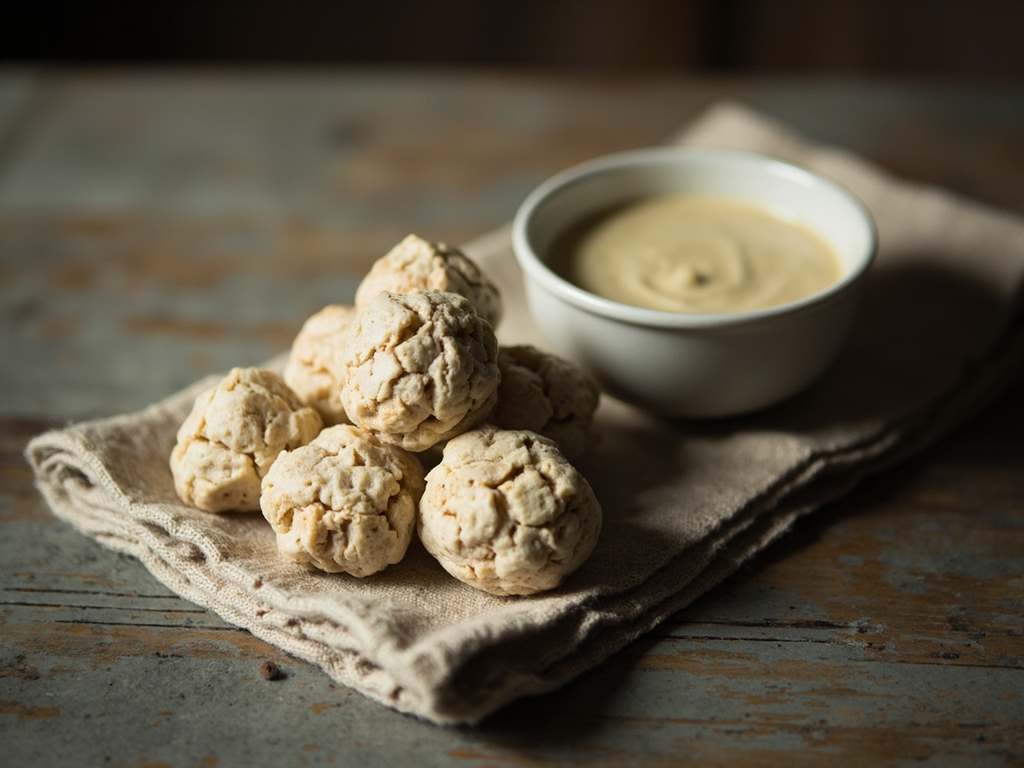
flipMasi — fermented breadfruit paste for storage
Masi — fermented breadfruit paste for storage
Why this dish? Nafanua belongs to a world of islands, canoes, and military campaigns between Savai'i, Upolu, and Tonga. Warriors and navigators do not leave without supplies: masi, fermented breadfruit that keeps for months buried, is the campaign and famine food, the one that survives when orchards empty.
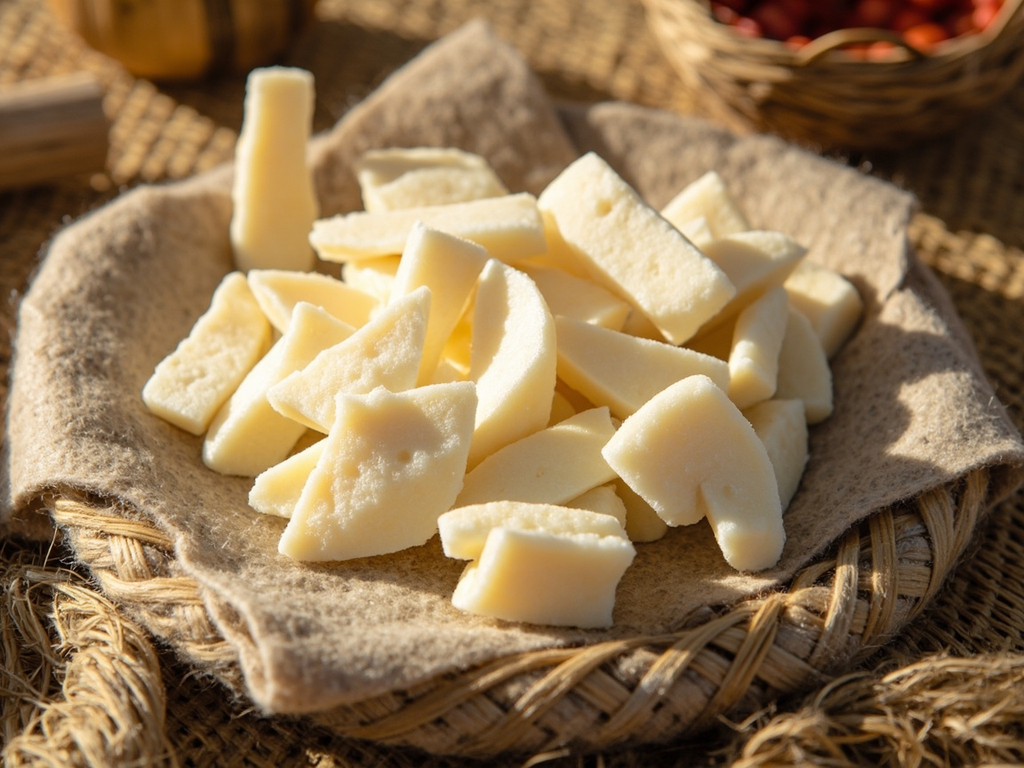
Ripe breadfruit mashed, wrapped in leaves, and buried in a pit to ferment. It develops a sour, powerful flavor and keeps for a very long time; then it is cooked with coconut cream.
Do you think war waits for the trees to give? No. So we took the 'ulu, the rich breadfruit, and entrusted it to the earth: a pit lined with leaves, the fruit inside, and the patience of seasons on top. The earth works for you while you sleep. When famine struck or the canoe left for Tonga, we reopened the pit: the smell was strong, yes, but it was the smell of foresight. Mixed with coconut cream and cooked, that old fruit was worth ten fresh meals.
- •Ripe breadfruit ('ulu) — several fruits (material to ferment and preserve)
- •Banana and wild ginger leaves — in quantity (line the pit, insulate)
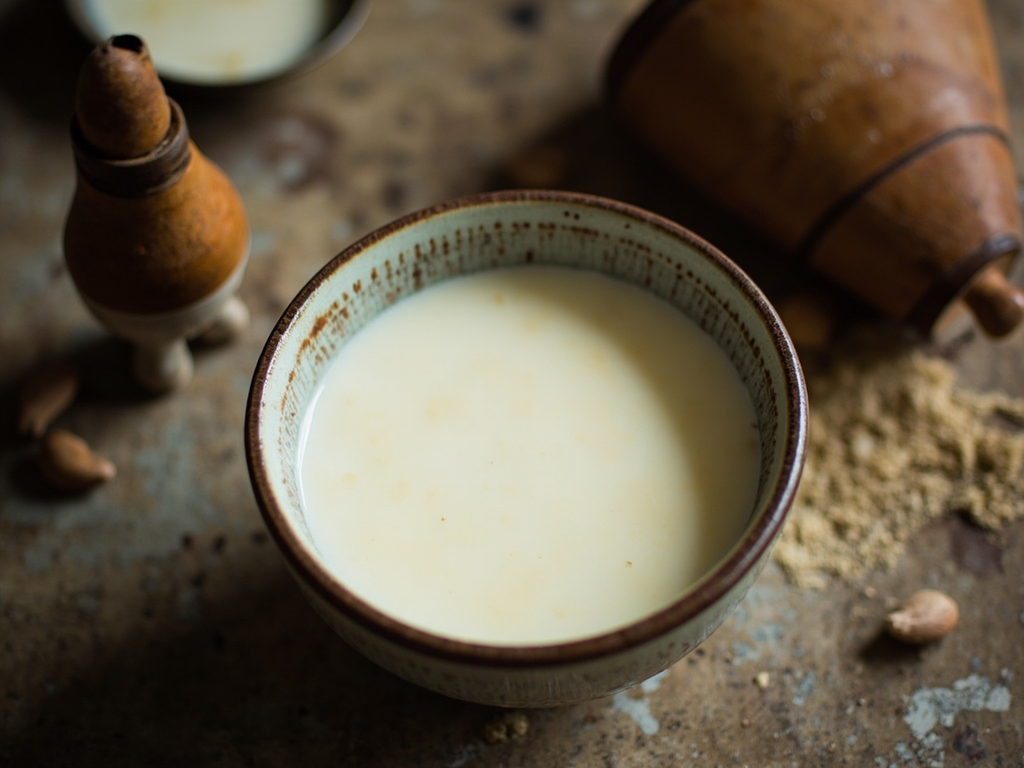
- •Coconut cream (pe'epe'e) — for cooking (binder for serving)
Masi — fermented breadfruit paste for storage
Ripe breadfruit mashed, wrapped in leaves, and buried in a pit to ferment. It develops a sour, powerful flavor and keeps for a very long time; then it is cooked with coconut cream.
Why this dish? Nafanua belongs to a world of islands, canoes, and military campaigns between Savai'i, Upolu, and Tonga. Warriors and navigators do not leave without supplies: masi, fermented breadfruit that keeps for months buried, is the campaign and famine food, the one that survives when orchards empty.
Do you think war waits for the trees to give? No. So we took the 'ulu, the rich breadfruit, and entrusted it to the earth: a pit lined with leaves, the fruit inside, and the patience of seasons on top. The earth works for you while you sleep. When famine struck or the canoe left for Tonga, we reopened the pit: the smell was strong, yes, but it was the smell of foresight. Mixed with coconut cream and cooked, that old fruit was worth ten fresh meals.
Ingredients (period version)
- Ripe breadfruit ('ulu) — several fruits (material to ferment and preserve)
- Banana and wild ginger leaves — in quantity (line the pit, insulate)
- Coconut cream (pe'epe'e) — for cooking (binder for serving)
Ingredients
- Very ripe breadfruit (tropical grocery) — or very ripe plantain — 500 g (fermentable base)
- Unsweetened coconut cream — 200 ml (binder and richness)
- Sea salt — 1 pinch (seasoning)
- Banana leaves — 2 (cooking in a bundle)
Method
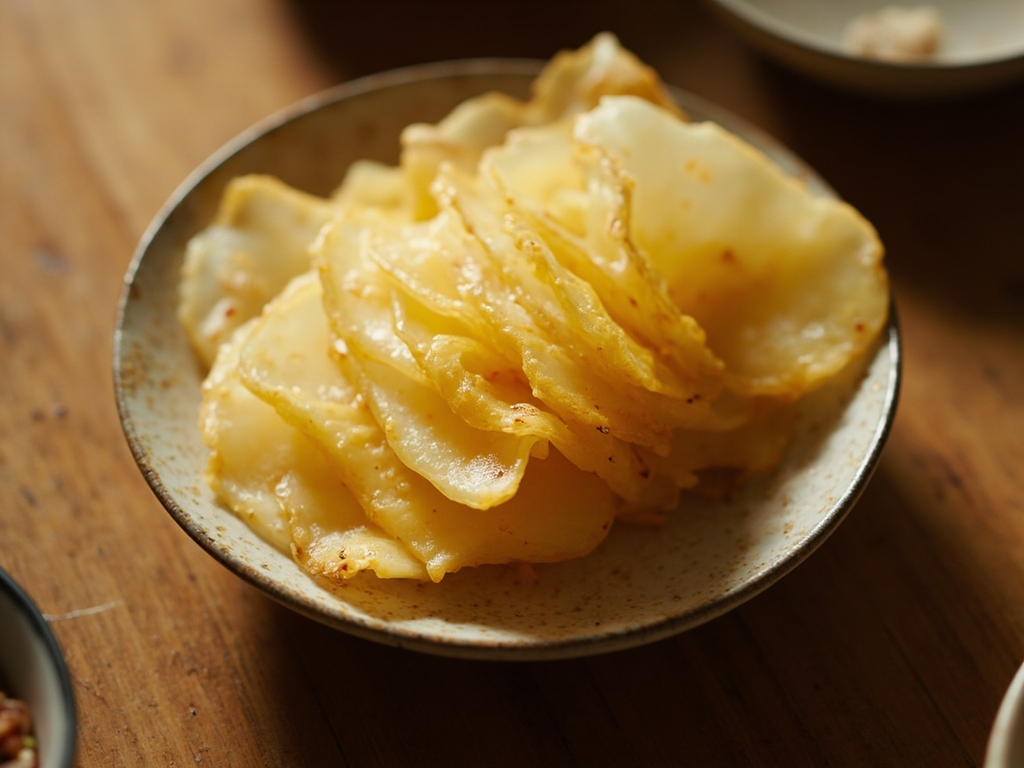
- Simplified home version (without pit): boil the breadfruit until tender, mash into a paste.
- To evoke the fermented note safely, let the puree rest covered in the fridge for 24 hours (slight acidity) — do NOT attempt uncontrolled pit fermentation.
- Mix the paste with coconut cream and salt until a soft mass forms.
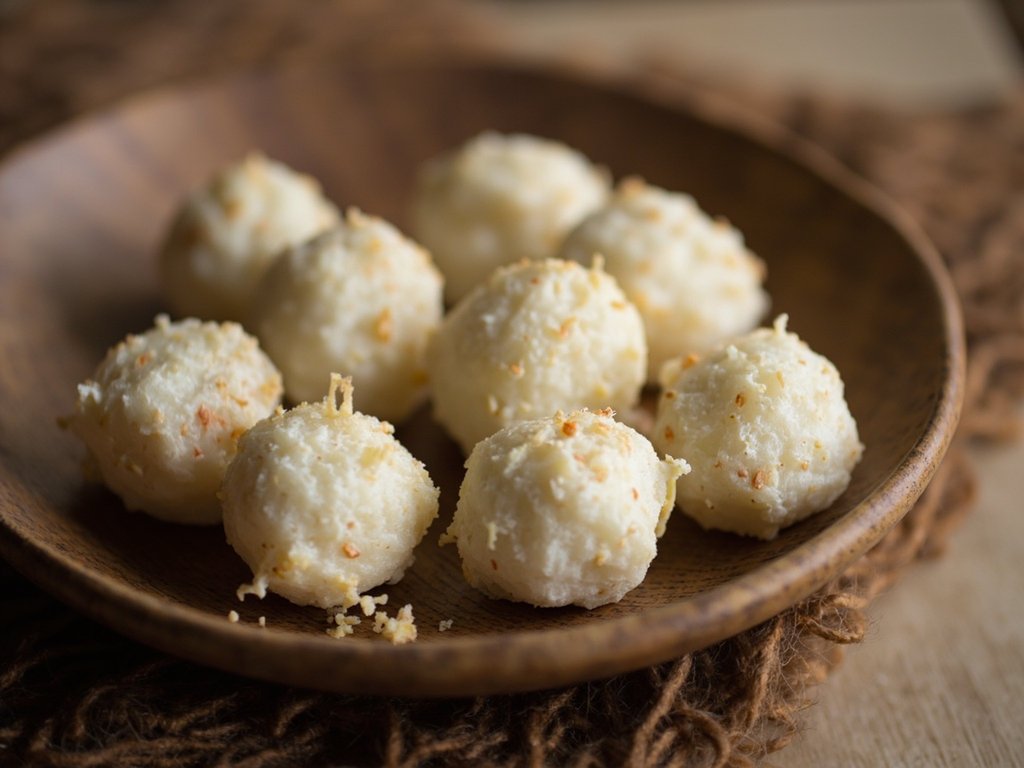
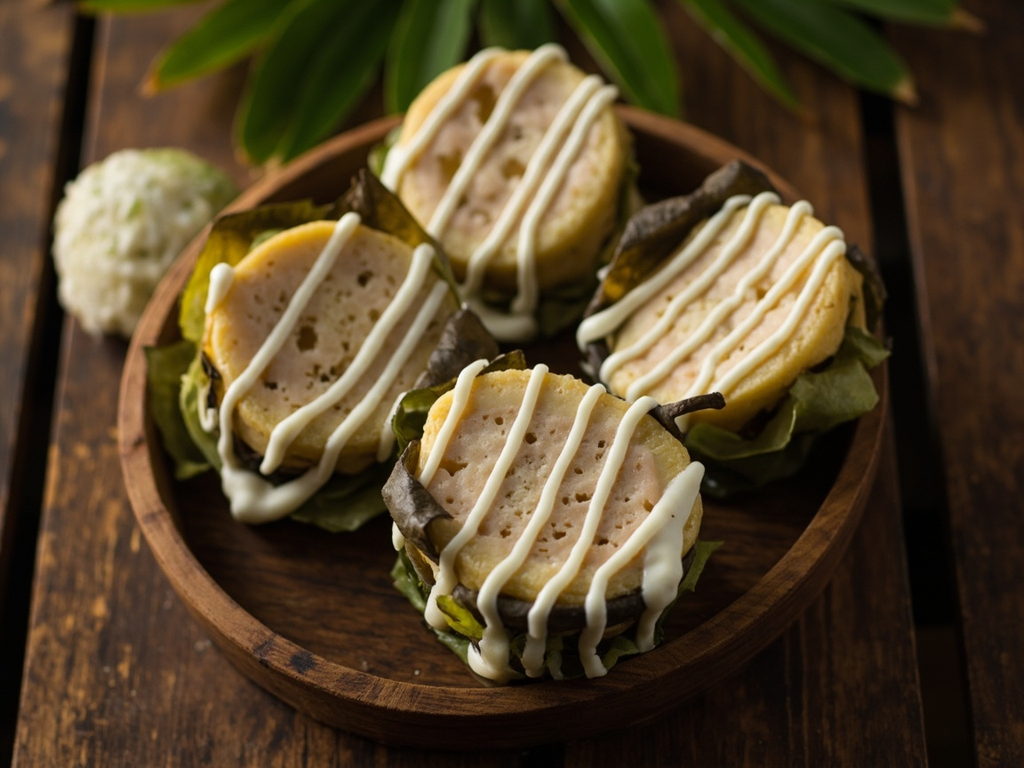
- Shape into patties, wrap them in banana leaf bundles.
- Steam for 30 minutes; serve warm, drizzled with a little coconut cream.
How it was made : Masi (called mahr, ma, or many other names across the Pacific) is a real Polynesian and Micronesian preservation technique: breadfruit or banana ferment for months, sometimes years, in leaf-lined pits. It was life insurance against cyclones, droughts, and war, and a shipboard provision for long voyages. Pit fermentation requires precise knowledge and is not safely reproducible at home.
The contemporary twist : Present the patty as “navigator’s bread” and tell that it could cross the ocean: history is also eaten.
Nafanua · Charactorium