 flip
flipKashk — fermented and dried whey for long storage
Kashk — fermented and dried whey for long storage
Why this dish? Kashk is the very signature of Persian cuisine, and the protein reserve of the peoples of the Iranian plateau from which Pîrûz was torn. This technique of preserving milk — which survives months without cold — is exactly the know-how a Persian carried with him, even into exile and Arab captivity.
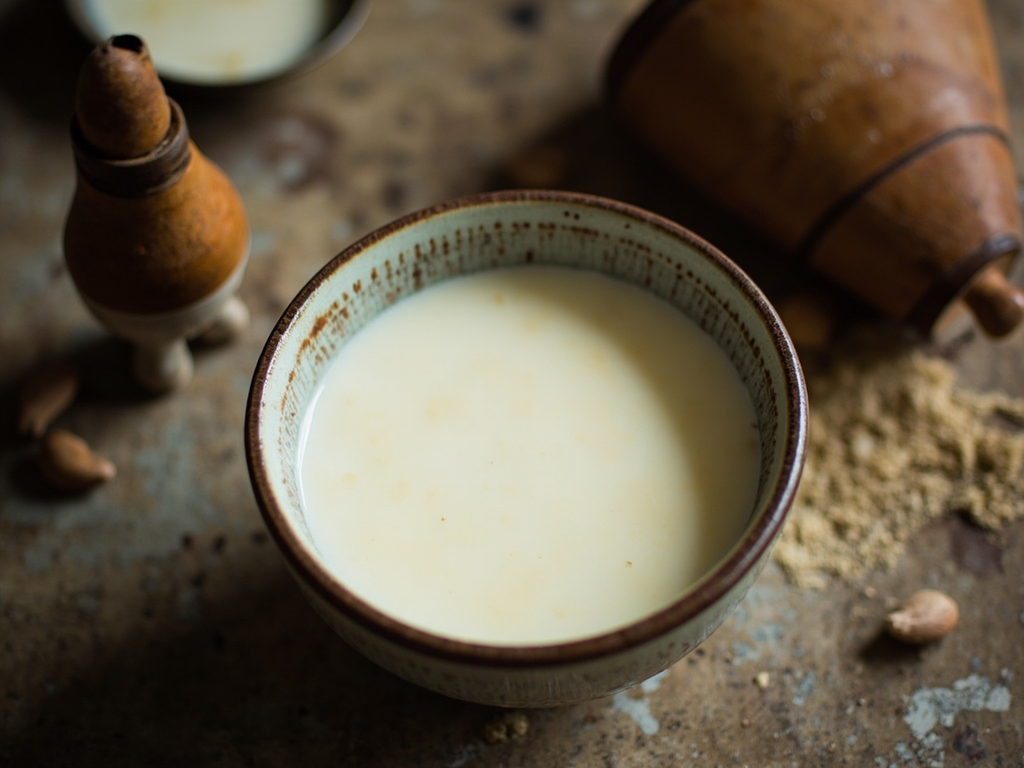
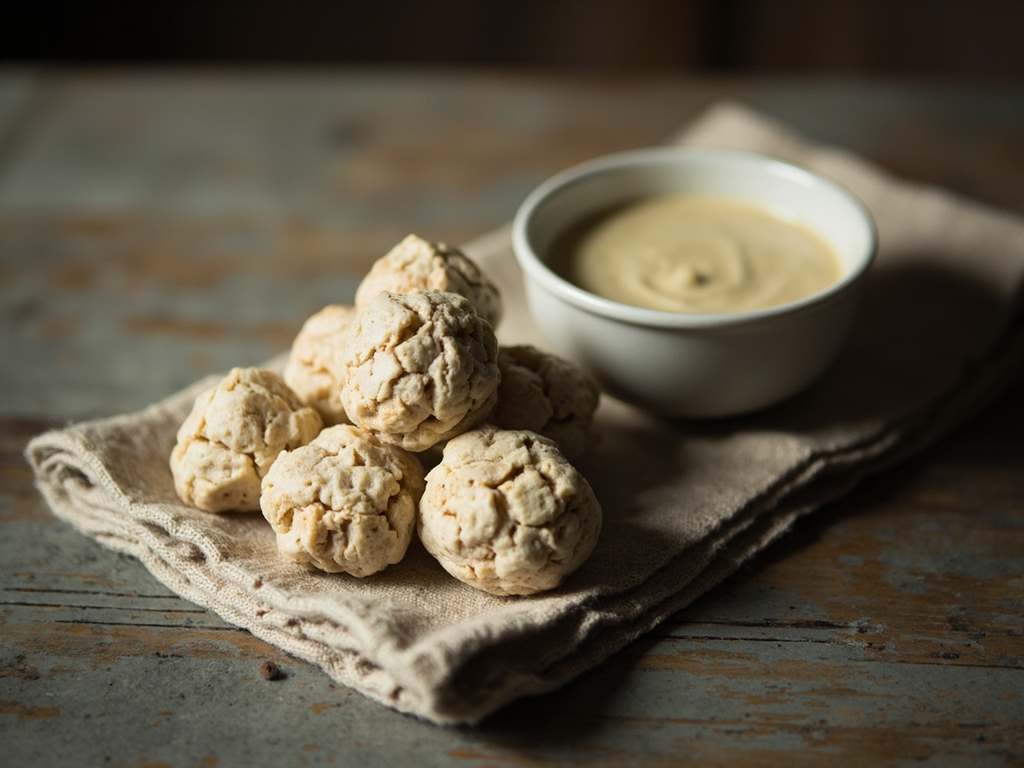
The residue of curdled milk, drained, salted and then sun-dried into hard, stone-like balls. They are grated or dissolved in water to enrich soups and stews with a sour and umami depth. A preserve that defies time.
You want to keep milk when there is neither ice nor cellar? Listen to the secret of my fathers, old as the Zagros mountains. You let the milk turn and sour, drain it long in a hanging cloth, salt it heavily, then roll the paste into small balls and abandon them to the sun until they ring hard under the fingernail. Thus hardened, kashk follows you on journeys for whole seasons; one ball melted in hot water, and the taste of milk returns. That is how a man of the plateau never quite dies of hunger.
- •Sheep's milk or cheese whey — as much as you like (raw material)
- •Salt — generously (preservation)
Kashk — fermented and dried whey for long storage
The residue of curdled milk, drained, salted and then sun-dried into hard, stone-like balls. They are grated or dissolved in water to enrich soups and stews with a sour and umami depth. A preserve that defies time.
Why this dish? Kashk is the very signature of Persian cuisine, and the protein reserve of the peoples of the Iranian plateau from which Pîrûz was torn. This technique of preserving milk — which survives months without cold — is exactly the know-how a Persian carried with him, even into exile and Arab captivity.
You want to keep milk when there is neither ice nor cellar? Listen to the secret of my fathers, old as the Zagros mountains. You let the milk turn and sour, drain it long in a hanging cloth, salt it heavily, then roll the paste into small balls and abandon them to the sun until they ring hard under the fingernail. Thus hardened, kashk follows you on journeys for whole seasons; one ball melted in hot water, and the taste of milk returns. That is how a man of the plateau never quite dies of hunger.
Ingredients (period version)
- Sheep's milk or cheese whey — as much as you like (raw material)
- Salt — generously (preservation)
Ingredients
- Full-fat plain yogurt (or whey) — 1 kg (dairy base)
- Salt — 1 tbsp (preservation and flavor)
Method
- Let the yogurt sour for a day at room temperature, then salt it.
- Pour into a clean cloth and hang over a bowl for 24-48 hours to drain all whey, until a firm paste forms.
- Shape small balls and place on a rack in the sun (or in a very low oven with the door ajar) for several days until completely dry and hard.
- Store in a dry place; to use, grate or soak a ball in hot water then stir into a sour cream.
- Add to soups (âsh) off the heat, or drizzle over vegetable dishes.
How it was made : Kashk is attested throughout the Irano-Turkic world since antiquity: it was the protein preserve of herders, indispensable where fresh milk could not be kept. Depending on the region, it was made liquid, in dried crusts or stone balls. It enriched both the poor everyday meal and the rich table.
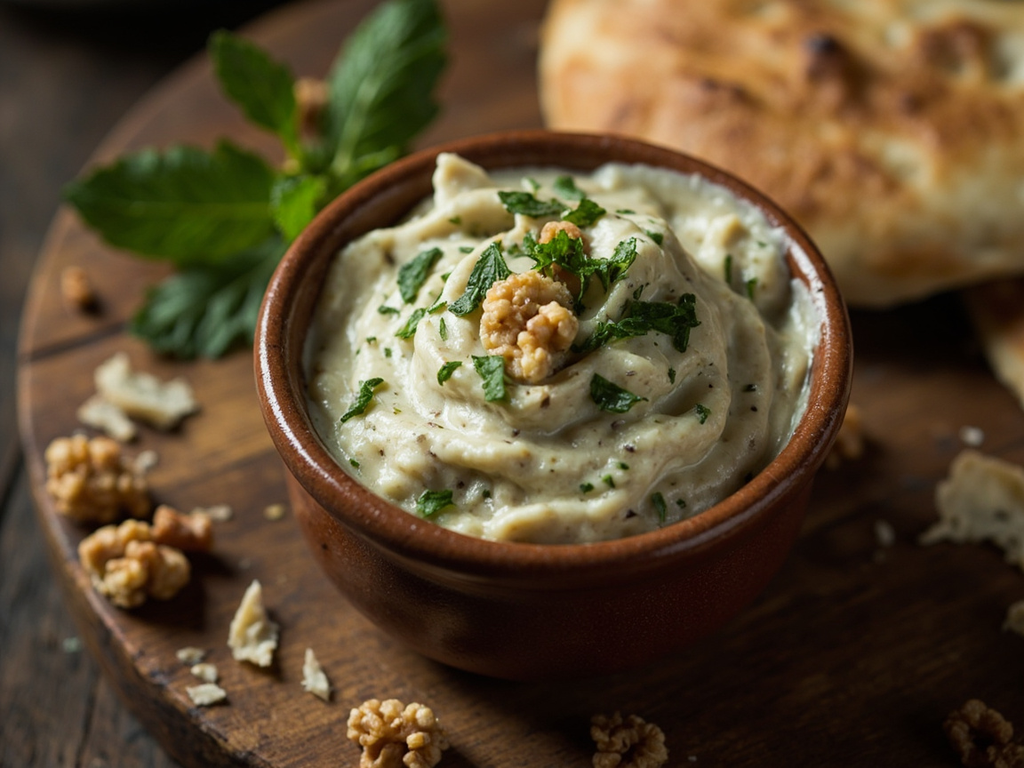
The contemporary twist : Grated fresh over smoky eggplant purée (kashk-e bademjan), as a Persian tapa for aperitifs.
Sources : Hocine Benkheira & al., studies on dairy products of the Iranian world · Najmieh Batmanglij, Food of Life
Abu Lu'lu'a Fīrūz · Charactorium